
Close Menu
    Facebook X (Twitter) Instagram
    SciTechDaily
    • Biology
    • Chemistry
    • Earth
    • Health
    • Physics
    • Science
    • Space
    • Technology
    Facebook X (Twitter) Pinterest YouTube RSS
    SciTechDaily
    Home»Biology»Scientists Discover That a Neglected Part of the Brain Could Play a Critical Role in Addiction Recovery
    Biology

    Scientists Discover That a Neglected Part of the Brain Could Play a Critical Role in Addiction Recovery

    By Indiana University School of MedicineAugust 29, 2023No Comments3 Mins Read
    Facebook Twitter Pinterest Telegram LinkedIn WhatsApp Email Reddit
    Share
    Facebook Twitter LinkedIn Pinterest Telegram Email Reddit
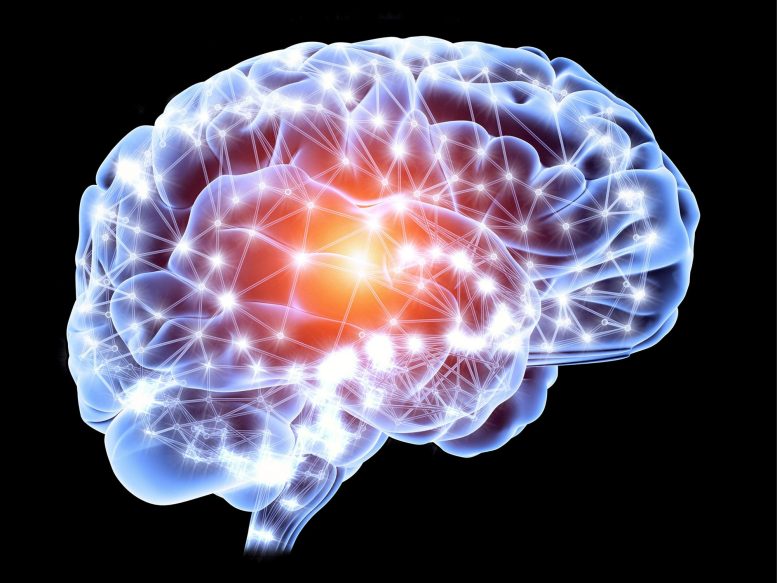
    Brain Neural Network Illustration
    Researchers have identified the supplementary motor cortex as a critical brain region affecting the likelihood of relapse in individuals with drug use disorders. Through animal models, they found that hyperexcitability in this area can be modulated to potentially prevent relapse, offering a new avenue for treatment.

    New Brain Region Identified in Drug Relapse Risk

    Scientists at the Indiana University School of Medicine have identified an overlooked area of the brain that could play a crucial role in determining the likelihood of relapse for individuals with drug use disorders, even after extended periods of withdrawal. The study was recently published in the journal Biological Psychiatry.

    “Past studies in the field of addiction research have focused on the medial prefrontal cortex, which is the part of the brain that controls decision making, but no effective prevention or treatment for drug relapse is available,” said Yao-Ying Ma, MD, Ph.D., associate professor of pharmacology and toxicology and an investigator with the Stark Neurosciences Research Institute at IU School of Medicine. “We focused instead on the supplementary motor cortex and found this area plays a bigger role in the risk of relapse. It could be a new target for therapeutics to prevent relapse.”

    Researchers studied cocaine-seeking behaviors in animal models, measuring excitability levels in the motor cortex after 45 days of withdrawal. They found hyperexcitability in the motor cortex was increased at this point and used an intervention to calm the excitability taking place in that part of the brain.

    The Automatic Nature of Addiction and Relapse

    “One of the biggest challenges for patients with addiction is preventing relapse,” Ma said. “We know they need medication, community involvement, psychological support, and other resources to help, but for many people who go back to take a drug, it just feels like an automatic behavior. If we can understand whether addiction behavior is subconscious or conscious behavior, we can find better ways to treat and prevent addiction and relapse.”

    The supplementary motor cortex is typically known for directing how the body moves, so Ma said the finding that it plays a big role in addiction is novel and exciting.

    “This brain region has never really gotten too much attention in addiction research, so we’re excited about this finding and how it can change the way we treat addiction by using less invasive methods, such as transcranial magnetic stimulation, as well as the trajectory of our work moving forward,” Ma said.

    In the future, the team will study the effect of other addictive substances to see if the supplementary motor cortex is involved in other types of drug use disorders, such as opioid and alcohol use disorders.

    Reference: “Increased Excitability of Layer 2 Cortical Pyramidal Neurons in the Supplementary Motor Cortex Underlies High Cocaine-Seeking Behaviors” by Donald Huang, and Yao-Ying Ma, 15 June 2023, Biological Psychiatry.
    DOI: 10.1016/j.biopsych.2023.06.002

    The first author of the study, Donald Huang, was Ma’s PhD student. Huang recently received his PhD in Medical Neuroscience from IU School of Medicine and now works as a postdoctoral researcher at the University of Chicago.

    Never miss a breakthrough: Join the SciTechDaily newsletter.
    Follow us on Google and Google News.

    Addiction Brain Indiana University Psychiatry
    Share. Facebook Twitter Pinterest LinkedIn Email Reddit

    Related Articles

    Treating Depression by Fine-Tuning Motivation in the Brain

    Even Low Doses of Alcohol Cause Changes in Brain Circuitry

    Grey Matter Volume From Brain MRI Could Inform Treatment Decisions for Mental Health Disorders

    Most Brain Studies Have Too Few Participants To Yield Reliable Findings

    Drug (Cocaine, Methamphetamine, or Nicotine) Withdrawal Morphs Brain Communication Networks in Mice

    Neuroscience Experiment Shows How Dopamine Drives Hallucination-Like Perception in Mice

    Cocaine’s Effect on the Brain: New Research on Fruit Flies Shows Impact at the Cellular Level

    Gene Changes Linked to Severe Repetitive Behaviors Seen in Autism, Schizophrenia, and Drug Addiction

    Humans Are Less in Control of Their Brains Than Previously Thought

    Leave A Reply Cancel Reply

    • Facebook
    • Twitter
    • Pinterest
    • YouTube

    Don't Miss a Discovery

    Subscribe for the Latest in Science & Tech!

    Trending News

    Scientists Discover Stem Cells That Could Regrow Teeth and Bone

    Early Cannabis Use May Stall Key Brain Skills in Teens

    Popular Vitamin D Supplement Has “Previously Unknown” Negative Effect, Study Finds

    Study Reveals Malaria’s Hidden Role in Human Evolution

    The Hidden Risk of Taking Breaks From Weight-Loss Drugs Like Ozempic

    Scientists Warn That This Common Pet Fish Can Wreck Entire Ecosystems

    Scientists Make Breakthrough in Turning Plastic Trash Into Clean Fuel Using Sunlight

    This Popular Supplement May Interfere With Cancer Treatment, Scientists Warn

    Follow SciTechDaily
    • Facebook
    • Twitter
    • YouTube
    • Pinterest
    • Newsletter
    • RSS
    SciTech News
    • Biology News
    • Chemistry News
    • Earth News
    • Health News
    • Physics News
    • Science News
    • Space News
    • Technology News
    Recent Posts
    • Researchers Unveil Groundbreaking Sustainable Solution to Vitamin B12 Deficiency
    • Scientists Identify Immune Protein That Could Mimic Anti-Aging Effects of Calorie Restriction
    • This Tiny Creature Survived a World of Dinosaurs and Changed What Came Next
    • Millions of People Have Osteopenia Without Realizing It – Here’s What You Need To Know
    • Researchers Discover Boosting a Single Protein Helps the Brain Fight Alzheimer’s
    Copyright © 1998 - 2026 SciTechDaily. All Rights Reserved.
    • Science News
    • About
    • Contact
    • Editorial Board
    • Privacy Policy
    • Terms of Use

    Type above and press Enter to search. Press Esc to cancel.