
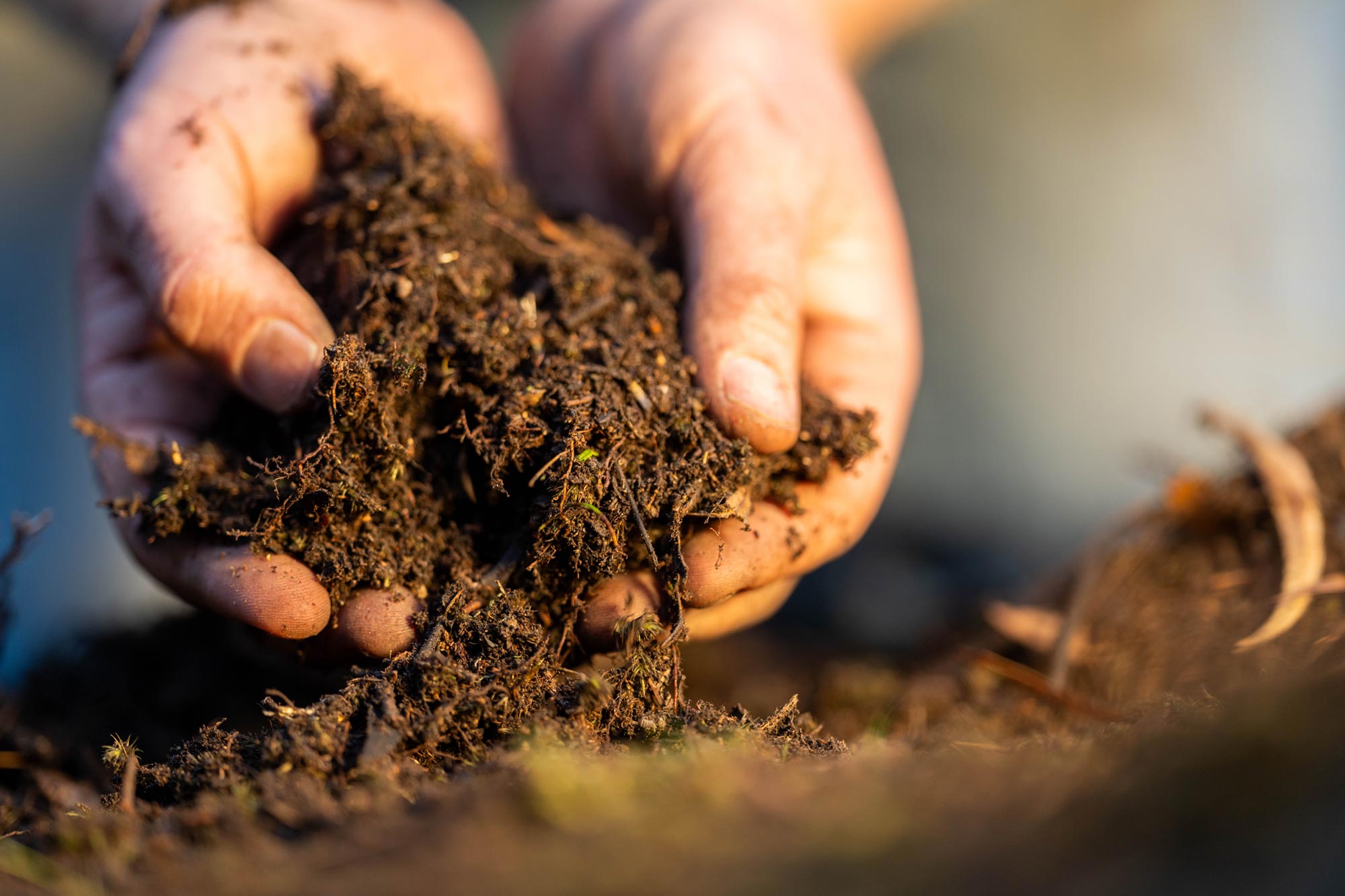
Researchers report that methane absorption has increased under shifting climate conditions, based on a long-term study conducted in Germany.
Forest soils play a key role in regulating the climate by removing large amounts of methane, a powerful greenhouse gas, from the atmosphere. A research team from the University of Göttingen and the Baden-Württemberg Forest Research Institute (FVA) analyzed what is considered the most extensive global data set on methane uptake in forest soils.
Their findings show that under certain climate conditions, which may become more frequent in the future, these soils can actually increase how much methane they absorb. The analysis draws on long-term observations collected at 13 forest sites in southwestern Germany, with some records extending up to 24 years. On average, methane uptake rose by about three percent each year.
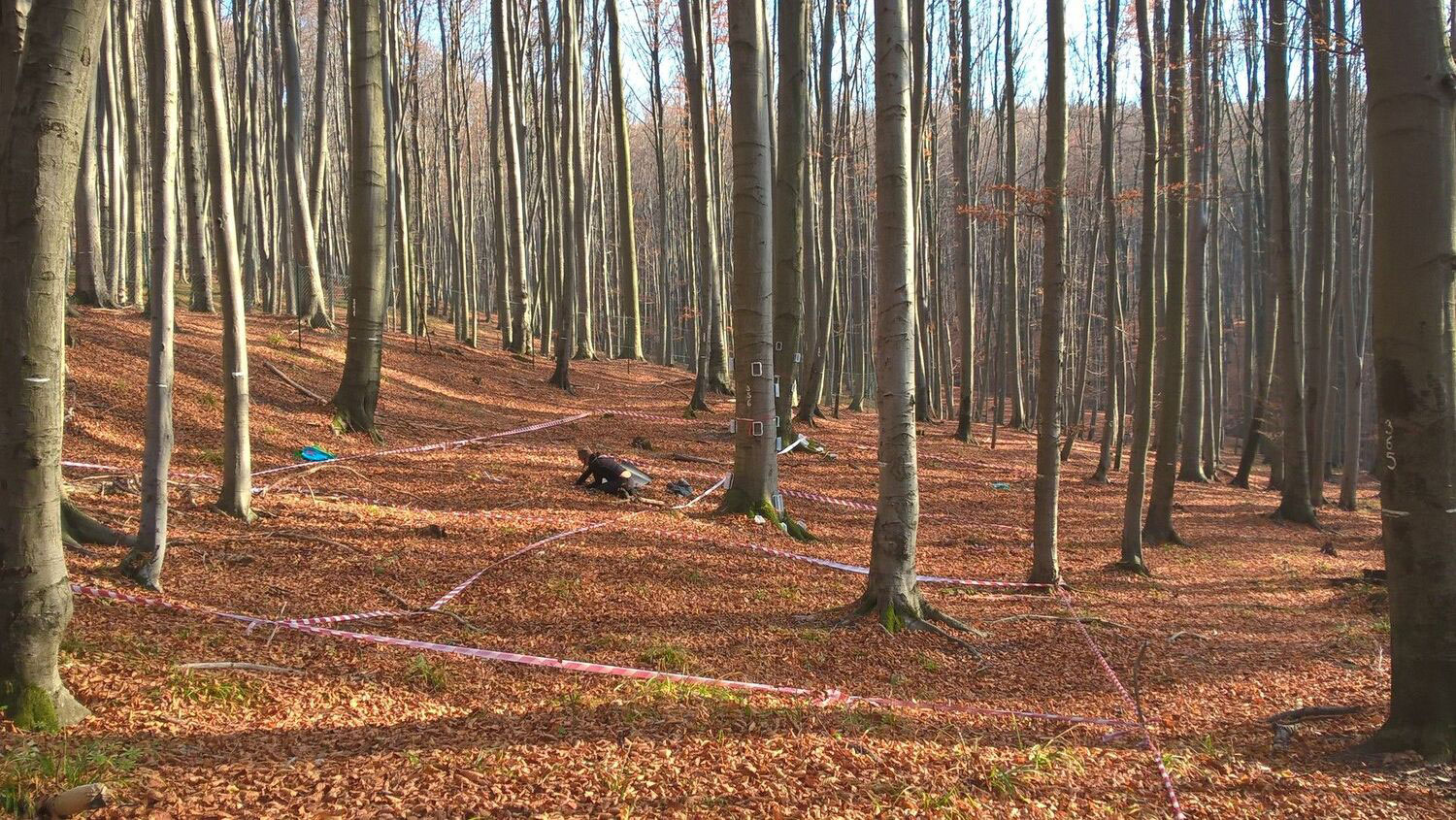
The researchers link this increase to changing climate conditions. Lower rainfall results in drier soils, allowing methane to move more easily into the ground compared with wetter soils. At the same time, higher temperatures speed up the activity of microorganisms that break down methane. The study was published in Agricultural and Forest Meteorology.
Decades of data confirm rising uptake
To quantify methane absorption, the researchers examined how methane moves through soil layers. They tracked soil gas profiles, which show the chemical makeup of air at different depths underground. These measurements come from the FVA’s long-running soil gas monitoring program.
Over many years, air samples were collected every two weeks using narrow tubes placed into the soil and then analyzed in a laboratory. To ensure accuracy, the team compared these results with separate measurements taken using sealed chambers placed directly on the ground surface.
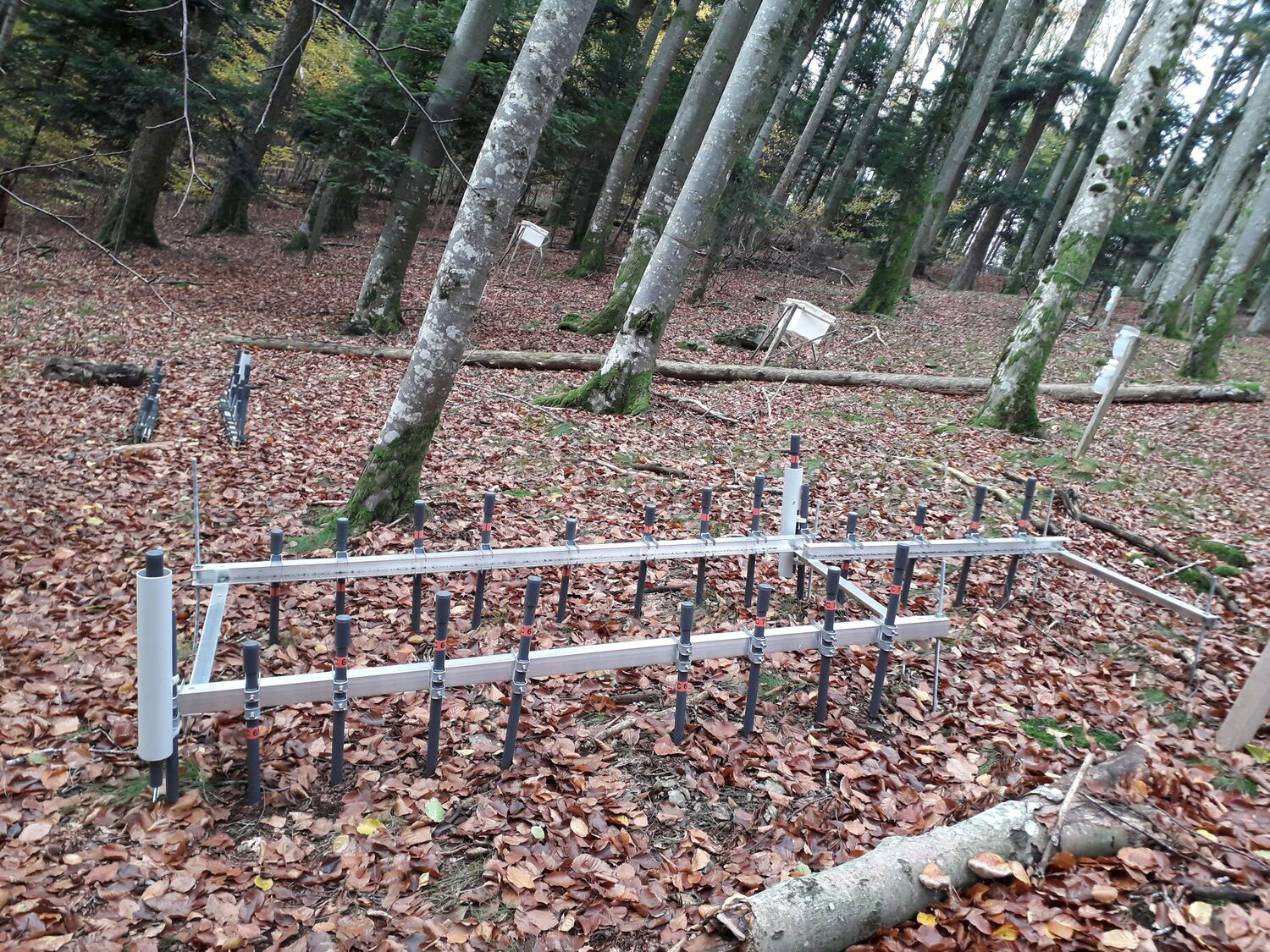
When methane levels drop inside the chamber, it provides a way to determine whether the soil is absorbing gas and how much is being taken in.
Drying soils accelerate methane absorption
Measurements varied across the different forest sites, but the overall pattern was consistent. Forest soils in south-western Germany are taking in substantial amounts of methane, with higher uptake occurring when rainfall decreases and temperatures increase.
“Our long-term data shows that climate change does not necessarily have a negative impact on how much methane forest soils absorb. While the largest study to date from the US found a decline in methane uptake of up to 80 percent due to increasing rainfall, our significantly more comprehensive field study in south-western Germany found the opposite, ” explains Professor Martin Maier at Göttingen University’s Department of Crop Sciences, who led the study and was previously involved in the FVA’s soil gas monitoring program.
“We observed a significant long-term increase in methane uptake in the forest areas we studied.”
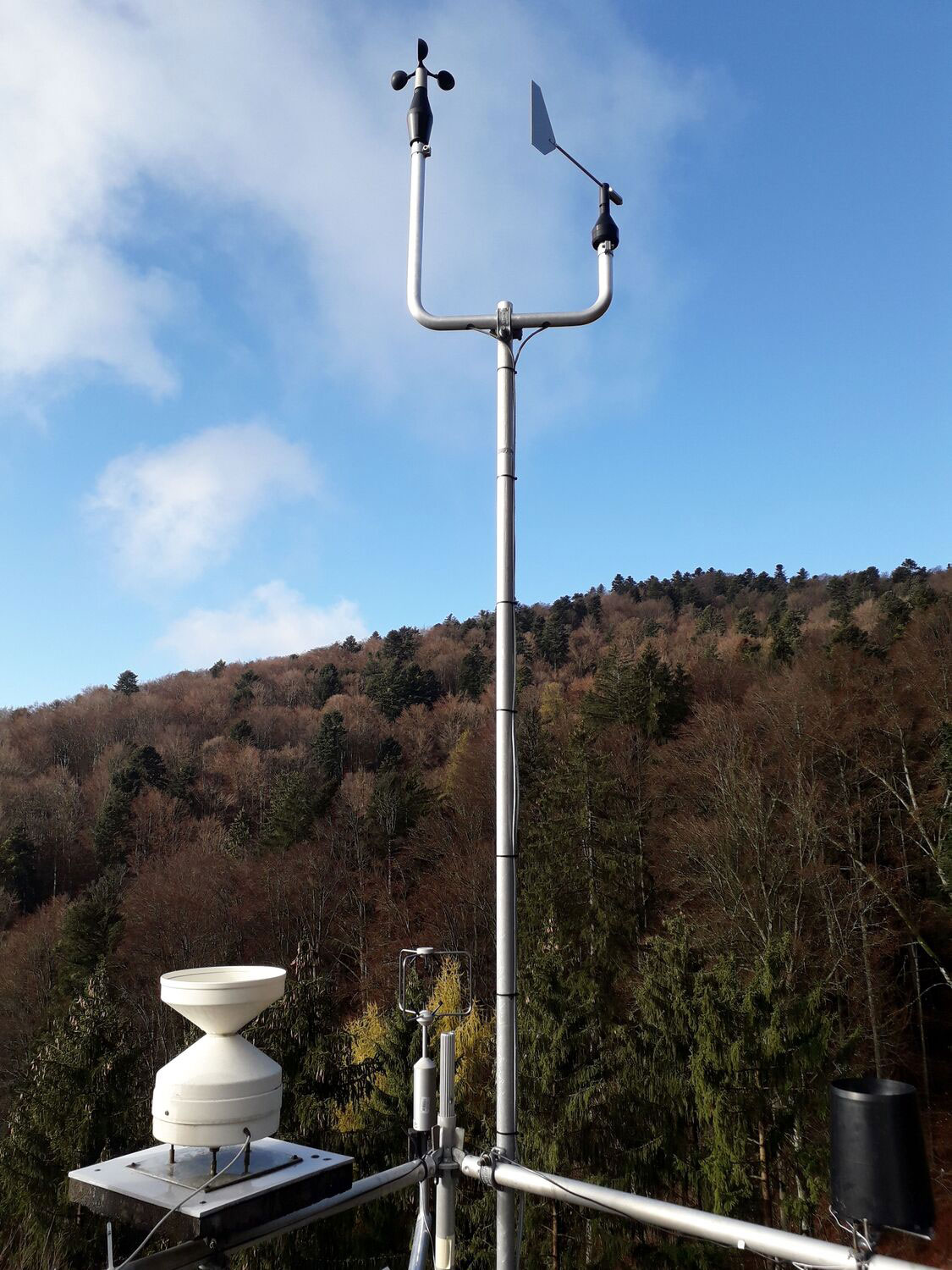
Drier soils tend to contain more air-filled spaces than wet soils, which allows methane to move through the soil more easily. Warmer conditions also help microorganisms break down methane at a slightly faster rate.
Regional evidence overturns global trend
These findings differ from conclusions drawn in many international meta-analyses, which combine results from multiple studies and often report a decline in methane uptake by forest soils. The researchers argue that their results underline the importance of long-term, location-specific measurements when evaluating how ecosystems respond to climate change.
“Our results make it clear that taking a series of measurements over many years and running monitoring programs are indispensable for assessing the real effects of climate change,” says Maier.
Reference: “Trend analysis of methane uptake in 13 forest soils based on up to 24 years of field measurements in south-west Germany” by Verena Lang, Valentin Gartiser, Peter Hartmann and Martin Maier, 10 September 2025, Agricultural and Forest Meteorology.
DOI: 10.1016/j.agrformet.2025.110823
This work was funded by the WKF (Waldklimafond / Forest Climate Fund) and the FNR (Fachagentur Nachwachsende Rohstoffe e.V.), jointly managed by the Federal Ministry for the Environment (BMU) and the Federal Ministry of Food and Agriculture (BMEL) – grant number 2218WK58X4.
Never miss a breakthrough: Join the SciTechDaily newsletter.
Follow us on Google and Google News.
2 Comments
How little we truly know about all the factors that affect earth’s climate.
Thank You for publishing this wonderful experiment!!