
Close Menu
    Facebook X (Twitter) Instagram
    SciTechDaily
    • Biology
    • Chemistry
    • Earth
    • Health
    • Physics
    • Science
    • Space
    • Technology
    Facebook X (Twitter) Pinterest YouTube RSS
    SciTechDaily
    Home»Health»Scientists Find a Surprising Diabetes-Fighting Compound in Turmeric
    Health

    Scientists Find a Surprising Diabetes-Fighting Compound in Turmeric

    By American Physiological SocietyAugust 20, 20262 Comments3 Mins Read
    Facebook Twitter Pinterest Telegram LinkedIn WhatsApp Email Reddit
    Share
    Facebook Twitter LinkedIn Pinterest Telegram Email Reddit
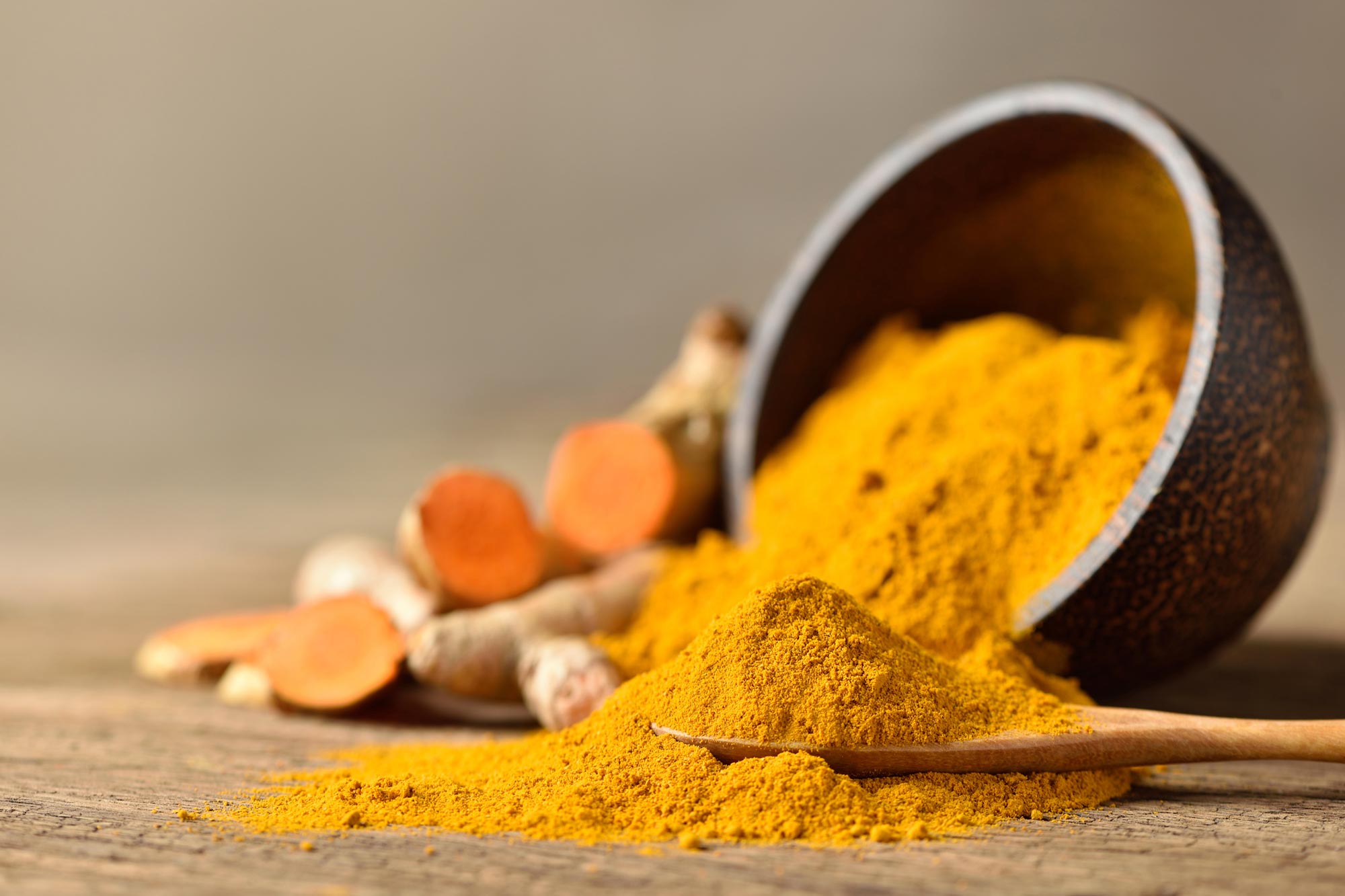
    Turmeric Curcumin Powder Wooden Bowl Spoon
    A compound in turmeric may do more than curb inflammation: in rats with Type 1 diabetes, curcumin appeared to protect blood vessels from changes linked to cardiovascular disease. Credit: Shutterstock

    Curcumin improved blood vessel health in diabetic rats, but human benefits still need to be tested.

    For people with Type 1 diabetes, controlling blood sugar is only part of the challenge. Over time, persistently elevated glucose can damage blood vessels, helping drive a higher risk of cardiovascular disease even when insulin therapy is carefully managed.

    Now, researchers are exploring whether a familiar compound from turmeric could help counter some of that damage. Curcumin, the pigment that gives turmeric its vivid yellow color, is known for its antioxidant and anti-inflammatory properties. In a new rat study, it also appeared to preserve the structure and function of the aorta and improve several cellular processes disrupted by diabetes.

    “Curcumin acts as more than a simple compound found in a spice or an antioxidant. It not only helps to improve blood sugar levels but also reduces inflammation, restores cellular responses, and preserves both structure and function of the aorta in Type 1 diabetes,” said the study’s first author, Swasti Rastogi, a PhD candidate at Florida Institute of Technology.

    The findings, presented in Minneapolis at the 2026 American Physiology Summit, suggest curcumin may influence multiple pathways involved in diabetes-related vascular injury. About 2 million people in the U.S. live with Type 1 diabetes, a lifelong autoimmune disease in which the body cannot produce enough insulin, making cardiovascular complications an important long-term concern.

    Curcumin improved vascular health

    To investigate curcumin’s potential effects, researchers studied rats with Type 1 diabetes and compared animals that received curcumin with diabetic rats that did not. After one month, the curcumin-treated rats had healthier blood vessels that more closely resembled those of rats without diabetes.

    The treatment appeared to lower inflammation, restore normal calcium activity in blood vessels, and rebalance heat shock protein 70, an important protein that diabetes can disrupt. Taken together, these changes suggest that curcumin may help limit the damage diabetes causes to blood vessel structure and function, including the gradual loss of strength and elasticity that can raise the risk of heart disease.

    Human use remains untested

    Turning these results into a treatment for people with Type 1 diabetes would take much more research than simply recommending extra turmeric or curcumin supplements. Because the work was done in rats, clinical studies are still needed to determine whether curcumin can safely benefit people, what dose might be effective, and how it could interact with medications they already take.

    Meeting: 2026 American Physiology Summit

    Never miss a breakthrough: Join the SciTechDaily newsletter.
    Follow us on Google and Google News.

    American Physiological Society Cardiology Diabetes Inflammation Physiology
    Share. Facebook Twitter Pinterest LinkedIn Email Reddit

    Related Articles

    The Secret Heart Benefit of a Common Diabetes Drug

    Treating a Common Dental Infection May Have Effects That Extend Far Beyond the Mouth

    From Vitamin C to Spinach: Researching Ways to Protect Astronaut Cardiovascular Health From Space Radiation

    Two-Thirds of COVID-19 Hospitalizations Are Due to These Four Conditions

    Experimental Drug Finerenone Safely Slows Progression of Diabetic Kidney Disease in Clinical Trial

    New Ketone Supplement Drink May Control Blood Sugar by Mimicking Ketogenic Diet

    Unexpected: People Quite Unique When It Comes To Digesting Fatty Meals

    New Research Shows Glucose Is Not Primary Driver of Inflammation in Type 2 Diabetes

    Scientists Identify Link between Inflammation and Type 2 Diabetes

    2 Comments

    1. Jojo on August 20, 2026 11:38 pm

      “Because the work was done in rats, clinical studies are still needed to determine whether curcumin can safely benefit people, what dose might be effective, and how it could interact with medications they already take.”
      —-
      Uh huh. Which should take maybe another 20 years or so.

      How about we get an AI on the job and run through the testing over the next 6 months?

      Meanwhile, I think I will add some of this to my supplement consumption.

      Reply
    2. Behzad Amir-Ansari on August 22, 2026 5:03 am

      The study, at least as printed in this report, does not say how much of the stuff was fed to the rats. Surely, for the effect to be significant, the dose would need to be substantial, which could have side effects unknown in the long run.

      Reply
    Leave A Reply Cancel Reply

    • Facebook
    • Twitter
    • Pinterest
    • YouTube

    Don't Miss a Discovery

    Subscribe for the Latest in Science & Tech!

    Trending News

    Scientists Simulated the Universe – And Discovered the Milky Way May Be One of the Best Places for Life

    “Something out of Science Fiction” – Astronomers Discover a Star That Glows a Bizarre Shade of Green

    Scientists Discover a Surprising New Effect of a Popular Blood Pressure Drug

    Scientists Discover a 99-Million-Year-Old Insect With a Bizarre Feature Never Seen in Living Species

    Scientists Discover an Unexpected Problem With a Cancer Drug Already in Human Trials

    NASA Is About to Investigate What Lies Beneath a Giant Hole on the Moon

    NASA Captures a Strange Formation on Earth With a Surprising Lunar Connection

    Scientists Discover a Surprising Shortcut to Nuclear Fusion

    Follow SciTechDaily
    • Facebook
    • Twitter
    • YouTube
    • Pinterest
    • Newsletter
    • RSS
    SciTech News
    • Biology News
    • Chemistry News
    • Earth News
    • Health News
    • Physics News
    • Science News
    • Space News
    • Technology News
    Recent Posts
    • 0 to 15 MPH in a Single Swipe: New Research Reveals How Ancient Giant Sea Monsters Ambushed Their Prey
    • Scientists Say a Simple Blood Test Could Reveal Depression
    • Late-Night Snacking Could Be Putting Your Liver at Risk
    • Scientists Discover a Potential Early Warning Sign of Alzheimer’s in Adults As Young as 45
    • 75,000-Year-Old Neanderthal Skeleton Reveals a Mysterious Spear Wound Aimed at the Heart
    Copyright © 1998 - 2026 SciTechDaily. All Rights Reserved.
    • Science News
    • About
    • Contact
    • Editorial Board
    • Privacy Policy
    • Terms of Use

    Type above and press Enter to search. Press Esc to cancel.