
Close Menu
    Facebook X (Twitter) Instagram
    SciTechDaily
    • Biology
    • Chemistry
    • Earth
    • Health
    • Physics
    • Science
    • Space
    • Technology
    Facebook X (Twitter) Pinterest YouTube RSS
    SciTechDaily
    Home»Health»Unexpected: People Quite Unique When It Comes To Digesting Fatty Meals
    Health

    Unexpected: People Quite Unique When It Comes To Digesting Fatty Meals

    By Kim Kaplan, USDA Agricultural Research ServiceSeptember 12, 20191 Comment3 Mins Read
    Facebook Twitter Pinterest Telegram LinkedIn WhatsApp Email Reddit
    Share
    Facebook Twitter LinkedIn Pinterest Telegram Email Reddit
    High Fat Burger Meal
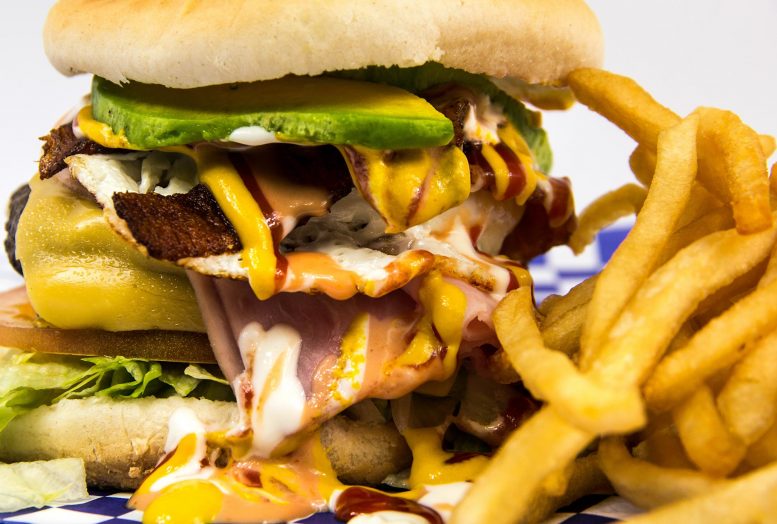
    People have very individualized inflammatory responses to a high-fat meal like the one pictured here.

    People have very individualized inflammatory responses to eating high-fat meals.

    These were the somewhat unexpected results of a study recently published in the Journal of Nutritional Biochemistry by researchers at the Agricultural Research Service and their University of California-Davis colleagues.

    “We looked at the inflammatory reactions of 20 volunteers at 0, 3, and 6 hours after eating a standardized meal containing 38 percent fat and their responses were completely unique. No two were exactly the same,” explained molecular biologist Danielle G. Lemay at the ARS Western Human Nutrition Research Center in Davis, California.

    Inflammation—defined as a group of responses by the body telling white blood cells how much to react—is a normal reaction to eating a meal, especially one with high amounts of fat. Inflammatory responses are not the same as the blood sugar reactions that also follow eating.

    Inflammation is a defense mechanism in the body as the body’s attempt at self-protection. It also is part of the body’s immune response.

    Each volunteer in the study had both a unique amount of inflammatory response and a unique amount of time for when the responses peaked, up to 6 hours after eating (8 or more hours is considered fasting by nutritionists).

    The researchers used a very sensitive test to look at whether any genes in the human genome were turned off or on in order to define a volunteer’s reactions. Responses by more than 13,000 genes differed between subjects.

    The test meal was equivalent to someone having a small hamburger, small fries, and a small ice cream shake with fruit, according to the scientists.

    “Eating a meal with this amount of fat is OK one or two days a week even considering the effect on inflammation. But in a lifetime of meal choices, eating like this every day could do some damage to a person’s body,” said Lemay.

    Inflammation is associated with a whole host of conditions such as asthma, diabetes, peptic ulcers, rheumatoid arthritis, and many others.

    One reason these results are so fascinating is the growing interest in personalized nutrition.

    “We need to understand what the variability is between people before we can consider starting to set different requirements in diets,” Lemay said.

    Reference: “Temporal changes in postprandial blood transcriptomes reveal subject-specific pattern of expression of innate immunity genes after a high-fat meal” by Danielle G Lemay, Shurong Huang, Liping Huang, Zeynep Alkan, Catherine Kirschke, Dustin J Burnett, Yining E Wang and Daniel H Hwang, 21 June 2019, Journal of Nutritional Biochemistry.
    DOI: 10.1016/j.jnutbio.2019.06.007

    Never miss a breakthrough: Join the SciTechDaily newsletter.
    Follow us on Google and Google News.

    Agricultural Research Service Biochemistry Inflammation Nutrition Physiology US Department of Agriculture
    Share. Facebook Twitter Pinterest LinkedIn Email Reddit

    Related Articles

    Drinking a Strong Coffee 30 Minutes Before Exercising Increases Fat-Burning

    From Vitamin C to Spinach: Researching Ways to Protect Astronaut Cardiovascular Health From Space Radiation

    New Discovery Explains Blood Pressure-Lowering Properties of Green and Black Tea

    Vitamin B6 May Calm COVID-19’s Cytokine Storms and Unclog Blood Clots Linked to Lethality

    Intermittent Fasting Improves Health Without Altering the Body’s Core Clock

    Removing Belly Fat Before It Sticks to You: University Researchers Produce Fat-Busting Proteins

    Most Widely Used Cooking Oil Causes Genetic Changes in the Brain

    New Ketone Supplement Drink May Control Blood Sugar by Mimicking Ketogenic Diet

    NASA Scientists Share Microgravity Bone Research

    1 Comment

    1. Susan on September 13, 2019 3:17 am

      I would be very interested to see a study published on the personal effects of a high fat plant bases diet.

      Reply
    Leave A Reply Cancel Reply

    • Facebook
    • Twitter
    • Pinterest
    • YouTube

    Don't Miss a Discovery

    Subscribe for the Latest in Science & Tech!

    Trending News

    The Universe Is Expanding Too Fast and Scientists Can’t Explain Why

    “Like Liquid Metal”: Scientists Create Strange Shape-Shifting Material

    Early Warning Signals of Esophageal Cancer May Be Hiding in Plain Sight

    Common Blood Pressure Drug Shows Surprising Power Against Deadly Antibiotic-Resistant Superbug

    Scientists Uncover Dangerous Connection Between Serotonin and Heart Valve Disease

    Scientists Discover a “Protector” Protein That Could Help Reverse Hair Loss

    Bone-Strengthening Discovery Could Reverse Osteoporosis

    Scientists Uncover Hidden Trigger Behind Stem Cell Aging

    Follow SciTechDaily
    • Facebook
    • Twitter
    • YouTube
    • Pinterest
    • Newsletter
    • RSS
    SciTech News
    • Biology News
    • Chemistry News
    • Earth News
    • Health News
    • Physics News
    • Science News
    • Space News
    • Technology News
    Recent Posts
    • Scientists Overcome Major Quantum Bottleneck, Potentially Transforming Teleportation and Computing
    • Quantum Physics’ Strangest Problem May Hold the Key to Time Itself
    • Scientists Create “Liquid Gears” That Spin Without Touching
    • The Simple Habit That Could Help Prevent Cancer
    • Forgotten Medicinal Plant Shows Promise in Fighting Dangerous Superbugs
    Copyright © 1998 - 2026 SciTechDaily. All Rights Reserved.
    • Science News
    • About
    • Contact
    • Editorial Board
    • Privacy Policy
    • Terms of Use

    Type above and press Enter to search. Press Esc to cancel.