
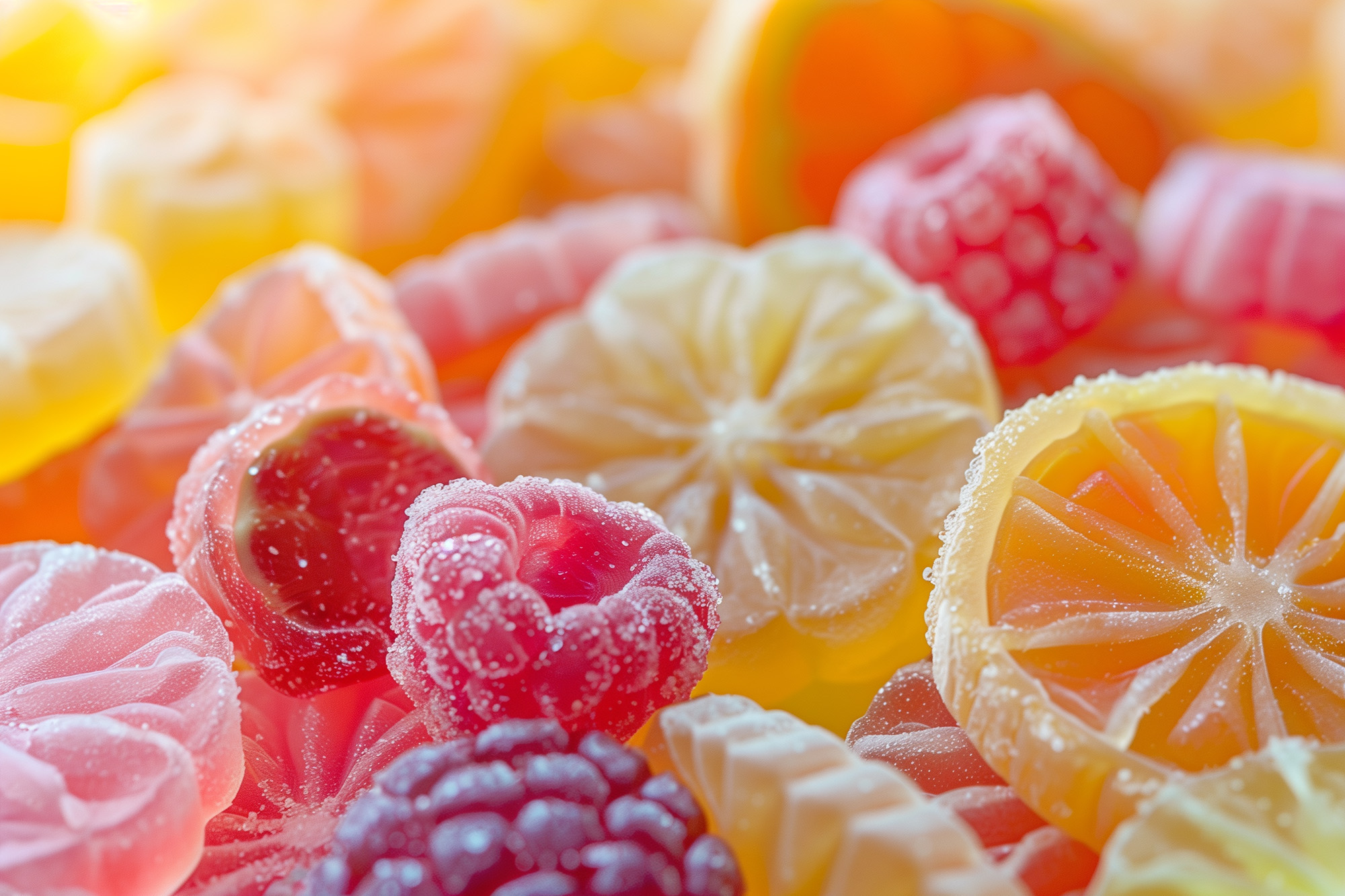
Ditch the gummies – Research from UMass Amherst reveals that dried fruit tops the chart for nutritional value.
Next time you’re packing lunch for your kid or reaching for a healthy afternoon bite, consider this: only three types of fruit snacks – dried fruit, fruit puree, and canned fruit with juice – meet the latest recommendations for high-nutrition snacks set by federal dietary guidelines, according to research by University of Massachusetts Amherst food scientists.
Of all the commercially available fruit snacks, defined by the USDA as “products made with fruit and fruit juices, which may or may not contain added sugar, artificial colors and flavors, and preservatives,” the UMass Amherst team found that dried fruit has the best overall nutritional profile – the highest nutrient density and fiber content, and the lowest added sugar.
Evaluating Fruit Snacks
Conversely, fruit-flavored snacks such as gummies have the lowest nutrient density and fiber content and the highest amount of added sugar. Other fruit snack options with low nutrient density include canned fruit packed in something other than juice, and dried flavored fruit, both of which contain higher amounts of added sugar. The food comparison study, led by food scientists Amanda Kinchla, extension professor, and Alissa Nolden, assistant professor, was published recently in the journal Nutrients.

While eating a piece of fresh fruit is undoubtedly the healthiest option, 80% of the U.S. population does not consume the daily amount of fruit servings (five) recommended by federal dietary guidelines. So, one strategy for consumers to increase fruit in their diet is to choose nutrient-dense fruit snacks.
“It’s not fresh fruit but the snacking products that people are more customarily consuming,” Kinchla says.
The researchers decided to investigate which fruit snacks are the most nutritious – the first time this type of study was undertaken. They collected and analyzed nutritional content for 1,497 fruit snacks, using the Mintel Global New Products Database, accessed through UMass Libraries. For their study, the team defined fruit snacks as “non-frozen, non-beverage food products mainly made with fruit ingredients.”
They used the Nutrient Rich Foods (NRF) Index, which calculates an overall nutrition quality score based on the nutrient profile of foods, to compare the healthfulness of fruit snacks. This model considers nutrients that are desirable – protein, dietary fiber, potassium, vitamin D, calcium, iron – as well as those that are recommended to be limited in the diet – saturated fat, cholesterol, added sugar, and sodium – to assess the overall nutrient quality of each fruit snack.
“We were trying to connect the dots between all the nutrients, which is the advantage of the NRF – to be able to look at multiple nutrients at the same time,” Nolden says.
Study Findings and Recommendations
The team classified the fruit snacks into nine different categories: dried fruit, fruit-based bar, dried flavored fruit, canned fruit, fruit-flavored snack, fruit puree, fruit chips, formed fruit, and canned fruit with juice.
In addition, they looked not only at the nutritional value per serving size but also calculated added sugar and fiber content based on the FDA’s Reference Amount Customarily Consumed (RACC) per eating occasion to balance the serving variability among different fruit snack categories.

Their goal was to determine the healthfulness of fruit snacks and see where improvements could be made.
“With Alissa’s consumer insight and understanding of perceptions and sensory analysis, we can try to understand consumers’ acceptance and limitations and then design foods that would better cater to that, so that we can then bolster health and wellness platforms,” Kinchla says.
The paper concludes, “Reformulation of fruit snacks is needed… Formed fruit and fruit-based bars could be lower in added sugar to become a more nutritious fruit snack option. Canned fruit [with added sugar] and fruit-flavored snacks need more reformulation, as they are low in nutrient density and fiber content and high in added sugar. Improving the nutritional quality of fruit snacks can facilitate smart snacking choices.
“Future direction for the fruit snack category should consider decreasing added sugar content, increasing fiber content, and enhancing sensory profile to improve the overall nutrient density.”
Reference: “Nutrient Density, Added Sugar, and Fiber Content of Commercially Available Fruit Snacks in the United States from 2017 to 2022” by Hao Fu, Chi Hyun Lee, Alissa A. Nolden and Amanda J. Kinchla, 17 January 2024, Nutrients.
DOI: 10.3390/nu16020292
Never miss a breakthrough: Join the SciTechDaily newsletter.
Follow us on Google and Google News.