

Milk is nutrient-rich, but alternatives are available for those who don’t drink it.
Cow’s milk is an excellent source of calcium which, along with vitamin D, is needed to build strong, dense bones.
Milk also contains protein, the minerals phosphorus, potassium, zinc, and iodine, and vitamins A, B2 (riboflavin), and B12 (cobalamin).
As a child, I drank a lot of milk. It was delivered in pint bottles to our front steps each morning. I also drank a third of a pint before marching into class as part of the free school milk program. I still love milk, which makes getting enough calcium easy.
Of course, many people don’t drink milk for a number of reasons. The good news is you can get all the calcium and other nutrients you need from other foods.

What Foods Contain Calcium?
Dairy products such as cheese and yogurt are rich in calcium, while non-dairy foods including tofu, canned fish with bones, green leafy vegetables, nuts, and seeds contain varying amounts.
Some foods are fortified with added calcium, including some breakfast cereals and soy, rice, oat, and nut “milks.” Check their food label nutrition information panels to see how much calcium they contain.
However, it’s harder for your body to absorb calcium from non-dairy foods. Although your body does get better at absorbing calcium from plant foods, and also when your total calcium intake is low, the overall effect means if you don’t have dairy foods, you may need to eat more foods that contain calcium to maximize your bone health.

How Much Calcium Do You Need?
Depending on your age and sex, the daily calcium requirements vary from 360 milligrams per day to more than 1,000 mg for teens and older women.
One 250ml cup of cow’s milk contains about 300mg of calcium, which is equivalent to one standard serve. This same amount is found in:
- 200 grams of yogurt
- 250 ml of calcium-fortified plant milk
- 100 grams of canned pink salmon with bones
- 100 grams of firm tofu
- 115 grams of almonds.
The recommended number of daily serves of dairy and non-dairy alternatives varies:
- children should have between 1 and 3.5 serves a day, depending on their age and sex
- women aged 19 to 50 should have 2.5 serves a day, then 4 serves when aged over 50
- men aged 19 to 70 should have 2.5 serves a day, then 3.5 serves when aged over 70.
However, the average Australian intake is just 1.5 serves per day, with only one in ten achieving the recommendations.
What Other Nutrients Do You Need?
If you don’t drink milk, the challenge is getting enough nutrients to have a balanced diet. Here’s what you need and why.
Protein
Food sources: meat, poultry, fish, eggs, nuts, seeds, legumes, dried beans, and tofu.
Needed for growth and repair of cells and to make antibodies, enzymes, and make specific transport proteins that carry chemical messages throughout the body.
Phosphorus
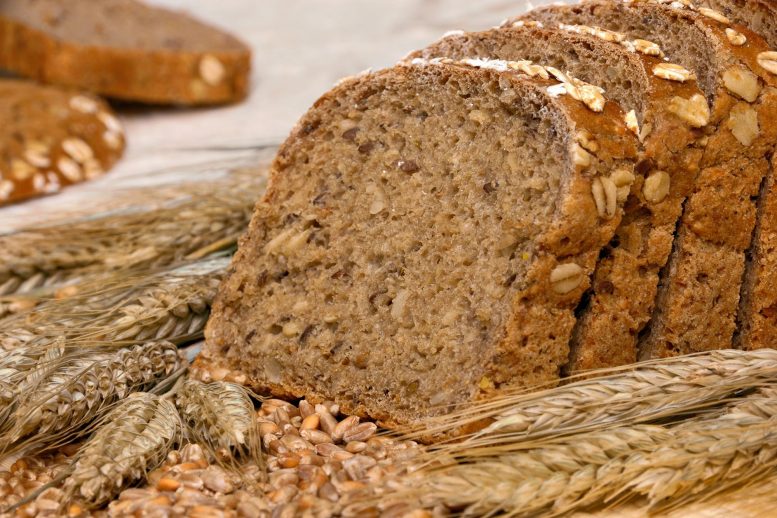
Food sources: meat, poultry, seafood, nuts, seeds, wholegrains, dried beans, and lentils.
Builds bone and teeth, supports growth and repair of cells, and is needed for energy production.
Potassium
Food sources: leafy green vegetables (spinach, silverbeet, kale), carrots, potatoes, sweet potatoes, pumpkin, tomatoes, cucumbers, zucchini, eggplant, beans and peas, avocados, apples, oranges, and bananas.
Needed to activate cells and nerves. Maintains fluid balance and helps with muscle contraction and regulation of blood pressure.
Zinc
Food sources: lean meat, chicken, fish, oysters, legumes, nuts, wholemeal, and wholegrain products.
Helps with wound healing and the development of the immune system and other essential functions in the body, including taste and smell.
Iodine
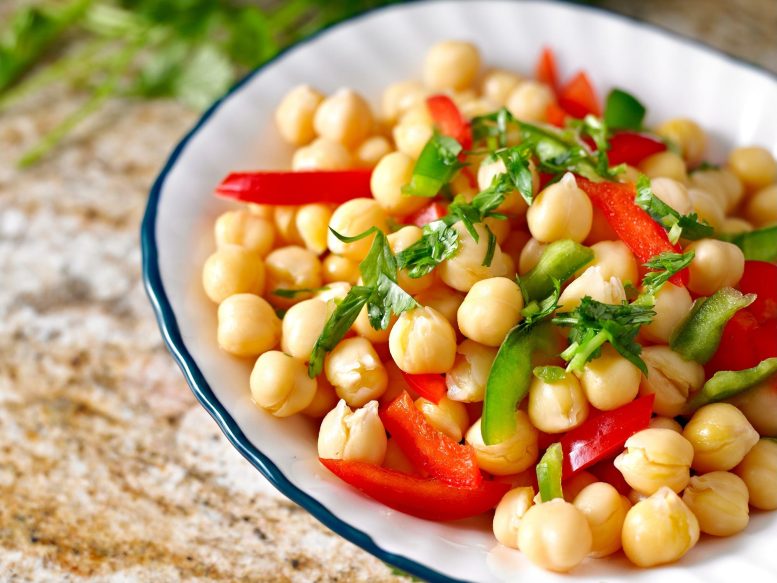
Food sources: fish, prawns, other seafood, iodized salt, and commercial breads.
Needed for normal growth, brain development and used by the thyroid gland to make the hormone thyroxine, which is needed for growth and metabolism.
Vitamin A
Food sources: eggs, oily fish, nuts, seeds. (The body can also make vitamin A from beta-carotene in orange and yellow vegetables and green leafy vegetables.)
Needed for antibody production, maintenance of healthy lungs and gut, and for good vision.
Vitamin B2 (riboflavin)
Food sources: wholegrain breads and cereals, egg white, leafy green vegetables, mushrooms, yeast spreads, meat.
Needed to release energy from food. Also supports healthy eyesight and skin.
Vitamin B12 (cobalamin)
Food sources: meat, eggs, and most foods of animal origin, some fortified plant milks, and fortified yeast spreads (check the label).
Needed to make red blood cells, DNA (your genetic code), myelin (which insulate nerves) and some neurotransmitters needed for brain function.
When Might You Need To Avoid Milk?
Reasons why people don’t drink milk range from taste, personal preferences, animal welfare or environmental concerns. Or it could be due to health conditions or concerns about intolerance, allergy, and acne.

Lactose intolerance
Lactose is the main carbohydrate in milk. It’s broken down in the simple sugars by an enzyme in the small intestine called lactase.
Some people are born without the lactase enzyme or their lactase levels decrease as they age. For these people, consuming foods containing a lot of lactose means it passes undigested along the gut and can trigger symptoms such as bloating, pain, and diarrhea.
Research shows small amounts of lactose – up to 15 grams daily – can be tolerated without symptoms, especially if spread out over the day. A cup of cow’s milk contains about 16 grams of lactose, while a 200g tub of yogurt contains 10g, and 40g cheddar cheese contains less than 1g.
Cow’s milk allergy
Cow’s milk allergy occurs in about 0.5-3% of one year olds. By age five, about half are reported to have grown out of it, and 75% by adolescence. However, one survey found 9% of pre-school children had severe allergy with anaphylaxis.
Symptoms of cow’s milk allergy include hives, rash, cough, wheeze, vomiting, diarrhea, or swelling of the face.
Symptom severity varies, and can happen immediately or take a few days to develop. If a reaction is severe, call 000, as it can be a medical emergency.
Acne
The whey protein in cow’s milk products, aside from cheese, triggers an increase in insulin, a hormone that transports blood sugar, which is released into the bloodstream.
Meanwhile, milk’s casein protein triggers an increase in another hormone, called insulin-like growth factor (IGF), which influences growth.
These two reactions promote the production of hormones called androgens, which can lead to a worsening of acne.
If this happens to you, then avoid milk, but keep eating hard cheese, and eat other foods rich in calcium regularly instead.
While milk can be problematic for some people, for most of us, drinking milk in moderation in line with recommendations is the way to go.
Written by Clare Collins, Laureate Professor in Nutrition and Dietetics, University of Newcastle.
This article was first published in The Conversation.
Never miss a breakthrough: Join the SciTechDaily newsletter.
Follow us on Google and Google News.