
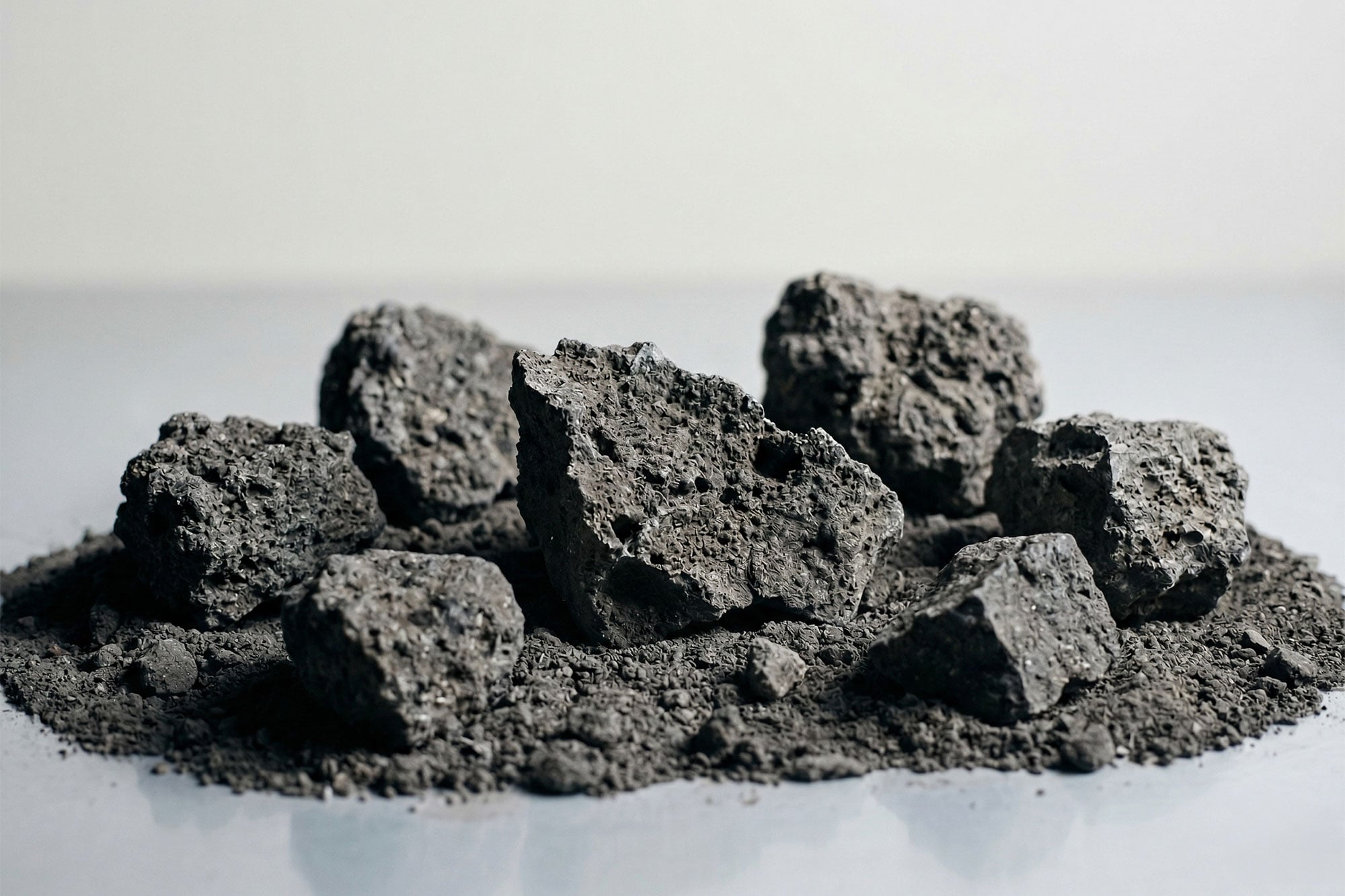
Decades after being sealed away, Apollo-era lunar samples are revealing unexpected chemical signatures that challenge long-standing assumptions about the Moon’s composition.
When NASA’s final Apollo astronauts returned from the Moon in 1972, some of the material they collected was sealed and set aside. Scientists hoped that future generations, equipped with better technology, would be able to study these untouched samples in new ways.
That moment has arrived. A team led by a Brown University researcher has reexamined material from Apollo 17 and uncovered an unexpected chemical signal. Writing in the Journal of Geophysical Research: Planets, the scientists describe unusual sulfur compounds in rocks from the Taurus-Littrow region.
The volcanic material contains sulfur that is strongly depleted in sulfur-33 (or 33S), one of four stable sulfur isotopes. According to the team, these values are very different from what is typically measured in rocks on Earth.
Elements can carry unique “fingerprints” based on their isotope ratios, which reflect small differences in atomic mass. When two samples share the same pattern, it usually means they formed from the same source.
Scientists have long known that Earth and the Moon share similar oxygen isotope signatures. Because of that, many researchers assumed sulfur isotopes would also match. That expectation did not hold up in this case, said James Dottin, an assistant professor of Earth, environmental, and planetary sciences at Brown and lead author of the study.
“Before this, it was thought that the lunar mantle had the same sulfur isotope composition as Earth,” Dottin said. “That’s what I expected to see when analyzing these samples, but instead we saw values that are very different from anything we find on Earth.”
A Pristine Sample from Apollo 17
The material Dottin studied came from a double drive tube, a hollow metal cylinder pushed about 60 centimeters (about 24 inches) into the lunar surface by Apollo 17 astronauts Gene Cernan and Harrison Schmitt.
After returning to Earth, NASA sealed the tube in a helium environment to keep it unchanged for future research through the Apollo Next Generation Sample Analysis (ANGSA) program.
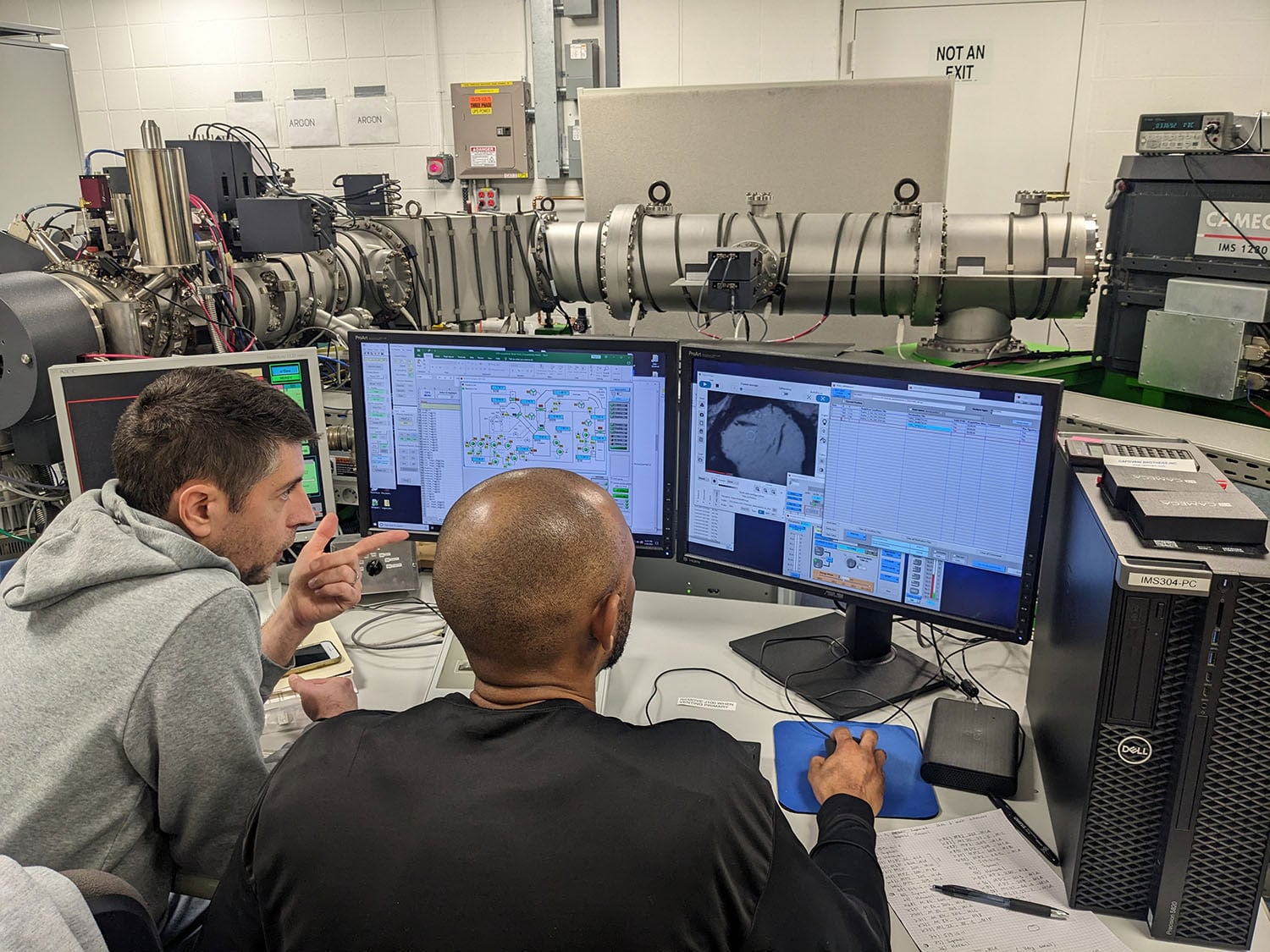
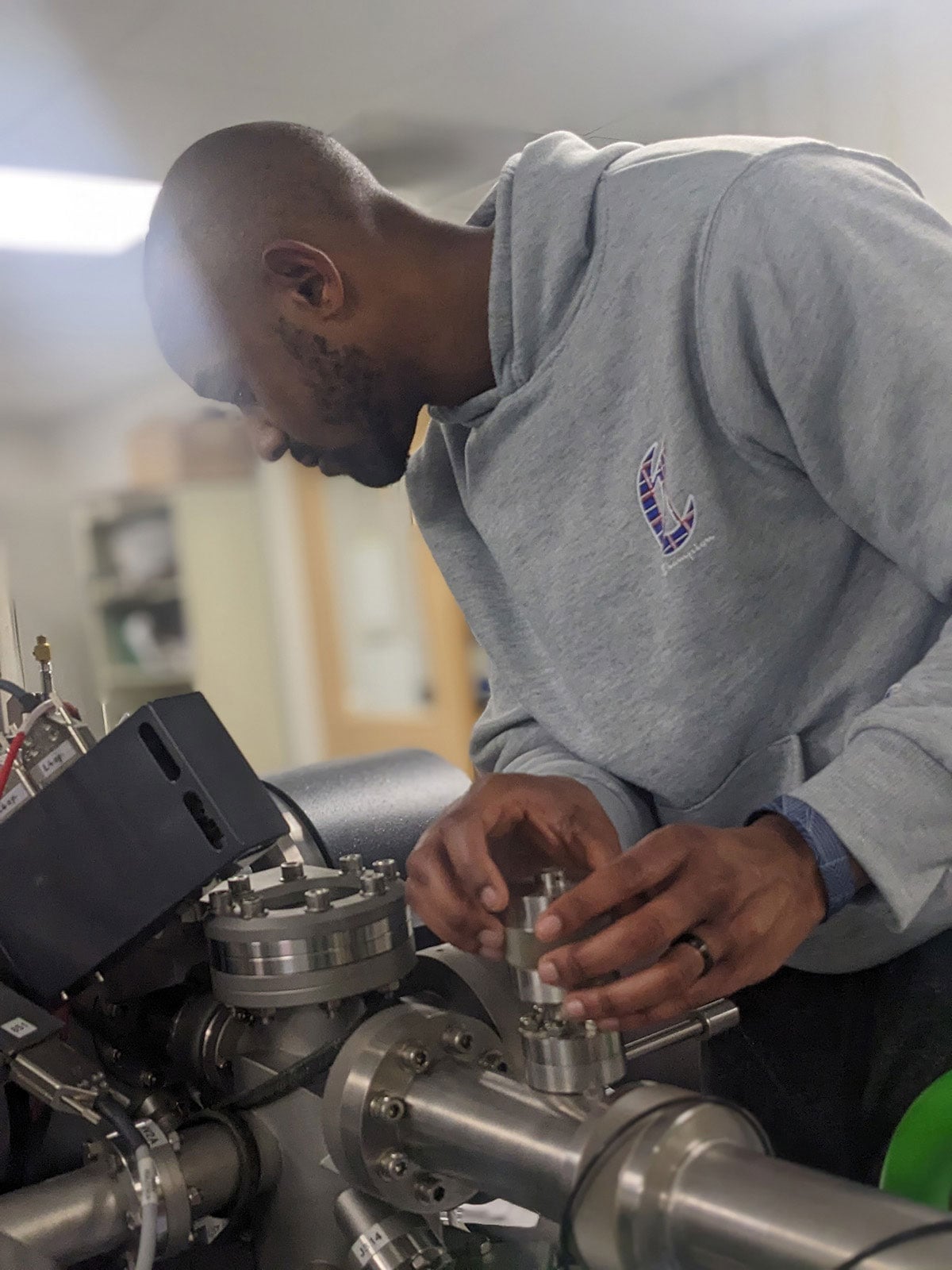
In recent years, NASA has opened these samples to scientists through a competitive selection process. With support from LunaSCOPE, Brown’s lunar research consortium, Dottin used secondary ion mass spectrometry to measure sulfur isotopes. This high-precision technique was not available when the samples first arrived on Earth.
He focused on portions of the core that appeared to contain volcanic rock from deep within the Moon. “I was targeting sulfur that had a texture that would suggest it was erupted with the rock and not added through a different process,” he said.
Possible Explanations
The results were stunning. The isotope ratios differed far more than expected from anything seen on Earth.
“My first thought was, ‘Holy shmolies, that can’t be right,’” Dottin said. “So we went back to make sure we had done everything properly, and we had. These are just very surprising results.”
Dottin suggests two main explanations. One possibility traces back to the Moon’s early environment. Sulfur that interacts with ultraviolet light in a thin atmosphere can develop low 33S levels. Scientists think the Moon once had a brief atmosphere that could have allowed this type of chemistry to occur.
If so, it would point to a process that moved material from the surface down into the lunar interior.
“That would be evidence of ancient exchange of materials from the lunar surface to the mantle,” Dottin said. “On Earth, we have plate tectonics that does that, but the Moon doesn’t have plate tectonics. So this idea of some kind of exchange mechanism on the early Moon is exciting.”
Another explanation looks even further back, to the Moon’s origin. The leading theory proposes that a Mars-sized body called Theia collided with Earth, producing debris that later formed the Moon. If Theia had a very different sulfur composition, that signature may still be preserved inside the lunar mantle.
For now, the data do not clearly favor one explanation over the other. Dottin hopes that future studies, including comparisons with samples from Mars and other planetary bodies, will help resolve the mystery. Understanding these isotope patterns could offer new clues about how the Moon and the rest of the solar system came to be.
Reference: “Endogenous, yet Exotic, Sulfur in the Lunar Mantle” by J. W. Dottin, S. B. Simon, C. K. Shearer, J. Benson, H. Fu, J. S. Boesenberg, B. Monteleone and the ANGSA Science Team, 10 September 2025, Journal of Geophysical Research: Planets.
DOI: 10.1029/2024JE008834
Funding: NASA SSERVI
Never miss a breakthrough: Join the SciTechDaily newsletter.
Follow us on Google and Google News.
3 Comments
Turns out the Moon rocks were, in fact, collected from hills around Hollywood…
The essence of immaturity is the inability to recognize it.
And iron isotope ratios?