
Scientists may have been dramatically undercounting the number of vertebrate species on Earth.
A large analysis of more than 300 studies suggests that for every recognized species of fish, bird, mammal, reptile, or amphibian, there may be two additional “cryptic” species that look almost identical but are genetically distinct.
Hidden Species May Greatly Increase Known Vertebrate Diversity
A new study led by researchers at the University of Arizona suggests that the number of vertebrate species on Earth may be far higher than scientists currently recognize. On average, the researchers found that each known vertebrate species may actually represent three distinct species, including two previously unrecognized ones known as “cryptic” species. These hidden species are difficult to distinguish visually but are genetically separate. If many such species remain unidentified, global biodiversity may be significantly underestimated, complicating conservation efforts.
“Each species that you and I can see and recognize as distinct may actually be hiding two different species, on average,” said John Wiens, senior author of the paper and a professor in the University of Arizona Department of Ecology and Evolutionary Biology in the College of Science. “This means that across vertebrates, there may be twice as many species as we previously thought, and many of these hidden species could already be at risk of extinction.”
How Scientists Identify Cryptic Species
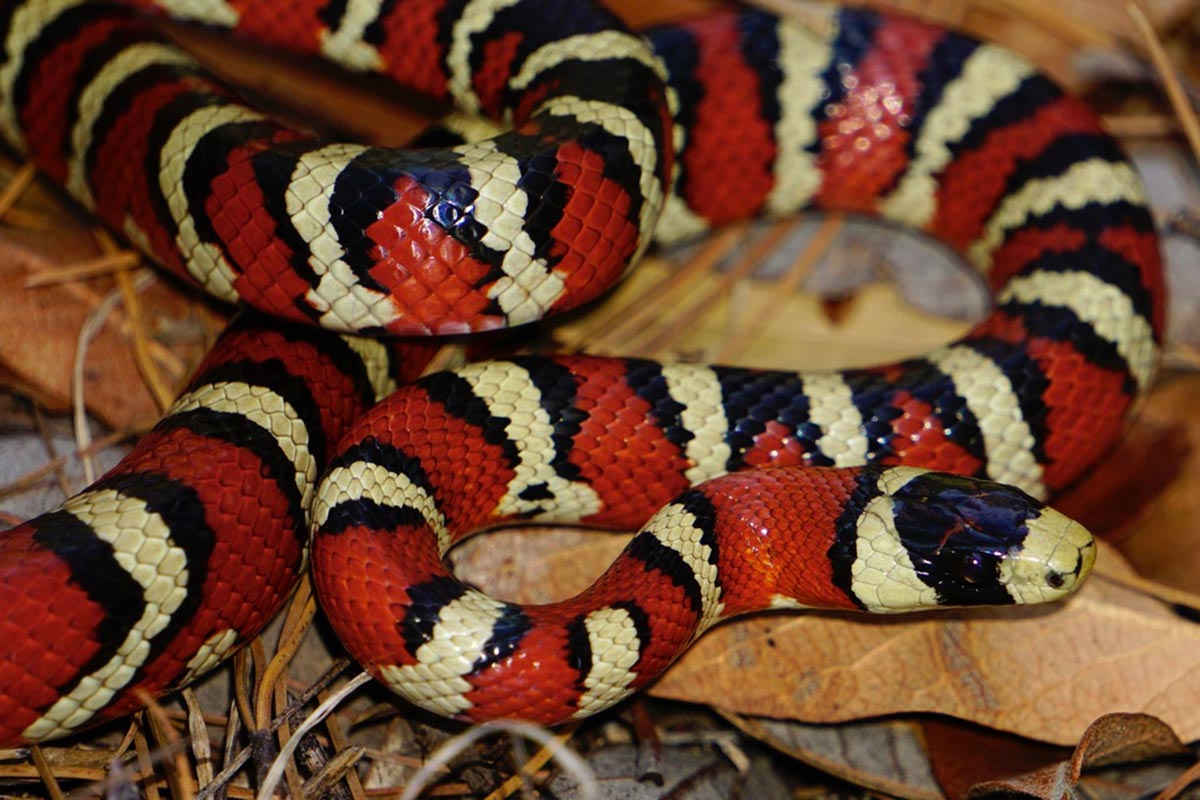
Scientists traditionally classify animal species based on visible traits, known as morphological features. Differences in color patterns, body shape, or scale arrangement often help researchers tell species apart. For example, snake species may be distinguished by their unique markings or physical proportions.
Cryptic species complicate this approach because they appear nearly identical to one another. Although they may look the same externally, genetic evidence reveals that they belong to different evolutionary lineages and have developed separately over long periods of time.
“Many of these cryptic species have likely been evolving separately for a million years or more,” said Wiens. “So, their DNA tells us that they’ve been distinct for a long time, even if they look identical.”
DNA Sequencing Reveals Hidden Diversity
Advances in molecular sequencing have made it much easier and more affordable for scientists to analyze DNA from different populations. As genetic comparisons become more common, researchers are increasingly identifying cryptic species that were previously overlooked.
Wiens said the most surprising finding was how consistently this pattern appears across many types of vertebrates. “On average, morphologically based species of fishes, birds, mammals, reptiles, amphibians, and other vertebrate groups all seemed to be hiding around two cryptic species.”
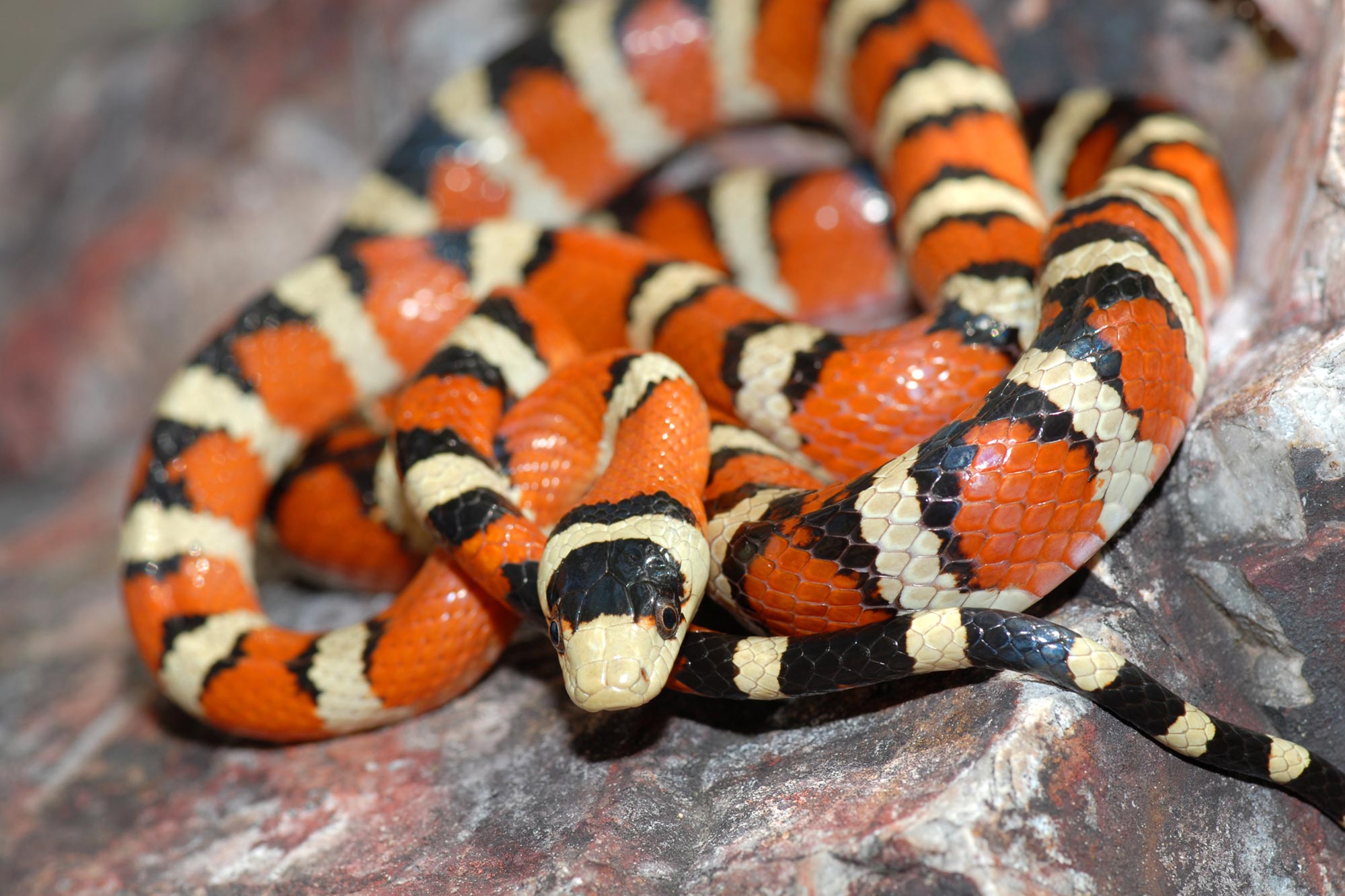
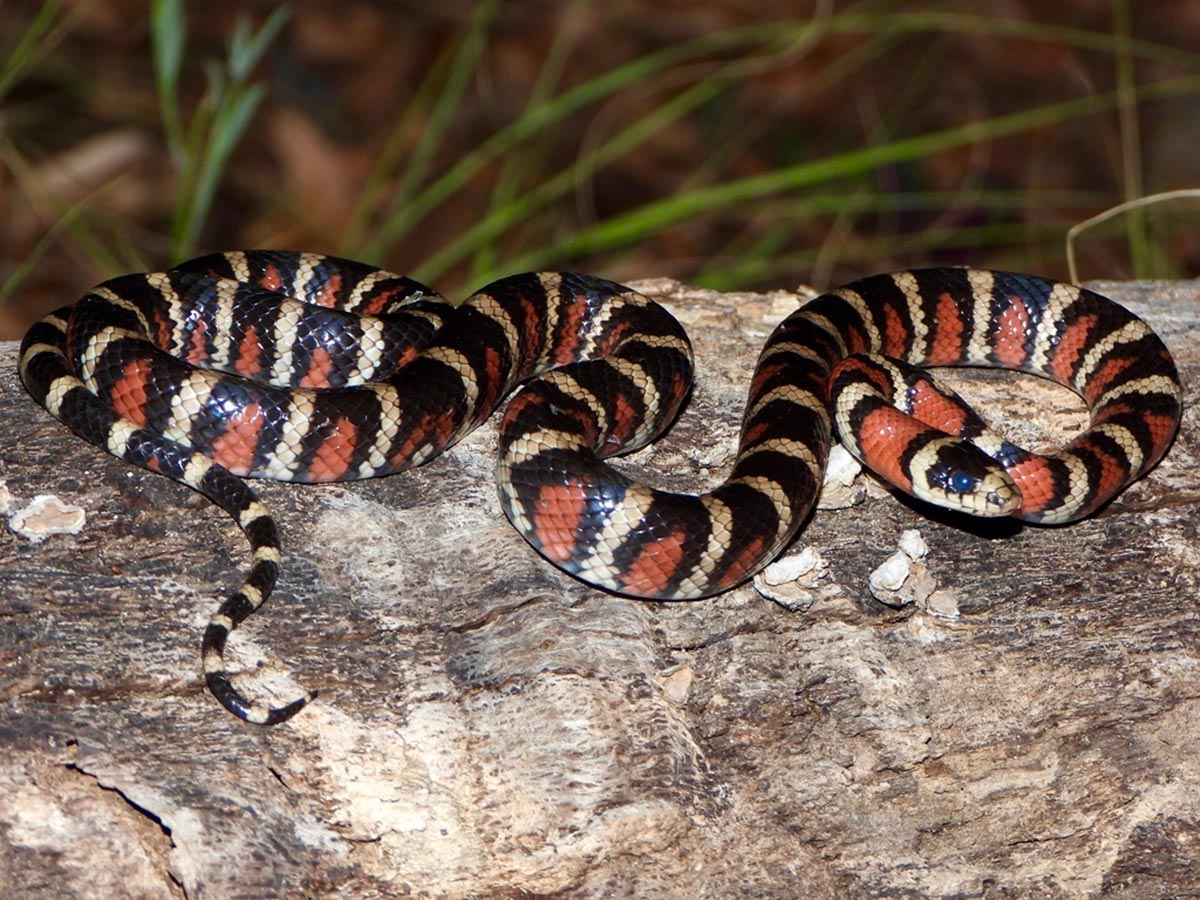
A well-known example comes from Arizona. For years, scientists believed that mountain kingsnakes living across the state were part of the same species because they looked so similar. In 2011, however, molecular studies showed that snakes from Northern Arizona were genetically different from those in the south. The southern population was reclassified as its own species, Lampropeltis knoblochi, while the northern snakes retained the name Lampropeltis pyromelana.
“If you compare those two mountain kingsnakes, they all look pretty much the same with their red, black, and yellow-white stripes,” said Yinpeng Zhang, a graduate student in the Department of Ecology and Evolutionary Biology and the paper’s first author. “But the molecular data show that there are distinct but cryptic northern and southern species.”
Reviewing Hundreds of Scientific Studies
Zhang began thinking about the project about three years ago after noticing that many taxonomy studies were reporting genetically distinct species that were visually indistinguishable. He realized that researchers had never systematically measured how widespread this phenomenon might be across vertebrates.
To investigate, the research team compiled results from more than three hundred studies conducted by scientists around the world.
“There aren’t many research groups focused purely on cryptic species,” Zhang said. “Most people discover them as a byproduct of other biodiversity or taxonomy studies rather than as the main goal.”
The team also evaluated different techniques used to estimate the number of cryptic species, creating a framework that could help guide future research.
Why Cryptic Species Matter for Conservation
The implications of these findings extend beyond classification. According to Zhang and Wiens, recognizing hidden species could significantly change how conservation strategies are designed.
When a species that was once thought to be widespread is split into several distinct cryptic species, each one typically occupies a smaller geographic range. That reduced range can increase the risk of extinction.
“People have generally found that the smaller a species’ range size is, the more likely that species is to go extinct,” said Wiens.
Wiens said the first step toward protecting these species is formally recognizing and naming them.
“Even though hundreds of molecular studies have uncovered hundreds of cryptic species, very few have been formally described or named,” said Wiens. “That leaves these species without official recognition or legal protection.”
Another concern is that conservation programs could unintentionally mix different species if they are not properly identified. Zhang noted that breeding programs designed to boost population numbers might pair individuals from separate cryptic species without realizing it.
“Hidden diversity is an important consideration to make in our conservation efforts,” Zhang said.
For the researchers, the takeaway is straightforward.
“If we don’t know a species exists, then we can’t protect it,” Wiens said.
Reference: “Cryptic species are widespread across vertebrates” by Yinpeng Zhang and John J. Wiens, 4 February 2026, Proceedings of the Royal Society B: Biological Sciences.
DOI: 10.1098/rspb.2025.2377
Never miss a breakthrough: Join the SciTechDaily newsletter.
Follow us on Google and Google News.
1 Comment
Are these species all unable to produce fertile hybrid offspring?