

Millions of women are seeking health advice on gynecologic cancers through the social media app TikTok. However, a recent study from The Ohio State University Comprehensive Cancer Center – Arthur G. James Cancer Hospital and Richard J. Solove Research Institute, published in Gynecologic Oncology, reveals that much of this information is either misleading or dramatically incorrect.
Social Media’s Double-Edged Sword
Senior study author Laura Chambers, DO, says this highlights the power of social media to feed misinformation that could be harmful to patient health outcomes, but it also presents an opportunity to address gaps less likely to come up during a clinic appointment.
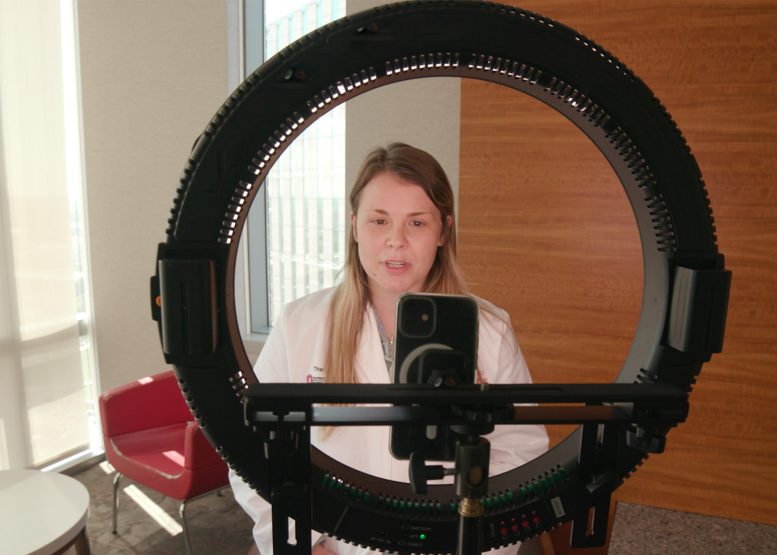
Chambers was interested in learning more about the unspoken concerns of her patients, who are often mothers and young women. She wanted to understand how these patients were using social media, what information they were sharing, and how they were consuming that information.
Millions of women are turning to the social media platform TikTok for health advice related to gynecologic cancers, but the majority of that information is misleading or dramatically inaccurate, according to a new study published by The Ohio State University Comprehensive Cancer Center – Arthur G. James Cancer Hospital and Richard J. Solove Research Institute in the journal Gynecologic Oncology. Credit: The Ohio State University Comprehensive Cancer Center – Arthur G. James Cancer Hospital and Richard J. Solove Research Institute
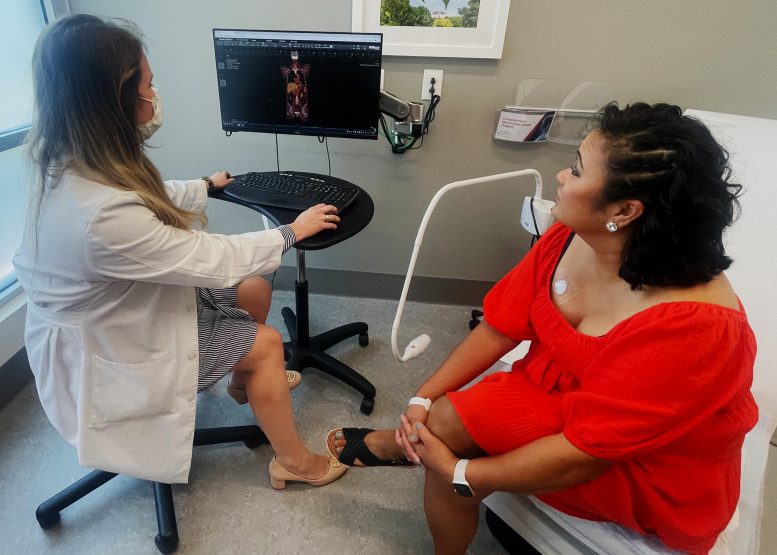
“The intent of this study was to understand the needs of patients that may go unspoken in the clinic but represent gaps in care that need addressing,” says Chambers, an osteopathic physician at the OSUCCC – James. “As doctors, we are focused on treatment toxicities and patient outcomes, but many of our patients are navigating really difficult challenges at home – like figuring out how to show their child love and attention when they are going through fatiguing treatments.”
Study Methodology and Findings
For this new study, the team systematically searched for the 500 most popular TikTok posts and analyzed the top five hashtags for each related to gynecologic cancer (ovarian, endometrial, cervical, and vulvar cancers, as well as gestational trophoblastic disease) for key themes, quality of information and reliability of gynecologic cancer-related content on the social media platform, TikTok. Demographic information, message tone, and thematic topics were collected.
Educational videos were rated for quality using an established health education information scale. As of August 2022, the top five hashtags for each gynecologic cancer had more than 466 million views.
The researchers found that, overall, the quality of the information being shared through TikTok was poor and at least 73% of the content was inaccurate and of poor educational quality. Racial disparities in gynecologic cancer extended into this social media space.
“This data inspired a lot of questions about where to go next in addressing these inaccuracies and communicating with patients directly, especially focusing on opportunities to create more diverse content to overcome racial and cultural disparities related to treatment of these cancers,” says Chambers.
“The vulnerability shown in social media content around personal cancer journeys is inspiring, but this data really encourages us to ask, as a medical community, how we can provide a care environment that encourages that kind of trust and real conversation with patients? And what can we do, as a broader community, to provide quality health information and support services to patients seeking information about gynecologic cancers?”
Chambers encourages patients who desire a community of like-minded people going through similar experiences to seek out in-person and online support communities sponsored by reputable medical and patient advocacy organizations.
Reference: ““More than a song and dance”: Exploration of patient perspectives and educational quality of gynecologic cancer content on TikTok” by Molly Morton, Paulina J. Haight, Wafa Khadraoui, Floor Backes, Kristin Bixel, David M. O’Malley, Christa Nagel and Laura M. Chambers, 15 June 2023, Gynecologic Oncology.
DOI: 10.1016/j.ygyno.2023.06.004
These findings were also presented in two poster presentations at the 2023 Annual Meeting for the Society of Gynecologic Oncology in Tampa, Florida.
Never miss a breakthrough: Join the SciTechDaily newsletter.
Follow us on Google and Google News.
3 Comments
The tic is a fun diversion for entertainment for the eyes and ears but has very little to do with a parsons real wellbeing, having a desire to experiment with others twisted minds finds a place of physiological damage that could use some tending.
correction not parson it is persons
It’s a stark reminder of the pitfalls of seeking medical advice on social media platforms like TikTok, where misinformation can easily be spread. Everyone wants to be an expert these days but it’s always bust to seek advice from a trained medial professional. Very interesting read. Thanks!