
Close Menu
    Facebook X (Twitter) Instagram
    SciTechDaily
    • Biology
    • Chemistry
    • Earth
    • Health
    • Physics
    • Science
    • Space
    • Technology
    Facebook X (Twitter) Pinterest YouTube RSS
    SciTechDaily
    Home»Space»Soyuz MS-25 Launch to International Space Station Scrubbed
    Space

    Soyuz MS-25 Launch to International Space Station Scrubbed

    By NASAMarch 22, 2024No Comments4 Mins Read
    Facebook Twitter Pinterest Telegram LinkedIn WhatsApp Email Reddit
    Share
    Facebook Twitter LinkedIn Pinterest Telegram Email Reddit
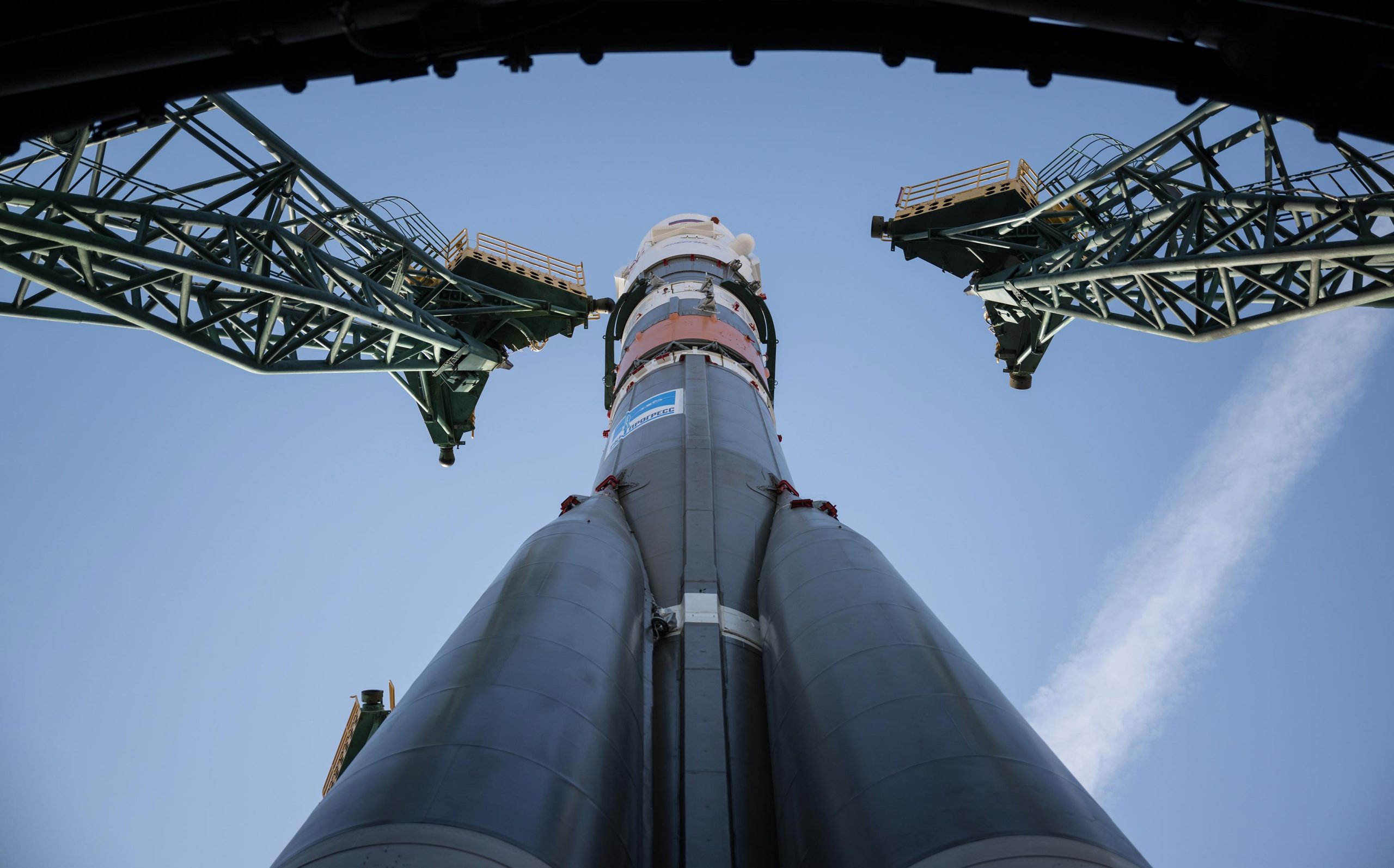
    Expedition 71 Soyuz Rocket Raised Vertical
    The March 21 launch of the crewed Soyuz-25 spacecraft to the International Space Station with NASA astronaut Tracy C. Dyson, Roscosmos cosmonaut Oleg Novitskiy, and spaceflight participant Marina Vasilevskaya of Belarus was scrubbed. The next available launch opportunity is Saturday, March 23. Credit: NASA/Bill Ingalls

    At the Baikonur Cosmodrome in Kazakhstan, the March 21 launch of the crewed Soyuz-25 spacecraft to the International Space Station with NASA astronaut Tracy C. Dyson, Roscosmos cosmonaut Oleg Novitskiy, and spaceflight participant Marina Vasilevskaya of Belarus was automatically scrubbed by ground support equipment due to low voltage reading in the Soyuz rocket electrical system. The next available launch opportunity is Saturday, March 23, pending completion of State Commission review for the Roscosmos launch. More information will be provided as available.
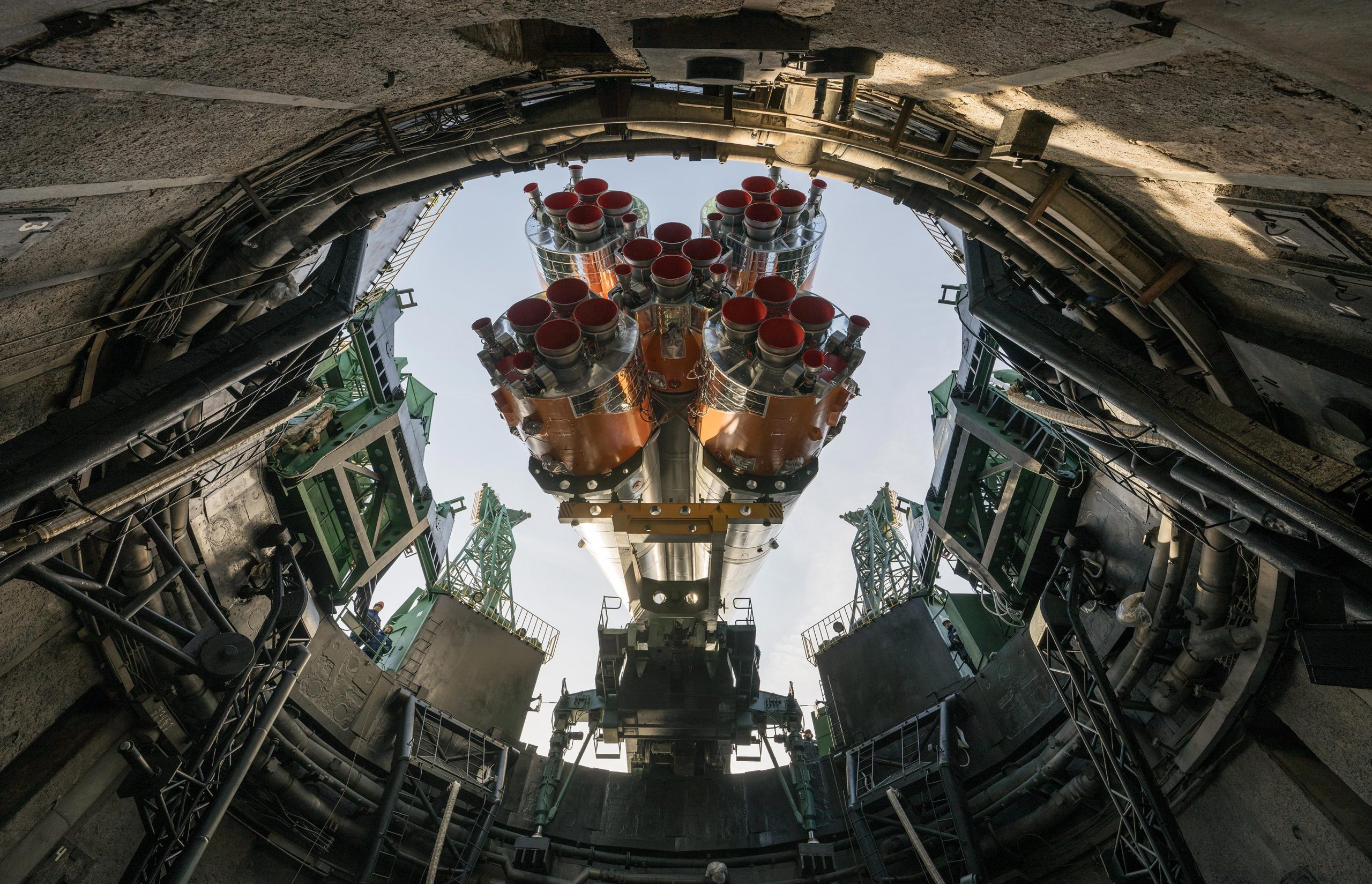
    Raising Expedition 71 Soyuz Vertical
    The Soyuz rocket is raised vertical on Monday, March 18, 2024, at launch pad Site 31 of the Baikonur Cosmodrome in Kazakhstan. Expedition 71 NASA astronaut Tracy Dyson, Roscosmos cosmonaut Oleg Novitskiy, and Belarus spaceflight participant Marina Vasilevskaya are scheduled to launch aboard their Soyuz MS-25 spacecraft on March 21. Credit: NASA/Bill Ingalls

    When NASA refers to a launch being “scrubbed,” it means that the planned launch of a spacecraft or rocket has been canceled or postponed. This decision can be made for various reasons, including technical issues with the rocket or spacecraft, unfavorable weather conditions, or other factors that could compromise the safety and success of the mission. The term “scrubbed” is used to indicate that the launch team has ceased the countdown and launch procedures, often requiring a rescheduling of the launch to a later date when the conditions are deemed suitable.

    Baikonur Cosmodrome

    The Baikonur Cosmodrome, located in Kazakhstan, is one of the world’s oldest and largest space launch facilities. Established in 1955 by the Soviet Union, it has been the launch site for many historic missions, including the launch of Sputnik, the first artificial Earth satellite, in 1957, and Vostok 1 in 1961, which carried Yuri Gagarin, the first human, into space.

    Covering an area of approximately 6,717 square kilometers, Baikonur is leased by the Russian government from Kazakhstan and is managed by Roscosmos, the Russian space agency. The cosmodrome features multiple launch pads, technical facilities, and processing buildings used to prepare spacecraft and rockets for their missions.

    Over the years, Baikonur has served as a crucial site for various types of space missions, including manned spaceflights, satellite launches, and interplanetary missions. Despite the emergence of new spaceports around the world, Baikonur continues to be a key player in global space exploration efforts, maintaining its historical and strategic significance in the space industry.

    Soyuz Spacecraft

    The Soyuz spacecraft, developed by the Soviet Union and continued by Russia, is one of the world’s oldest and most reliable space vehicles. First launched in 1967, Soyuz has become a workhorse of manned and unmanned space missions, renowned for its durability and safety record. The design of Soyuz has undergone several modifications over the years, resulting in different versions, but its core components remain consistent: an orbital module, a reentry module, and a service module.

    The orbital module is used for the crew’s activities during the mission and contains instruments and docking mechanisms. The reentry module, which is the only part of the spacecraft that returns to Earth, houses the crew during launch, space travel, and reentry. The service module contains the spacecraft’s systems and supplies such as propulsion, navigation, and life support.

    Soyuz has been pivotal in the International Space Station (ISS) program, serving as a transport vehicle for astronauts and cosmonauts to and from the ISS. It has also been used for independent missions and as a lifeboat in case of emergency evacuation from the ISS. Over its operational history, Soyuz has established a legacy of being a fundamental element in human spaceflight, contributing significantly to space exploration and international space collaboration.

    Never miss a breakthrough: Join the SciTechDaily newsletter.
    Follow us on Google and Google News.

    Astronaut International Space Station NASA Rocket
    Share. Facebook Twitter Pinterest LinkedIn Email Reddit

    Related Articles

    NASA Defies the Elements: SpaceX Crew-9 Rocket Test Success Before the Storm

    International Space Station Residents Prepare for Crew and Cargo Launches

    New Space Station Crew Launching Today on Russian Rocket

    Soyuz Rocket Launching New Crew to Space Station Rolls Out to Launch Pad

    NASA SpaceX Crew Dragon Astronauts Get Used to Space Station

    NASA Astronauts Robert Behnken and Douglas Hurley Join Expedition 63 on ISS

    SpaceX Reaches for Milestone in Spaceflight – A Private Company Launches Astronauts Into Orbit at Low Cost

    Landmark NASA SpaceX Commercial Crew Test Flight Coverage Schedule

    NASA Astronauts Meir, Morgan, Crewmate Skripochka Return to Earth From Space Station

    Leave A Reply Cancel Reply

    • Facebook
    • Twitter
    • Pinterest
    • YouTube

    Don't Miss a Discovery

    Subscribe for the Latest in Science & Tech!

    Trending News

    289-Million-Year-Old Reptile Mummy Reveals Origin of Human Breathing System

    New Brain Discovery Challenges Long-Held Theory of Teenage Brain Development

    Scientists Discover Plants “Scream” – We Just Couldn’t Hear Them Until Now

    Scientists Discover a Surprising Reason Intermittent Fasting Extends Life

    This Simple Fruit Wash Could Make Produce Safer and Last Days Longer

    Scientists Say Adding This Unusual Seafood to Your Diet Could Reverse Signs of Aging

    Scientists Say a Hidden Structure May Exist Inside Earth’s Core

    Doctors Surprised by the Power of a Simple Drug Against Colon Cancer

    Follow SciTechDaily
    • Facebook
    • Twitter
    • YouTube
    • Pinterest
    • Newsletter
    • RSS
    SciTech News
    • Biology News
    • Chemistry News
    • Earth News
    • Health News
    • Physics News
    • Science News
    • Space News
    • Technology News
    Recent Posts
    • Nearly 1 in 5 Gray Whales That Enter San Francisco Bay Die There
    • The Ozone Layer Is Healing, But There’s a Hidden Catch
    • Earth’s Crust Is Tearing Open in Africa, and It Could Form a New Ocean
    • Breakthrough Bowel Cancer Trial Leaves Patients Cancer-Free for Nearly 3 Years
    • New Immune Pathway Could Supercharge mRNA Cancer Vaccines
    Copyright © 1998 - 2026 SciTechDaily. All Rights Reserved.
    • Science News
    • About
    • Contact
    • Editorial Board
    • Privacy Policy
    • Terms of Use

    Type above and press Enter to search. Press Esc to cancel.