
Close Menu
    Facebook X (Twitter) Instagram
    SciTechDaily
    • Biology
    • Chemistry
    • Earth
    • Health
    • Physics
    • Science
    • Space
    • Technology
    Facebook X (Twitter) Pinterest YouTube RSS
    SciTechDaily
    Home»Health»Spider Silk Is Supposed To Have “Healing Properties” – Scientists Debunk the Myth
    Health

    Spider Silk Is Supposed To Have “Healing Properties” – Scientists Debunk the Myth

    By Cell PressOctober 5, 2021No Comments3 Mins Read
    Facebook Twitter Pinterest Telegram LinkedIn WhatsApp Email Reddit
    Share
    Facebook Twitter LinkedIn Pinterest Telegram Email Reddit
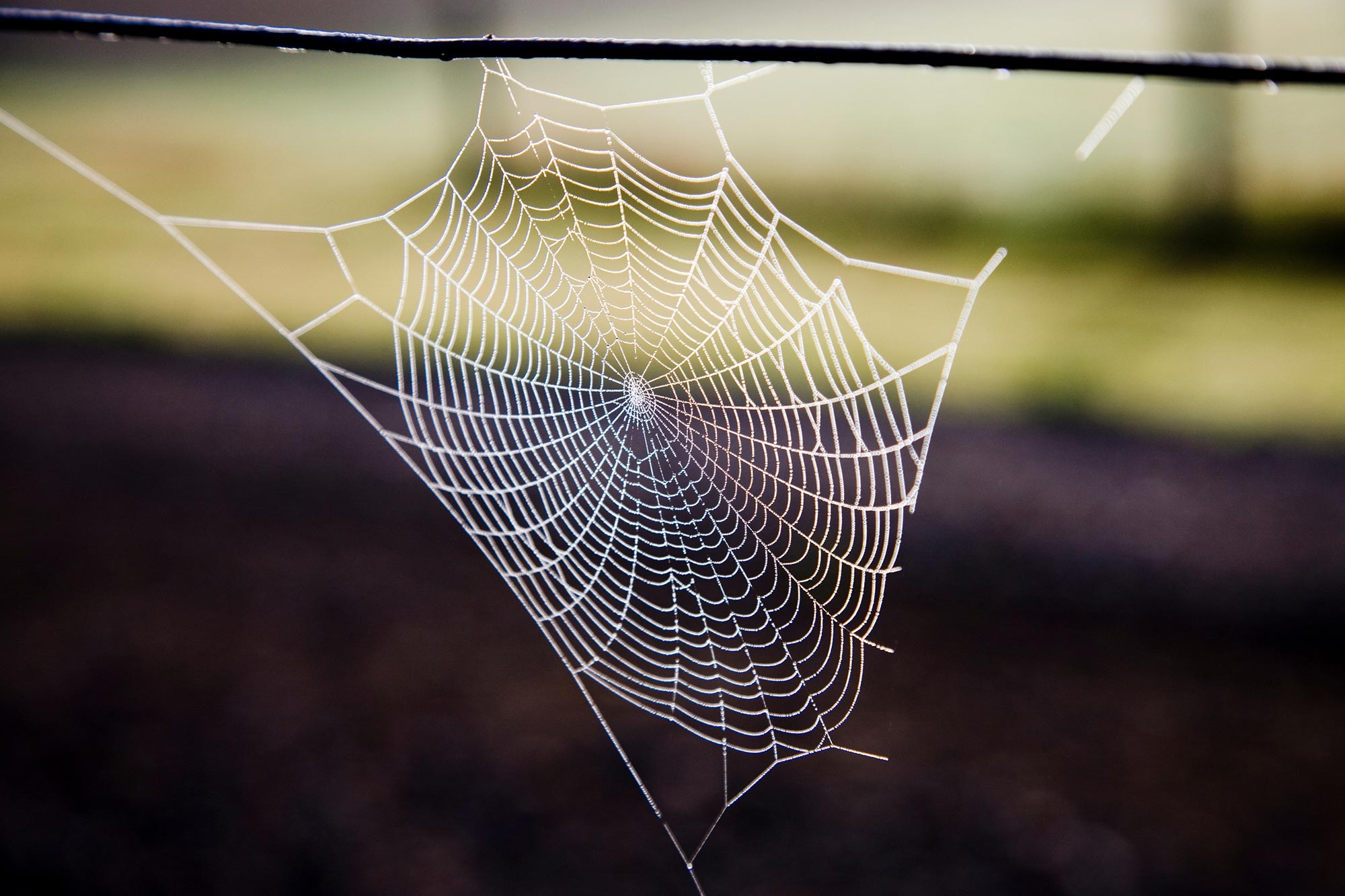
    Spider Web Silk
    The idea of spider silk having medicinal properties goes back to ancient Rome, where it was used as a treatment for various skin problems like lesions and warts.

    Researchers found no evidence that spider silk kills microbes, debunking a long-standing myth. 

    As far back as ancient Rome, spider silk has been used as a remedy to treat everything from skin lesions to warts. In the past, doctors have covered open wounds in cobwebs or advised patients to place cocoons on infected teeth. In modern times, however, the literature contains conflicting reports of whether or not spider silk has antimicrobial properties. In the journal iScience on October 5th, researchers revisit these old experiments and debunk the myth of antibiotic spider silk.

    “Spider silk has always been admired and almost has a mythical status,” says senior author Trine Bilde, a professor of biology at Aarhus University. “It’s one of these myths that seem to have become ‘established’ by ‘belief’ and not by strong empirical support.”
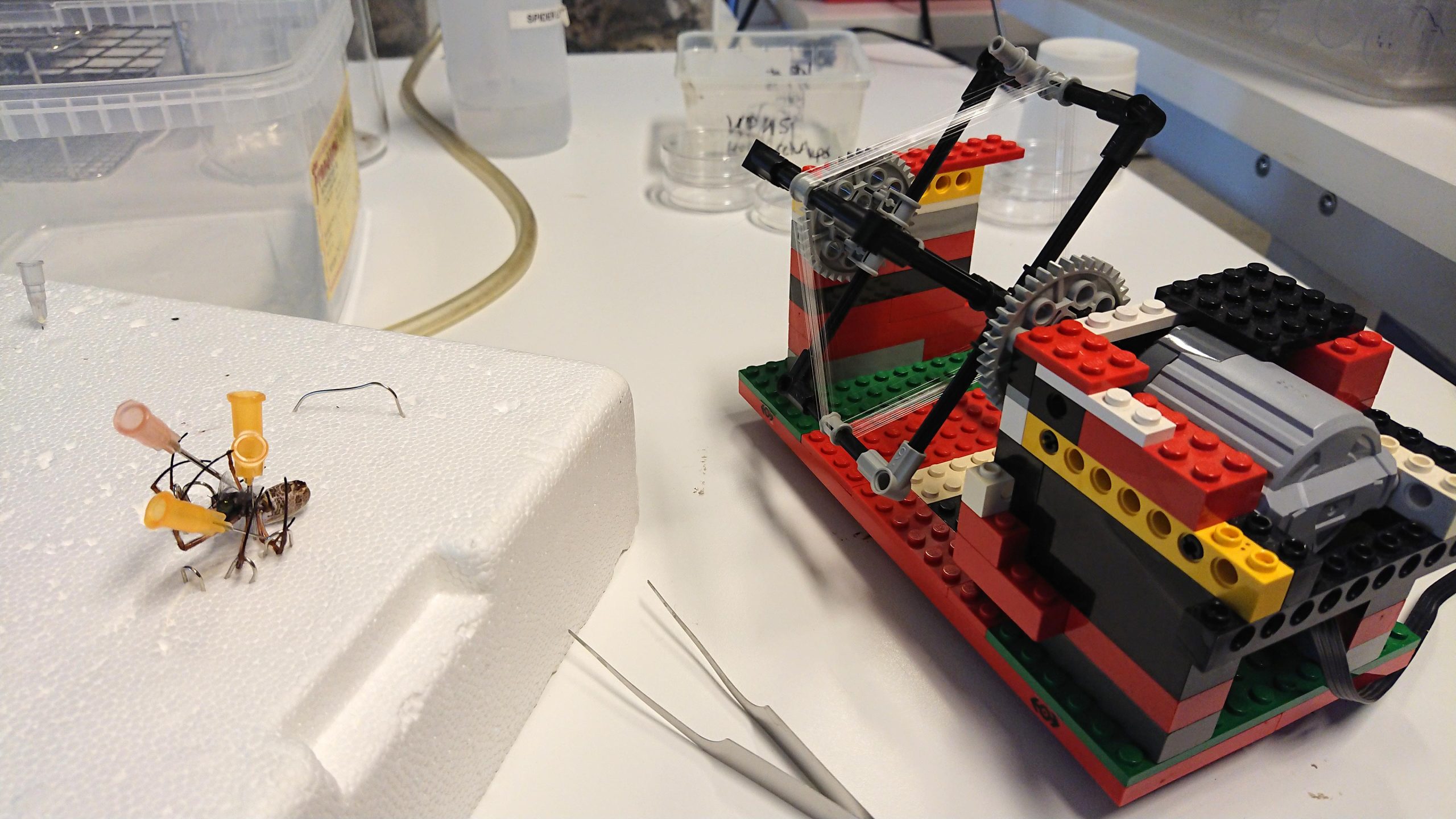
    Silk Extraction From Spider
    This photo shows the extraction of silk from Nephila edulis using a mechanical LEGO apparatus. Credit: Simon Fruergaard

    Since the antimicrobial properties of spider silk were first reported, researchers have proposed ways in which spiders might benefit. In the case of social spiders living in large groups, it’s been thought that antibiotic silk might help prevent the spread of infection between individuals. These spiders have weakened immune systems from inbreeding, so they are especially vulnerable to infection.

    Early in their research, Bilde and her research group grew doubtful of the validity of what they had read in the literature. “We were unable to detect antimicrobial activity of social spider silk, regardless of method or microbe, and this made us curious about why other studies were able to,” she says. “We then started scrutinizing the papers reporting antimicrobial activity in fine detail and became aware of methodological shortcomings.”
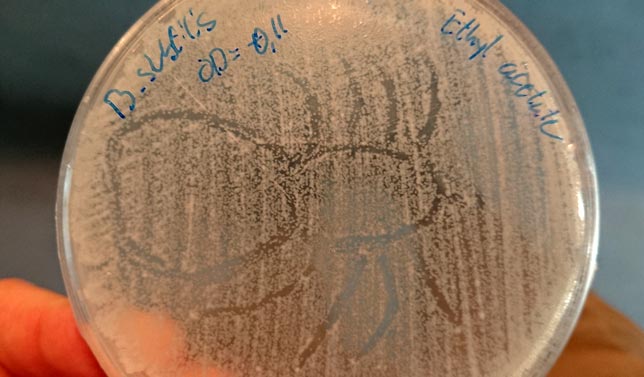
    Antimicrobial Activity of Solvent
    This photo shows how ethyl acetate inhibits bacterial growth. Credit: Simon Fruergaard

    The researchers identified two categories of shortcomings in the already published literature: (1) risk for bacterial contamination, and (2) inadequate control for the solvent used to extract the spider silk. The team showed that previous reports were likely compromised, for example by having measured the effect of the solvent used to extract the spider silk instead of the spider silk itself. Solvents like acetone or ethyl acetate can have strong antimicrobial effects on their own.

    Overall, Bilde’s team examined silk from seven different spider species by using improved experimental methods and found no signs of antimicrobial activity. Although this does not rule out antimicrobial activity for all species of spiders, it brings into doubt all previously reported accounts.
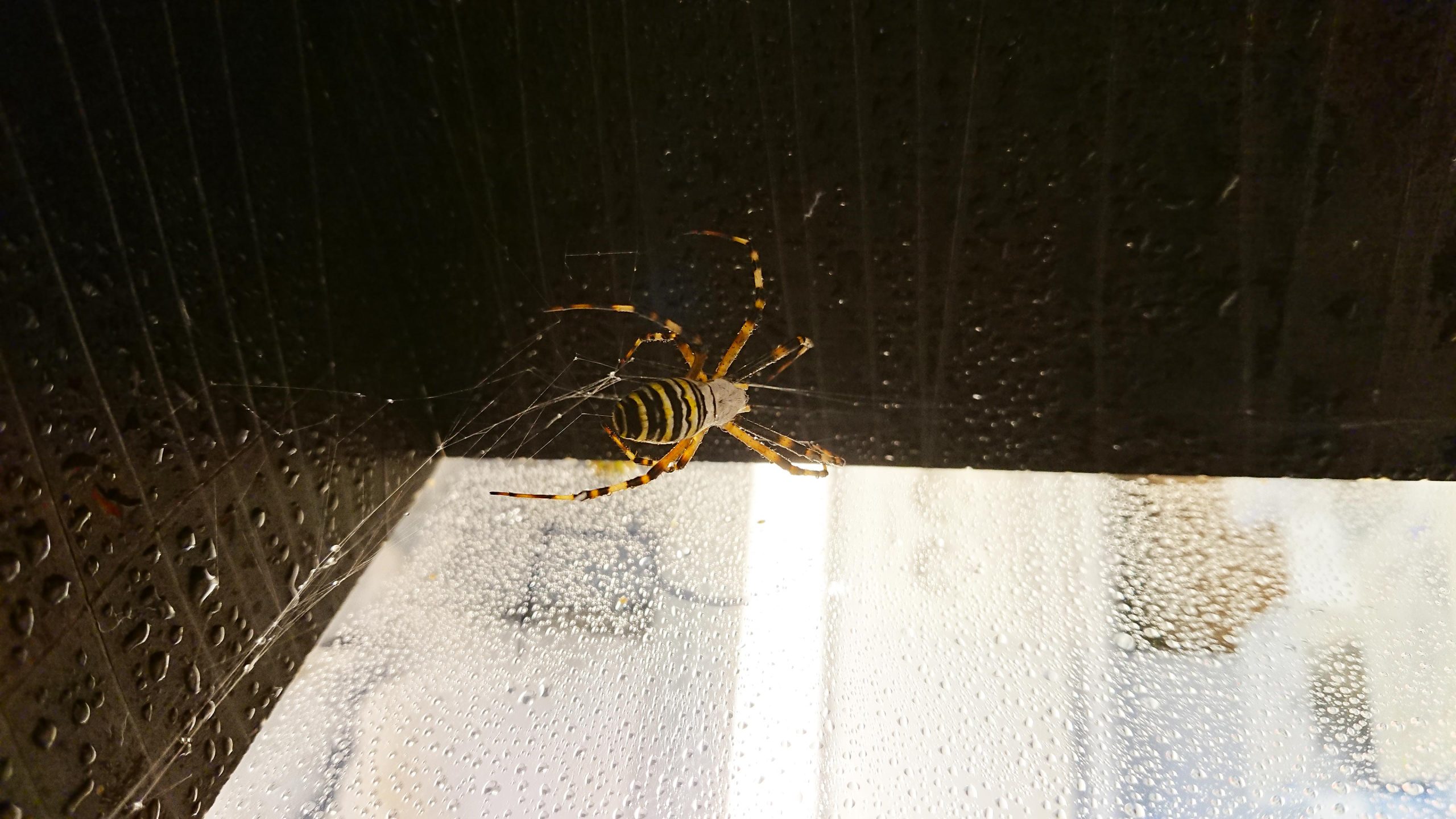
    Argiope bruennichi Spider
    This photo shows a Argiope bruennichi spider in the lab. Credit: Simon Fruergaard

    “Rather than assuming that spider silk is antimicrobial, we should now assume that it isn’t,” says Bilde. “We can still test the idea in new species and with new organisms, but with a more cautious starting point.”

    Spiders use their silk to protect their eggs, which offer high nutritional content to microbes. Bilde proposes that instead of warding off microbial threats with intrinsic antimicrobial activity, the silk casing around the eggs might function only as a physical barrier.

    Reference: “The myth of antibiotic spider silk” by Simon Fruergaard, Marie Braad Lund, Andreas Schramm, Thomas Vosegaard and Trine Bilde, 5 October 2021, iScience.
    DOI: 10.1016/j.isci.2021.103125

    This work was supported by The Novo Nordisk foundation.

    Never miss a breakthrough: Join the SciTechDaily newsletter.
    Follow us on Google and Google News.

    Antibiotics Cell Press Entomology Popular Spiders
    Share. Facebook Twitter Pinterest LinkedIn Email Reddit

    Related Articles

    Medieval Medicine Remedy – Found in 9th Century Bald’s Leechbook – Could Provide New Treatment for Modern Day Infections

    New Killing Mechanism Discovered in Potent Natural Antibiotic – Hailed a “Game Changer”

    Close Genetic Relative of SARS-CoV-2 Found in Bats Offers More Evidence It Evolved Naturally

    Researchers Abuzz About High Levels of Antibacterial Activity in Australian Honey

    Compound Discovered in Breast Milk Fights Harmful Bacteria – Could Be Added to Formula or Cow’s Milk

    Failure Against “Nightmare Bacteria” a Chilling Commentary on Future of Antibiotics – “Much of Modern Medicine May Become Infeasible”

    New Research Shows Antibiotics Work Differently Than Thought

    Spider Building Spider Decoys Discovered in Peruvian Amazon

    Adanson’s Jumping Spiders Hunt Using Unusual Depth Perception

    Leave A Reply Cancel Reply

    • Facebook
    • Twitter
    • Pinterest
    • YouTube

    Don't Miss a Discovery

    Subscribe for the Latest in Science & Tech!

    Trending News

    Scientists Discover Game-Changing New Way To Treat High Cholesterol

    This Small Change to Your Exercise Routine Could Be the Secret to Living Longer

    Scientists Discover 430,000-Year-Old Wooden Tools, Rewriting Human History

    AI Could Detect Early Signs of Alzheimer’s in Under a Minute – Far Before Traditional Tests

    What if Dark Matter Has Two Forms? Bold New Hypothesis Could Explain a Cosmic Mystery

    This Metal Melts in Your Hand – and Scientists Just Discovered Something Strange

    Beef vs. Chicken: Surprising Results From New Prediabetes Study

    Alzheimer’s Breakthrough: Scientists Discover Key Protein May Prevent Toxic Protein Clumps in the Brain

    Follow SciTechDaily
    • Facebook
    • Twitter
    • YouTube
    • Pinterest
    • Newsletter
    • RSS
    SciTech News
    • Biology News
    • Chemistry News
    • Earth News
    • Health News
    • Physics News
    • Science News
    • Space News
    • Technology News
    Recent Posts
    • Milk Nanoparticles Could Revolutionize Treatment for Deadly Bile Duct Cancer
    • Largest-Ever Study Finds Medicinal Cannabis Ineffective for Anxiety, Depression, PTSD
    • Scientists Reveal Why a Common Drug Causes Birth Defects and Autism
    • A Medieval Japanese Diary Just Helped Scientists Detect a Dangerous Solar Event
    • Humans Returned to Britain 500 Years Earlier Than Scientists Thought
    Copyright © 1998 - 2026 SciTechDaily. All Rights Reserved.
    • Science News
    • About
    • Contact
    • Editorial Board
    • Privacy Policy
    • Terms of Use

    Type above and press Enter to search. Press Esc to cancel.