

Close Menu
    Facebook X (Twitter) Instagram
    SciTechDaily
    • Biology
    • Chemistry
    • Earth
    • Health
    • Physics
    • Science
    • Space
    • Technology
    Facebook X (Twitter) Pinterest YouTube RSS
    SciTechDaily
    Home»Health»Sunshine Shortage: Unveiling the Hidden Signs of Vitamin D Deficiency
    Health

    Sunshine Shortage: Unveiling the Hidden Signs of Vitamin D Deficiency

    By SciTechDaily.comJanuary 7, 2024No Comments4 Mins Read
    Facebook Twitter Pinterest Telegram LinkedIn WhatsApp Email Reddit
    Share
    Facebook Twitter LinkedIn Pinterest Telegram Email Reddit
    Winter Sunshine Shortage
    Vitamin D deficiency, common in winter due to decreased sunlight exposure, can lead to symptoms like fatigue, bone pain, and mood changes. It’s important to manage this through sunlight, diet, and possibly supplements. Regular vitamin level checks are also advised for maintaining optimal health. Credit: SciTechDaily.com

    Vitamin D, crucial for overall health, is predominantly obtained from sunlight. In winter, reduced sunlight exposure often leads to Vitamin D deficiency.

    Vitamin D, often referred to as the “sunshine vitamin,” plays a crucial role in maintaining overall health. Its primary source is sunlight, and during winter, when sunlight exposure is reduced, many people become at risk of Vitamin D deficiency. This deficiency can have a significant impact on various aspects of health.

    Signs of Vitamin D Deficiency

    1. Fatigue and Tiredness: A consistent feeling of tiredness that doesn’t improve with rest can be a sign of Vitamin D deficiency.
    2. Bone and Back Pain: Vitamin D is essential for bone health. A deficiency can lead to aching bones and chronic back pain.
    3. Depression or Mood Changes: Reduced sunlight in winter can affect your mood. Vitamin D deficiency has been linked to depression, particularly seasonal affective disorder (SAD), a type of depression related to changes in seasons.
    4. Impaired Wound Healing: Slow healing of wounds after surgery or injury may be a sign of low vitamin D levels.
    5. Bone Loss: Vitamin D plays a critical role in calcium absorption. A deficiency can lead to decreased bone density, increasing the risk of fractures and osteoporosis.
    6. Hair Loss: Severe hair loss may be a symptom of vitamin D deficiency.
    7. Muscle Pain: The cause of muscle pain is often difficult to pinpoint, but it can be associated with Vitamin D deficiency.
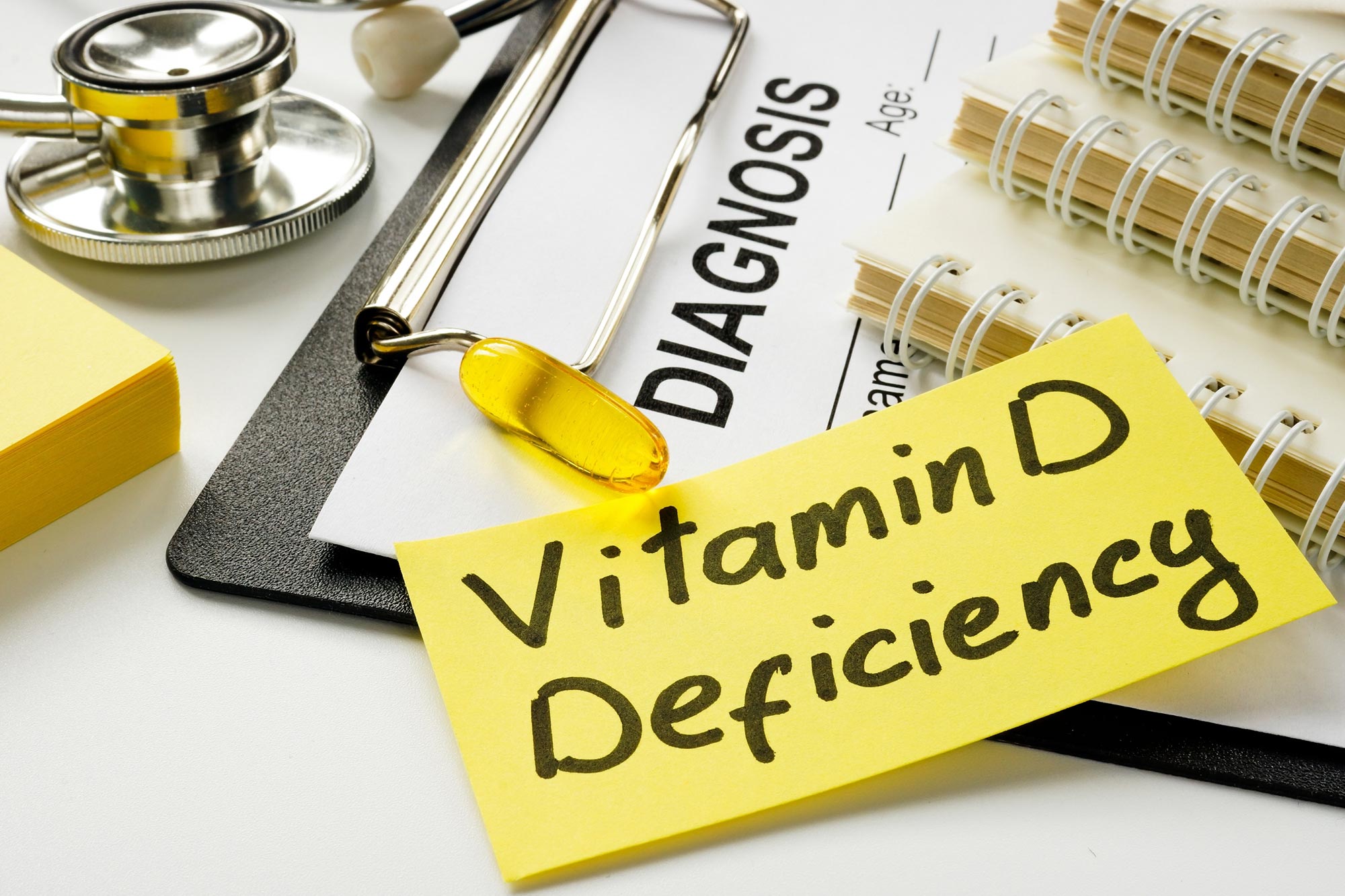
    Vitamin D Deficiency
    Winter often brings Vitamin D deficiency, marked by tiredness, bone pain, and mood swings. Managing it involves seeking sunlight, eating Vitamin D-rich foods, and considering supplements.

    Causes of Vitamin D Deficiency

    • Limited Sunlight Exposure: Especially in winter, when days are shorter and people spend more time indoors.
    • Skin Pigmentation: People with darker skin have more melanin, which reduces the skin’s ability to make vitamin D from sunlight.
    • Age: As you age, your skin’s ability to produce vitamin D decreases.
    • Dietary Restrictions: Vitamin D is found in a limited number of foods. People with certain dietary restrictions might be at higher risk.
    • Geographical Location: People living far from the equator where there is little sunlight in winter are at higher risk.
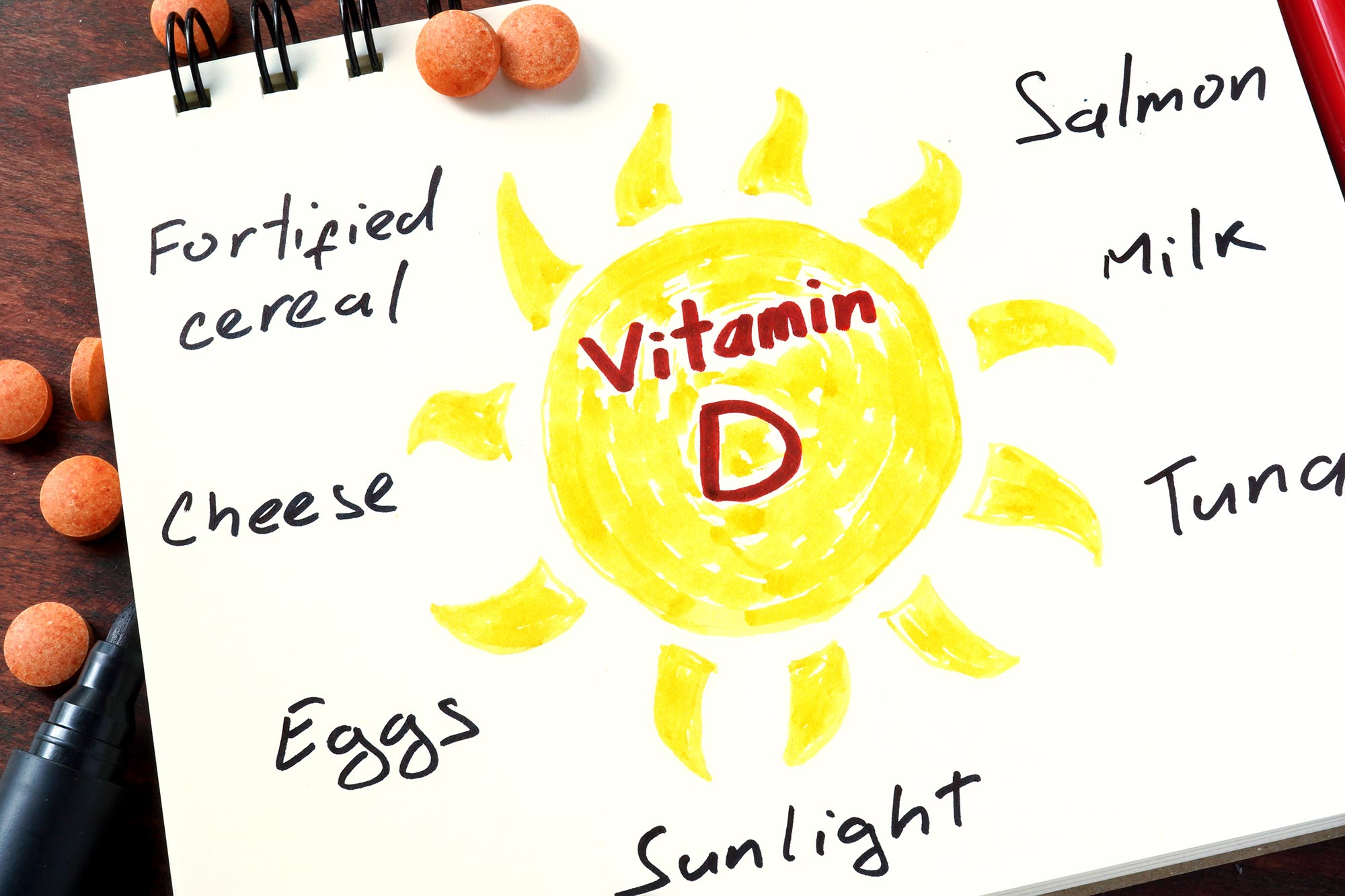
    Vitamin D Sources
    Vital for maintaining healthy bones and a robust immune system, Vitamin D can be sourced from the sun, certain foods, and supplements. The skin produces Vitamin D when exposed to sunlight, making it a significant source. Dietary options include fatty fish such as salmon, mackerel, and tuna, along with egg yolks and foods fortified with Vitamin D like some dairy products and cereals. Supplements provide a convenient way to maintain sufficient Vitamin D levels, especially during seasons with limited sunlight.

    Managing and Preventing Vitamin D Deficiency

    1. Sunlight Exposure: Aim for 10-30 minutes of midday sunlight several times a week.
    2. Dietary Sources: Include foods rich in Vitamin D like fatty fish (salmon, mackerel, tuna), egg yolks, cheese, and fortified foods like milk and cereals.
    3. Supplements: Vitamin D supplements can be a practical way of ensuring adequate intake, especially in winter. Consult a healthcare provider for the right dosage.
    4. Regular Testing: Getting your vitamin D levels checked can help you understand if you need to take specific measures to increase your levels.

    Vitamin D deficiency is a common issue, especially in winter months. Being aware of the signs and taking proactive steps to manage and prevent it can have a significant impact on your overall health. It’s important to consult with healthcare professionals for personalized advice and testing.

    Never miss a breakthrough: Join the SciTechDaily newsletter.
    Follow us on Google and Google News.

    Nutrition Vitamins
    Share. Facebook Twitter Pinterest LinkedIn Email Reddit

    Related Articles

    Vitamin D Levels During Pregnancy Linked With Child IQ – Significantly Lower Levels Identified in Black Women

    Nutrition Key in Cutting the Risk of Some Infections: High Vitamin A, E, and D Intake Linked to Fewer Respiratory Complaints

    Vitamin D and Calcium Twice a Day May Keep Vertigo Away

    Scientists Warn Against High Doses of Vitamin D Supplementation for Preventing or Treating COVID-19

    Vitamin D Linked to Low Coronavirus Death Rate

    You Need More Vitamin D in the Winter – Here’s Why

    Some People With Schizophrenia May Simply Have a Vitamin Deficiency

    Scientists Debunk Common Vitamin D Myths

    Daily Multivitamin Usage Cut Cancer Risk By 8% in Men

    Leave A Reply Cancel Reply

    • Facebook
    • Twitter
    • Pinterest
    • YouTube

    Don't Miss a Discovery

    Subscribe for the Latest in Science & Tech!

    Trending News

    The Universe Is Expanding Too Fast and Scientists Can’t Explain Why

    “Like Liquid Metal”: Scientists Create Strange Shape-Shifting Material

    Early Warning Signals of Esophageal Cancer May Be Hiding in Plain Sight

    Common Blood Pressure Drug Shows Surprising Power Against Deadly Antibiotic-Resistant Superbug

    Scientists Uncover Dangerous Connection Between Serotonin and Heart Valve Disease

    Scientists Discover a “Protector” Protein That Could Help Reverse Hair Loss

    Bone-Strengthening Discovery Could Reverse Osteoporosis

    Scientists Uncover Hidden Trigger Behind Stem Cell Aging

    Follow SciTechDaily
    • Facebook
    • Twitter
    • YouTube
    • Pinterest
    • Newsletter
    • RSS
    SciTech News
    • Biology News
    • Chemistry News
    • Earth News
    • Health News
    • Physics News
    • Science News
    • Space News
    • Technology News
    Recent Posts
    • Scientists Overcome Major Quantum Bottleneck, Potentially Transforming Teleportation and Computing
    • Quantum Physics’ Strangest Problem May Hold the Key to Time Itself
    • Scientists Create “Liquid Gears” That Spin Without Touching
    • The Simple Habit That Could Help Prevent Cancer
    • Forgotten Medicinal Plant Shows Promise in Fighting Dangerous Superbugs
    Copyright © 1998 - 2026 SciTechDaily. All Rights Reserved.
    • Science News
    • About
    • Contact
    • Editorial Board
    • Privacy Policy
    • Terms of Use

    Type above and press Enter to search. Press Esc to cancel.