
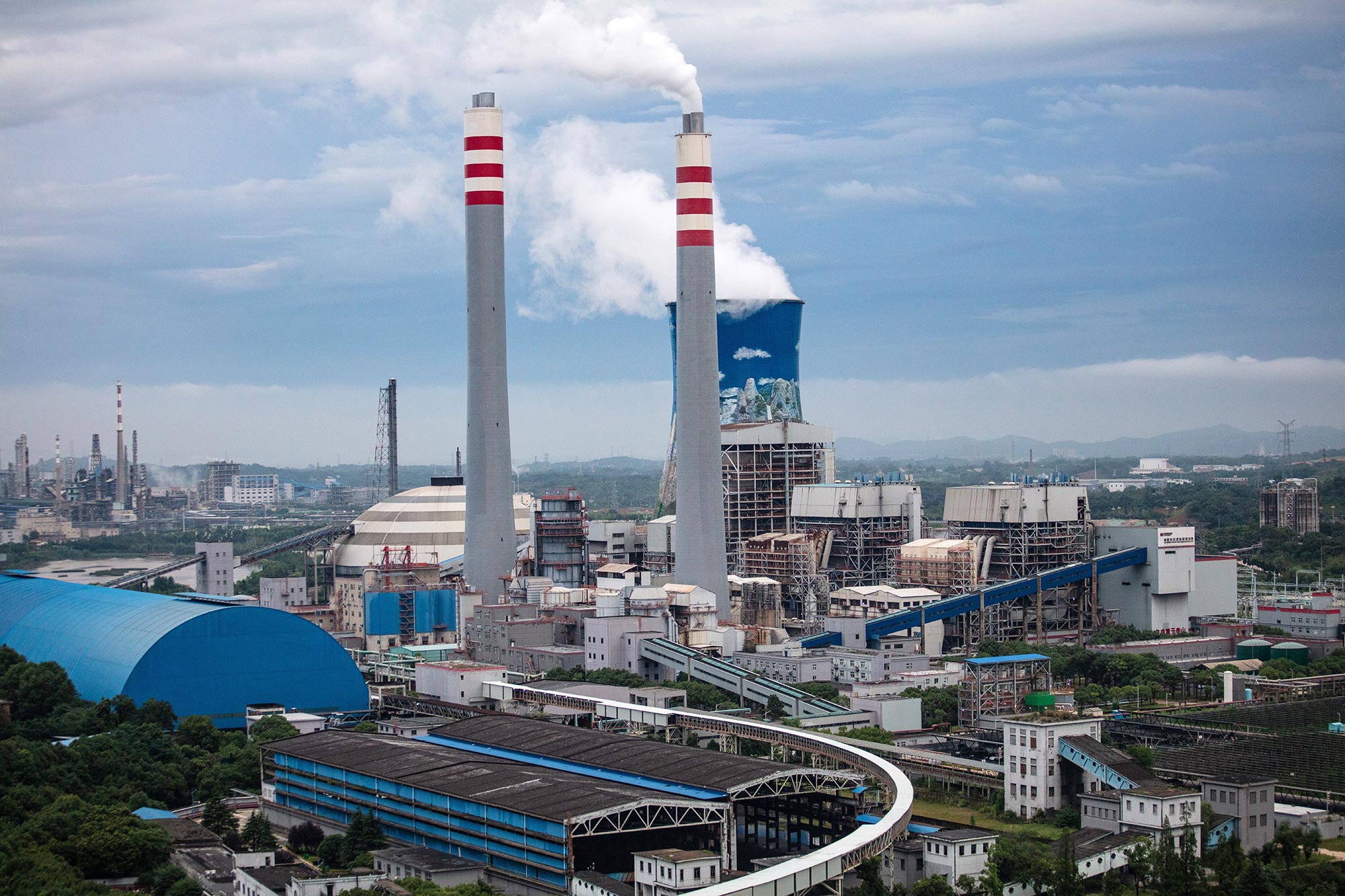
Bamboo tissue’s green image fades once you factor in coal-powered manufacturing.
Bamboo tissue paper produced in China has become a popular option for shoppers looking to reduce their environmental impact. Despite its green reputation, new research suggests these products may not deliver the climate advantages many consumers expect. In some cases, bamboo tissue may even have a greater environmental footprint than tissue made in the United States.
New Research Compares Bamboo and Wood-Based Tissue
A recent study from researchers at North Carolina State University examined the carbon footprint of bamboo tissue manufactured in China and compared it with conventional wood-based tissue produced in the U.S. and Canada. The analysis showed that bamboo as a raw material does not generate more greenhouse gas emissions than wood. The larger issue comes from energy use. China’s electricity system relies heavily on fossil fuels, which significantly increases emissions during manufacturing compared with the cleaner energy mix used in North America.
Manufacturing Technology Drives Emissions
“As far as emissions go, the technology used to create hygiene tissue paper is far more important than the type of fiber it’s made from,” said Naycari Forfora, lead author of the study and Ph.D candidate in the NC State College of Natural Resources. “Because the Chinese power grid is so reliant on coal for power, emissions throughout the entire tissue supply chain are higher than what we saw with the wood-based option.”
Bamboo Is Not as Different as It Seems
Ronalds Gonzalez, an associate professor at NC State University and a co-author of the study, emphasized that producing tissue from bamboo is not fundamentally different from using other types of wood.
“Bamboo is a crop like any other, and it goes through the same production processes as Brazilian or Canadian wood,” Gonzalez said. “Consumers often think of bamboo as a ‘tree-free’ option, but the trees used to make tissue are planted and harvested the same way that bamboo is. When you then factor in how coal-reliant the Chinese mills are, you start to see how emissions from this product are actually higher than others.”
Carbon Footprint and Environmental Impacts
The researchers calculated that bamboo tissue produced in China generates nearly 2,400 kilograms of carbon dioxide equivalent per ton of tissue. By comparison, wood-based tissue made in the United States produces about 1,824 kgCO2eq/ton. Bamboo tissue from China also performed worse in several other environmental measures, including smog formation, respiratory effects, and ecotoxicity.
These gaps narrowed significantly when bamboo tissue was produced in regions with cleaner electricity sources. This result highlights that improving manufacturing technology and energy systems has a much greater effect on reducing emissions than switching from wood to bamboo when planning decarbonization strategies.
Research Backed by a Global Fiber Initiative
The study authors are members of the Sustainable & Alternative Fibers Initiative (SAFI) at NC State, the world’s largest collaborative group focused on understanding the sustainability of both traditional and alternative fiber sources. SAFI includes more than 30 partners from industry, academia, and government working together to advance responsible fiber development and innovation.
The research paper, “Comparative life cycle assessment of bamboo-containing and wood-based hygiene tissue: Implications of fiber sourcing and conversion technologies,” is published in Cleaner Environmental Systems.
Reference: “Comparative life cycle assessment of bamboo-containing and wood-based hygiene tissue: Implications of fiber sourcing and conversion technologies” by Naycari Forfora, Rhonald Ortega, Isabel Urdaneta, Ivana Azuaje, Keren A. Vivas, Hasan Jameel, Richard Venditti and Ronalds Gonzalez, 23 September 2025, Cleaner Environmental Systems.
DOI: 10.1016/j.cesys.2025.100337
Co-authors include Rhonald Ortega, Isabel Urdaneta, Ivana Azuaje, Keren A. Vivas, Hasan Jameel, and Richard Venditti of NC State.
Abstract: This study assesses the environmental impact of producing consumer bath tissue (CBT) in the United States using Brazilian bleached eucalyptus kraft (BEK) and Canadian northern bleached softwood kraft (NBSK) market pulps, in comparison to bamboo-based CBT from China. Additionally, the analysis includes considerations of soil organic carbon (SOC) sequestration from plant growth, and the biogenic global warming potential (GWPbio) based on biomass rotation periods.
Results indicate a cradle-to-grave carbon footprint (CF) of 1824 kg CO2eq/air-dry ton (ADt) for US CBT (70 % BEK/30 % NBSK) using Light Dry Creped (LDC) technology. Substituting BBK for BEK/NBSK increases CF to 2041 kg CO2eq/ADt, with Chinese manufactured CBT at 2400 kg CO2eq/ADt. Using Creped Trough Air Drying (CTAD), CF rises to 2531 and 2739 kg CO2eq/ADt for BEK-NBSK and BEK-BBK mixtures, respectively. Including SOC factors do not change the conclusions. While the GWPbio factors are highly dependent on the time horizon considered. These results emphasize production technologies’ critical role in tissue sustainability and challenge bamboo’s perceived environmental advantages.
Never miss a breakthrough: Join the SciTechDaily newsletter.
Follow us on Google and Google News.
3 Comments
While it is certainly a sin to be just burning oil reserves for power, and while it is true that pollution should be abated, the WHOLE carbon to greenhouse gas story is utter BS. Plants breathe carbon like we breathe oxygen and neither side of this equation needs fools seeing to lower atmospheric carbon.
We are at the lowest atmospheric carbon in all of our history (save for the ice-planet epoch), from 0.2% now to 0.04% – WHERE 0.02% has all plant-life dying. (read that last part over a few times)
We are at the absolute FLOOR in life-sustaining atmospheric carbon. Anyone yapping this carbon greenhouse gas story will be famous through the future as imbecilic manipulated non-intellects.
Think about that, the obvious staring you all right in the face, and what are your brains thinking? Some story you were fed.
Hi Robert,
Actually the minimum CO2 level for plant life is nearer 0.015%, but plants have been thriving on 0.03% for several million years – just shows what difference a tiny change can make. Same with solar absorption; 0.03% to 0.04 is a 33% increase . . . . .
So just sit back and enjoy the coming hot weather, droughts, fires and hurricanes and laugh at the imbeciles.
I have a newsflash for the author of the article: EVERY “green” product fails when you factor in production. Every. Single. One.
EVs, solar panels, windmills, biofuels, lithium batteries… you name it. Every single thing on the list causes tons of toxins outputted in the air during production, and some of them output additional tons if they catch fire.
And I’m not talking harmless CO2 particles – I’m talking stuff that gives you cancer if you inhale it.