
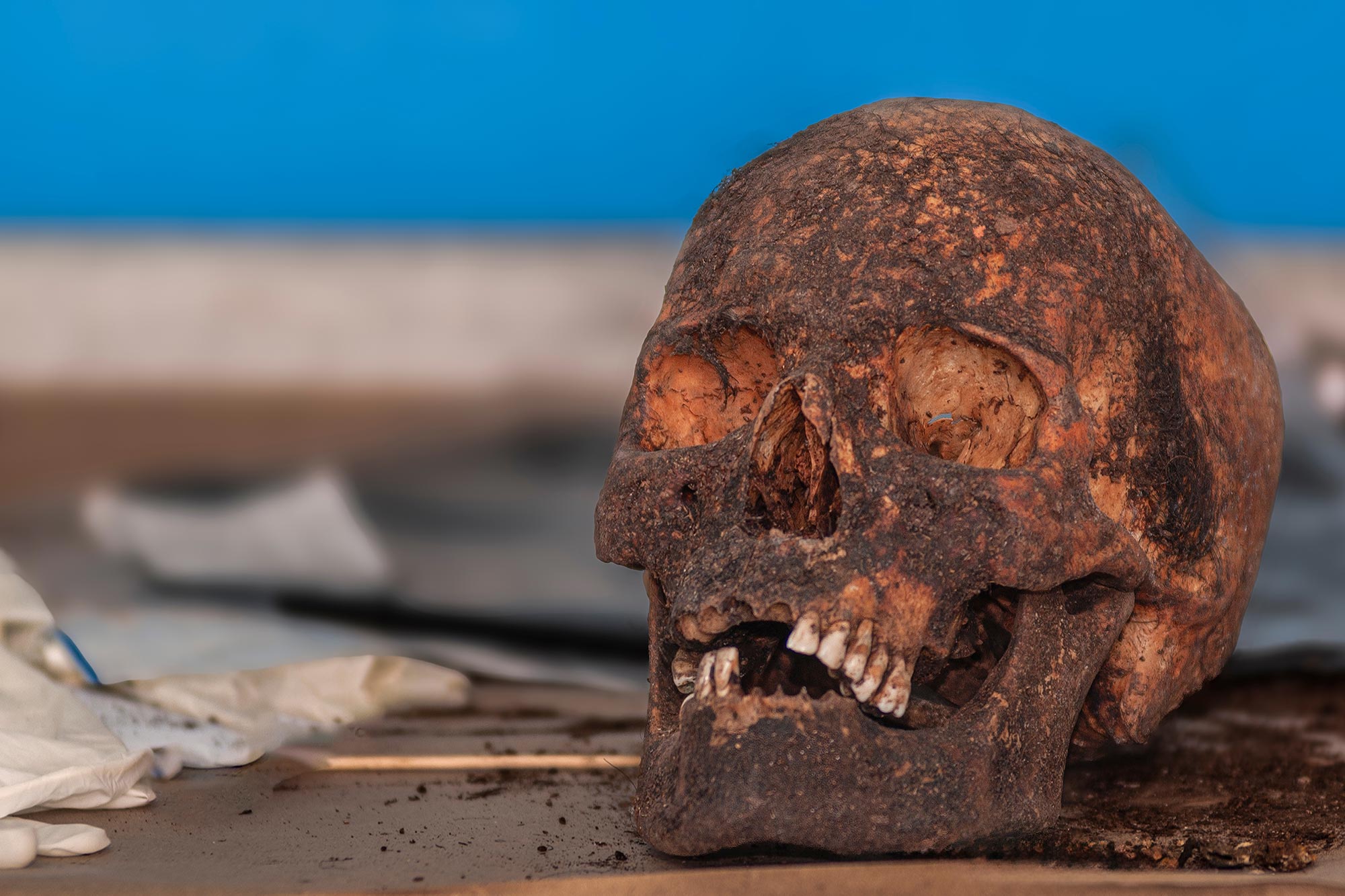
In a groundbreaking discovery, scientists have found chemical traces of betel nut chewing in 4,000-year-old teeth from a Bronze Age burial in Thailand — the earliest direct evidence of psychoactive plant use in Southeast Asia.
By analyzing hardened dental plaque, researchers uncovered compounds linked to betel nut, a stimulant that boosts alertness and euphoria.
Ancient Southeast Asian Tradition
For thousands of years, people across Southeast Asia have chewed betel nuts, a practice woven into the region’s cultural and social traditions. The plants used in this ritual contain natural compounds that can boost alertness, energy, and even create feelings of euphoria and relaxation. Although the custom has declined in recent decades, it once played a major role in daily life. One common side effect of regular chewing is teeth stained a deep reddish-brown or black.
However, the absence of these stains does not necessarily mean the habit was avoided. A recent investigation by an international team used a cutting-edge technique to study ancient dental plaque from Bronze Age Thailand, uncovering chemical traces that confirm betel nut chewing.
A Chemical Time Machine in Dental Plaque
“We identified plant derivatives in dental calculus from a 4,000-year-old burial at Nong Ratchawat, Thailand,” said first author of the Frontiers in Environmental Archaeology study Dr Piyawit Moonkham, an anthropological archaeologist at Chiang Mai University in Thailand. “This is the earliest direct biomolecular evidence of betel nut use in south-east Asia.”
“We demonstrate that dental calculus can preserve chemical signatures of psychoactive plant use for millennia, even when conventional archaeological evidence is completely absent,” added Dr Shannon Tushingham, the senior author, who is the associate curator of anthropology at the California Academy of Sciences. “In essence, we’ve developed a way to make the invisible visible—revealing behaviors and practices that have been lost to time for 4,000 years.”
Bronze Age Burials and Modern Techniques
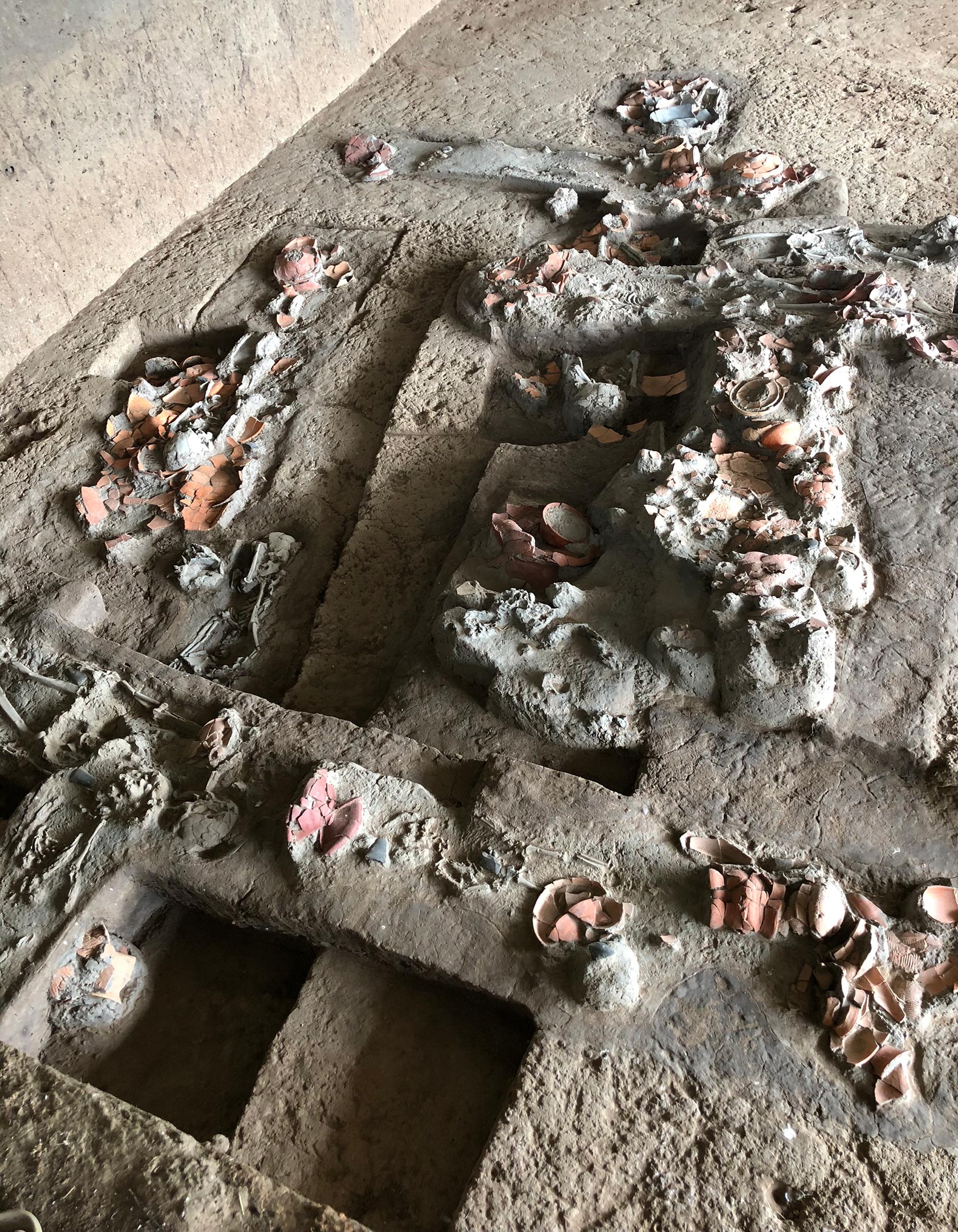
At Nong Ratchawat, an archaeological site in central Thailand that dates back to the Bronze Age, 156 human burials have been unearthed since 2003. For the present study, the team collected 36 dental calculus samples from six individuals.
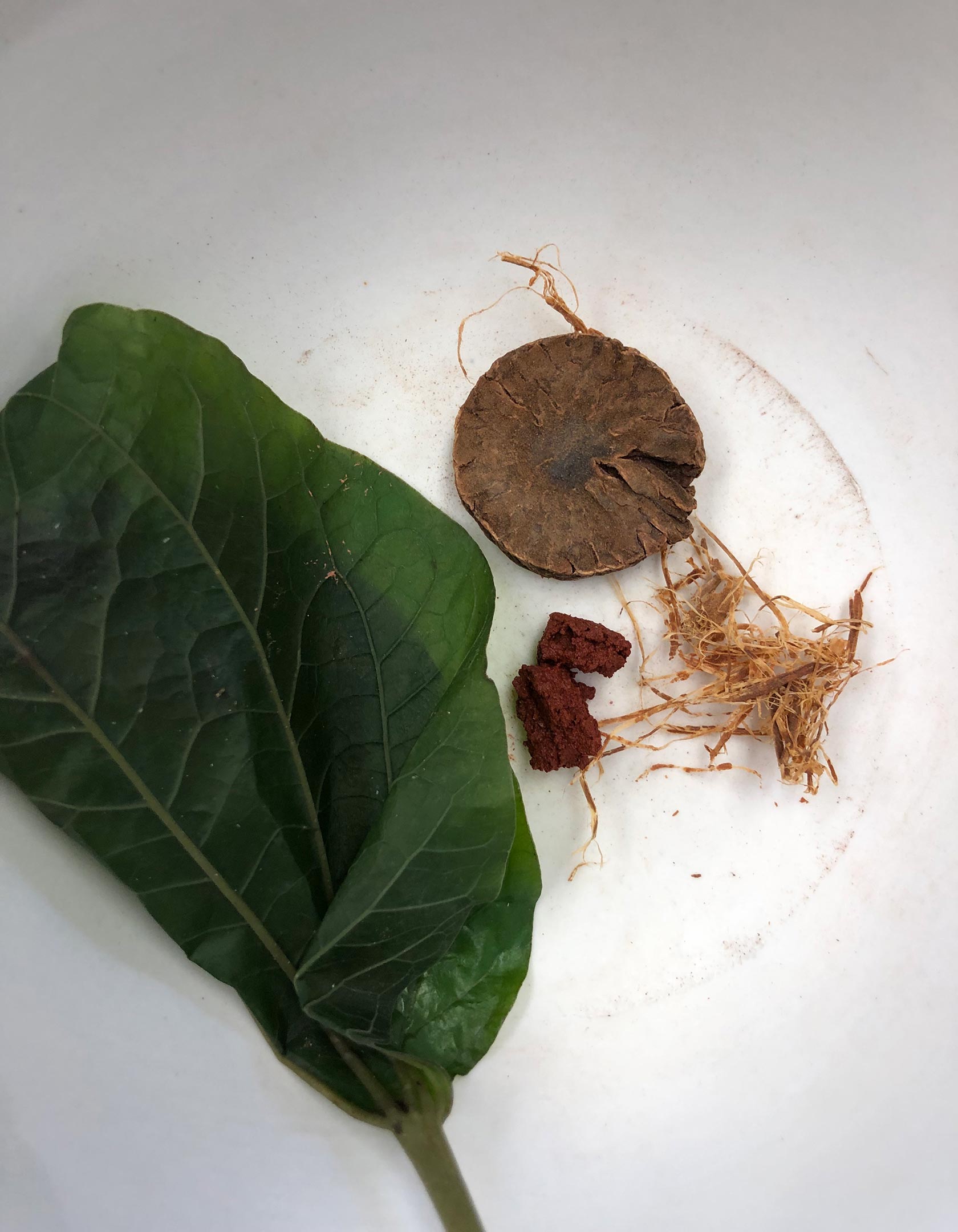
Back in the lab, they removed tiny amounts of plaque from the samples and the chemical residues found therein underwent analysis. The team also used betel liquid samples they produced themselves to ensure psychoactive compounds could be reliably detected through their analysis and to understand the complex biochemical interactions between ingredients. “We used dried betel nut, pink limestone paste, Piper betel leaves, and sometimes Senegalia catechu bark and tobacco. We ground the ingredients with human saliva to replicate authentic chewing conditions,” Moonkham said. “Sourcing materials and experimentally ‘chewing’ betel nuts to create authentic quid samples was both a fun and interesting process.”
The results showed that three of the archaeological samples – all stemming from a molar of the same individual, Burial 11 – contained traces of arecoline and arecaidine. These organic compounds, found in betel nuts but also plants like coffee, tea, and tobacco, have pronounced physiological effects on humans. This suggests that betel nuts were chewed as early as 4,000 years ago in Thailand.

Traces Without Stains
“The presence of betel nut compounds in dental calculus does suggest repeated consumption, as these residues become incorporated into mineralized plaque deposits over time through regular exposure,” explained Tushingham. Accordingly, the absence of tooth-staining raises questions. It could be the result of different consumption methods, the team pointed out. It could also be due to post-consumption teeth cleaning practices, or post-mortem processes affecting stain preservation over 4,000 years.
While traces of betel nut chewing were found in samples from only one individual, there is currently no proof that Burial 11 received special treatment or was of elevated social status or unique ritual significance compared to the other burials at Nong Ratchawat. The presence of stone beads as grave goods, however, could provide hints as to the individual’s identity or lived experience. Studying more individuals at Nong Ratchawat and other local sites to learn when and to whom such grave goods were given could provide valuable evidence, the team said.
Looking Forward: Plaque as a Window to the Past
The methods the researchers applied can be used to examine the remaining burials at Nong Ratchawat and at other sites, they said. “Dental calculus analysis can reveal behaviors that leave no traditional archaeological traces, potentially revolutionizing our understanding of ancient lifeways and human-plant relationships,” Tushingham said. “It could open new windows into the deep history of human cultural practices.”
“Understanding the cultural context of traditional plant use is a larger theme we want to amplify—psychoactive, medicinal, and ceremonial plants are often dismissed as drugs, but they represent millennia of cultural knowledge, spiritual practice, and community identity,” Moonkham concluded. “Archaeological evidence can inform contemporary discussions by honoring the deep cultural heritage behind these practices.”
Reference: “Earliest direct evidence of bronze age betel nut use: biomolecular analysis of dental calculus from Nong Ratchawat, Thailand” by Piyawit Moonkham, Shannon Tushingham, Mario Zimmermann, Korey J. Brownstein, Charmsirin Devanwaropakorn, Suphamas Duangsakul and David R. Gang, 11 June 2025, Frontiers in Environmental Archaeology.
DOI: 10.3389/fearc.2025.1622935
Never miss a breakthrough: Join the SciTechDaily newsletter.
Follow us on Google and Google News.