
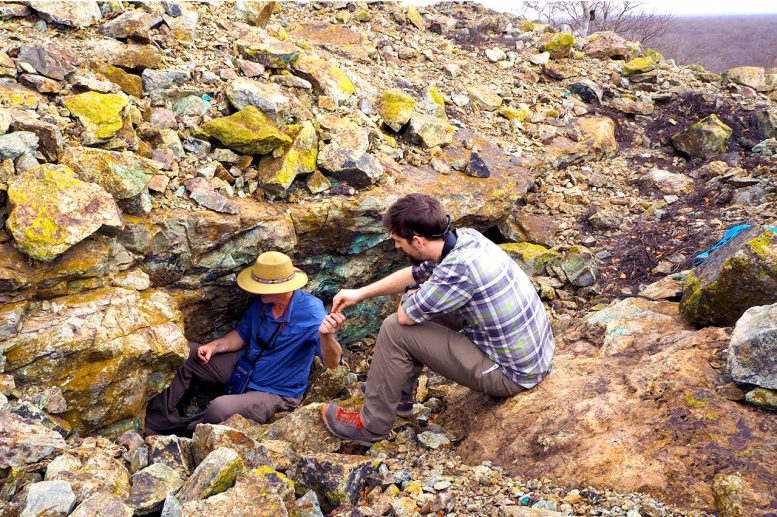
A researcher from the University of Missouri and colleagues employed geochemical analysis on copper objects to uncover centuries of previously unknown connections within the region.
According to a University of Missouri researcher and his colleagues, chemical and isotopic analysis of copper artifacts from southern Africa has unveiled new cultural connections among the people living in the region between the 5th and 20th centuries.
Jay Stephens, a post-doctoral fellow in the MU Research Reactor (MURR) Archaeometry Lab, stated that individuals in the region between northern South Africa and the Copperbelt in central Africa were more interconnected than previously believed by scholars.
“Over the past 20 to 30 years, most archaeologists have framed the archaeological record of southern Africa in a global way with a major focus on its connection to imports coming from the Indian Ocean,” he said. “But it’s also important to recognize the interconnected relationships that existed among the many groups of people living in southern Africa. The data shows the interaction between these groups not only involved the movement of goods, but also flows of information and the sharing of technological practices that come with that exchange.”
Mining Copper Ore
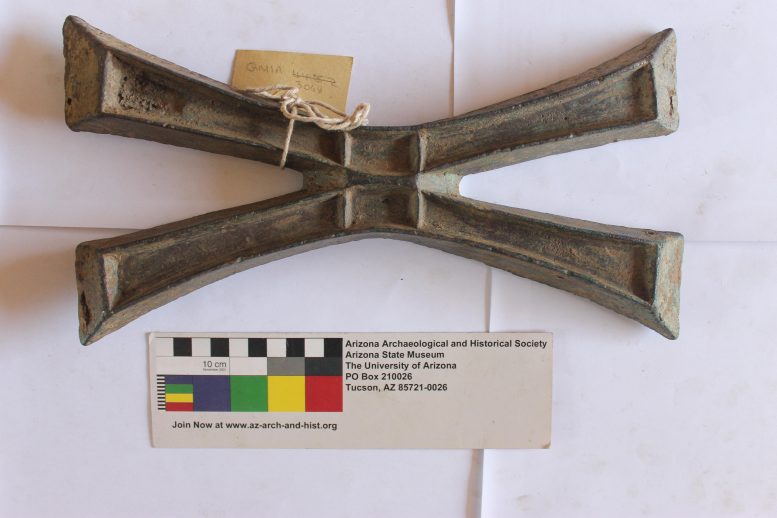
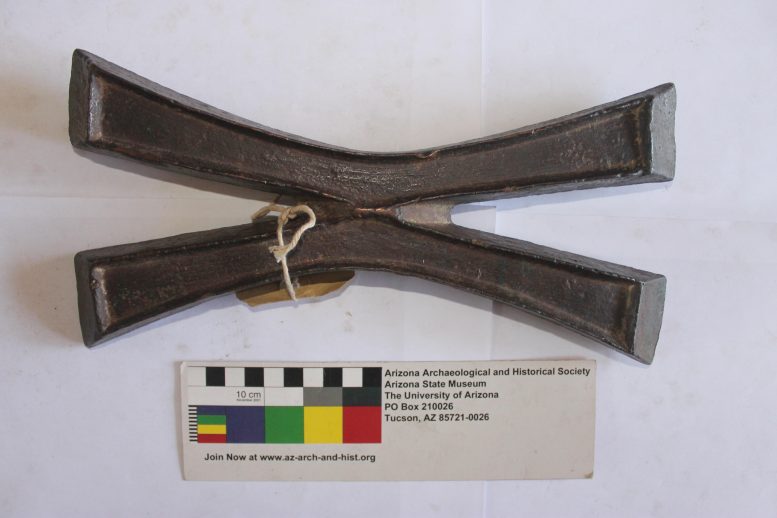
For years, scholars debated whether these artifacts, called rectangular, fishtail, and croisette copper ingots, were made exclusively from copper ore mined in the Copperbelt region or from Zimbabwe’s Magondi Belt. As it turns out, both theories are correct, Stephens said.
“We now have tangible linkages to reconstruct connectivity at various points in time in the archeological record,” he said. “There is a massive history of interconnectivity found throughout the region in areas now known as the countries of Zambia, Zimbabwe and the Democratic Republic of the Congo. This also includes people from the contemporary Ingombe Ilede, Harare, and Musengezi traditions of northern Zimbabwe between at least the 14th and 18th centuries A.D.”
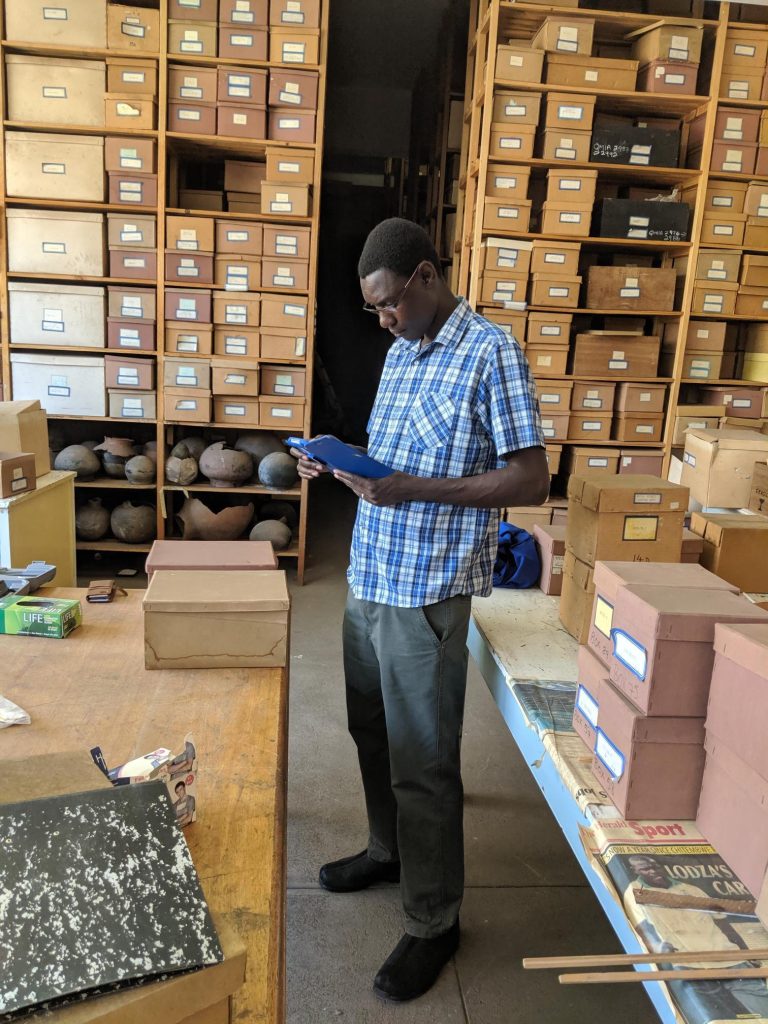
To determine their findings, researchers took small samples from 33 copper ingots and analyzed them at the University of Arizona. All samples were carefully selected by researchers from archeological samples found in the collections of the Museum of Human Sciences in Harare, Zimbabwe, and the Livingstone Museum in Livingstone, Zambia.
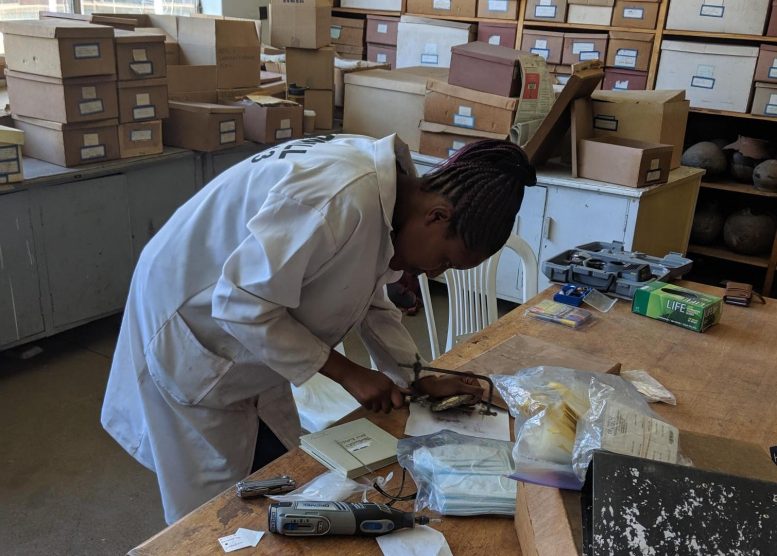
“We didn’t want to impact the display of an object, so we tried to be aware of how museums and institutions would want to interact with the data we collected and share it with the general public,” Stephens said. “We also want our knowledge to be accessible for the individuals in these communities who continue to interact with these objects. Hopefully, some of the skills linked with these analyses can be used by whoever wants to ask similar questions in the future.”
Stephens said copper ingots are excellent objects for this type of analysis because they often have emblematic shapes that allow archaeologists to identify specific markings and follow changes over different time periods.
“By looking at their changes in shape and morphology over time, we can pair those changes with how technology changed over time,” he said. “This often comes from observing the decorative features produced from the cast object or mold, or other surface attributes found on these objects.”
Gathering Scientific Evidence
Once the samples arrived at the University of Arizona lab, researchers took a small amount of each sample — less than one gram — and dissolved it with specific acids to leave behind a liquid mixture of chemical ions. Then the samples were analyzed for lead isotopes and other chemical elements. One challenge the team encountered was a lack of existing data to match their samples with.
“One part of the project included analyzing hundreds of ore samples from different geological deposits in southern Africa — especially ones mined before the arrival of European colonial forces — to create a robust data set,” Stephens said. “The data can provide a scientific foundation to help back up the inferences and conclusions we make in the study.”
Historical Connections
Stephens said the data they collect is one of the only remaining tangible links that exist today to those precolonial mines in Africa.
“Unfortunately, large open pit mines have destroyed a lot of the archaeological sites and broader cultural landscapes around these geological deposits,” he said. “This makes it a challenge to reconstruct the history related to these mines. It’s a concerning development, especially with the global push toward more electric vehicles which use minerals like copper and cobalt found in the Copperbelt.”
The findings were recently published in PLOS ONE. Co-authors are David Killick at the University of Arizona and Shadreck Chirikure at the University of Oxford and University of Cape Town. This study was supported by a grant from the National Science Foundation. The content is solely the responsibility of the authors and does not necessarily represent the official views of the funding agencies.
Continuing Forward
Stephens and his colleagues have applied for an additional grant to allow them to analyze copper ingots from other sites in South Africa and Malawi that were not included in the current project. The data collected will be used to help address any knowledge gaps they identify in their current research. All work for the next phase of the project will be done at the MU Research Reactor (MURR) Archaeometry Lab.
“MU has done an amazing job of creating a center for archeological science at MURR,” Stephens said. “I think that’s fantastic because it lets researchers be as creative as they want in asking questions about their research because of the number of different tools that are available to help answer those questions.”
Reference: “Reconstructing the geological provenance and long-distance movement of rectangular, fishtail, and croisette copper ingots in Iron Age Zambia and Zimbabwe” by Jay Stephens, David Killick and Shadreck Chirikure, 22 March 2023, PLOS ONE.
DOI: 10.1371/journal.pone.0282660
The study was funded by the National Science Foundation.
Never miss a breakthrough: Join the SciTechDaily newsletter.
Follow us on Google and Google News.