
HEPA air purifiers can slightly boost brain function in adults 40+, potentially reducing pollution-related cognitive decline.
Using a HEPA air purifier for one month may modestly improve cognitive performance in adults over 40, particularly in areas like mental flexibility and executive function. The study, conducted in a high-traffic urban area, suggests that reducing exposure to air pollution could have measurable benefits for brain health.
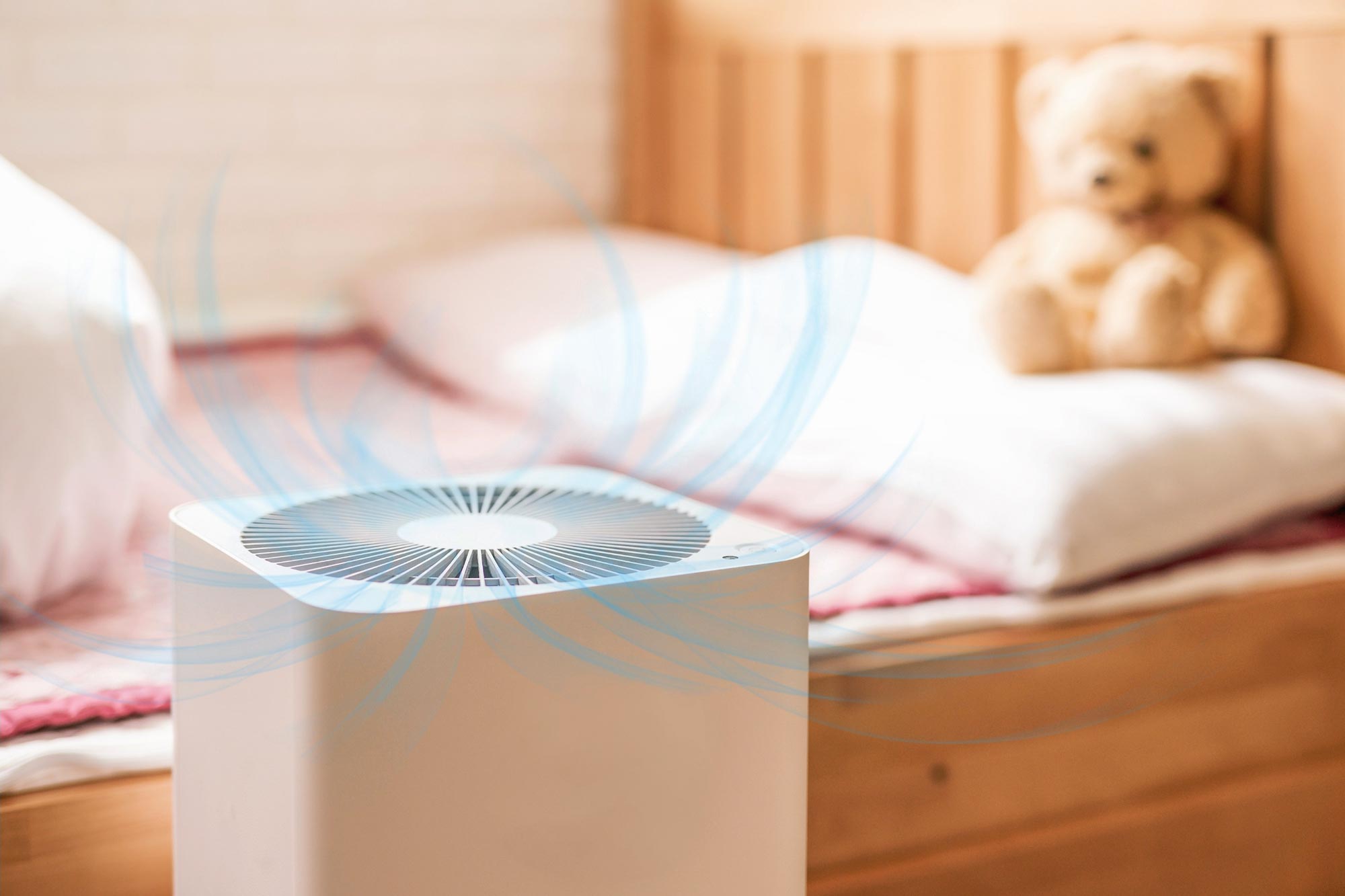
Using an in-home HEPA purifier for one month spurs a small but significant improvement in brain function in adults age 40 and older. That’s the result of a new study we co-authored in the journal Scientific Reports.
HEPA purifiers—HEPA stands for high-efficiency particulate air—remove particulate matter from the air. Exposure to particulate matter has been connected to respiratory and cardiovascular illnesses as well as neurological diseases such as Alzheimer’s and Parkinson’s. Environmental health researchers increasingly recommend that people use HEPA air purifiers in their homes to lower their exposure to particulate matter, but few studies have examined whether using them boosts mental function.
We analyzed data from a study of 119 people ages 30 to 74 living in Somerville, Massachusetts. Somerville sits along Interstate 93 and Route 28, two major highways, resulting in relatively high levels of traffic-related air pollution. This makes it an especially good location for testing the health effects of air purifiers.
Study Design and Cognitive Testing Methods
We randomly assigned participants to one of two groups. One used a HEPA air purifier for one month and then a sham air purifier—which looked and acted like the real thing but did not contain the air-cleaning filter—for one month, with a month-long break in between. The second group used the real and sham purifiers in reverse order.
After each month, participants took a test that measured different aspects of their mental capacity. The test probed people’s visual memory and motor speed skills by measuring how quickly they could draw lines between sequential numbers, and it tested executive function and mental flexibility by asking them to draw lines between alternating sequential numbers and letters.
We found that participants 40 years and older—about 42% of our sample—on average completed the section testing for mental flexibility and executive function 12% faster after using the HEPA purifier than after using the sham purifier. That was true even when we accounted for factors like differences in the amount of time participants spent indoors, with either filter, as well as how stressful they found the test.
Significance of Cognitive Improvements
This improvement may seem small, but it is similar to the cognitive benefits that people experience from increasing their daily exercise. While you may not experience a sudden increase in clarity from a 12% boost, preventing cognitive decline is vital for long-term well-being. Even small decreases in cognitive functioning may be associated with a higher risk of death.
Air pollution can negatively affect mental function after just a few hours of exposure. Studies show that air purifiers are effective at reducing particulates, but it’s unclear whether these reductions can prevent cognitive harm from ongoing pollution sources like traffic. Research has been especially lacking in people living near major sources of air pollution, such as highways.
People living near highways or major roadways are exposed to more air pollution and also experience higher rates of air pollution-related diseases. These risks aren’t encountered by all Americans equally: People of color and low-income people are more likely to live near highways or areas with heavy traffic.
Health Implications and Age Factors
Our study indicates that HEPA air purifiers may offer meaningful health benefits under these circumstances.
Research shows that air pollution begins to affect cognitive function especially strongly around age 40. These effects may become increasingly prominent as people age.
HEPA air purifiers may therefore be especially beneficial for older adults. Our study did not explore this possibility, as fewer than 10 of our 119 participants were over the age of 60.
Limitations and Future Research Directions
Also, our participants only used a HEPA air purifier for one month. It’s possible that longer durations of air purification may sustain or even increase the improvement in cognitive function we observed in our study.
Finally, it is unclear exactly how air purifiers improve cognition. Some studies suggest that exposure to particulate matter reduces the amount of the brain’s white matter, which helps brain cells conduct electrical signals and maintains connections between brain regions. The brain regions most harmed by air pollution are the ones that control mental flexibility and executive function, the same domains in which we saw improvements in our study.
We plan to study whether reducing particulate matter by using air purifiers is indeed protecting the brain’s white matter and whether it could reverse some cognitive decline. We will explore that possibility by studying how levels of molecules called metabolites, which cells produce as they do their jobs, change in response to breathing polluted air and air cleaned by a HEPA filter.
Reference: “Effect of HEPA filtration air purifiers on cognitive function from a secondary outcome analysis of a pragmatic randomized crossover trial” by Nicholas Pellegrino, Misha Eliasziw, Richard Fortinsky, Hunter Gates and Doug Brugge, 16 April 2026, Scientific Reports.
DOI: 10.1038/s41598-026-48063-8
Nicholas Pellegrino and Doug Brugge received funding from the National Institute of Environmental Health Sciences under Grant ID: R01 ES030289. Doug Brugge receives funding from NIH. Misha Eliasziw receives funding from NIH.
Adapted from an article originally published in The Conversation.
Never miss a breakthrough: Join the SciTechDaily newsletter.
Follow us on Google and Google News.