
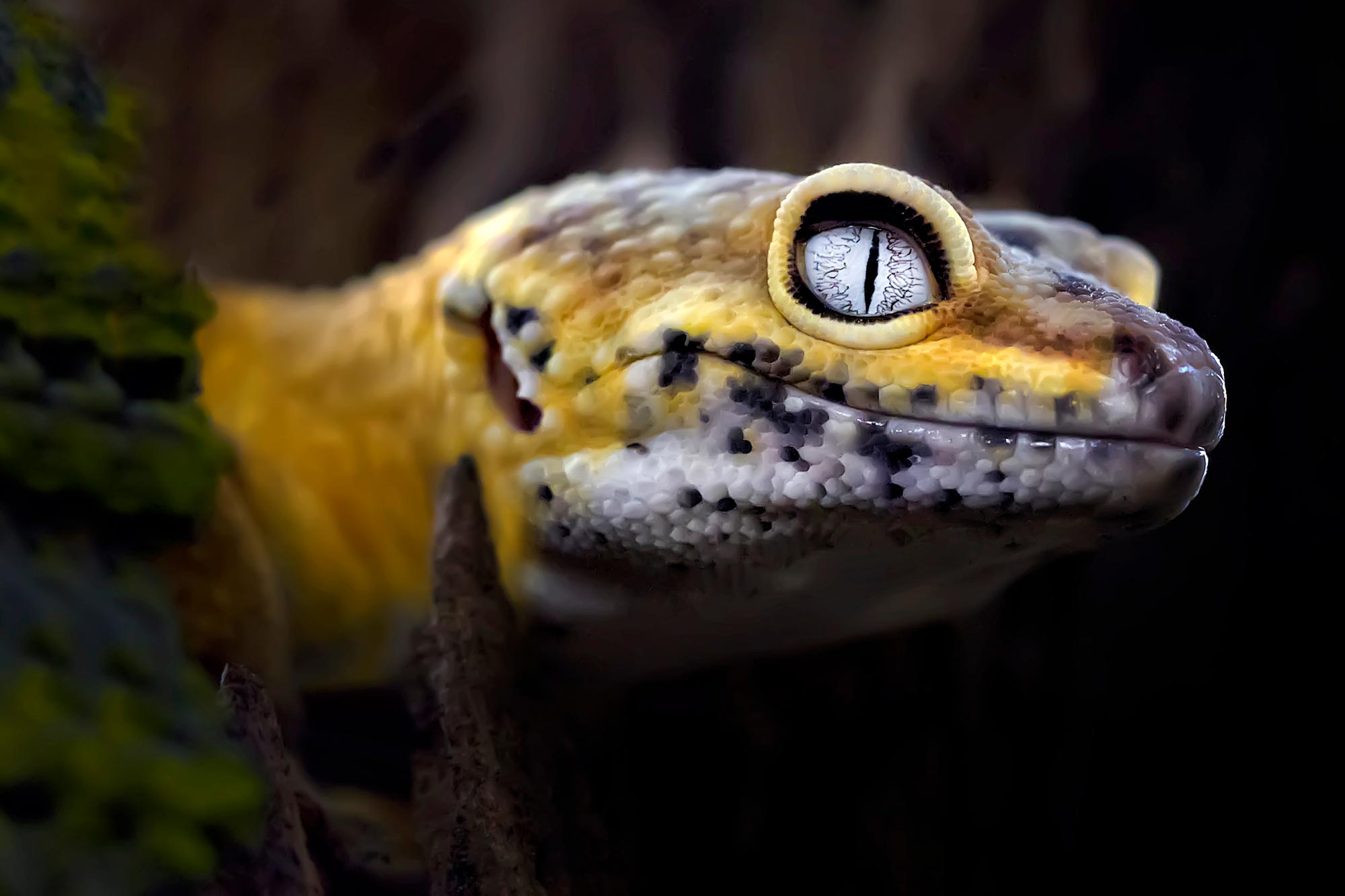
A cancer-prone pet gecko may offer powerful new clues about how tumors develop, spread, and resist treatment.
A pet gecko known for developing tumors at an exceptionally high rate could offer scientists a valuable new way to study how cancer begins, evolves, and spreads, according to research led by experts at the University of Nottingham.
Published in BMC Biology, the findings may also help researchers understand why certain animals are especially vulnerable to cancer while others develop the disease only rarely.
A Gecko With an Extraordinary Cancer Risk
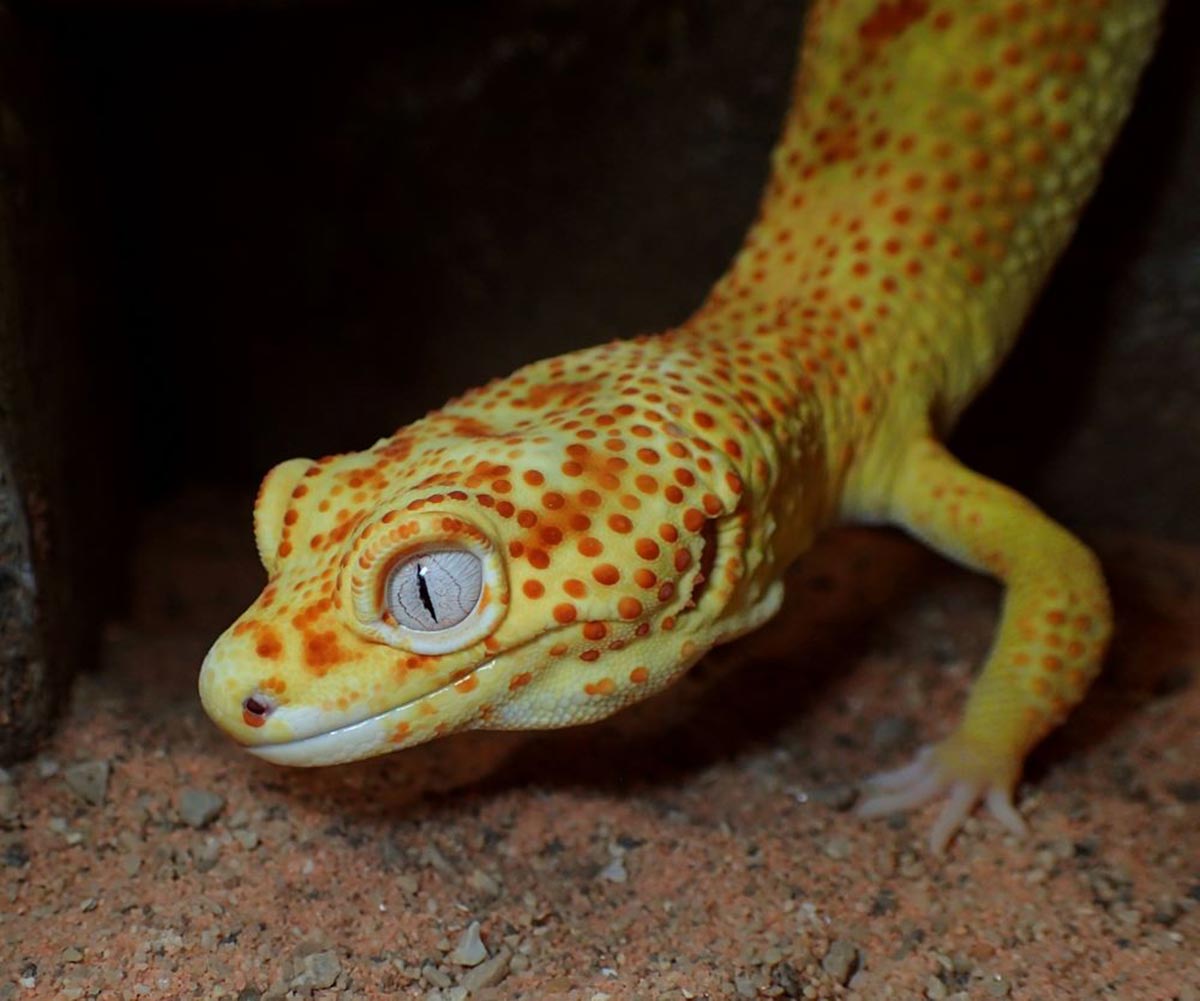
Cancer appears to be uncommon in some reptiles, including turtles and tortoises. However, the leopard gecko color variety sold in the pet trade as the “lemon frost” morph presents a striking exception. Aggressive tumors develop in about 80% of these geckos.
Researchers have now identified genomic changes associated with the disease. Several of those changes involve genes and biological processes that are also connected to cancer in humans.
The research was led by Dr. Ylenia Chiari from the School of Life Sciences at the University of Nottingham.
The international team included PhD researcher Brandon Hastings (University of Nottingham), Dr. Scott Glaberman (University of Birmingham), Dr. Tony Gamble (Marquette University), Dr. Robert Ossiboff (University of Florida), and Virginia Gazziero and Dr. Giulio Caravagna (University of Trieste).
Dr. Chiari said: “By studying why some animals are so susceptible to cancer while others are remarkably resistant, we hope to uncover the different ways species have evolved to deal with cancer. Specifically, this gecko could become an incredible model in cancer research because tumors appear naturally at a relatively early age. Together, these natural strategies could inspire new ways of preventing, detecting, and treating cancer in humans.”
How the Lemon Frost Gecko Emerged
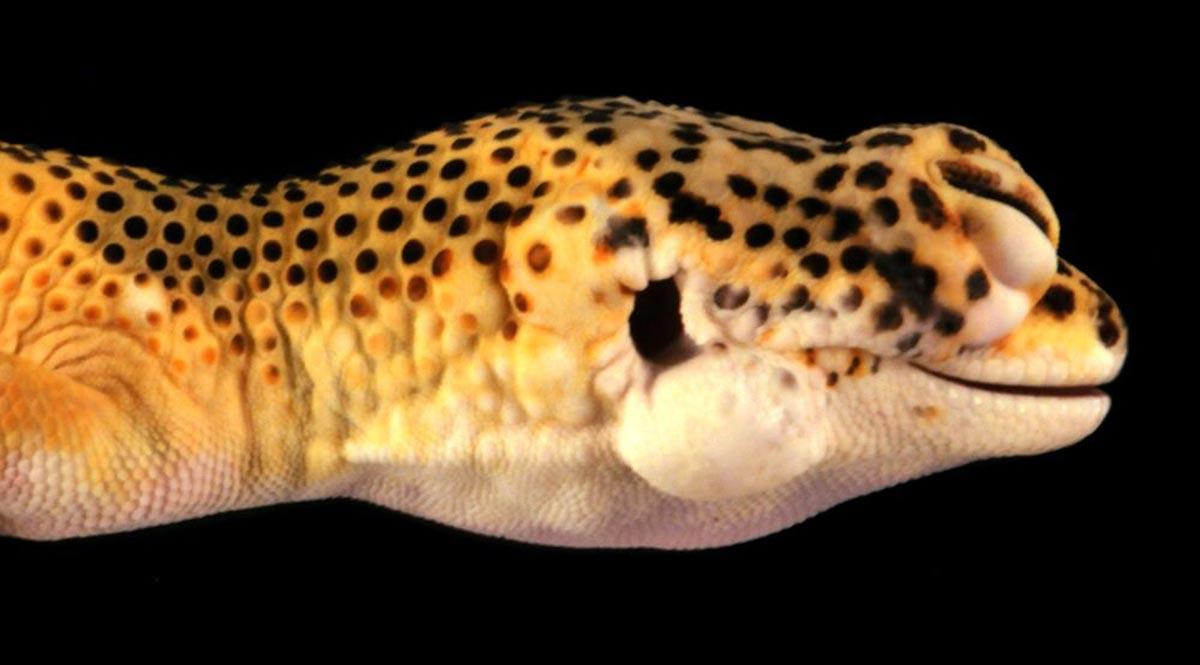
The lemon frost gecko is a distinctive white and yellow variety that first appeared after a spontaneous genetic mutation occurred during selective breeding in a large leopard gecko colony.
After the variety entered the pet trade, breeders soon observed that many of the animals developed aggressive tumors. In numerous cases, the cancer spread to other parts of the body.
This natural tendency could make the gecko particularly useful for cancer research. Scientists commonly study cancer in mice, but tumors usually have to be artificially induced in those animals. Lemon frost geckos, by contrast, often develop tumors naturally and relatively early in life, and the disease frequently metastasizes.
That gives researchers a rare chance to follow how cancer forms, changes, and spreads in an animal that develops the disease without experimental induction.
Genome Sequencing Reveals Shared Cancer Biology
The team used whole-genome sequencing to compare cancerous tissue with healthy tissue collected from the same geckos.
Their analysis revealed several genomic changes that appeared repeatedly across the tumors. Many of the affected genes and biological pathways are already known to contribute to cancer in other organisms, including humans.
These similarities indicate that research involving lemon frost geckos may produce insights relevant not only to reptiles, but also to the broader study of cancer.
The results also support the use of a wider range of animal models in medical research. Species that naturally experience unusually high cancer rates could complement conventional laboratory animals and reveal aspects of the disease that traditional models may not capture.
Looking Across the Tree of Life
Bandon Hastings, one of the authors of the paper, said: “Overall, our paper demonstrates the importance of looking across the tree of life in search of answers that are needed to better understand diseases that can have a profound impact on human life, such as cancer. Methodologically, it also highlights that the variety of genomic software programs developed to analyze human cancers can be adapted to provide meaningful insights in diverse organisms.”
The researchers say that studying animals at both ends of the cancer spectrum could be especially valuable. Examining species that readily develop tumors alongside species that are naturally resistant may help scientists uncover different biological strategies for controlling the disease.
Dr. Scott Glaberman, from the University of Birmingham, who was also involved in the study, said: “We often look inward to solve human problems, but every species has something to teach us. By studying both animals that are vulnerable to cancer and those that resist it, we have far greater power to understand the disease itself. This is one of the many reasons why protecting biodiversity is so important.”
Reference: “Dissecting cancer in a non-mammalian model: genomic insights from lemon frost geckos” by Brandon T. Hastings, Tony Gamble, Robert J. Ossiboff, Virginia Gazziero, Giulio Caravagna, Scott Glaberman and Ylenia Chiari, 15 July 2026, BMC Biology.
DOI: 10.1186/s12915-026-02661-0
Never miss a breakthrough: Join the SciTechDaily newsletter.
Follow us on Google and Google News.