
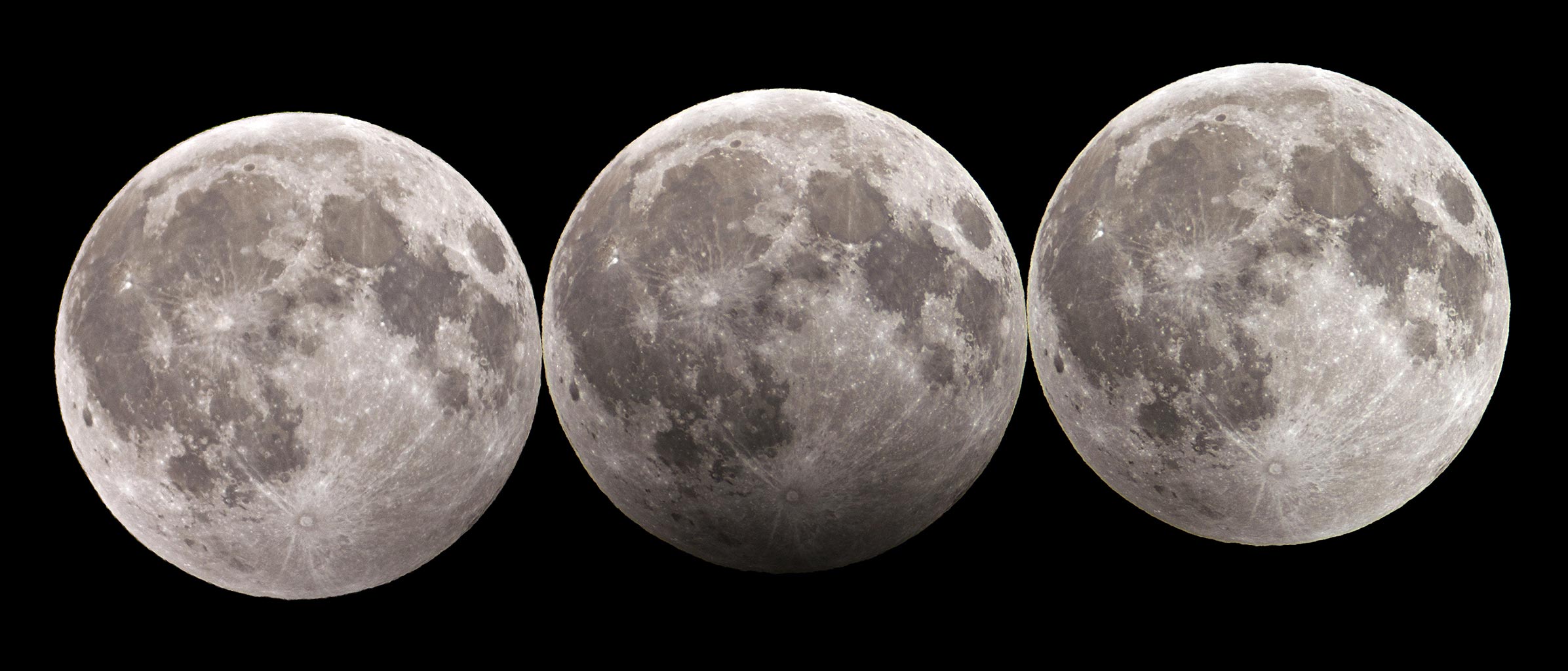
On May 5, 2023, people around the world will witness a lunar eclipse when the Earth gets between the Sun and the Moon and casts part of its shadow on the Moon.
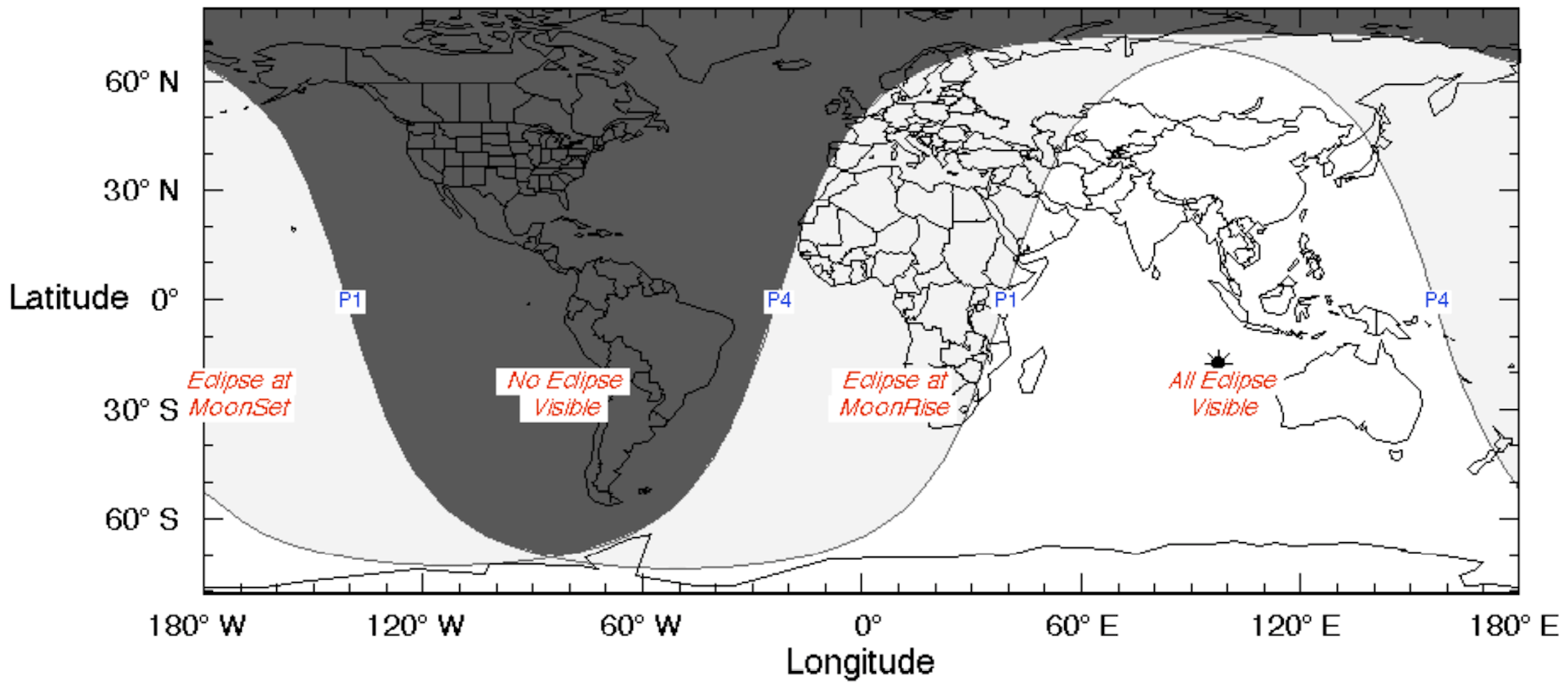
The eclipse will be visible in Africa, Asia, Australia and large portions of Europe, though not in the U.S. this time around. This eclipse is not what some call a “blood moon,” as it will not turn red. Instead, the Moon will dim slightly as it passes through a lighter part of the Earth’s shadow – called the penumbra.
I am the director of the Abrams Planetarium at Michigan State University and it is part of my job to get people outside and looking up, and eclipses are some of the easiest to see. While the upcoming event will not be the most stunning celestial display, it is just the first of a number of eclipses occurring over the next year, and they all work in similar ways.
How do eclipses work?
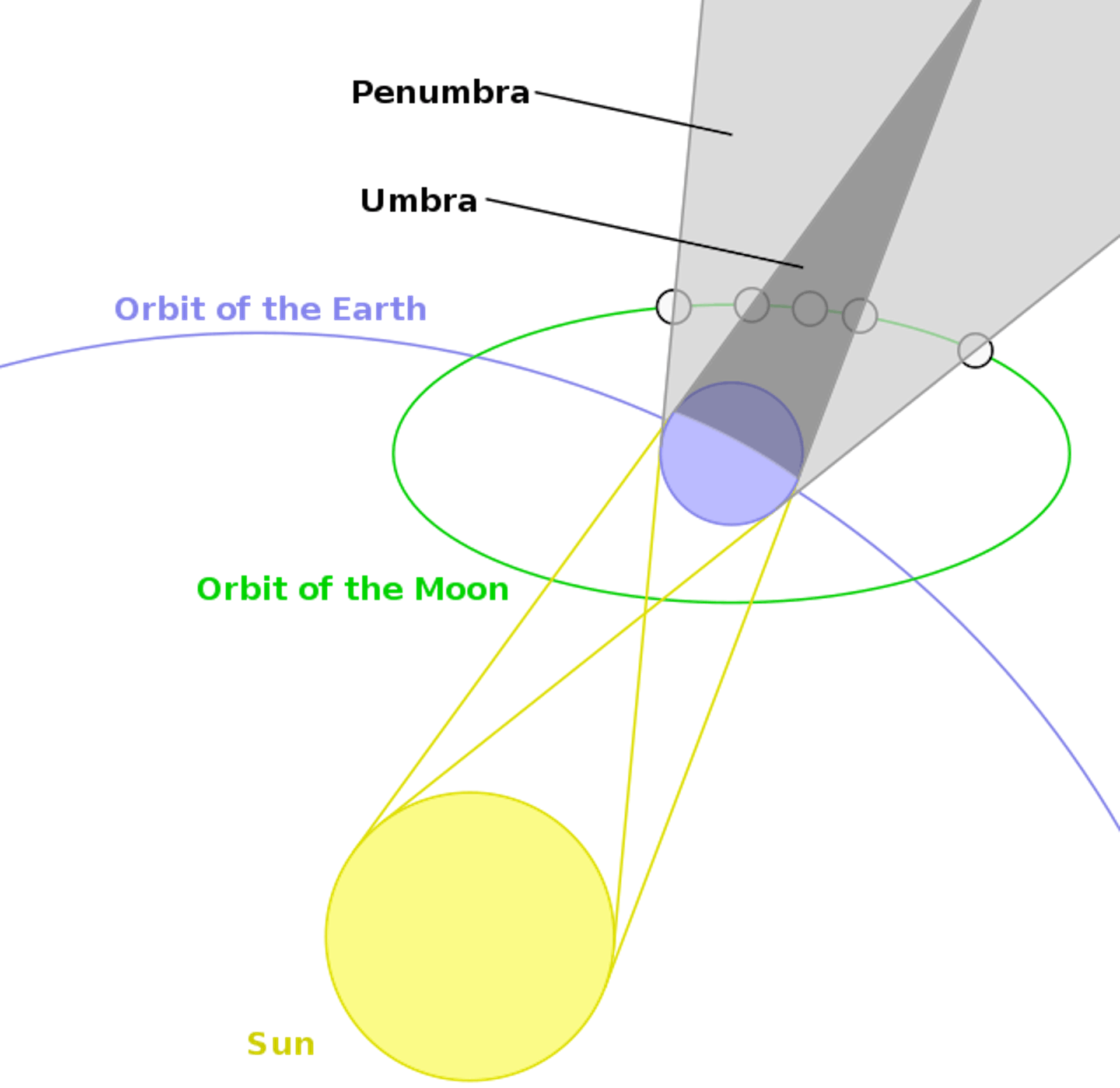
Both lunar and solar eclipses depend on particular orientations of the Earth, Sun, and Moon. A lunar eclipse occurs when the Earth’s shadow covers all or part of the Moon. This can only happen when the Moon is directly on the opposite side of the Earth from Sun, which is also when full moons occur.
If the Moon had a totally flat orbit, every full moon would be a lunar eclipse. But the Moon’s orbit is tilted by about 5 degrees relative to Earth’s orbit of the Sun. Because of this small tilt, most of the time a full moon ends up a little above or below the shadow cast by the Earth.
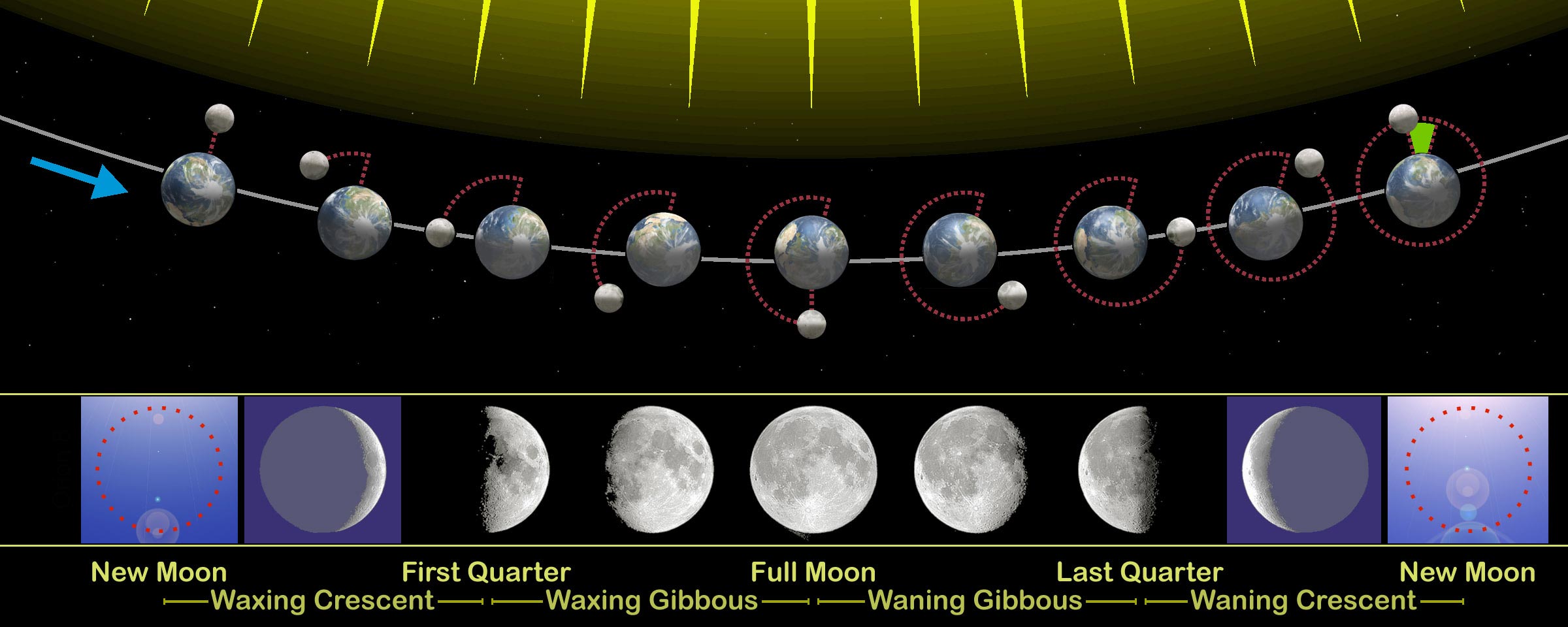
But twice in each monthlong lunar orbit, the Moon crosses through the same horizontal plane as the Earth and the Sun. If this happens during a full moon, the Sun, Earth and Moon will form a straight line and the Moon will pass through the Earth’s shadow, resulting in a lunar eclipse.
The Earth’s shadow
As the Sun shines light on Earth, Earth casts a shadow behind itself. But the darkness of shadows are not always uniform, and the shadow cast by the Earth is no exception.
The rays of light coming from a wide, or extended, light source – such as the Sun or a flashlight – don’t all come from the exact same location. Since the Sun is large, there can be quite a distance between the origin of rays of light heading toward Earth.
This difference in location means that when Earth blocks the light coming from one part of the Sun, it might not block out light coming from another location on the Sun. This results in parts of Earth’s shadow that are darker – the darkest part is where all light is blocked, while the lighter parts are because some light still makes it past the Earth.
A total lunar eclipse is when the Moon passes entirely through the darkest part, or umbra, of the Earth’s shadow. A partial lunar eclipse is when the umbra covers part of the Moon. The eclipse on May 5, 2023, is the last kind of eclipse where only the lighter part of the shadow will cover the Moon, which is why it is known as a penumbral lunar eclipse.
How can you see the lunar eclipse?
As long as you are on the night side of the Earth when a lunar eclipse happens, you can see it. The May 5 penumbral eclipse will be visible in most of Europe and Africa at moonrise, Asia and Australia will be able to see the entirety of the event in the middle of the night, and locations throughout the Pacific Ocean will be able to see it at moonset.
Lunar eclipses are relatively short, only lasting a few hours from start to finish. Totality, the part of the eclipse that is darkest, lasts about 30 to 60 minutes depending on how close to the center of the shadow you are.
For people in North and South America where the eclipse won’t be visible, there will be plenty more in the next few years. The next lunar eclipse will be Oct. 28, 2023, and will be a partial eclipse visible primarily in Africa, Europe, and Asia. But the Americas will have their own penumbral eclipse on March 25, 2024, followed by a partial lunar eclipse on Sep. 18, 2024.
For those hoping to catch the next total lunar eclipse, they will have to wait until March 14, 2025, when a total lunar eclipse will be visible from the Americas, western Europe and western Africa.
Written by Shannon Schmoll, Director of the Abrams Planetarium, Michigan State University.
This article was first published in The Conversation.
Never miss a breakthrough: Join the SciTechDaily newsletter.
Follow us on Google and Google News.
2 Comments
It’s great to see
What time will this be best to see in Shreveport Louisiana?