
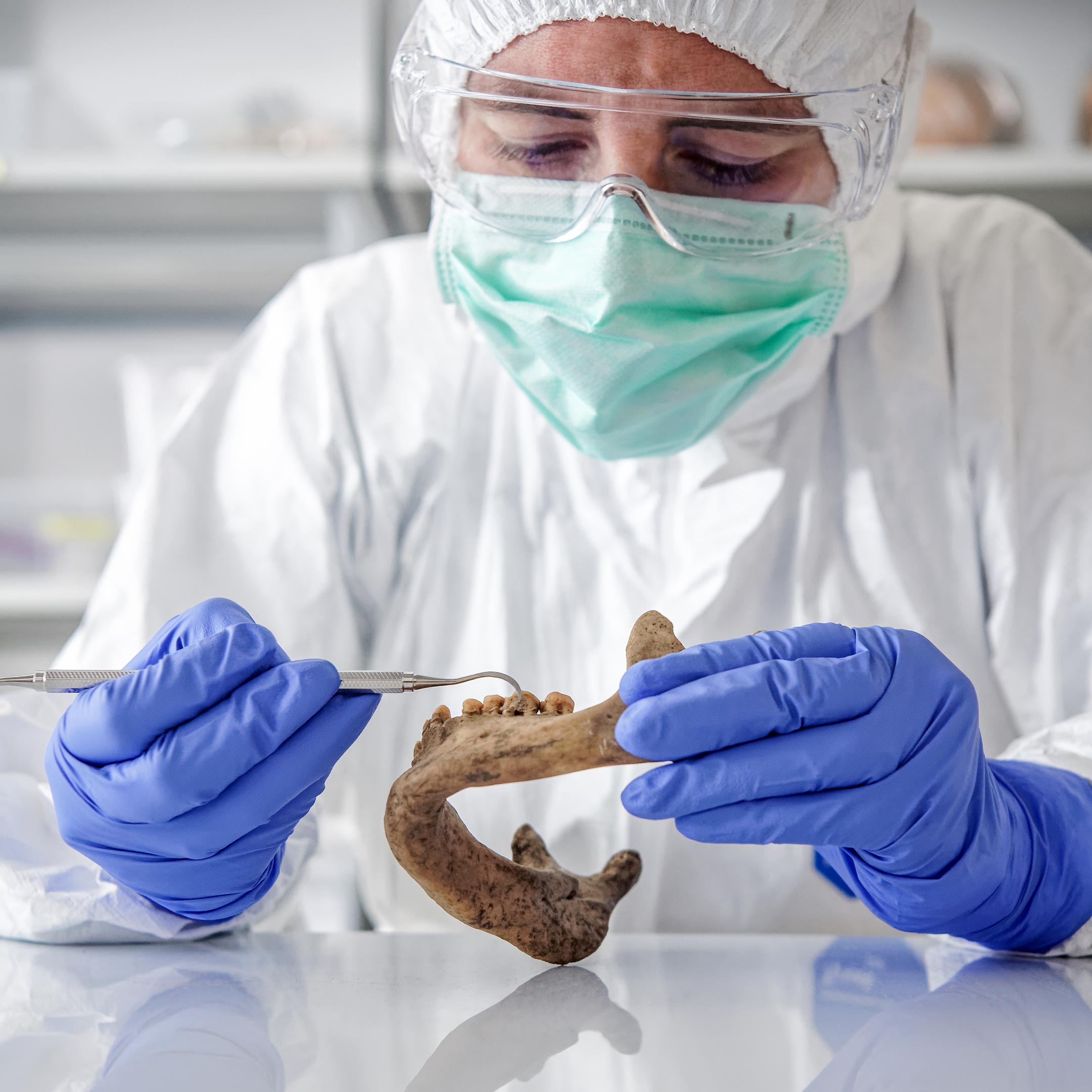
In a highly transdisciplinary study, scientists are rebuilding microbial natural products up to 100,000 years old using dental calculus of humans and Neanderthals.
Breakthroughs in ancient genome reconstruction and biotechnology are now revealing the rich molecular secrets of Paleolithic microorganisms. In a new study published in Science, a transdisciplinary team of researchers led by the Leibniz Institute for Natural Product Research and Infection Biology, the Max Planck Institute for Evolutionary Anthropology, and Harvard University reconstructed bacterial genomes of previously unknown bacteria dating to the Pleistocene. Using their genetic blueprints, they built a biotechnology platform to revive the ancient bacteria’s natural products.
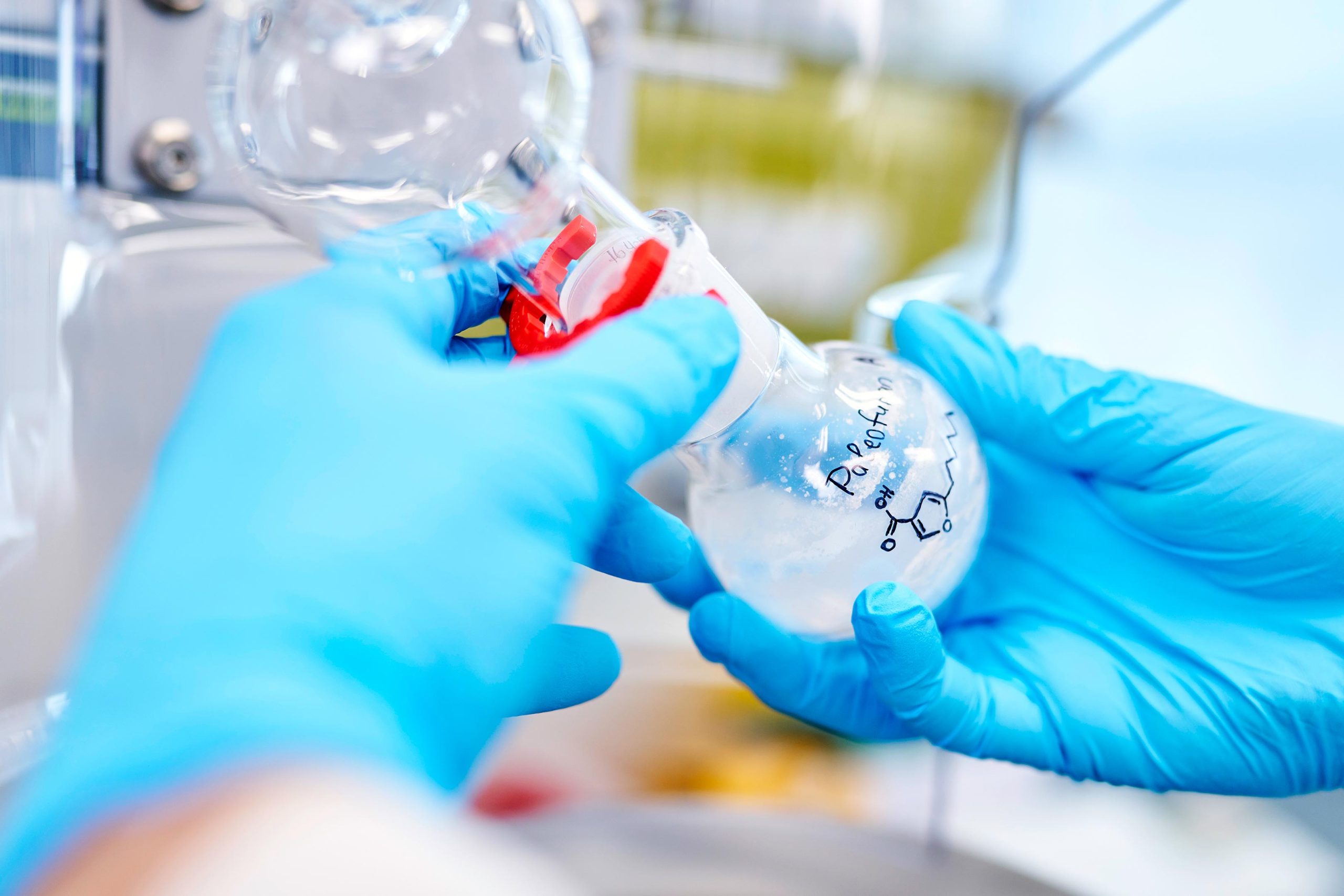
Microbes are Nature’s greatest chemists, and among their creations are a large number of the world’s antibiotics and other therapeutic drugs. Producing these complicated chemical natural products is not straightforward, and to do so bacteria rely on specialized kinds of genes that encode enzymatic machinery capable of making such chemicals. At present, scientific study of microbial natural products is largely limited to living bacteria, but given that bacteria have inhabited the earth for more than 3 billion years, there is an enormous diversity of past natural products with therapeutic potential that remain unknown to us – until now.
“In this study, we have reached a major milestone in revealing the vast genetic and chemical diversity of our microbial past,” says co-senior author Christina Warinner, Associate Professor of Anthropology at Harvard University, Group Leader at the Max Planck Institute for Evolutionary Anthropology, and Affiliate Group Leader at the Leibniz Institute of Natural Product Research and Infection Biology (Leibniz-HKI). “Our aim is to chart a path for the discovery of ancient natural products and to inform their potential future applications,” adds co-senior author Pierre Stallforth, Professor of Bioorganic Chemistry and Paleobiotechnology at Friedrich Schiller University Jena and Head of the Department of Paleobiotechnology at the Leibniz-HKI.
A Billion-Piece Jigsaw Puzzle
When an organism dies, its DNA rapidly degrades and fragments into a multitude of tiny pieces. Scientists can identify some of these DNA fragments by matching them to databases, but for years microbial archaeologists have struggled with the fact that most ancient DNA cannot be matched to anything known today. This problem has long vexed scientists, but recent advances in computing are now making it possible to refit the DNA fragments together – much like the pieces of a jigsaw puzzle – in order to reconstruct unknown genes and genomes. The only problem is that it does not work very well on highly degraded and extremely short ancient DNA from the Pleistocene.

“We had to completely rethink our approach,” says Alexander Hübner, postdoctoral researcher at the Max Planck Institute for Evolutionary Anthropology and co-lead author of the study. Three years of testing and optimization later, Hübner says they reached a breakthrough, achieving stretches of reconstructed DNA more than 100,000 base pairs in length and the recovery of a wide range of ancient genes and genomes. “We can now start with billions of unknown ancient DNA fragments and systematically order them into long-lost bacterial genomes of the Ice Age.”
Exploring the Microbial Paleolithic
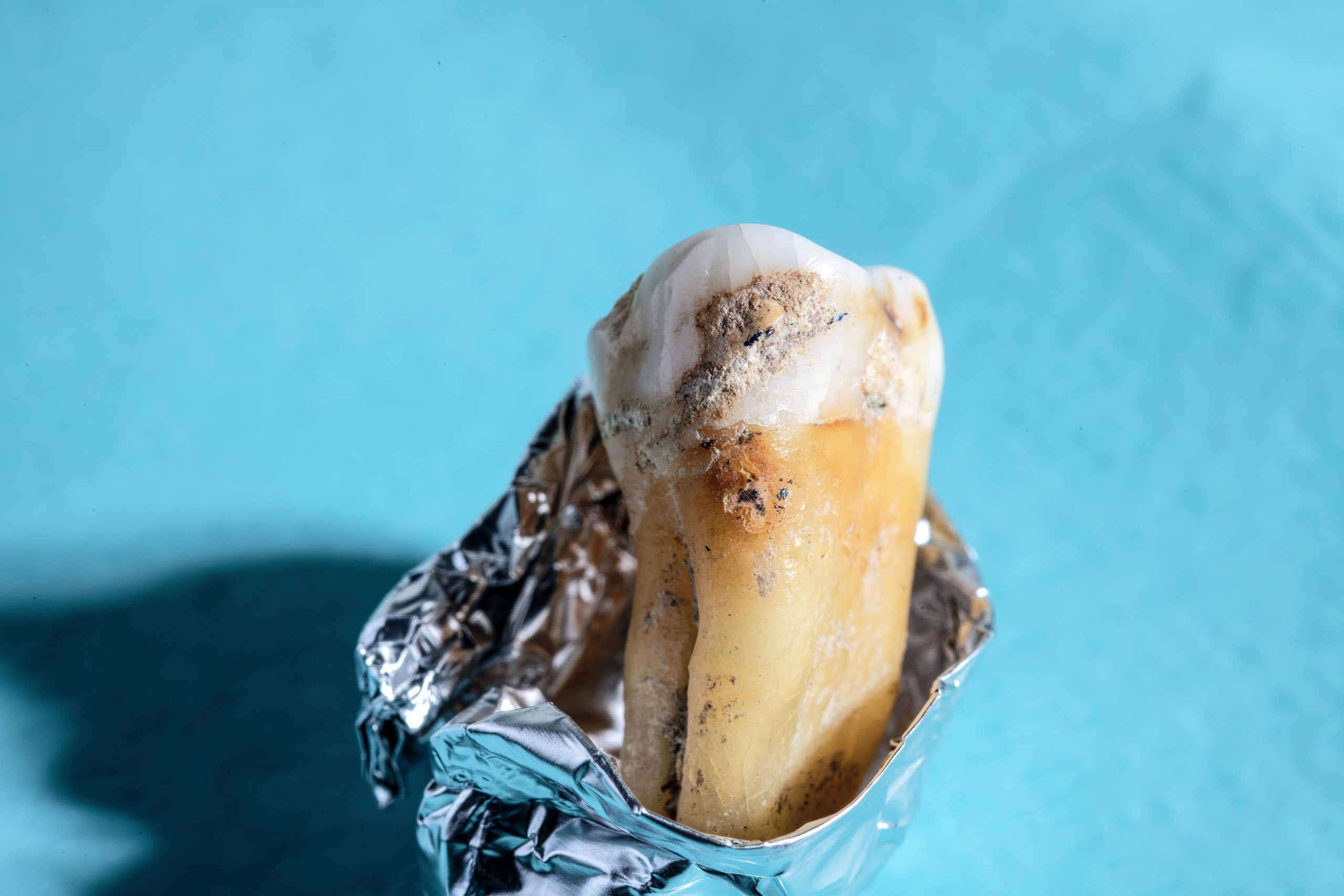
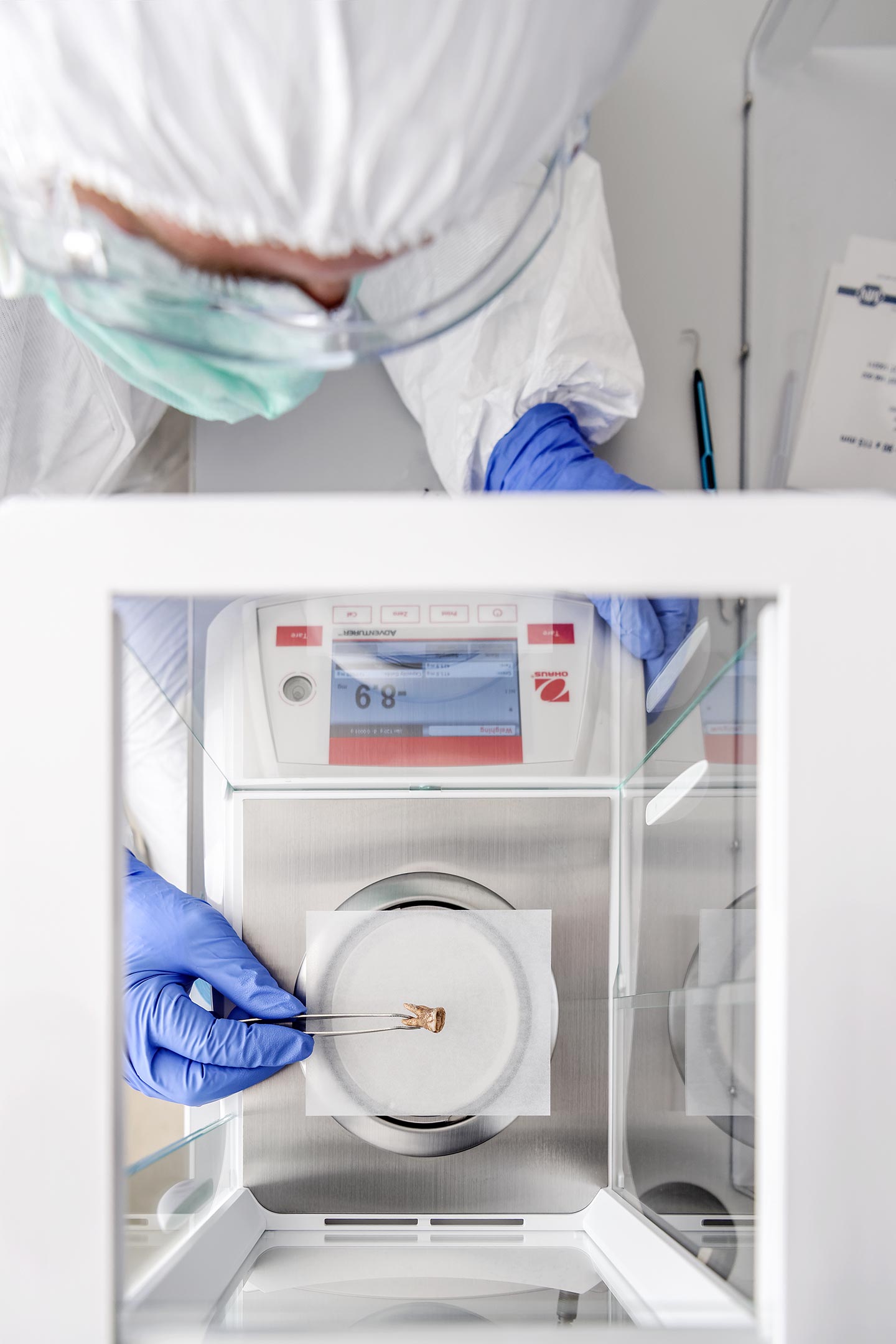
The team focused on reconstructing bacterial genomes encased within dental calculus, also known as tooth tartar, from 12 Neanderthals dating to ca. 102,000–40,000 years ago, 34 archaeological humans dating to ca. 30,000–150 years ago, and 18 present-day humans. Tooth tartar is the only part of the body that routinely fossilizes during the lifetime, turning living dental plaque into a graveyard of mineralized bacteria. The researchers reconstructed numerous oral bacterial species, as well as other more exotic species whose genomes had not been described before.
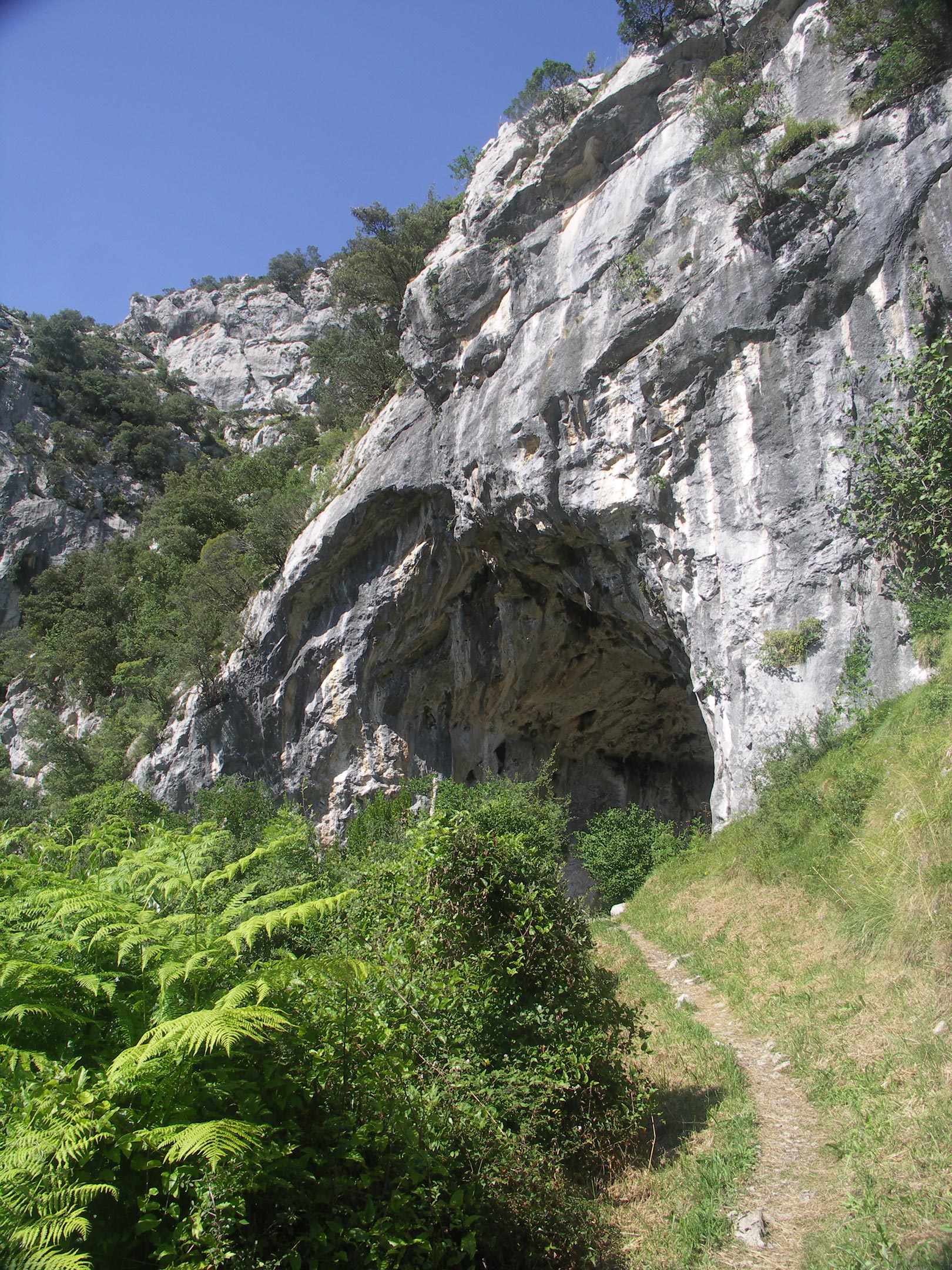
Among these was an unknown member of Chlorobium, whose highly damaged DNA showed the hallmarks of advanced age, and which was found in the dental calculus of seven Paleolithic humans and Neanderthals. All seven Chlorobium genomes were found to contain a biosynthetic gene cluster of unknown function. “The dental calculus of the 19,000-year-old Red Lady of El Mirón, Spain yielded a particularly well-preserved Chlorobium genome,” says Anan Ibrahim, postdoctoral researcher at the Leibniz Institute of Natural Product Research and Infection Biology and co-lead author of the study. “Having discovered these enigmatic ancient genes, we wanted to take them to the lab to find out what they make”.
Ice Age Chemistry
The team used the tools of synthetic molecular biotechnology to allow living bacteria to produce the chemicals encoded by the ancient genes. This was the first time this approach had been successfully applied to ancient bacteria, and it resulted in the discovery of a new family of microbial natural products that the researchers named “paleofurans.” “This is the first step towards accessing the hidden chemical diversity of earth’s past microbes, and it adds an exciting new time dimension to natural product discovery,” says Martin Klapper, postdoctoral researcher at the Leibniz Institute of Natural Product Research and Infection Biology and co-lead author of the study.
A Novel Collaboration To Found a New Field
The success of the study is the direct outcome of an ambitious collaboration between archeologists, bioinformaticians, molecular biologists, and chemists to overcome technological and disciplinary barriers and break new scientific ground. “With funding from the Werner Siemens Foundation, we set out to build bridges between the humanities and natural sciences,” says Pierre Stallforth. “By working collaboratively, we were able to develop the technologies needed to recreate molecules produced a hundred thousand years ago ,” says Christina Warinner. Looking towards the future, the team hopes to use the technique to find new antibiotics.
Reference: “Natural products from reconstructed bacterial genomes of the Middle and Upper Paleolithic” by Martin Klapper, Alexander Hübner, Anan Ibrahim, Ina Wasmuth, Maxime Borry, Veit G. Haensch, Shuaibing Zhang, Walid K. Al-Jammal, Harikumar Suma, James A. Fellows Yates, Jasmin Frangenberg, Irina M. Velsko, Somak Chowdhury, Rosa Herbst, Evgeni V. Bratovanov, Hans-Martin Dahse, Therese Horch, Christian Hertweck, Manuel Ramon González Morales, Lawrence Guy Straus, Ivan Vilotijevic, Christina Warinner and Pierre Stallforth, 4 May 2023, Science.
DOI: 10.1126/science.adf5300
Funding: Werner Siemens-Stiftung, Deutsche Forschungsgemeinschaft, Max-Planck-Gesellschaft, Leibniz-Gemeinschaft
Never miss a breakthrough: Join the SciTechDaily newsletter.
Follow us on Google and Google News.
1 Comment
The biotech scientists should also test these rare ancient bacteria in real life experiment on rodent in their tooth tarter & plaque to see how these bacteria survive, behave & work in present day environment.