
Close Menu
    Facebook X (Twitter) Instagram
    SciTechDaily
    • Biology
    • Chemistry
    • Earth
    • Health
    • Physics
    • Science
    • Space
    • Technology
    Facebook X (Twitter) Pinterest YouTube RSS
    SciTechDaily
    Home»Biology»Underwater Sound Devices Called “Pingers” Could Save Porpoises From Fishing Nets
    Biology

    Underwater Sound Devices Called “Pingers” Could Save Porpoises From Fishing Nets

    By University of ExeterMay 15, 2020No Comments3 Mins Read
    Facebook Twitter Pinterest Telegram LinkedIn WhatsApp Email Reddit
    Share
    Facebook Twitter LinkedIn Pinterest Telegram Email Reddit
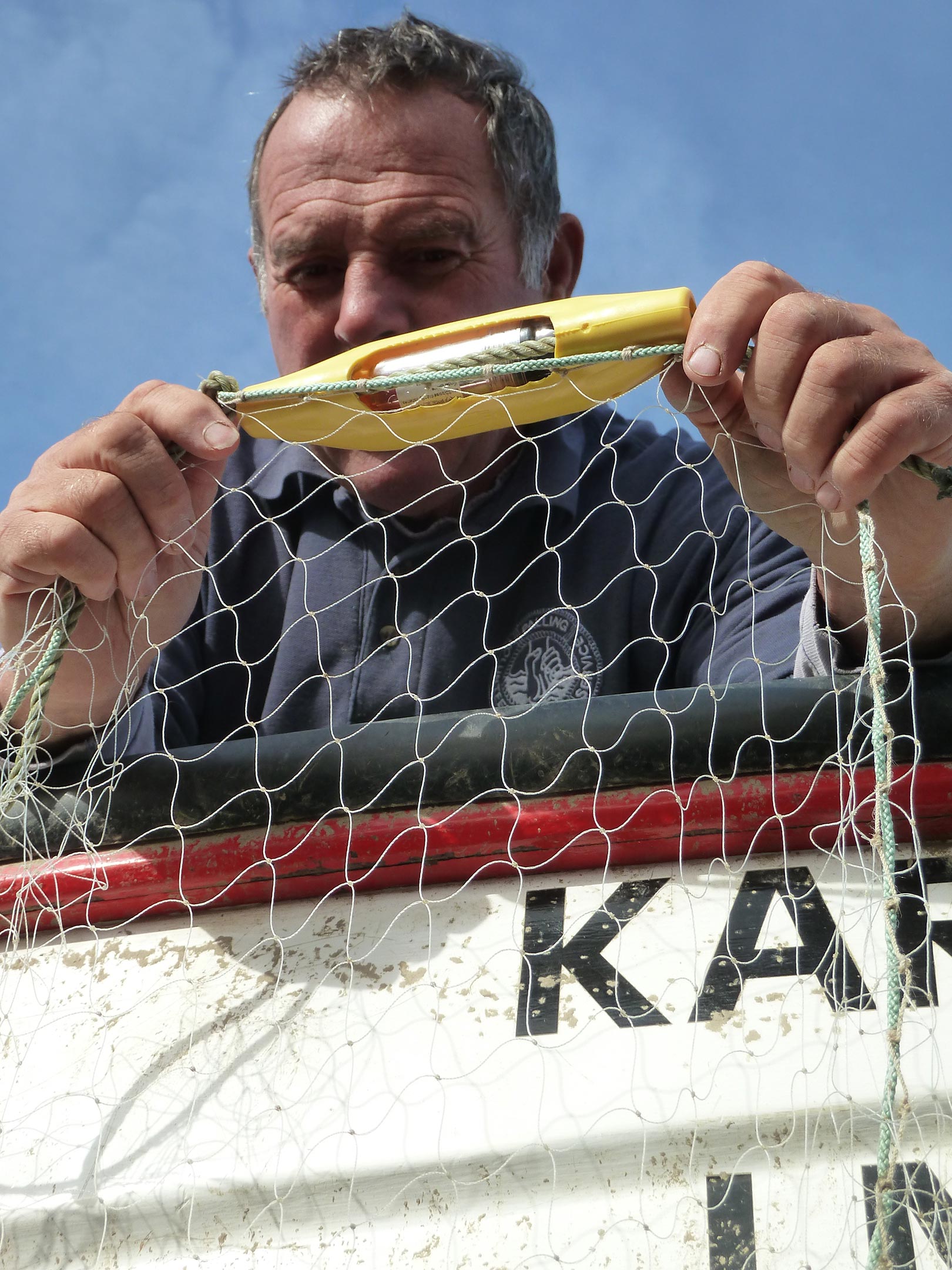
    Fisherman With Pinger
    A fisherman with a pinger. Credit: Fishtek Marine

    Underwater sound devices called “pingers” could be an effective, long-term way to prevent porpoises from getting caught in fishing nets with no negative behavioral effects, newly published research suggests.

    The study of harbor porpoises off Cornwall found they were 37% less likely to be found close to an active pinger.

    Concerns have been raised about porpoises becoming used to pingers and learning to ignore them, but the eight-month study — by the University of Exeter and Cornwall Wildlife Trust — found no decrease in effectiveness.

    There have also been worries that continual pinger use could affect porpoise behavior by displacing them from feeding grounds, but when pingers were switched off the animals returned “with no delay.”

    The effect was found to be “very localized” — the 37% reduction in porpoise detection at the active pinger compared to a drop of 9% just 100 meters away.

    Harbor Porpoises
    Harbor porpoises at Newlyn. Credit: Nick Tregenza

    Harbour porpoises are the most common cetaceans (whales, dolphins, and porpoises) seen at the Cornish coast, where accidental catching by fishing boats (“bycatch”) is a persistent problem.

    “Cornwall Wildlife Trust have been monitoring local dolphin and porpoise deaths through our standings scheme for over 25 years, and bycatch is still the biggest threat to these animals in the South West with large numbers washing ashore every year,” said Ruth Williams, of Cornwall Wildlife Trust.

    “Together with other NGOs we have campaigned to try to find a solution to reduce bycatch, that will work in our inshore fisheries.

    “The results of this latest research show that there is a practical solution that is both effective and does not impact or change the animals’ behavior, a positive result for both conservation and fishermen alike.” Lead author Dr. Lucy Omeyer, of the University of Exeter and Fishtek, said: “Based on our findings, it seems likely that pingers would reduce harbor porpoise bycatch in gill-net fisheries with no negative consequences.
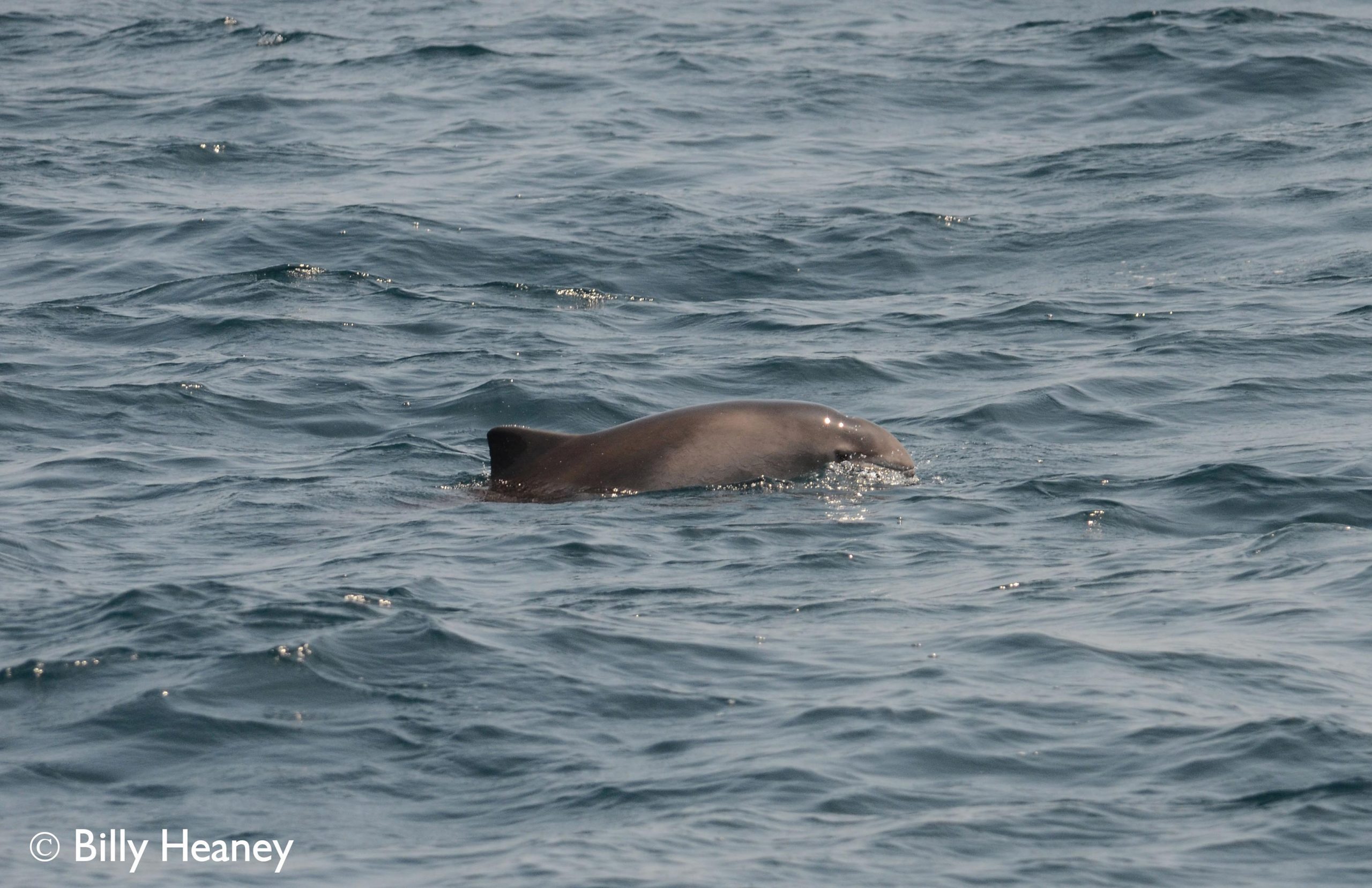
    Harbor Porpoise
    Harbor porpoise. Credit: Billy Heaney

    “Indeed, we found no evidence that long-term and continual use decreased the effectiveness of pingers or affected harbor porpoise behavior.”

    Pingers are acoustic deterrent devices that are fitted on to fishing nets.

    They work by emitting a randomized sonic noise, or “ping,” which can be heard by dolphins and porpoises and highlights the presence of the nets, thereby preventing accidental entanglement.

    The porpoises’ own click sounds can be way above 100 times louder than the pings from the pinger.

    In the study, Fishtek Banana Pingers were placed in the water along with two acoustic loggers (one beside the pinger and one 100m away) to record cetacean activity.

    With small-scale operations the main form of fishing in UK waters, the researchers say there is an “acute need” for cost-effective strategies to prevent bycatch, such as pingers.

    The study was partly funded by Whale and Dolphin Conservation.

    Cornwall Wildlife Trust’s marine strandings report recorded 245 cetacean strandings in Cornwall in 2019.

    Reference: “Assessing the Effects of Banana Pingers as a Bycatch Mitigation Device for Harbour Porpoises (Phocoena phocoena)” by Lucy C. M. Omeyer, Philip D. Doherty, Sarah Dolman, Robert Enever, Allan Reese, Nicholas Tregenza, Ruth Williams and Brendan J. Godley, 13 May 2020, Frontiers in Marine Science.
    DOI: 10.3389/fmars.2020.00285

    Never miss a breakthrough: Join the SciTechDaily newsletter.
    Follow us on Google and Google News.

    Agriculture Ecology Fish Marine Biology University of Exeter
    Share. Facebook Twitter Pinterest LinkedIn Email Reddit

    Related Articles

    Vast Seabird Colony Creates “Halo” of Depleted Fish Stocks

    Thousands of Sharks Illegally Caught in Marine Protected Area in the Indian Ocean

    Overfishing of Atlantic Cod Likely Did Not Cause Genetic Changes – Hope for Recovery

    Lessons From a Failed Experiment: When “Eradicated” Species Bounce Back With a Vengeance

    “Functional Eradication” – Limiting Invasive Species May Be a Better Goal Than Eliminating Them

    Ocean’s Mammals at Crucial Crossroads – 25% of Species at Risk of Extinction

    Fish Poop Helps Remove 1.65 Billion Tons of Carbon From the Atmosphere Each Year

    New Hope for Coral Reef Restoration From Playing Sounds of Healthy Reefs on Loudspeakers

    European Catfish Learn to Catch Pigeons

    Leave A Reply Cancel Reply

    • Facebook
    • Twitter
    • Pinterest
    • YouTube

    Don't Miss a Discovery

    Subscribe for the Latest in Science & Tech!

    Trending News

    Artificial Sweeteners May Harm Future Generations, Study Suggests

    Splashdown! NASA Artemis II Returns From Record-Breaking Moon Mission

    What If Consciousness Exists Beyond Your Brain

    Scientists Finally Crack the 100-Million-Year Evolutionary Mystery of Squid and Cuttlefish

    Beyond “Safe Levels”: Study Challenges What We Know About Pesticides and Cancer

    Researchers Have Found a Dietary Compound That Increases Longevity

    Scientists Baffled by Bizarre “Living Fossil” From 275 Million Years Ago

    Your IQ at 23 Could Predict Your Wealth at 27, Study Finds

    Follow SciTechDaily
    • Facebook
    • Twitter
    • YouTube
    • Pinterest
    • Newsletter
    • RSS
    SciTech News
    • Biology News
    • Chemistry News
    • Earth News
    • Health News
    • Physics News
    • Science News
    • Space News
    • Technology News
    Recent Posts
    • “Asian Flush” May Be a Hidden Trigger for Deadly Heart Damage
    • AI Could Detect Early Signs of Alzheimer’s in Under a Minute – Far Before Traditional Tests
    • What if Dark Matter Has Two Forms? Bold New Hypothesis Could Explain a Cosmic Mystery
    • Researchers Expose Hidden Chemistry of “Ore-Forming” Elements in Biology
    • Geologists Reveal the Americas Collided Earlier Than We Thought
    Copyright © 1998 - 2026 SciTechDaily. All Rights Reserved.
    • Science News
    • About
    • Contact
    • Editorial Board
    • Privacy Policy
    • Terms of Use

    Type above and press Enter to search. Press Esc to cancel.