
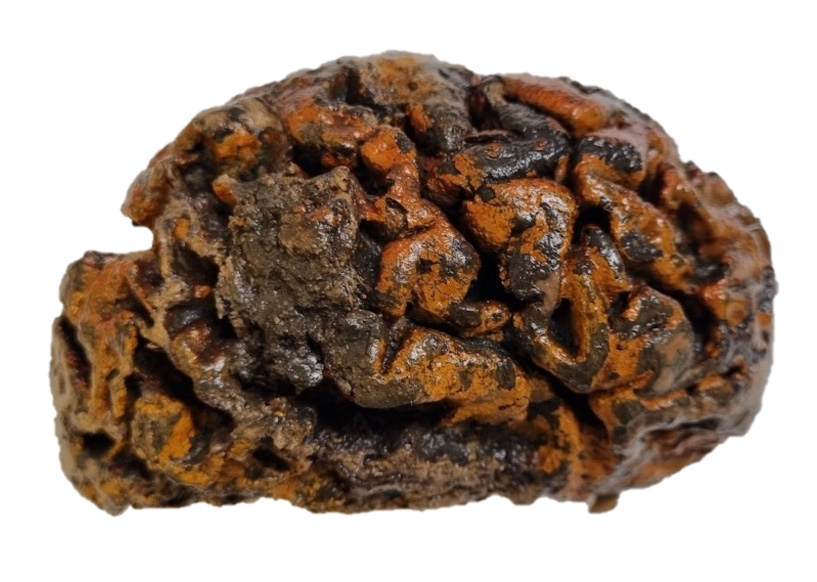
Soft tissue preservation in the geological record is relatively rare, and, except where deliberate intervention halts the process of decay (like embalming or freezing), the survival of entire organs is particularly unusual. The spontaneous preservation of the brain in the absence of any other soft tissues – that is, the brain’s survival amongst otherwise skeletonized remains – has historically been regarded as a ‘one-of-a-kind’ phenomenon.
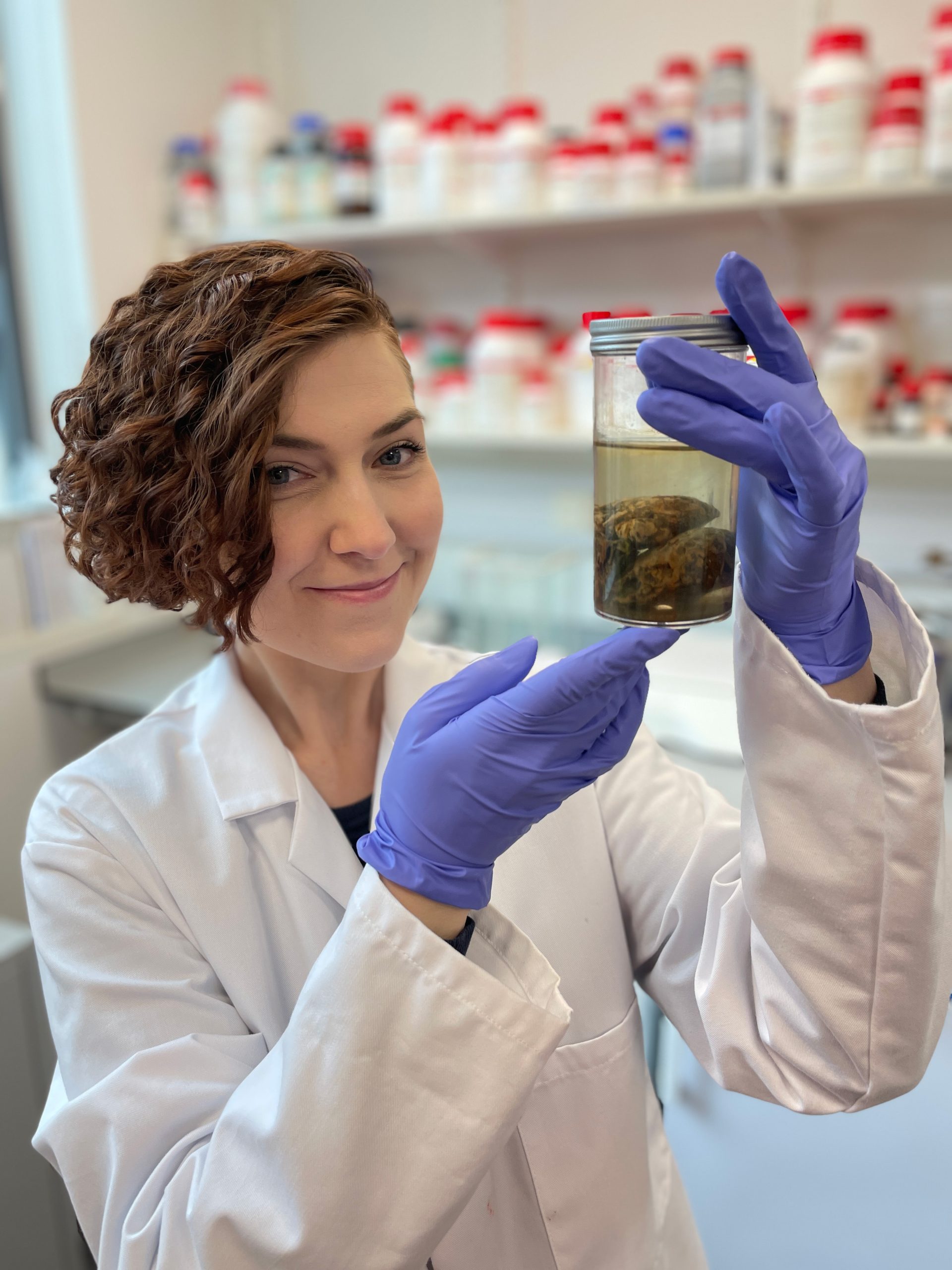
A new study conducted by researchers at the University of Oxford, led by postgraduate researcher Alexandra Morton-Hayward (Department of Earth Sciences, Oxford), has challenged previously held views that brain preservation in the archaeological record is extremely rare.
The team compiled a new archive of preserved human brains, which highlighted that nervous tissues actually persist in much greater abundance than traditionally thought, assisted by conditions that prevent decay. This global archive, drawing on source material in more than ten languages, represents the largest, most complete study of the archaeological literature to date, and exceeds 20-fold the number of brains previously compiled.
Global Findings and Historical Significance
This work, published in the Proceedings of the Royal Society B, brings together the records of more than 4,000 preserved human brains from over two hundred sources, across six continents (excluding Antarctica). Many of these brains were up to 12,000 years old, and found in records dating back to the mid-17th century.
Scouring the literature and canvassing historians worldwide, this concerted search revealed a bewildering array of archaeological sites yielding ancient human brains, including the shores of a lakebed in Stone Age Sweden, the depths of an Iranian salt mine around 500 BC, and the summit of Andean volcanoes at the height of the Incan Empire.
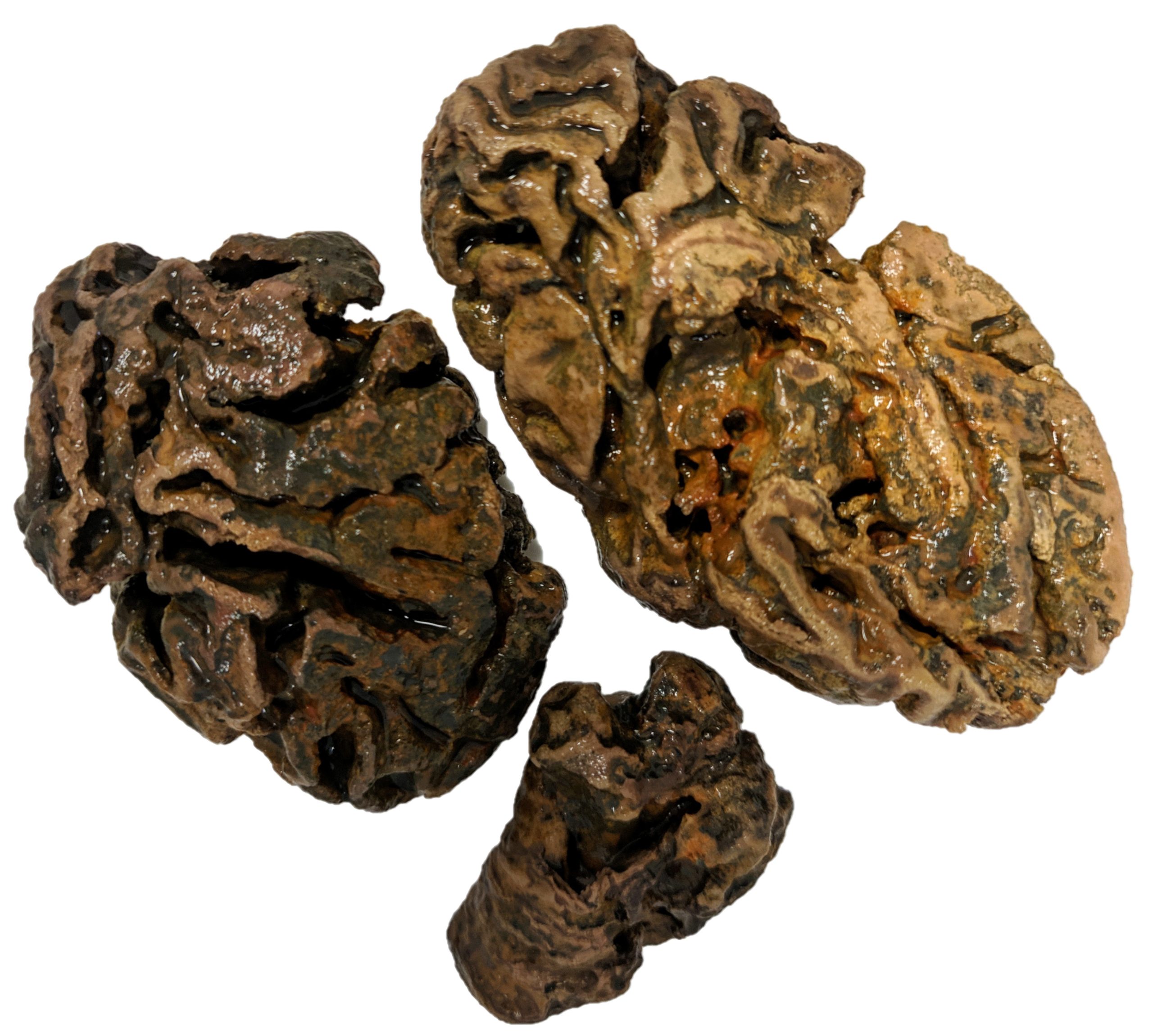
These shrunken, discolored tissues were found preserved in all manner of individuals: from Egyptian and Korean royalty, through British and Danish monks, to Arctic explorers and victims of war.
Environmental Factors in Preservation
Co-author, Professor Erin Saupe, Department of Earth Sciences, University of Oxford, said: “This record of ancient brains highlights the array of environments in which they can be preserved from the high arctic to arid deserts.”
Every brain in the database was matched with historic climate data from the same area, to explore trends in when and where they were found. The analyses revealed patterns in the environmental conditions associated with different modes of preservation through time – including dehydration, freezing, saponification (the transformation of fats to ‘grave wax’) and tanning (usually with peat, to form bog bodies).
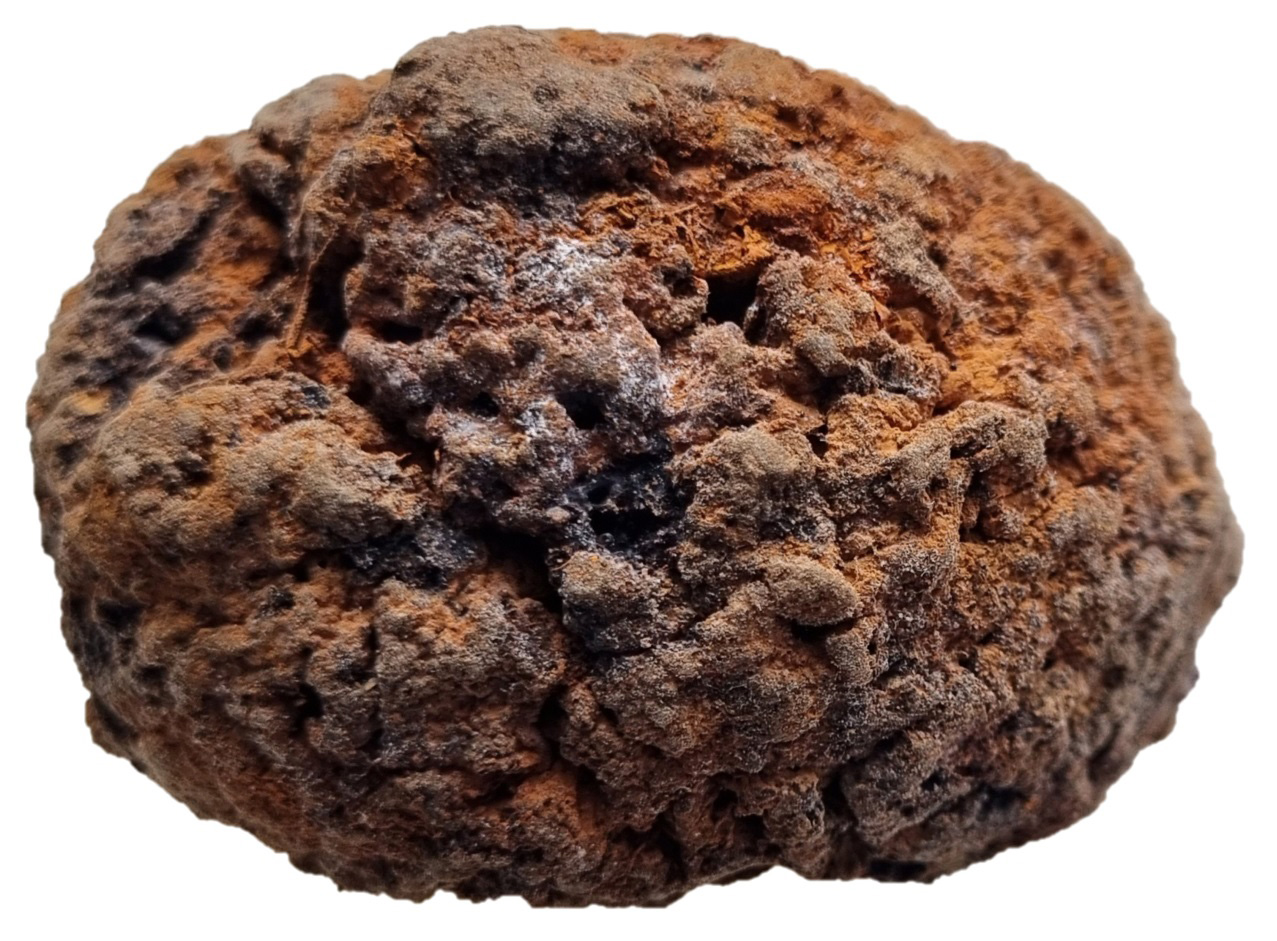
Over 1,300 of the human brains were the only soft tissues preserved, prompting questions as to why the brain may persist when other organs perish. Interestingly, these brains also represent the oldest in the archive, with several dating to the last Ice Age. The mechanism of preservation for these oldest brains remains unknown; however, the research team suggests that molecular crosslinking and metal complexation – proteins and lipids fusing in the presence of elements like iron or copper – are feasible mechanisms by which nervous tissues might be preserved over long timescales.
Forensic Implications and Future Research
Alexandra Morton-Hayward, lead author of the study, said “In the forensic field, it’s well-known that the brain is one of the first organs to decompose after death – yet this huge archive clearly demonstrates that there are certain circumstances in which it survives. Whether those circumstances are environmental, or related to the brain’s unique biochemistry, is the focus of our ongoing and future work. We’re finding amazing numbers and types of ancient biomolecules preserved in these archaeological brains, and it’s exciting to explore all that they can tell us about life and death in our ancestors.”
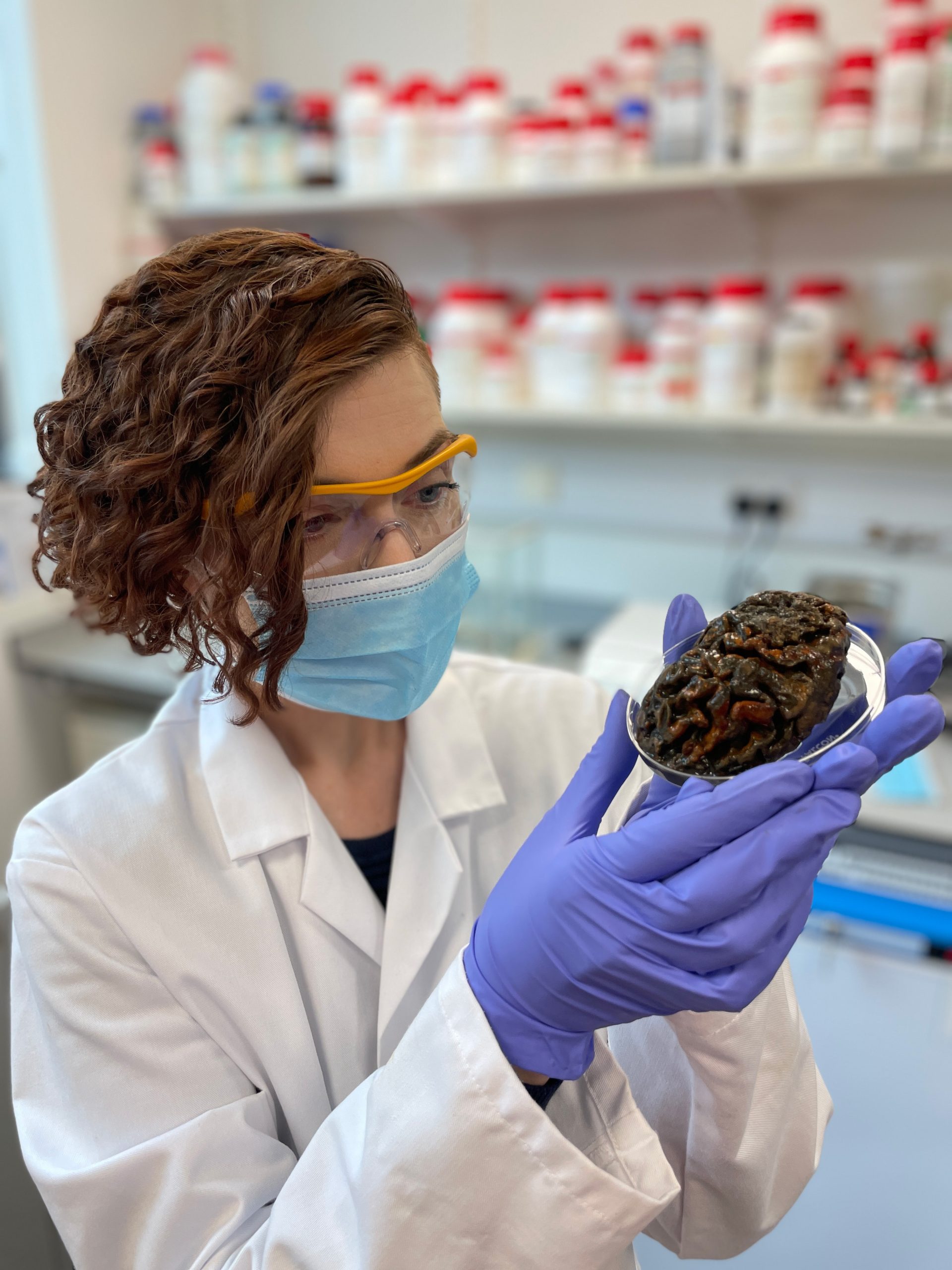
Co-author, Dr Ross Anderson, Department of Earth Sciences, University of Oxford, said: “These ancient brains provide a significant opportunity for unique insights into the early evolution of our species, such as the roles of ancient diseases.”
Finding soft tissues preserved is a bioarchaeologist’s treasure trove: they generally provide a greater depth and range of information than hard tissues alone, yet less than 1% of preserved brains have been investigated for ancient biomolecules. The untapped archive of 4,400 human brains described in this study may provide new and unique insights into our history, helping us to better understand ancient health and disease, and the evolution of human cognition and behavior.
Reference: “Human brains preserve in diverse environments for at least 12 000 years” by Alexandra L. Morton-Hayward, Ross P. Anderson, Erin E. Saupe, Greger Larson and Julie G. Cosmidis, 20 March 2024, Proceedings of the Royal Society B.
DOI: 10.1098/rspb.2023.2606
Never miss a breakthrough: Join the SciTechDaily newsletter.
Follow us on Google and Google News.