
Close Menu
    Facebook X (Twitter) Instagram
    SciTechDaily
    • Biology
    • Chemistry
    • Earth
    • Health
    • Physics
    • Science
    • Space
    • Technology
    Facebook X (Twitter) Pinterest YouTube RSS
    SciTechDaily
    Home»Biology»Vultures Carry Microorganisms That Can Cause Disease in Humans, but Do They Put Human Health at Risk?
    Biology

    Vultures Carry Microorganisms That Can Cause Disease in Humans, but Do They Put Human Health at Risk?

    By WileyAugust 4, 2020No Comments2 Mins Read
    Facebook Twitter Pinterest Telegram LinkedIn WhatsApp Email Reddit
    Share
    Facebook Twitter LinkedIn Pinterest Telegram Email Reddit
    Vulture
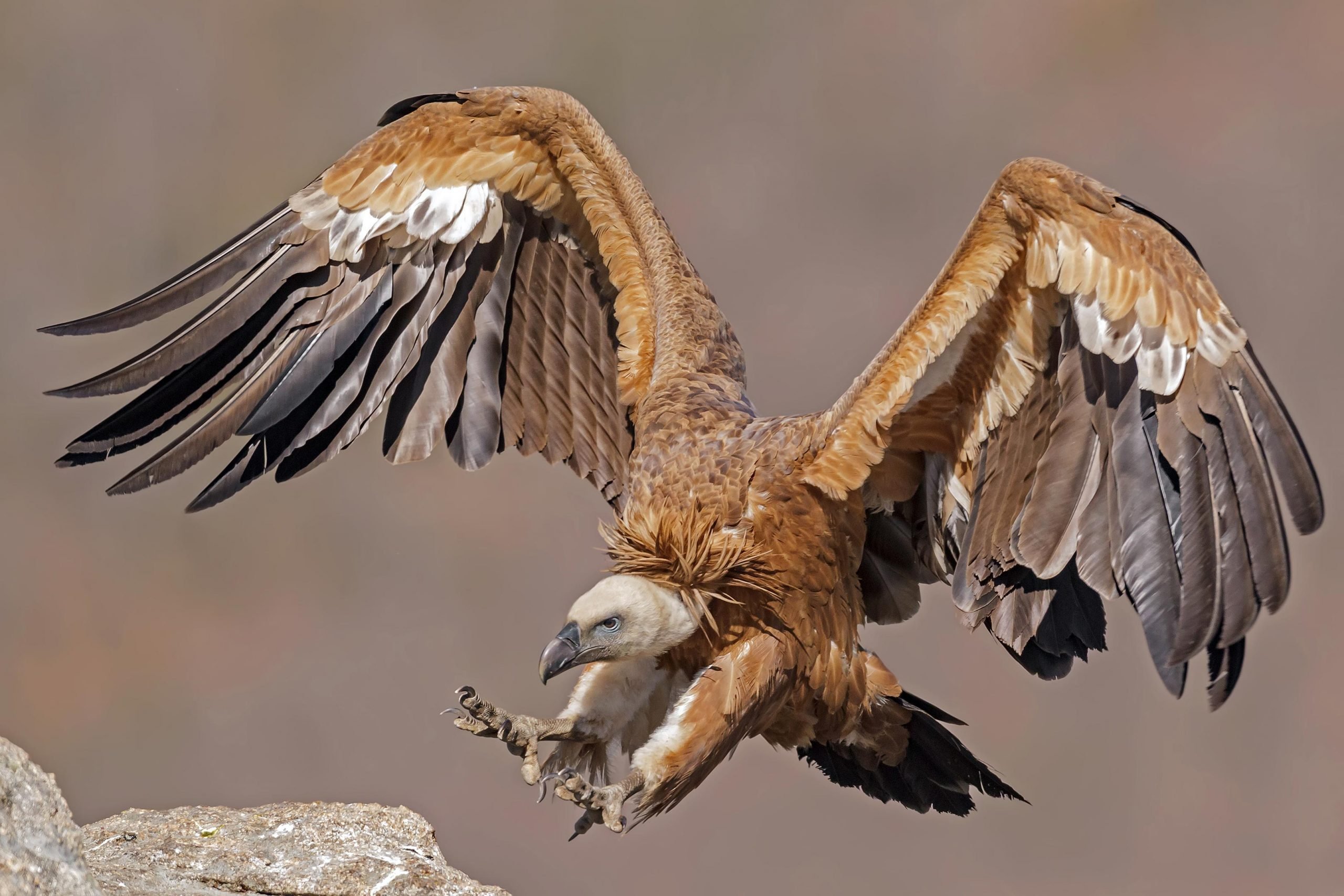
    A new analysis published in IBIS examines whether bacteria, viruses, and other microorganisms that are present in wild vultures cause disease in the birds, and whether vultures play a role in spreading or preventing infectious diseases to humans and other animal species. Credit: Jorge de la Cruz

    A new analysis published in IBIS examines whether bacteria, viruses, and other microorganisms that are present in wild vultures cause disease in the birds, and whether vultures play a role in spreading or preventing infectious diseases to humans and other animal species.

    The analysis examined results from published studies and found that microorganisms, which cause disease in humans, can be found in vultures with some bacterial pathogens showing multi-antibiotic resistance. In some cases, these microorganisms cause health alterations of variable degree in different vulture species, but there was no clear evidence that vultures play a role spreading pathogens to humans and other species. On the contrary, they may actually help to prevent the spread of infectious diseases when they consume and remove decomposing carcasses from the environment.

    “Further research should evaluate the potential of vultures in disease regulation to avoid misconceptions and to promote scientific evidence of the ecosystem service they provide. This will help to conserve this globally threatened avian group and maintain the contributions they provide to people,” said lead author Pablo Plaza, of INIBIOMA-CONICET-National University of Comahue, in Argentina.

    Reference: “Implications of bacterial, viral and mycotic microorganisms in vultures for wildlife conservation, ecosystem services and public health” by Pablo I. Plaza, Guillermo Blanco and Sergio A. Lambertucci, 4 August 2020, IBIS.
    DOI: 10.1111/ibi.12865

    Never miss a breakthrough: Join the SciTechDaily newsletter.
    Follow us on Google and Google News.

    Microbiology Public Health Wiley
    Share. Facebook Twitter Pinterest LinkedIn Email Reddit

    Related Articles

    Warning: Common Food Ingredients, Including Caffeine, Weaken Antibiotics

    Scientists Uncover Lyme Disease’s Hidden Achilles’ Heel – And How to Exploit It

    Scientists Sound the Alarm: Microplastics Are Quietly Creating Superbugs That Defy Antibiotics

    Revolutionary TB Vaccine Protects, Then Safely Self-Destructs

    Urban Microbes Are Eating Disinfectants – Are We Fueling a New Health Threat?

    Virus Variants: A Vital Tool to Study Viral Evolution in the Test Tube

    New Research Shows Poor Gut Health Connected to Severe COVID-19 – Probiotics May Help Patients

    Researchers Identify N95 Respirator Decontamination Method Using a Microwave

    Severity of COVID-19 May Depend on Your Individual Genetic Variation in Immune System

    Leave A Reply Cancel Reply

    • Facebook
    • Twitter
    • Pinterest
    • YouTube

    Don't Miss a Discovery

    Subscribe for the Latest in Science & Tech!

    Trending News

    Scientists May Have Discovered How To Heal Damaged Kidneys

    Interstellar Visitor 3I/ATLAS Is Bursting With an Unexpected Chemical

    Scientists Just Found All 5 Genetic “Letters” of DNA and RNA on an Asteroid

    The 4,000-Year-Old City That Defied History’s Rules on Wealth and Power

    The World’s Biggest Population Fear Has Flipped – and It Could Change Everything

    This “Fake” Pill Improved Memory and Physical Performance in Just 3 Weeks

    Scientists Say Frequent Ejaculation May Improve Sperm Quality and Fertility

    Scientists Have Found “The Heaven Sword” After Years of Looking

    Follow SciTechDaily
    • Facebook
    • Twitter
    • YouTube
    • Pinterest
    • Newsletter
    • RSS
    SciTech News
    • Biology News
    • Chemistry News
    • Earth News
    • Health News
    • Physics News
    • Science News
    • Space News
    • Technology News
    Recent Posts
    • New Water-Harvesting Jacket Pulls up to 30 Ounces of Drinking Water From the Air Daily
    • Scientists Finally Uncover Why Gold Never Tarnishes
    • Scientists Uncover a Previously Unknown Lineage of Ancient Marsupials
    • Critically Endangered Monkey Defies the Odds With New Baby After Surgery
    • 17-Million-Year-Old Ape Fossil in Egypt Could Change What We Know About Human Origins
    Copyright © 1998 - 2026 SciTechDaily. All Rights Reserved.
    • Science News
    • About
    • Contact
    • Editorial Board
    • Privacy Policy
    • Terms of Use

    Type above and press Enter to search. Press Esc to cancel.