
Close Menu
    Facebook X (Twitter) Instagram
    SciTechDaily
    • Biology
    • Chemistry
    • Earth
    • Health
    • Physics
    • Science
    • Space
    • Technology
    Facebook X (Twitter) Pinterest YouTube RSS
    SciTechDaily
    Home»Science»What Came First the Chicken or the Egg? Discovery of Ancient Eggshells Rewrites Chicken History
    Science

    What Came First the Chicken or the Egg? Discovery of Ancient Eggshells Rewrites Chicken History

    By Max Planck Institute of GeoanthropologyApril 8, 2024No Comments4 Mins Read
    Facebook Twitter Pinterest Telegram LinkedIn WhatsApp Email Reddit
    Share
    Facebook Twitter LinkedIn Pinterest Telegram Email Reddit
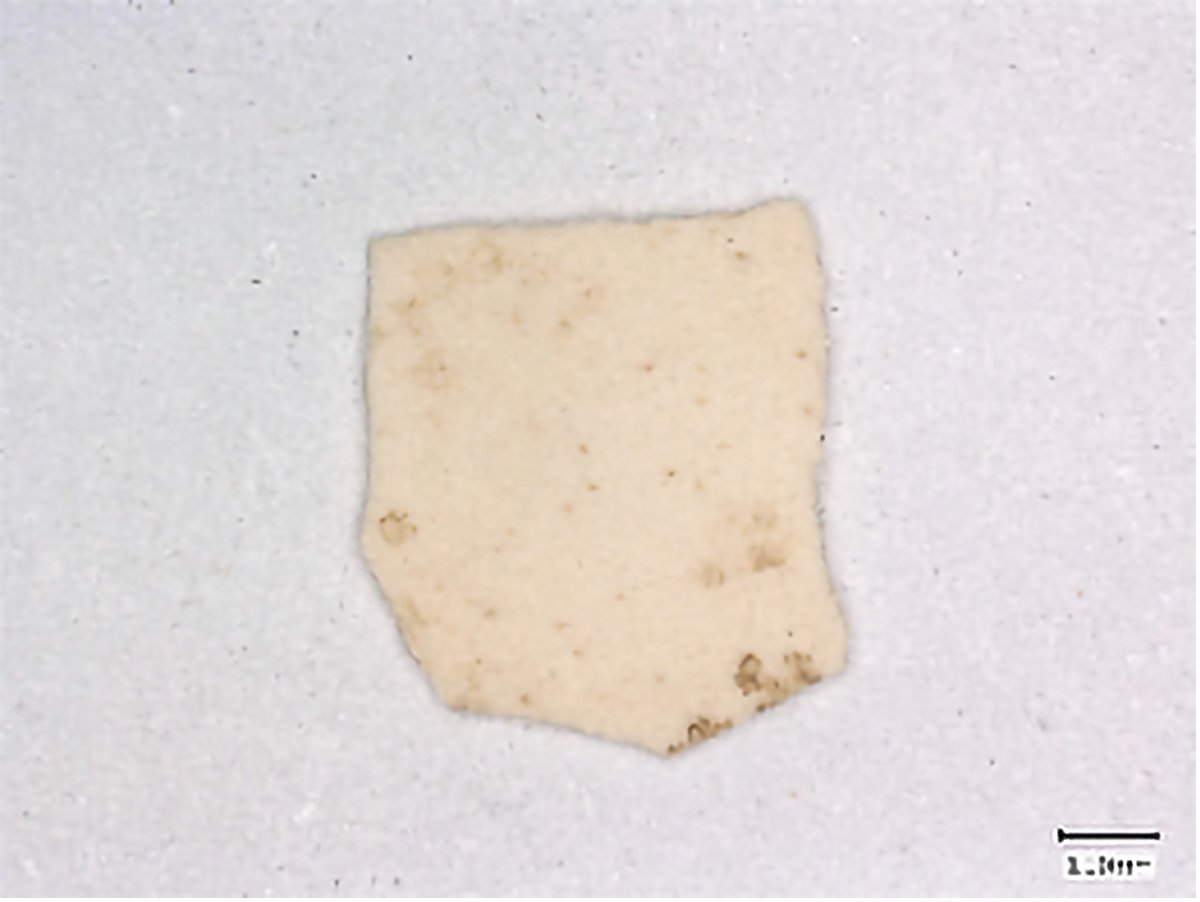
    Eggshell Fragment From the Site of Bash Tepa
    An eggshell fragment from the site of Bash Tepa, representing one of the earliest pieces of evidence for chickens on the Silk Road. Credit: Robert Spengler

    New research shows that chickens were extensively bred throughout southern Central Asia from 400 BCE to the medieval era, and their spread was probably facilitated by the ancient Silk Road.

    Chickens are one of the most economically important animals in the world today. Yet, the story of how they originated and spread throughout the ancient world remains largely unclear. Recent advancements in archaeological methodologies have unveiled that numerous bone discoveries, once believed to be evidence of early chickens, actually belong to wild birds.

    Now, in a new publication, an international team of archaeologists, historians, and biomolecular scientists present the earliest clear evidence for the raising of chickens for egg production, and argue that the loss of seasonal egg laying was the main driver for the dispersal of domestic chickens across Eurasia and northeast Africa.

    Discovery and Analysis

    Using eggshell fragments collected from 12 archaeological sites spanning roughly 1500 years, the researchers show that chickens were widely raised in Central Asia from approximately 400 BCE to 1000 CE and were likely dispersed along the ancient Silk Road. The abundance of eggshells further suggests that the birds were laying out of season. It was this trait of prolific egg laying, the researchers argue, that made the domestic chicken so attractive to ancient peoples.
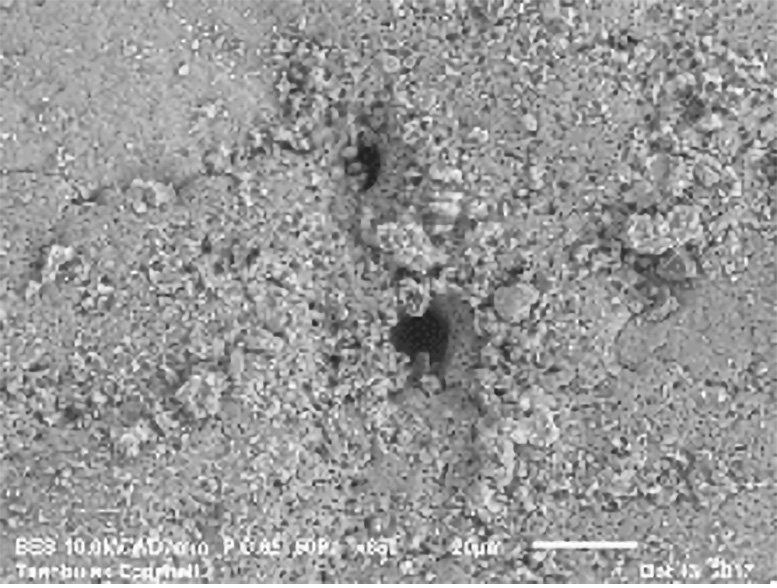
    The Breathing Pore of an Ancient Eggshell Fragment
    The breathing pore of an ancient eggshell fragment from the medieval site of Tashbulak in Uzbekistan under high power SEM magnification. The morphology of these breathing pours helps with the identification. Credit: Robert Spengler

    To reach these conclusions, the team collected tens of thousands of eggshell fragments from sites located along the main Central Asian corridor of the Silk Road. They then used a method of biomolecular analysis called ZooMS to identify the source of the eggs. Much like genetic analysis, ZooMS can make species identifications from animal remains such as bone, skin, and shell, but it relies on protein signals rather than DNA. This makes it a faster and more cost-effective option than genetic analysis.

    “This study showcases the potential of ZooMS to shed light on human-animal interactions in the past,” says Dr. Carli Peters, researcher at the Max Planck Institute of Geoanthropology and first author of the new paper.

    Findings and Implications

    The identification of these shell fragments as chickens, and their abundance throughout the sediment layers at each site, led the researchers to an important conclusion: the birds must have been laying more frequently than their wild ancestor, the red jungle fowl, which nests once per year and typically lays six eggs per clutch.

    “This is the earliest evidence for the loss of seasonal egg laying yet identified in the archaeological record,” says Dr. Robert Spengler, leader of the Domestication and Anthropogenic Evolution research group and principal investigator on the study. “This is an important clue for better understanding the mutualistic relationships between humans and animals that resulted in domestication.”

    Taken together, the new study suggests an answer to the age-old riddle of the chicken and the egg. In Central Asia, evidence suggests that the ability to lay a multitude of eggs is what made the chicken the chicken we know today – a global species of enormous economic importance. The authors hope that this study will demonstrate the potential of new, cost-effective methods and interdisciplinary collaboration to address long-standing questions about the past.

    Reference: “Archaeological and molecular evidence for ancient chickens in Central Asia” by Carli Peters, Kristine K. Richter, Shevan Wilkin, Sören Stark, Basira Mir-Makhamad, Ricardo Fernandes, Farhod Maksudov, Sirojidin Mirzaakhmedov, Husniddin Rahmonov, Stefanie Schirmer, Kseniia Ashastina, Alisher Begmatov, Michael Frachetti, Sharof Kurbanov, Michael Shenkar, Taylor Hermes, Fiona Kidd, Andrey Omelchenko, Barbara Huber, Nicole Boivin, Shujing Wang, Pavel Lurje, Madelynn von Baeyer, Rita Dal Martello and Robert N. Spengler III, 2 April 2024, Nature Communications.
    DOI: 10.1038/s41467-024-46093-2

    Never miss a breakthrough: Join the SciTechDaily newsletter.
    Follow us on Google and Google News.

    Animals Anthropology Archaeology Max Planck Institute
    Share. Facebook Twitter Pinterest LinkedIn Email Reddit

    Related Articles

    Archaeologists Discover Neanderthals and Homo sapiens Used Identical Nubian Technology

    The “Last Eden?” First Human Culture Lasted 20,000 Years Longer Than Thought

    New Biochemical Research Shows Past Tropical Forest Changes Drove Megafauna and Hominin Extinctions

    Vast Stone Monuments Discovered in Saudi Arabia Were Constructed in 7,000 Years Ago

    DNA of Bones Found in Cave Reveals Major Cultural Transition in Europe Took Place Earlier Than Thought

    10,000 Years of Cultural Interaction Across Africa Exposed by Ostrich Eggshell Beads

    Detailed Insights on the Disappearance of the World’s Largest Mammals From Microscopic Evidence

    Scientists Reveal the Complex Story Behind the Beaker Phenomenon

    Researchers Discover Oldest Images to Date of Dogs on Leashes

    Leave A Reply Cancel Reply

    • Facebook
    • Twitter
    • Pinterest
    • YouTube

    Don't Miss a Discovery

    Subscribe for the Latest in Science & Tech!

    Trending News

    AI Could Detect Early Signs of Alzheimer’s in Under a Minute – Far Before Traditional Tests

    What if Dark Matter Has Two Forms? Bold New Hypothesis Could Explain a Cosmic Mystery

    This Metal Melts in Your Hand – and Scientists Just Discovered Something Strange

    Beef vs. Chicken: Surprising Results From New Prediabetes Study

    Alzheimer’s Breakthrough: Scientists Discover Key Protein May Prevent Toxic Protein Clumps in the Brain

    Quantum Reality Gets Stranger: Physicists Put a Lump of Metal in Two Places at Once

    Scientists May Have Found the Key to Jupiter and Saturn’s Moon Mystery

    Scientists Uncover Brain Changes That Link Pain to Depression

    Follow SciTechDaily
    • Facebook
    • Twitter
    • YouTube
    • Pinterest
    • Newsletter
    • RSS
    SciTech News
    • Biology News
    • Chemistry News
    • Earth News
    • Health News
    • Physics News
    • Science News
    • Space News
    • Technology News
    Recent Posts
    • What if Your Memories Never Happened? Physicists Take a New Look at the Boltzmann Brain Paradox
    • Students Found an Ancient Star That Shouldn’t Be in the Milky Way
    • Astronomers Solve 50-Year Mystery and Reveal Hidden Culprit Behind Strange X-Ray Emissions
    • One of the Universe’s Largest Stars May Be Getting Ready To Explode
    • Scientists Discover Enzyme That Could Supercharge Ozempic-Like Weight Loss Drugs
    Copyright © 1998 - 2026 SciTechDaily. All Rights Reserved.
    • Science News
    • About
    • Contact
    • Editorial Board
    • Privacy Policy
    • Terms of Use

    Type above and press Enter to search. Press Esc to cancel.