
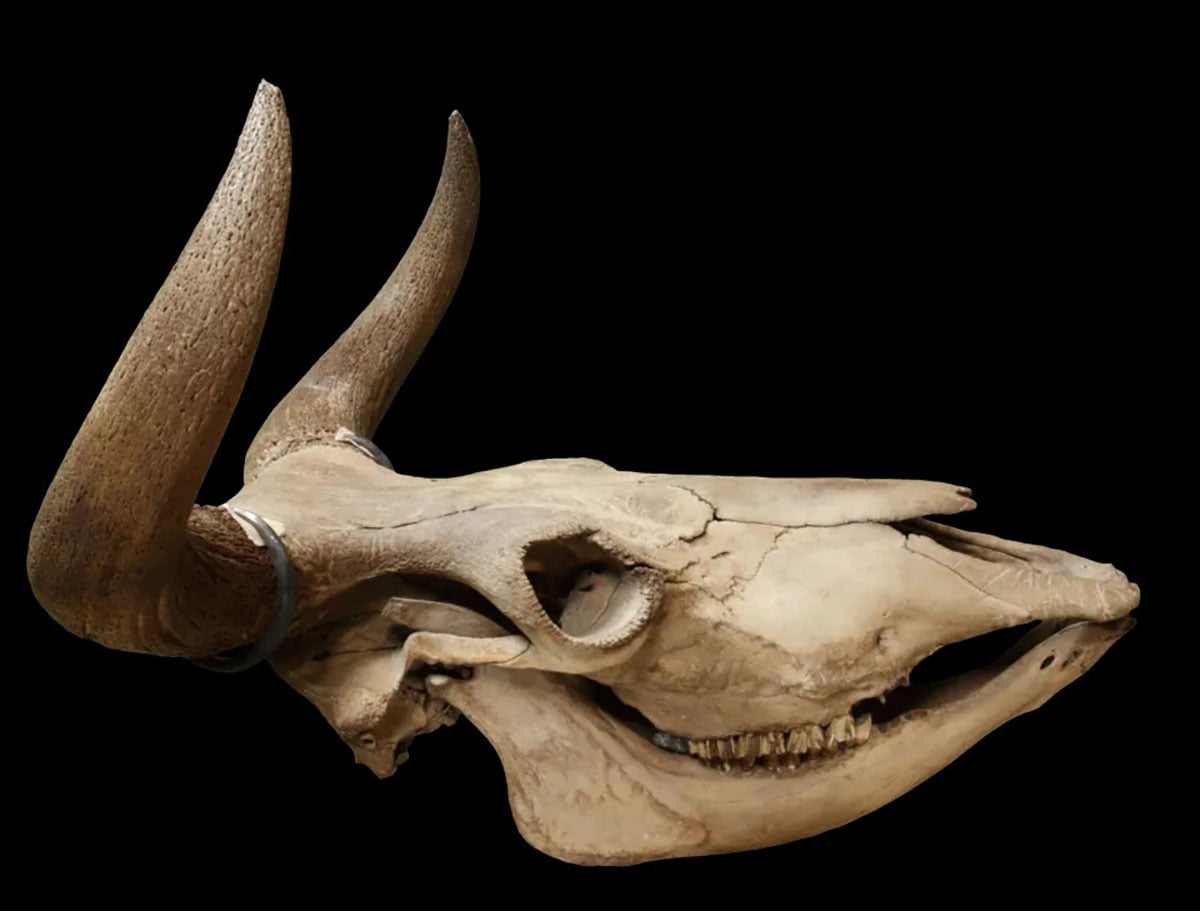
The fate of Scandinavia’s aurochs warns conservationists worldwide that curbing hunting alone may not save species facing depleted genetic diversity and fragmented habitats.
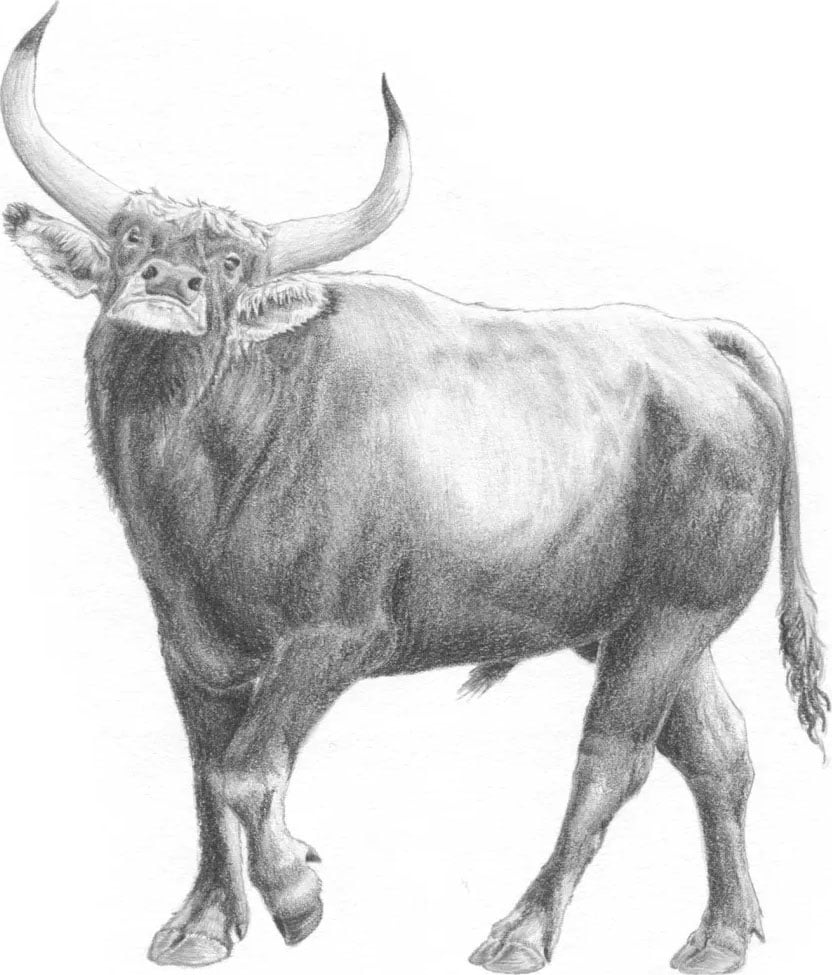
The cattle on today’s farms descend from aurochs, wild animals that once roamed much of Europe, Asia, and northern Africa. They disappeared from Scandinavia thousands of years before the species became extinct worldwide, and researchers have been trying to understand why those northern populations were lost so early. New findings suggest that hunting was only part of the explanation.
Hunting drove a sharp decline in the Swedish population and the complete disappearance of aurochs from the Danish island of Zealand. In southern Sweden, small numbers survived until at least 6,500 years ago, but their surroundings were changing.
Dense forests replaced formerly open landscapes, a shift thought to have contributed to their eventual disappearance. An international team led by Lund University now attributes these early northern extinctions to the combined effects of human pressure, depleted genetic diversity, and the fragmentation and deterioration of habitat.
Aurochs lost genetic diversity before isolation
Aurochs started colonizing Scandinavia 11,700 years ago, after the last Ice Age ended, and the researchers found that this migration probably involved a population bottleneck, a sharp reduction in numbers that left the survivors with less genetic diversity.
“I found it incredibly interesting to see how the genetic diversity of the aurochs decreased as you moved north from mainland Europe up through Jutland and then dropped further across Zealand and Scania. It’s a textbook example of a bottleneck in evolutionary genetics,” says Mikkel-Holger S. Sinding, an associate professor at the University of Copenhagen and a senior author of the study.
Genetic evidence showed that Scandinavian aurochs remained in contact with the main European population beyond 10,000 years ago, when they had previously been thought to have become isolated. The researchers instead place complete isolation at the flooding of the land bridge around 8,000 years ago, when the Danish-Swedish straits formed.
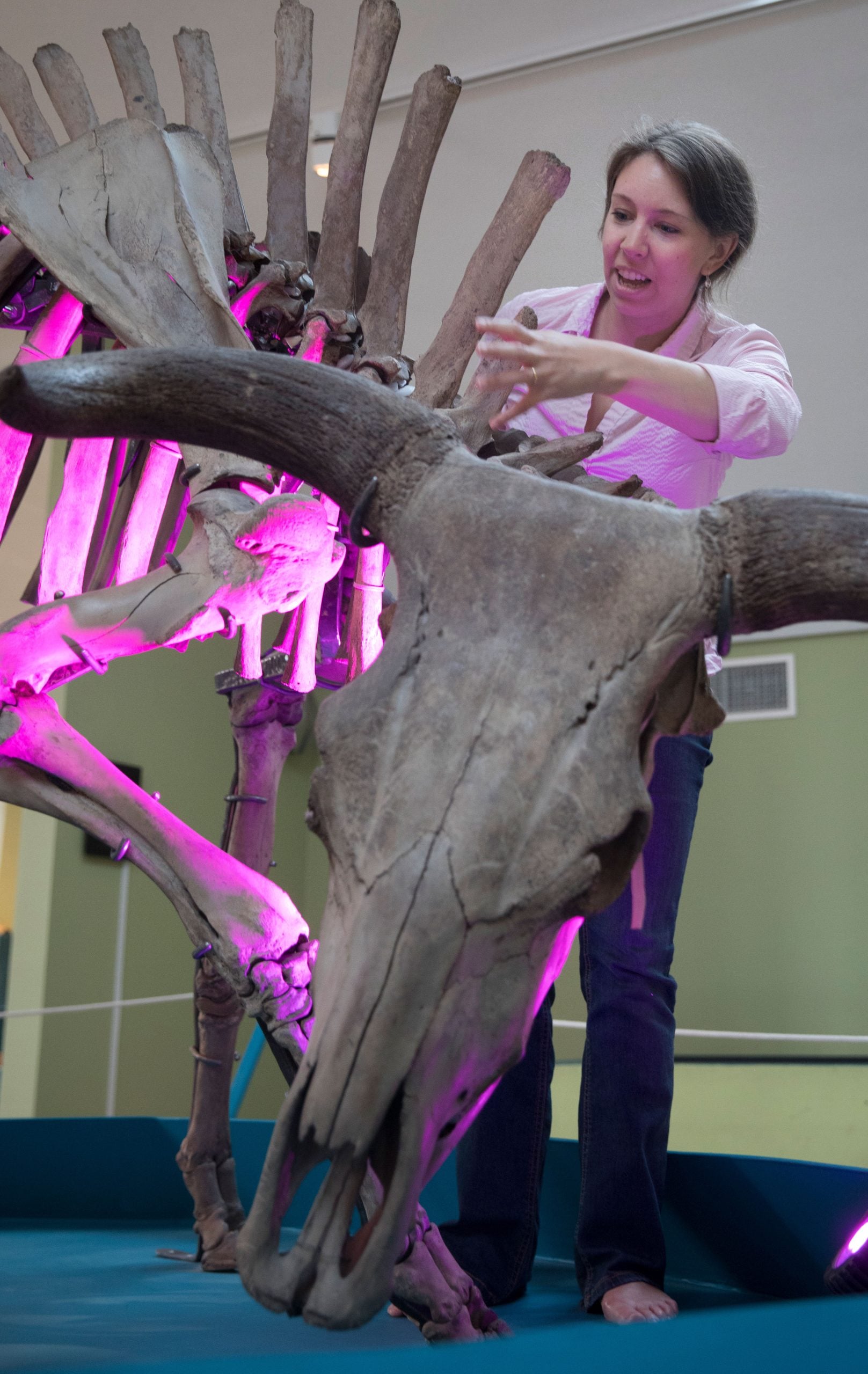
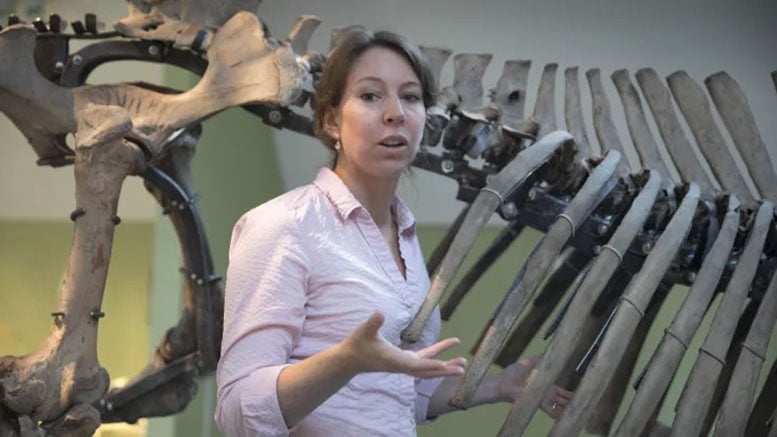
“These ancient case studies reveal long-term patterns – which species are most vulnerable, how ecosystems shift and transform over time, and when and how human activity began shaping these environments,” says Erika Rosengren, a doctoral student in historical osteology at Lund University and the paper’s lead author.
Connected habitats could help prevent extinctions
Scandinavia was among the first regions to lose aurochs, which once roamed much of Europe, Asia, and northern Africa. Their final disappearance from Poland in the 17th century ended a decline that had lasted 8,000 years. Human activity was the main cause of that global extinction, although the reasons for the much earlier Scandinavian losses had remained unclear.
“Our results add nuance to our understanding of human impact on animal populations. They confirm that species rarely disappear because of a single factor. Conservation plans must therefore be comprehensive and consider multiple stressors at the same time. Our results support the need to establish ecological corridors for threatened wildlife, rather than isolated nature reserves,” concludes Rosengren.
Reference: “The immigration history and extinction dynamics of the Scandinavian aurochs (Bos primigenius)” by Erika Rosengren, Conor Rossi, Ola Magnell, Fredrik Hallgren, Jonas Ekström, Maria Mostadius, Lasse Vilien Sørensen and Mikkel-Holger S. Sinding, 04 September 2026, The Holocene.
DOI: 10.1177/09596836261477271
Never miss a breakthrough: Join the SciTechDaily newsletter.
Follow us on Google and Google News.
3 Comments
Human beings – there’s no worse plague that has hit the earth – than you know who
The only purpose and value of the earth is as a home to human beings. All lesser life forms are valuable only to the extent that they enhance and enrich human life. The extinction of species that lived before modern human civilization existed is just part of the death and life cycle of a richly diverse planet and is completely normal. Robert, get help. It is not normal to hate your own species, especially when it is the only species that can save the earth and everything in it.
maybe? perhaps, although if human population growth continues unabated the numbers are not in support of a continued existence. look into the profiles of any country’s population expansion and then realize this set-up is not working. Governments want more tax-payers, but need more energy and nourishment. it doesn’t work. just wait another 60-90 years.
year 2100 will confirm this .
Perhaps Earth humans shall implode while those who migrant to Mars etc may establish a new base of human survival? Questionable yes!
human destroy more than they are able to produce as a substantiating positive.
wars, disease, greed, will take us down.
you don’t agree? go cuddle.