
A unique study during the total solar eclipse will analyze behavioral responses of selected animals, exploring evolutionary influences on their reaction to abrupt light changes.
When darkness falls on central Ohio during the total solar eclipse on April 8, will animals think it’s time to go to bed? Will they be anxious? Will they care?
Scientists from The Ohio State University and the Columbus Zoo and Aquarium are taking advantage of the rare celestial event to find out.
“It’s a unique opportunity to understand how so many different animals respond to a weird thing,” said Courtney Anderson, a PhD student in the School of Environment and Natural Resources (SENR) who is spearheading the effort for Ohio State College of Food, Agricultural, and Environmental Sciences. Her counterpart at the zoo is Adam Felts, director of animal well-being.
“The likelihood that you’re going to find a wild animal during an event like this and have it in view to record its behavior is really low,” she said. “And then to be able to do that for so many different species at the same time, under the same conditions, is not going to happen literally anywhere else.”
Research Strategy and Animal Selection
The zoo is making a day of it, inviting visitor volunteers to fan out and document what they see animals doing as the day gets dark and the air briefly cools. These recordings will add anecdotal data to the longer-term project – because there is more to the story than what happens on eclipse day.
Researchers and members of the zoo’s animal care team will periodically track behaviors for the two weeks before and after April 8 and more frequently on the day of the eclipse. During each 10-minute tracking period over that time, behaviors will be recorded every 15 seconds.
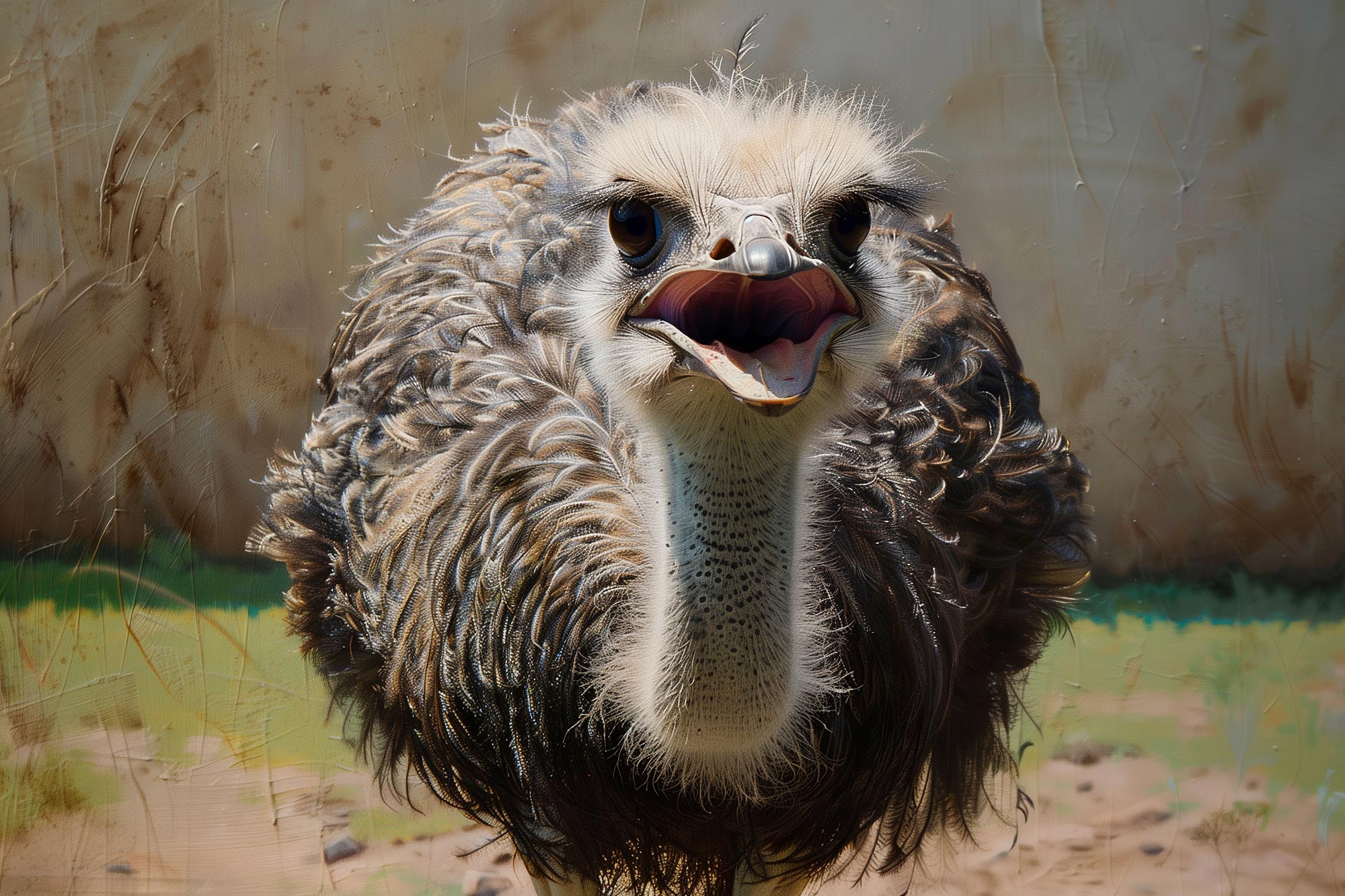
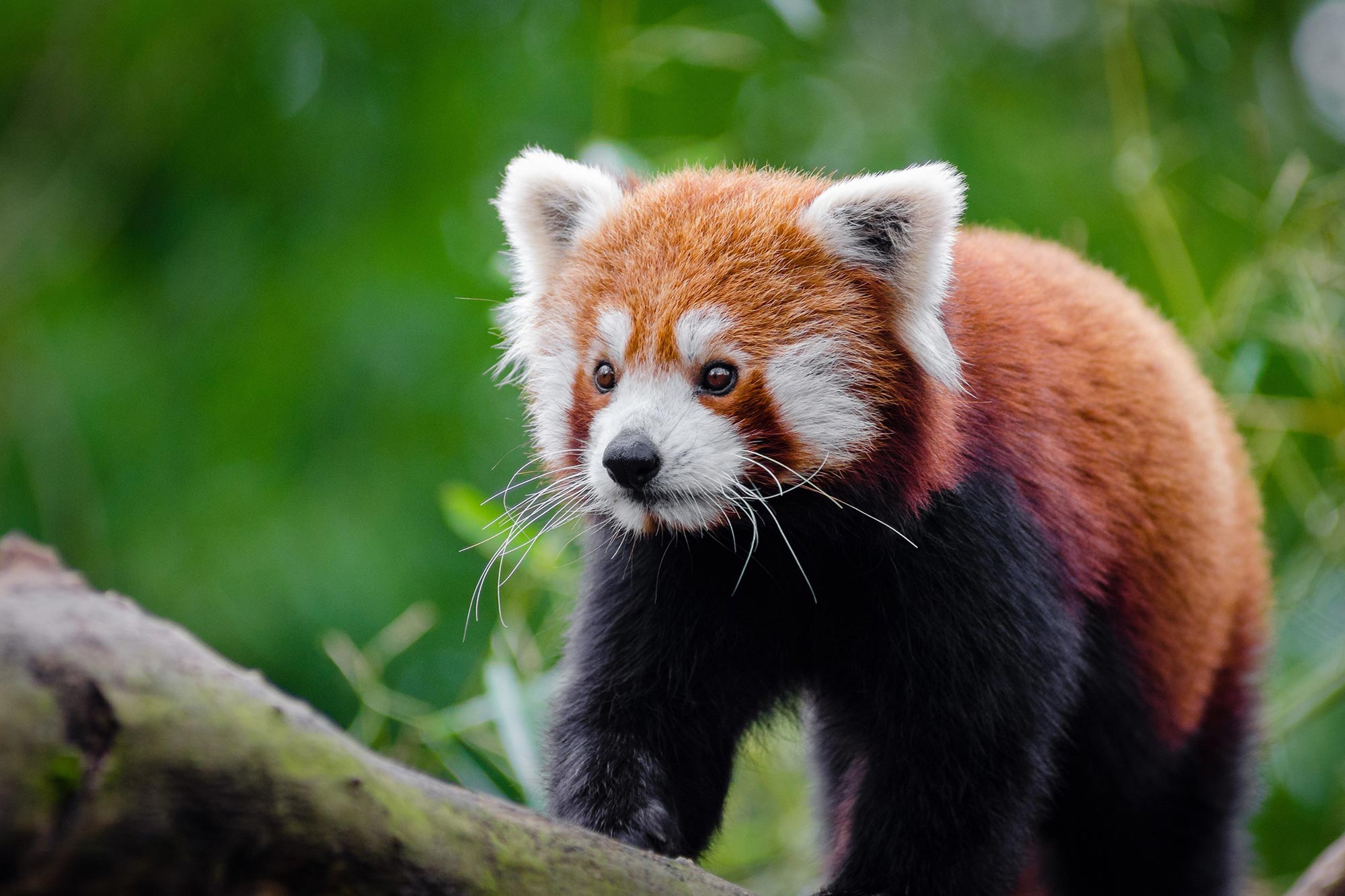
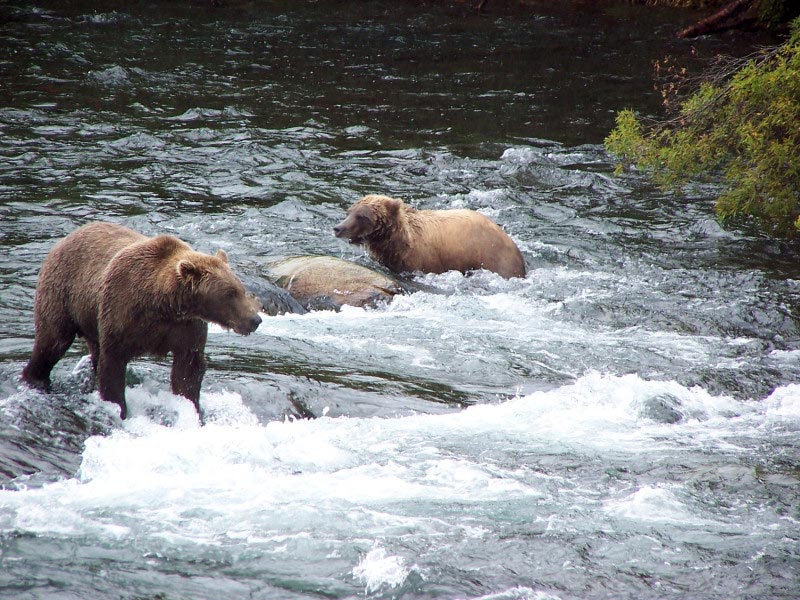
By necessity, the labor-intensive study is limited to a specific group of mammal and bird species: tufted deer, red-crowned crane, brown bear, polar bear, sloth bear, red panda, ostrich, kangaroo, and manatee.
The sample will enable the consideration of evolutionary effects on different species’ response to changes in natural light, Anderson said.
Sloth bears live near the equator, brown bears originate in mid- and northern latitudes, and polar bears are native to the Arctic north.
Understanding Animal Reactions to Natural Phenomena
“We wanted to look at how species from within a family or group – say, bears – respond differently when they are evolutionarily from different latitudes,” she said. “So one of our questions is, do those species respond differently to a sudden change in the lighting cycle or a disruption of their normal day?”
Similarly, the species selection allows for a comparison between red-crowned cranes from China and equatorial ostriches, which are known for being reactive to anything new.
But will the ostriches perceive a solar eclipse as reaction-worthy? And how will that reaction look, if so? The plan is to describe eclipse-related behavior and compare it to the baseline data from before and after the event. Animals may pace, forage, groom, eat, rest, move, prepare to bed down – and, maybe, exhibit anxiety behaviors.
Not knowing what to expect is part of the intrigue of the work.
“Will we see any change in behavior at all? That’s the most basic question,” said Stan Gehrt, Anderson’s adviser and a wildlife ecologist at Ohio State. “There have been very few attempts to actually measure behavior for this kind of event. And if there’s a difference, if they do respond, what will they do?
“That’s a huge mystery for the most part, so we’ll see.”
Gehrt, a professor in SENR who has co-instructed an Ohio State course in zoo science and management for a decade with Danielle Ross, vice president of education at the Columbus Zoo, said this study is a natural extension of the long-term partnership between the institutions.
“It’s a nice illustration of the close working relationship that SENR has with the Columbus Zoo,” he said, “and being able to share in the work to answer some interesting questions is a great thing to be able to do.”
Never miss a breakthrough: Join the SciTechDaily newsletter.
Follow us on Google and Google News.