
Close Menu
    Facebook X (Twitter) Instagram
    SciTechDaily
    • Biology
    • Chemistry
    • Earth
    • Health
    • Physics
    • Science
    • Space
    • Technology
    Facebook X (Twitter) Pinterest YouTube RSS
    SciTechDaily
    Home»Space»Witness the Longest Partial Lunar Eclipse in Centuries
    Space

    Witness the Longest Partial Lunar Eclipse in Centuries

    By Lance D. Davis, NASANovember 19, 2021No Comments2 Mins Read
    Facebook Twitter Pinterest Telegram LinkedIn WhatsApp Email Reddit
    Share
    Facebook Twitter LinkedIn Pinterest Telegram Email Reddit
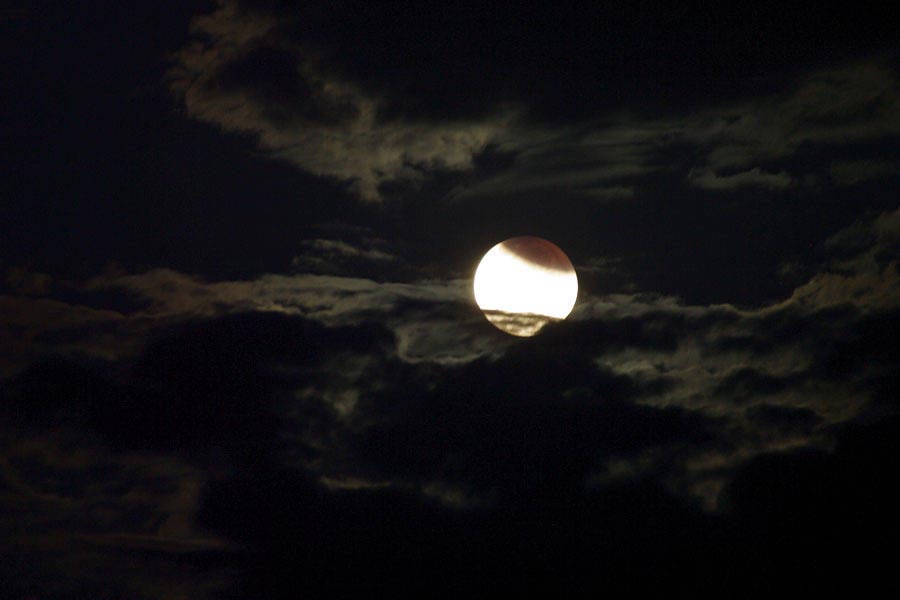
    Partial Lunar Eclipse
    When only a part of the moon enters Earth’s shadow, the event is called a partial lunar eclipse. Credit: Brad Riza

    We have a rare opportunity to witness the longest partial lunar eclipse in nearly 600 years. If the weather permits, it will grace our sky on the night of November 18 and early in the morning of November 19 across all of the United States.

    A lunar eclipse happens when the Sun, Earth, and Full Moon form a near-perfect lineup in space. A partial lunar eclipse occurs when only a portion of the Moon passes through the Earth’s darkest shadow. During this type of eclipse, a part of the Moon will darken to a dim orange or red as it moves through the Earth’s shadow.

    The upcoming eclipse will be visible throughout much of the globe where the Moon appears above the horizon during the eclipse, including North and South America, Eastern Asia, Australia, and the Pacific Region. North America will have the best location to see the entirety of the eclipse.

    The partial eclipse will begin a little after 1:00 a.m. CST on Nov 19 (11:00 pm PST on Nov 18.), reaching its maximum at 3:00 a.m. CST. Depending on your local time zone, it’ll happen earlier or later in the evening for you. It will last 3 hours and 28 minutes, making it the longest partial eclipse of this century and the longest in 580 years.
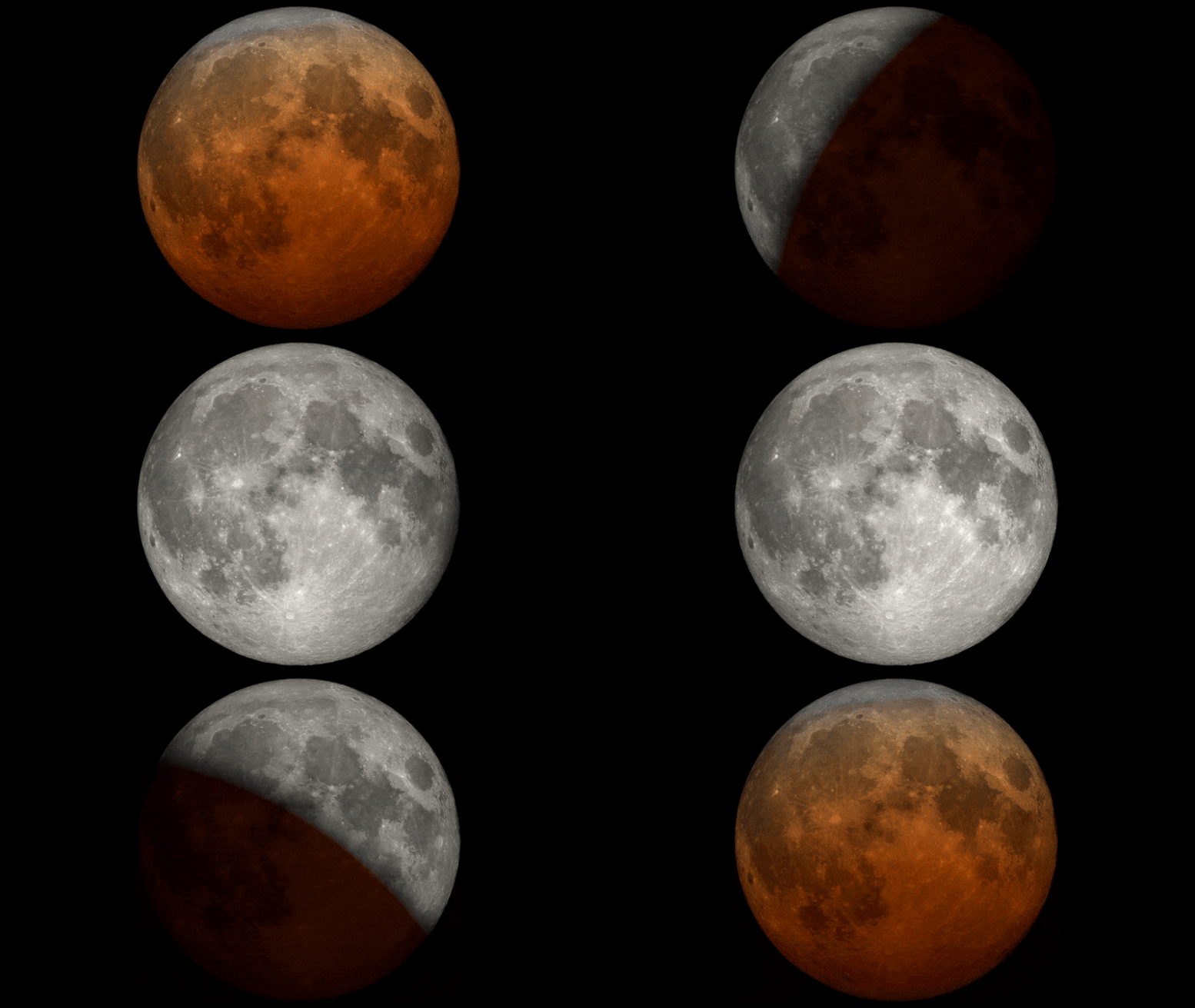
    Red Blood Supermoon Total Lunar Eclipse
    A telescopic visualization of the 2021 total lunar eclipse. Credit: NASA’s Scientific Visualization Studio

    This is a remarkably deep partial eclipse as up to 97% of the Moon’s diameter will be covered by Earth’s darkest shadow. Only a thin slice of the Moon will be exposed directly to the Sun at maximum eclipse. Expect to see the rest of the Moon take on the orange-reddish colors, appearing as an “almost” total lunar eclipse.

    Learn more about this eclipse here and here — and enjoy this spectacle as you watch the skies!

    Never miss a breakthrough: Join the SciTechDaily newsletter.
    Follow us on Google and Google News.

    Astronomy Lunar Eclipse Moon NASA Popular
    Share. Facebook Twitter Pinterest LinkedIn Email Reddit

    Related Articles

    Skywatching Highlights: Beaver Moon, Total Lunar Eclipse, Meteor Showers

    Don’t Miss: Total “Blood Moon” Lunar Eclipse

    Stunning Telephoto Snapshot of an Almost Total Lunar Eclipse

    Don’t Miss: An Almost Total Lunar Eclipse

    Get Ready for the ‘Super Blue Blood Moon’ Coming January 31

    Get Ready for the November Supermoon

    NASA Spacecraft Confirms Existence of Neon in Lunar Atmosphere

    NASA’s GRAIL Mission Solves a Lunar Mystery Almost as Old as the Moon Itself

    Hubble Data Reveals a New Neptune Moon

    Leave A Reply Cancel Reply

    • Facebook
    • Twitter
    • Pinterest
    • YouTube

    Don't Miss a Discovery

    Subscribe for the Latest in Science & Tech!

    Trending News

    Millions Take These IBS Drugs, But a New Study Finds Serious Risks

    Scientists Unlock Hidden Secrets of 2,300-Year-Old Mummies Using Cutting-Edge CT Scanner

    Bread Might Be Making You Gain Weight Even Without Eating More Calories

    Scientists Discover Massive Magma Reservoir Beneath Tuscany

    Europe’s Most Active Volcano Just Got Stranger – Here’s Why Scientists Are Rethinking It

    Alzheimer’s Symptoms May Start Outside the Brain, Study Finds

    Millions Take This Popular Supplement – Scientists Discover a Concerning Link to Heart Failure

    The Universe Is Expanding Too Fast and Scientists Can’t Explain Why

    Follow SciTechDaily
    • Facebook
    • Twitter
    • YouTube
    • Pinterest
    • Newsletter
    • RSS
    SciTech News
    • Biology News
    • Chemistry News
    • Earth News
    • Health News
    • Physics News
    • Science News
    • Space News
    • Technology News
    Recent Posts
    • Simple Blood Test May Predict Alzheimer’s Years Before Brain Scans Show Signs
    • Scientists Say Adding This Unusual Seafood to Your Diet Could Reverse Signs of Aging
    • U.S. Waste Holds $5.7 Billion Worth of Crop Nutrients
    • Scientists Say a Hidden Structure May Exist Inside Earth’s Core
    • Doctors Surprised by the Power of a Simple Drug Against Colon Cancer
    Copyright © 1998 - 2026 SciTechDaily. All Rights Reserved.
    • Science News
    • About
    • Contact
    • Editorial Board
    • Privacy Policy
    • Terms of Use

    Type above and press Enter to search. Press Esc to cancel.