

Researchers at Nagoya University in Japan have discovered that aldehydes are metabolic byproducts associated with premature aging. Published in Nature Cell Biology, their findings reveal insights into premature aging diseases and potential strategies to combat aging in healthy individuals such as controlling exposure to aldehyde-inducing substances including alcohol, pollution, and smoke.
A person’s health can be harmed by aldehydes. However, the group’s findings suggest these detrimental effects also include aging. The team who made this discovery included Yasuyoshi Oka, Yuka Nakazawa, Mayuko Shimada, and Tomoo Ogi of Nagoya University.
“DNA damage is linked with aging phenotypes,” said Oka. “However, for the first time, we propose a relationship between aldehyde-derived DNA damage and premature aging.”
Link Between Aldehydes and Aging
The researchers hypothesized that there might be a link between aldehydes and aging since individuals with premature aging disorders, like AMeD syndrome, exhibit inadequate activity of enzymes, like ALDH2, that break down aldehydes.
For healthy individuals, ALDH2 is also important in our response to alcohol. When a person drinks wine or beer, the liver metabolizes the alcohol into aldehydes so it can be eliminated from the body. The activity of ALDH2 is important for converting the aldehydes into a non-toxic substance.
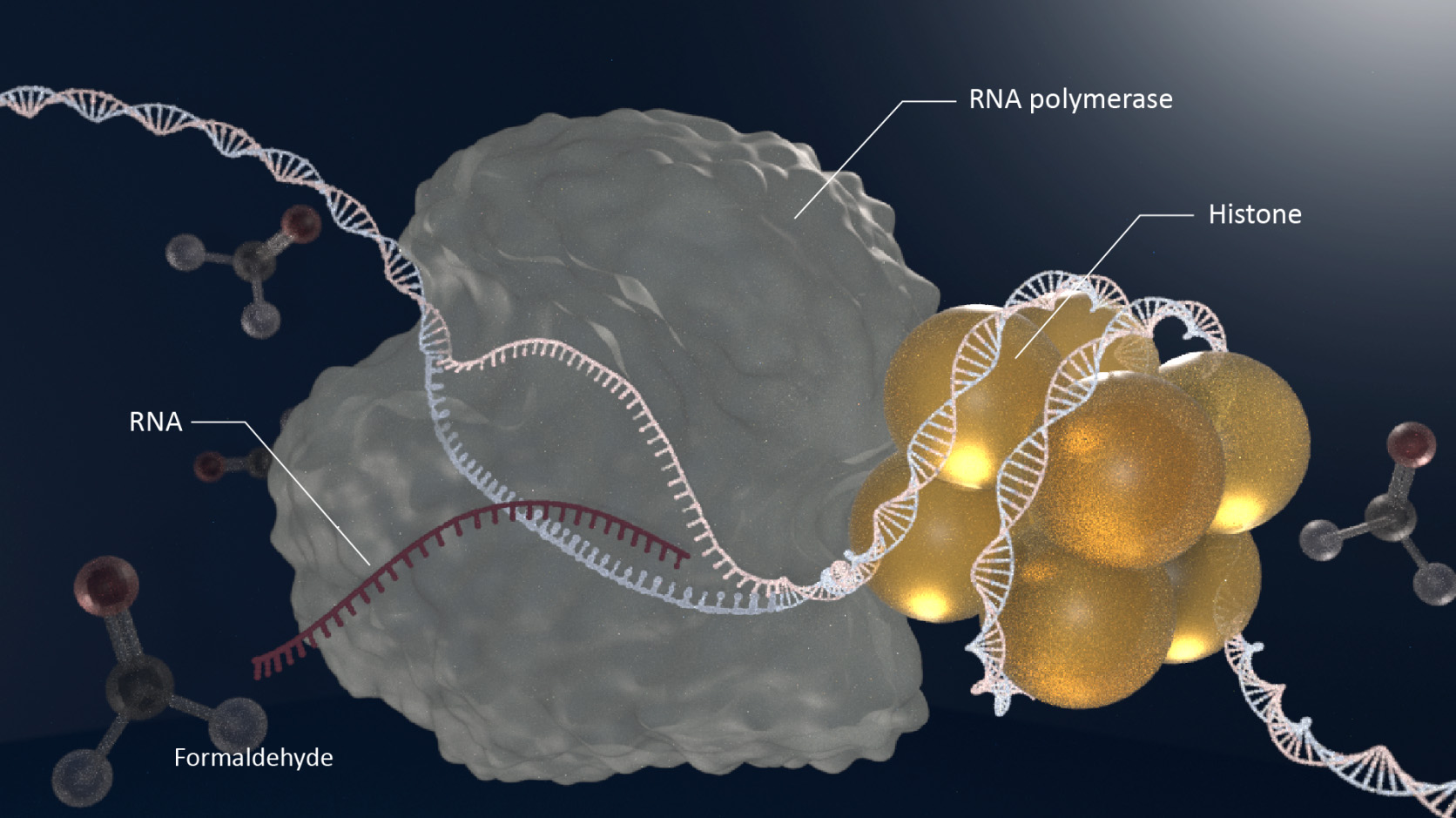
Aldehydes are harmful because they are highly reactive with DNA and proteins. In the body, they form DNA-protein crosslinks (DPCs) that block important enzymes in typical cell proliferation and maintenance processes, causing these processes to malfunction and the patient to age.
Focusing on DPCs caused by aldehyde, the scientists used a method called DPC-seq to investigate the link between aldehyde accumulation and DNA damage in premature-aging disease patients. In a series of experiments, the researchers discovered that the TCR complex, VCP/p97, and the proteasome are involved in the removal of formaldehyde-induced DPCs in actively transcribed regions. This was confirmed by a mouse model lacking both aldehyde clearance processes and the TCR pathway that showed worse AMeD syndrome symptoms.
These processes are important because they are related to the clearance of aldehydes. It suggests an association between premature aging diseases and aldehyde accumulation.
Research Findings and Future Directions
Professor Ogi is hopeful about the implications of their findings, stating: “By elucidating the mechanism by which DNA damage heals quickly, we have revealed part of the cause of genetic premature aging.”
“Our research opens up new avenues for understanding the underlying mechanisms of premature aging diseases and offers potential targets for therapeutic intervention,” Oka said. “By elucidating the role of aldehydes in DNA damage and aging, we are paving the way for future studies aimed at developing novel treatments and interventions.”
He continued: “The development of therapeutic drugs has not progressed because we have not fully understood the causes of AMeD syndrome and Cockayne syndrome. This study suggests that the patient’s pathological condition is related to DPC derived from aldehydes generated within cells. These results are expected to help in the search for compounds that remove aldehydes, thus aiding in the formulation of therapeutic drug candidates.”
This research has implications that extend beyond genetic diseases, as their findings suggest that aldehyde-induced DNA damage may play a role in the aging process in healthy individuals too. By pinpointing aldehydes as substances that contribute to aging, this study sheds light on the intricate connection between environmental factors and cellular aging. This may have significant implications for human health and lifespan.
Reference: “Endogenous aldehyde-induced DNA–protein crosslinks are resolved by transcription-coupled repair” by Yasuyoshi Oka, Yuka Nakazawa, Mayuko Shimada and Tomoo Ogi, 10 April 2024, Nature Cell Biology.
DOI: 10.1038/s41556-024-01401-2
Never miss a breakthrough: Join the SciTechDaily newsletter.
Follow us on Google and Google News.