
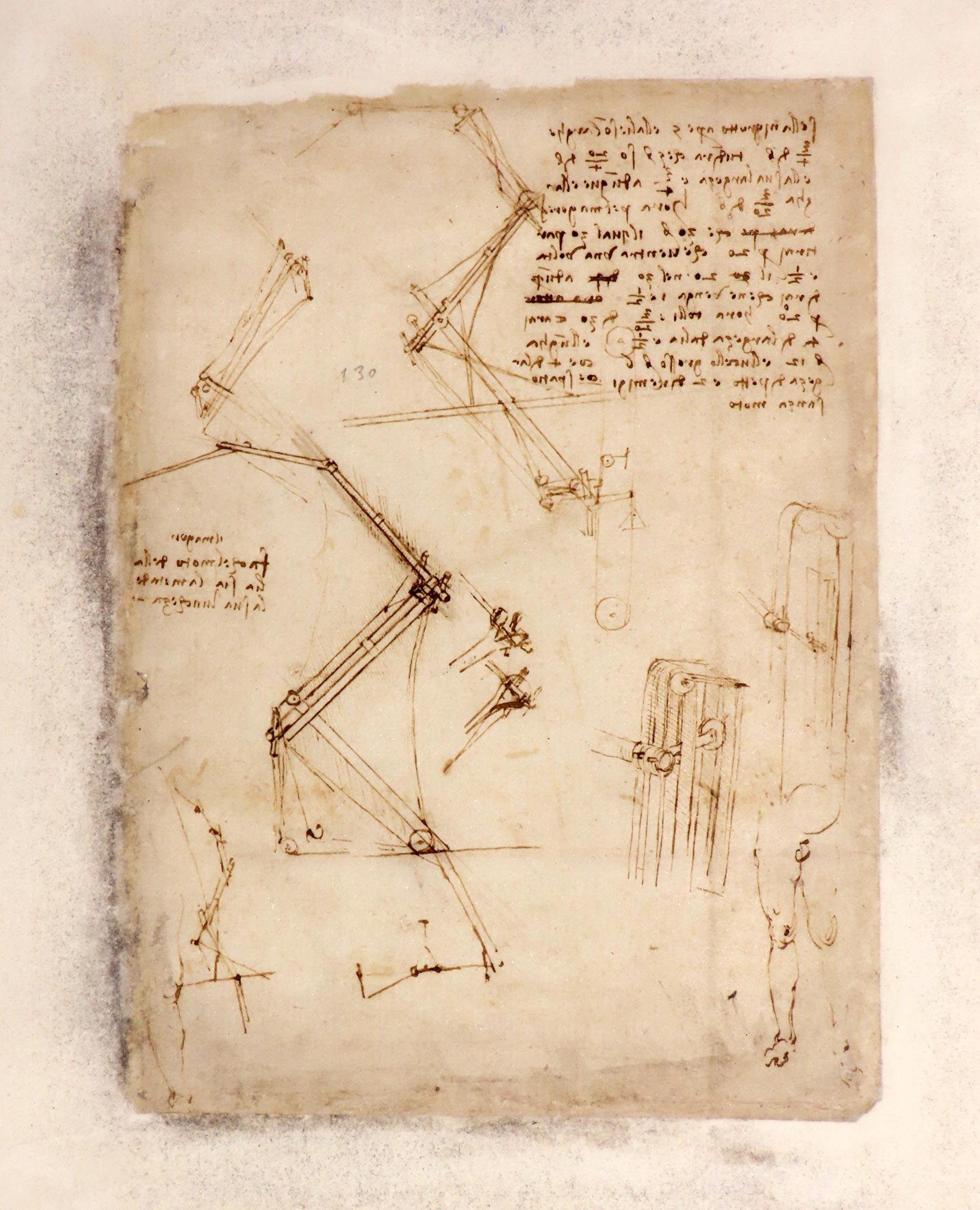
A study published in the prestigious journal Scientific Reports has revealed the nature of the black stains on the passepartout of the ancient document.
The Codex Atlanticus is one of the most extensive and fascinating collections of Leonardo da Vinci’s drawings and writings. Its preservation is a great challenge for scholars and researchers. An in-depth study, published in Scientific Reports, was conducted by Politecnico di Milano on folio 843 of the Codex, to understand the origins of some black stains that appeared a few years ago on the modern passepartout that binds Leonardo’s original folios.
The interdisciplinary research team coordinated by Lucia Toniolo, Professor of Materials Science and Technology at the Politecnico di Milano, used a series of non-invasive and micro-invasive analysis techniques to investigate the phenomenon and study its nature and causes.
The Codex Atlanticus, donated to the Veneranda Biblioteca Ambrosiana in 1637, was the subject of a major restoration carried out by the Laboratorio del Libro Antico (Laboratory for the Restoration of Ancient Books) of the Abbey of Grottaferrata between 1962 and 1972. The intervention ended with the production of 12 volumes with 1119 folios: each page has a passepartout with a panel (added by the restorers in Grottaferrata) framing Leonardo’s original fragments. Since 1997, the Codex has been stored in an environment with a strictly controlled microclimate, in accordance with paper conservation standards.
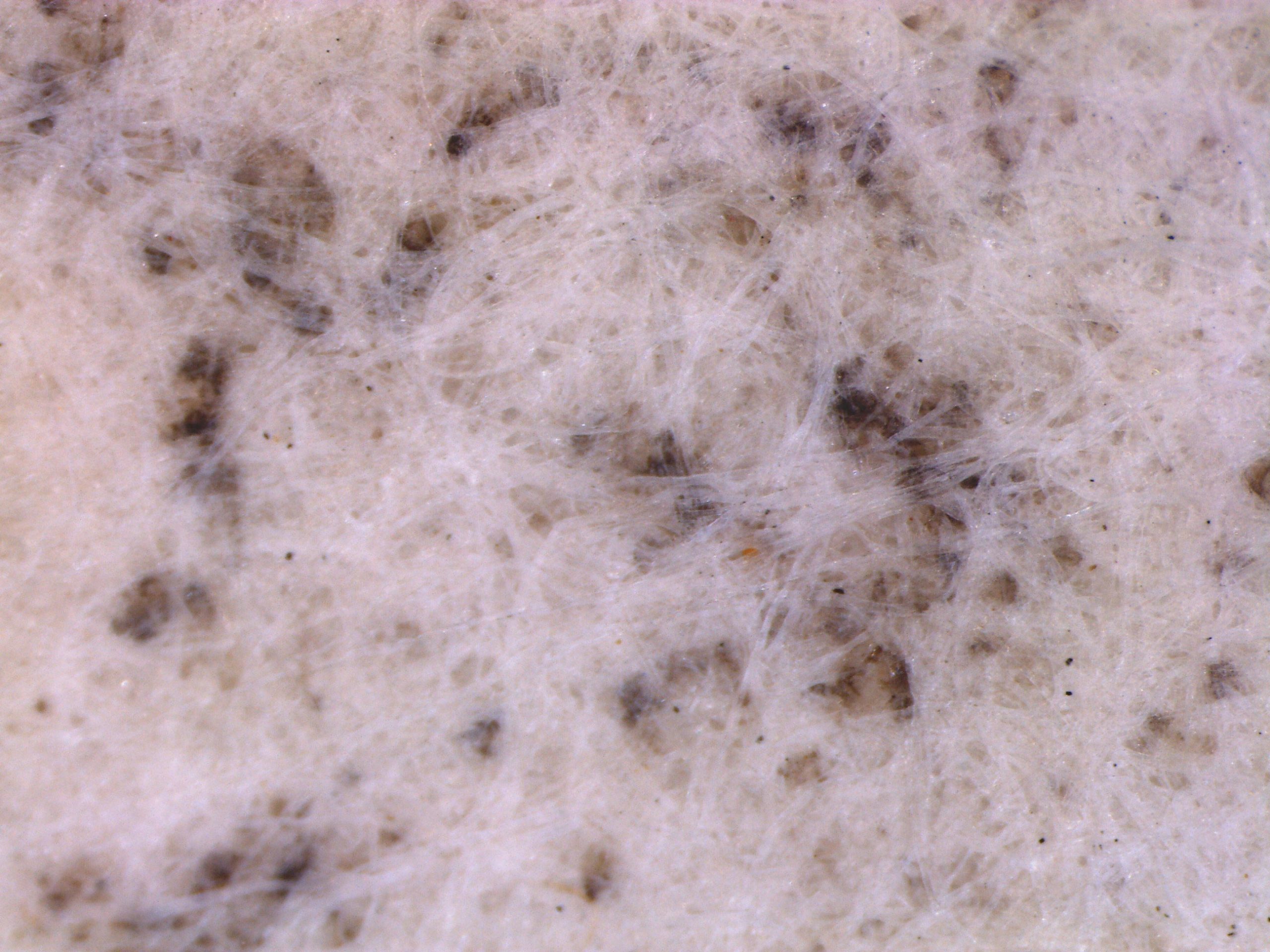
In 2006, very small black stains were discovered on the passepartout, located around the panel that frames and binds the folio. This phenomenon of blackening, observed on some 210 pages of the Codex from folio 600 onwards, has caused great concern among museum curators and scholars. An initial intervention in 2009 led to unbinding the volumes. Today, the drawings are individually mounted on passepartouts, in folders and acid-free boxes. The research carried out by the Politecnico began in 2021 during an initial pilot project on three Codex drawings funded by Fondo Italiano di Investimento, which included the removal and replacement of the passepartout of the folio 843.
Previous studies had ruled out that the stains resulted from microbiological deterioration processes. Research by the Politecnico di Milano, combining hyperspectral photoluminescence imaging and UV fluorescence imaging with micro-ATR-IR imaging, revealed the presence of starch glue and vinyl glue located in the areas where the staining is most concentrated, right near the edge of the folio.
Mercury Sulfide: A Key Discovery
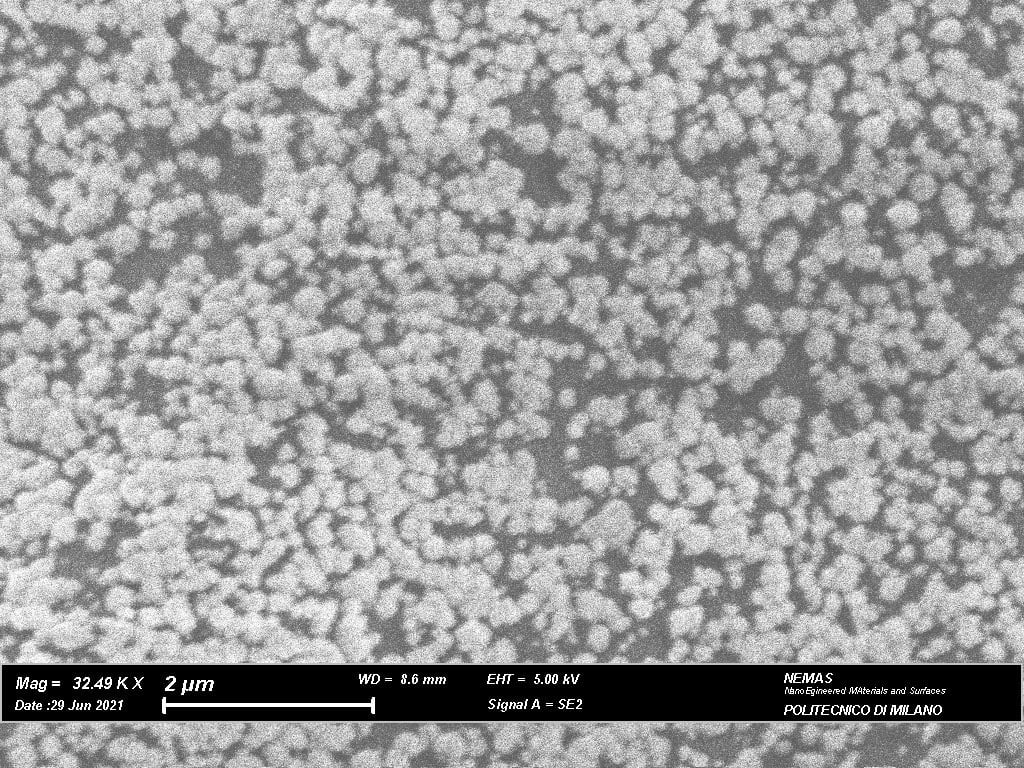
In addition, the presence of round inorganic nanoparticles, 100-200 nanometres in diameter, made up of mercury and sulfur, was detected, which had accumulated within the cavities formed between the cellulose fibers of the passepartout paper. Finally, using synchrotron analysis, conducted at ESRF in Grenoble, it was possible to identify these particles as metacinnabar, a mercury sulfide in an unusual black crystalline phase.
In-depth studies on paper preservation methods have allowed us to formulate some hypotheses on the formation of metacinnabar. The presence of mercury could be associated with the addition of an anti-vegetative salt in the glue mixture used in Grottaferrata’s restoration techniques, which could have been applied only in certain areas of the passepartout paper, precisely where it holds Leonardo’s folio, to ensure adhesion and prevent microbiological infestations on the Codex. The presence of sulfur, on the other hand, has been linked to air pollution (in Milan in the 1970s, levels of sulfur dioxide SO2 were very high) or to the additives used in the glue, which over time would have led to a reaction with mercury salts and the formation of metacinnabar particles, responsible for the black stains.
Reference: “Imaging and micro-invasive analyses of black stains on the passepartout of Codex Atlanticus Folio 843 by Leonardo da Vinci” by Nicolò Guarnieri, Marta Ghirardello, Sara Goidanich, Daniela Comelli, David Dellasega, Marine Cotte, Elena Fontana and Lucia Toniolo, 25 March 2023, Scientific Reports.
DOI: 10.1038/s41598-023-31129-2
Never miss a breakthrough: Join the SciTechDaily newsletter.
Follow us on Google and Google News.