
Your “roommate’s” genes could be affecting the bacteria living in your gut, and vice versa, according to a rat study published today (December 18) in Nature Communications.
By analyzing more than four thousand animals, researchers found that the mix of microbes in a rat’s gut is influenced not only by its own DNA but also by the DNA of the other rats it lives with.
The results point to a new way genes and social life connect through the sharing of commensal gut microbes that can move from one individual to another. Genes themselves do not pass between individuals, but microbes can. The team found that certain genes tend to support certain gut bacteria, and those bacteria can spread through close social contact.
“This is not magic, but rather the result of genetic influences spilling over to others through social contact. Genes shape the gut microbiome, and we found that it is not just our own genes that matter,” explains Dr. Amelie Baud, researcher at the Centre for Genomic Regulation in Barcelona and senior author of the study.
Three new gene microbe links found in rats
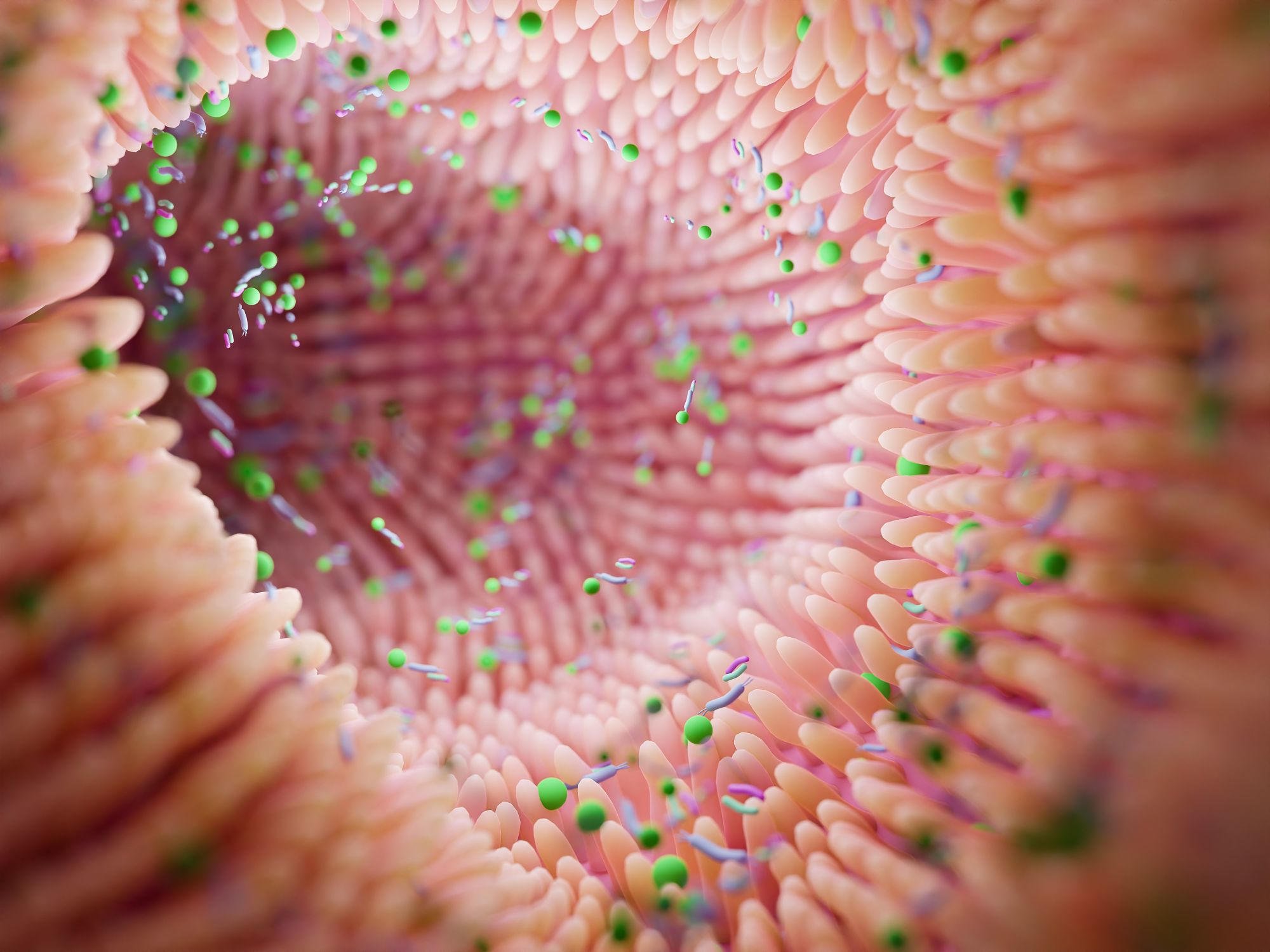
The gut microbiome is made up of trillions of microorganisms living in the digestive tract, where they help with digestion and contribute to overall health. Diet and medication are known to be major drivers of these microbial communities, but teasing out the role of genetics has been much harder.
In humans, only two genes have been reliably tied to gut bacteria so far. The lactase gene affects whether adults can digest milk and is linked to microbes involved in digesting milk. The ABO blood group gene also appears to influence gut bacteria, though the mechanisms are still unknown.
Researchers suspect there are more gene-microbe connections, but confirming them is difficult because real life mixes nature and nurture. Genes can shape diet and lifestyle choices, which then influence the gut microbiome. At the same time, families and friends often share meals, homes, and microbes, which makes it hard to separate genetic effects from shared environments.
To get around this, scientists at the Centre for Genomic Regulation and the University of California San Diego used rats. Rats share many features of mammalian biology, and they can be raised under controlled conditions, including feeding them the same diet.
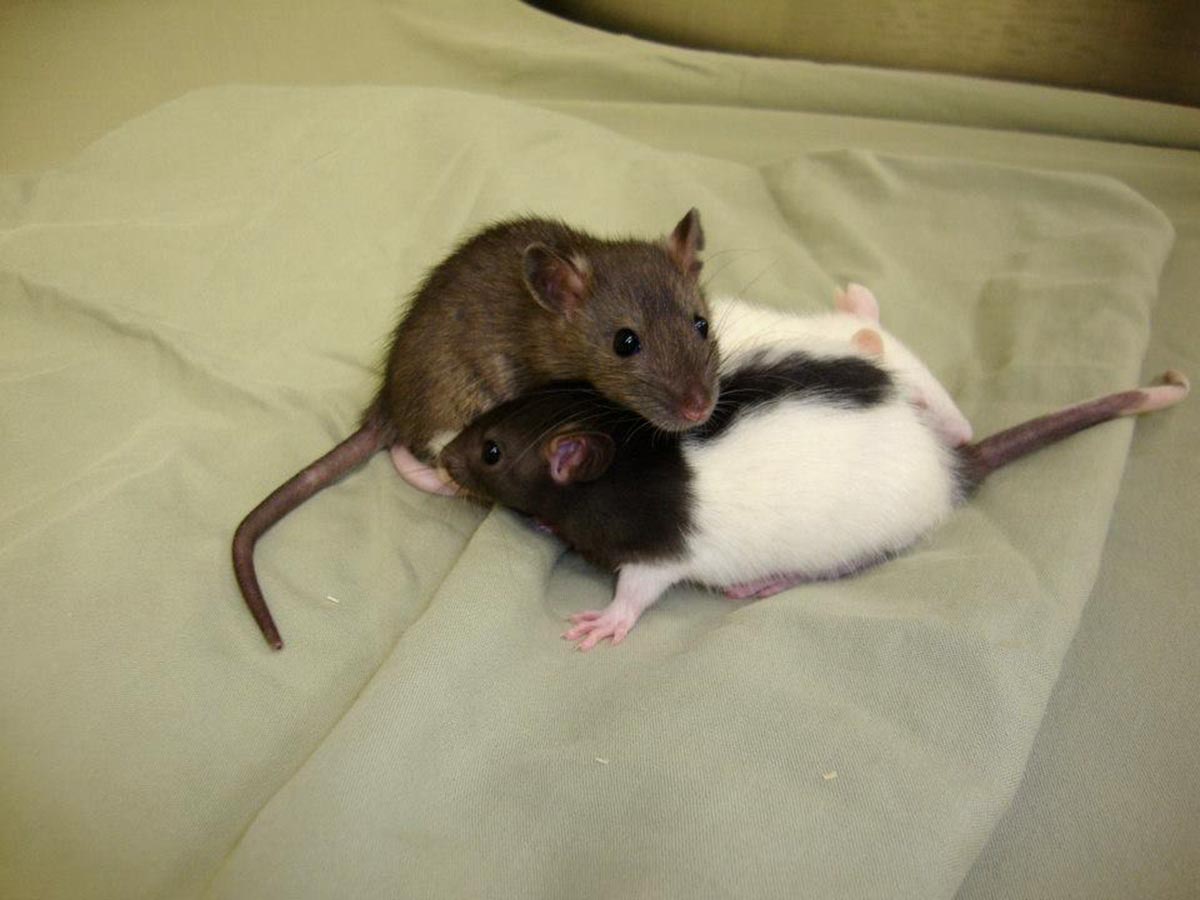
Every animal in the study was genetically unique and belonged to one of four different cohorts. Each cohort was housed at a different facility in the United States with different care routines, letting researchers check whether genetic signals stayed consistent across environments.
When the team combined genetic data with microbiome measurements from all 4,000 rats, they identified three genetic regions that repeatedly influenced gut bacteria across all four cohorts.
The strongest connection involved the gene St6galnac1, which adds sugar molecules to the gut’s mucus, and the abundance of Paraprevotella, a bacterium the researchers think feeds on those sugars. This relationship appeared in all four cohorts.
A second region included several mucin genes that help build the protective mucous layer in the gut and was associated with bacteria from the Firmicutes group. A third region contained the Pip gene, which encodes an anti-bacterial molecule, and it was linked to bacteria in the Muribaculaceae family, which are common in rodents and also found in humans.
Genes have social lives
Because the dataset was so large, the researchers were able, for the first time, to estimate how much of each rat’s microbiome could be explained by its own genes and how much could be explained by the genes of the other rats it lived with.
A familiar example of this idea, often called indirect genetic effects, is when a mother’s genes influence her offspring’s growth or immune system through the environment she provides.
In this rat study, controlled living conditions allowed the researchers to examine indirect genetic effects in a new setting. The authors built a computational model designed to separate genetic effects on a rat’s own microbes from the effects linked to its social partners.
They discovered that the abundance of some Muribaculaceae was shaped by both direct and indirect genetic influences. This suggests that some gene driven effects can spread socially because microbes are exchanged between individuals.
When these social, or indirect, effects were added into a statistical model, the overall genetic influence rose by four to eight times for the three gene microbe links the team identified. The researchers say this boost may still capture only part of what is happening.
“We’ve probably only uncovered the tip of the iceberg,” says Dr. Baud. “These are the bacteria where the signal is strongest, but many more microbes could be affected once we have better microbiome profiling methods.”
By showing that genetic influences can pair with gut microbe transmission, the study outlines a mechanism where one individual’s genetic effects can ripple through social groups, changing other individuals’ biology without changing their DNA.
If something similar occurs in humans, and given growing evidence that the gut microbiome matters for health, genetic influence on human health may be underestimated in large studies; genes may affect not only a person’s own disease risk but also the disease risk of others around them.
What this could mean for human health
Dr. Baud notes that the microbiome has been linked to immunity, metabolism, and behavior. However, not every reported association reflects a true cause-and-effect relationship, and the underlying mechanisms are often unclear. Genetic studies like hers, using animal models in tightly controlled environments, can help move from correlations toward testable causal hypotheses about how genes and the gut microbiome interact in human health.
The researchers point out that St6galnac1 in rats is functionally related to the human gene ST6GAL1, which has also been linked to Paraprevotella in other studies. This supports the idea that how animals coat gut mucous with sugars can shape which microbes thrive in the digestive system, and that this may be a shared mechanism across species.
The authors also hypothesize that this possible mechanism could influence infectious diseases such as COVID-19.
In other studies, ST6GAL1 has been linked to breakthrough SARS-CoV-2 infections, when people catch COVID despite vaccination. It has also been demonstrated that Paraprevotella triggers the degradation of the digestive enzymes the virus uses to enter a host’s cells, so the researchers hypothesize that genetic variants in ST6GAL1 could affect Paraprevotella abundance and, in turn, viral infection.
They also hypothesize a possible link to an autoimmune kidney disease called IgA nephropathy. Paraprevotella could alter IgA, an antibody that protects the gut but that, when altered, can leak into the bloodstream and form clumps that damage the kidneys, which is the hallmark of IgA nephropathy.
Next, the team plans to closely investigate how St6galnac1 shapes Paraprevotella in rats and what chain reactions that relationship may trigger in the gut and throughout the body.
“I am obsessed with this bacterium now. Our results are supported by data from four independent facilities, which means we can do follow-up studies in any new setting. They’re also remarkably strong compared with most host–microbiome links. It’s a unique opportunity,” concludes Dr. Baud.
Reference: “Genetic architecture and mechanisms of host-microbiome interactions from a multi-cohort analysis of outbred laboratory rats” by Hélène Tonnelé, Denghui Chen, Felipe Morillo, Jorge Garcia-Calleja, Apurva S. Chitre, Benjamin B. Johnson, Thiago Missfeldt Sanches, Riyan Cheng, Marc Jan Bonder, Antonio Gonzalez, Tomasz Kosciolek, Anthony M. George, Wenyan Han, Katie Holl, Aidan Horvath, Keita Ishiwari, Christopher P. King, Alexander C. Lamparelli, Connor D. Martin, Angel Garcia Martinez, Alesa H. Netzley, Jordan A. Tripi, Tengfei Wang, Elena Bosch, Peter A. Doris, Oliver Stegle, Hao Chen, Shelly B. Flagel, Paul J. Meyer, Jerry B. Richards, Terry E. Robinson, Leah C. Solberg Woods, Oksana Polesskaya, Rob Knight, Abraham A. Palmer and Amelie Baud, 18 December 2025, Nature Communications.
DOI: 10.1038/s41467-025-66105-z
Never miss a breakthrough: Join the SciTechDaily newsletter.
Follow us on Google and Google News.