
Close Menu
    Facebook X (Twitter) Instagram
    SciTechDaily
    • Biology
    • Chemistry
    • Earth
    • Health
    • Physics
    • Science
    • Space
    • Technology
    Facebook X (Twitter) Pinterest YouTube RSS
    SciTechDaily
    Home»Health»6,000 Brain Scans Reveal the Many Faces of Schizophrenia
    Health

    6,000 Brain Scans Reveal the Many Faces of Schizophrenia

    By University of ZurichFebruary 26, 2025No Comments3 Mins Read
    Facebook Twitter Pinterest Telegram LinkedIn WhatsApp Email Reddit
    Share
    Facebook Twitter LinkedIn Pinterest Telegram Email Reddit
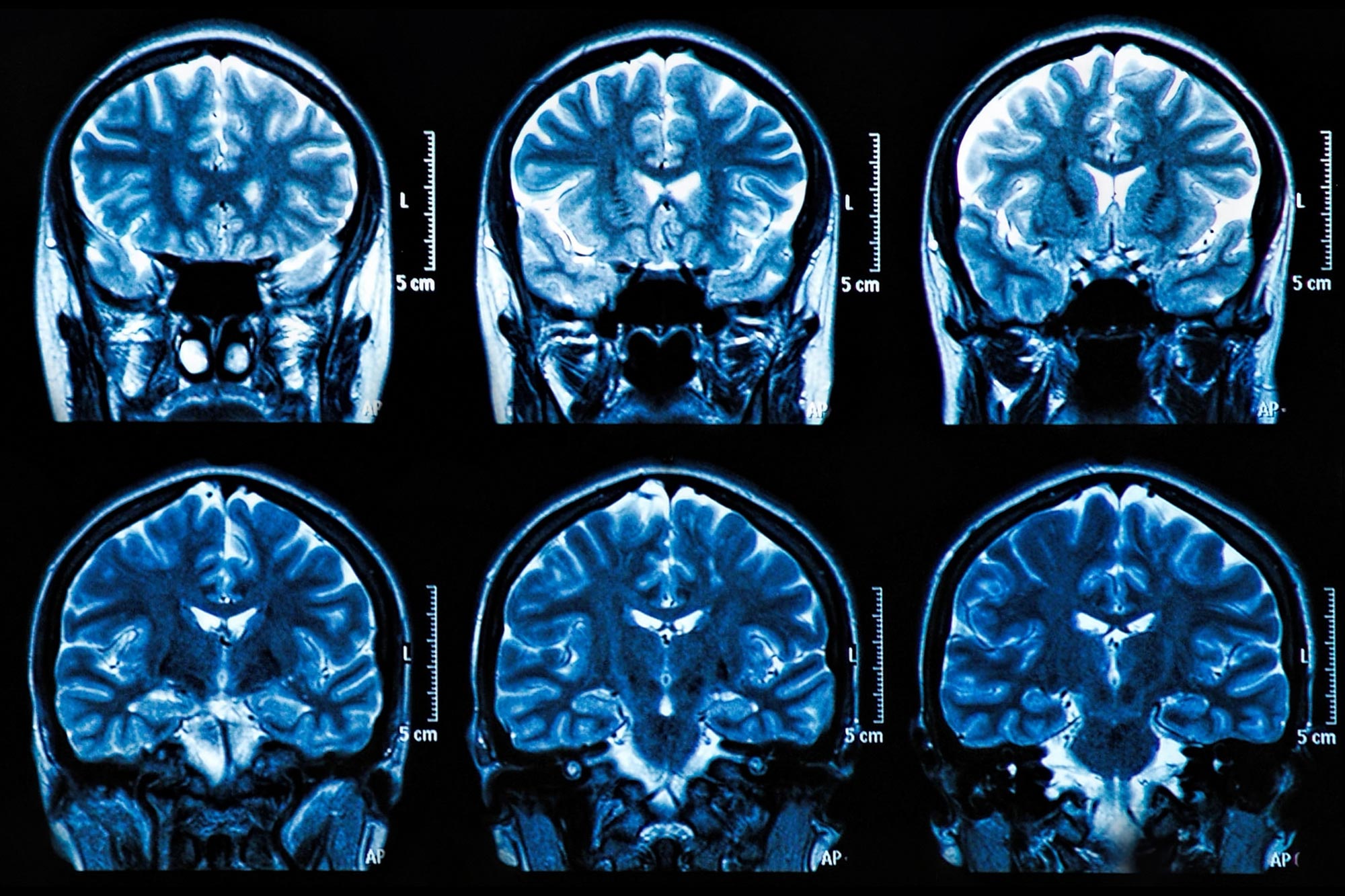
    MRI Brain Scan Neuroscience Images
    A new international study analyzing brain structures of over 6,000 people reveals key differences and similarities in schizophrenia patients.

    Researchers analyzed thousands of brain scans to uncover how schizophrenia varies at a structural level. While some brain areas differ greatly between patients, others share a common developmental trait, suggesting early brain formation plays a key role.

    Schizophrenia affects people in many different ways, and a new study reveals that these variations are reflected in brain structure.

    As a complex mental health condition, schizophrenia impacts perception, thinking, and emotions in diverse ways. Some individuals experience severe perceptual disturbances, while others struggle more with cognitive impairments. “In this sense, there is not one schizophrenia, but many, each with different neurobiological profiles,” explains Wolfgang Omlor, the study’s first author and a senior physician at the University Hospital of Psychiatry Zurich.

    Treating schizophrenia effectively may require a precision medicine approach, where therapies are tailored to an individual’s specific neurobiological profile. “This requires approaches that look for both individual differences and similarities at the neurobiological level,” says Omlor.

    Examining Brain Structure on a Global Scale

    In an international multicenter study, Wolfgang Omlor and the research team at the University of Zurich examined the variability of brain structure in patients with schizophrenia: Which brain networks show a high degree of individuality and which a high degree of similarity? The researchers examined several characteristics, including the thickness and surface area of the cerebral cortex, as well as the folding pattern and volume of deeper brain regions.

    The data was taken from the ENIGMA collaboration, an international research project that combined imaging data from more than 6,000 people in 22 countries. By comparing the brain structures of several thousand patients with schizophrenia and healthy individuals, the variability of brain structure could be studied with a high degree of reliability.

    Early Brain Development and Its Lasting Impact

    While variable brain structures in schizophrenia may reflect differences in symptoms between patients, the uniformity of brain folding in the mid-frontal brain area suggests a developmental trait common to people with schizophrenia. Because brain folding is largely completed in early childhood, brain development during this period appears to be less flexible in schizophrenia patients, particularly in areas responsible for linking thinking and feeling processes.

    “These findings broaden our understanding of the neurobiological basis of schizophrenia,” says Philipp Homan professor at the University of Zurich and corresponding author of the study. “While uniform brain folding may indicate possible mechanisms of disease development, regions with high variability in brain structure may be relevant for the development of individualized treatment strategies.”

    Reference: “Anticholinergic Burden and Cognitive Function in Psychosis: A Systematic Review and Meta-Analysis” by Valentina Mancini, Caren Latreche, Jack B. Fanshawe, Ioana Varvari, Chambrez-Zita Zauchenberger, Nova McGinn, Ana Catalan, Toby Pillinger, Philip K. McGuire and Robert A. McCutcheon, 26 February 2025, American Journal of Psychiatry.
    DOI: 10.1176/appi.ajp.20240260

    Never miss a breakthrough: Join the SciTechDaily newsletter.
    Follow us on Google and Google News.

    Brain Psychiatry Schizophrenia University of Zurich
    Share. Facebook Twitter Pinterest LinkedIn Email Reddit

    Related Articles

    Scientists Discover Genetic Changes Linked to Autism, Schizophrenia

    How 2 Proteins Could Change the Future of Schizophrenia Treatment

    Scientists Uncover New Clues to Early Development of Schizophrenia

    AI Breakthrough: Could Your Speech Reveal Schizophrenia?

    Scientists Discover Common Brain Network for Psychiatric Illnesses

    250% Increased Risk – A New Study Adds to the List of Risk Factors for Dementia

    “Mini-Brains” Grown in a Lab Provide Clues About Early Life Origins of Schizophrenia

    New Links Discovered Between Brain Cell Development and Psychiatric Disorders – “Major Step Forward”

    Columbia Scientists Reverse Core Symptom of Schizophrenia in Mice – “Memory Improved Dramatically”

    Leave A Reply Cancel Reply

    • Facebook
    • Twitter
    • Pinterest
    • YouTube

    Don't Miss a Discovery

    Subscribe for the Latest in Science & Tech!

    Trending News

    Sitting Up Straight Could Actually Help You Make Better Decisions

    Never-Before-Seen Vortices Are Swirling Across the Sun

    This Common Amino Acid May Help the Body Fight Cancer and Viruses

    Low-Protein “Longevity Diet” Linked to Fat Loss, Muscle Preservation, and Healthy Aging

    How Prehistoric Poop Changed Earth’s Ecosystems Forever

    This Fossil Upends a Decades-Old Debate About Snake Evolution

    A Blood Test Years Before Cancer May Reveal a Hidden Warning Sign

    Starlink Satellites Reveal a Hidden Atmosphere 300 Miles Above Earth

    Follow SciTechDaily
    • Facebook
    • Twitter
    • YouTube
    • Pinterest
    • Newsletter
    • RSS
    SciTech News
    • Biology News
    • Chemistry News
    • Earth News
    • Health News
    • Physics News
    • Science News
    • Space News
    • Technology News
    Recent Posts
    • Scientists Discover a Hidden World of Fungi 1,640 Feet Beneath Michigan
    • Where Were All the Tiny Dinosaurs? Scientists May Finally Have an Answer
    • Astronomers Caught a Star Exploding Almost the Instant It Began
    • Empty Space May Not Be Empty After All: Magnetar Reveals a Bizarre Quantum Effect
    • Humanity May Soon Have the Technology To Reach Other Star Systems
    Copyright © 1998 - 2026 SciTechDaily. All Rights Reserved.
    • Science News
    • About
    • Contact
    • Editorial Board
    • Privacy Policy
    • Terms of Use

    Type above and press Enter to search. Press Esc to cancel.