
Patients Will Be Able To Receive Confirmed Diagnosis at the Doctor’s Office
The idea of visiting the doctor’s office with symptoms of an illness and leaving with a scientifically confirmed diagnosis is much closer to reality because of new technology developed by researchers at McMaster University.
Engineering, biochemistry, and medical researchers from across campus have combined their skills to create a hand-held rapid test for bacterial infections that can produce accurate, reliable results in less than an hour, eliminating the need to send samples to a lab.
Their proof-of-concept research, published on June 24, 2021, in the journal Nature Chemistry, specifically describes the test’s effectiveness in diagnosing urinary tract infections from real clinical samples. The researchers are adapting the test to detect other forms of bacteria and for the rapid diagnosis of viruses, including COVID-19. They also plan to test its viability for detecting markers of cancer.
Patient-Centered Benefits and AMR Defense
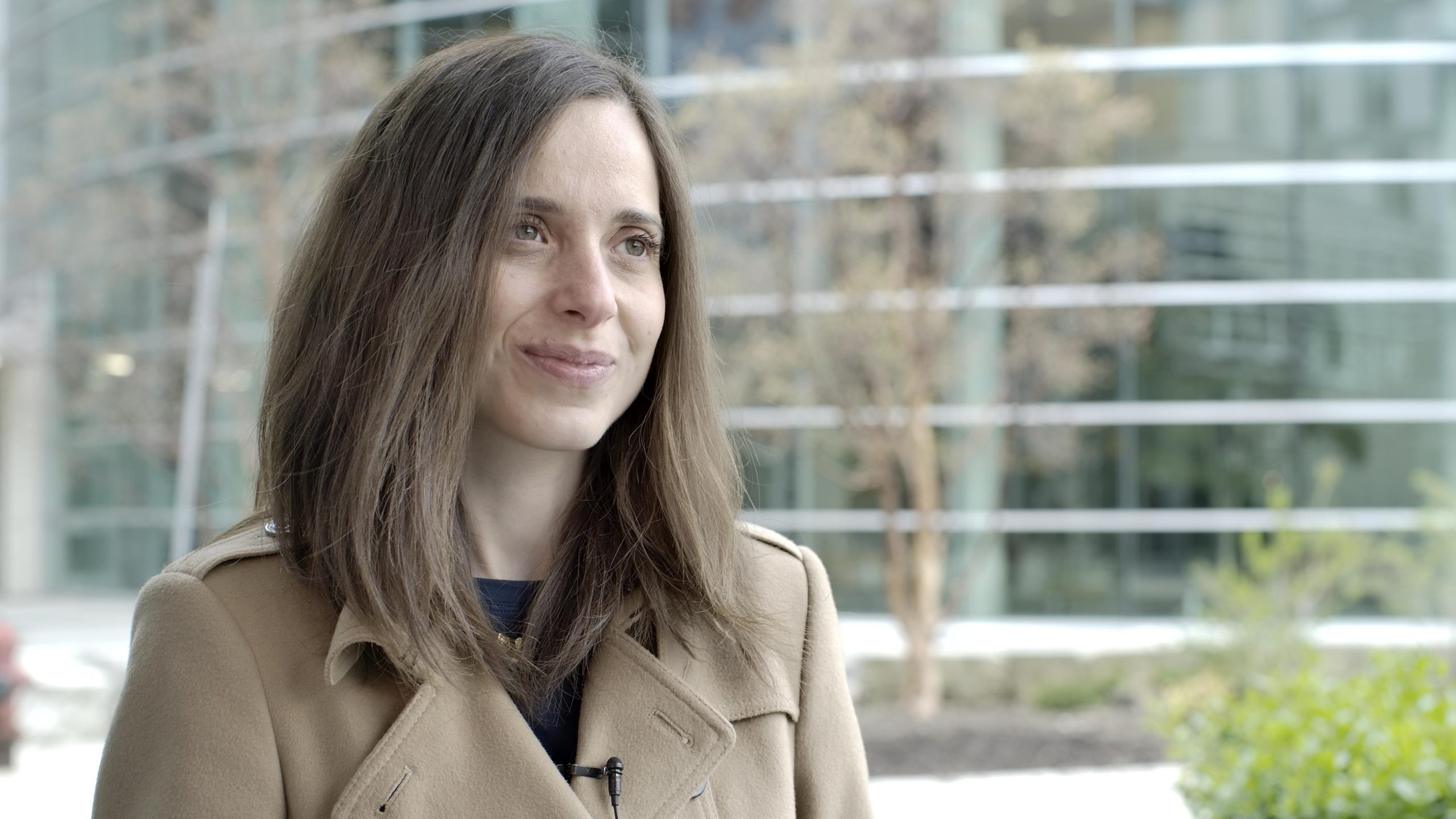
“It’s going to mean that patients can get better treatment, faster results and avoid serious complications. It can also avoid the unnecessary use of antibiotics, which is something that can buy us time in the battle against antimicrobial resistance,” says Leyla Soleymani, the paper’s co-corresponding author and an associate professor of engineering physics.
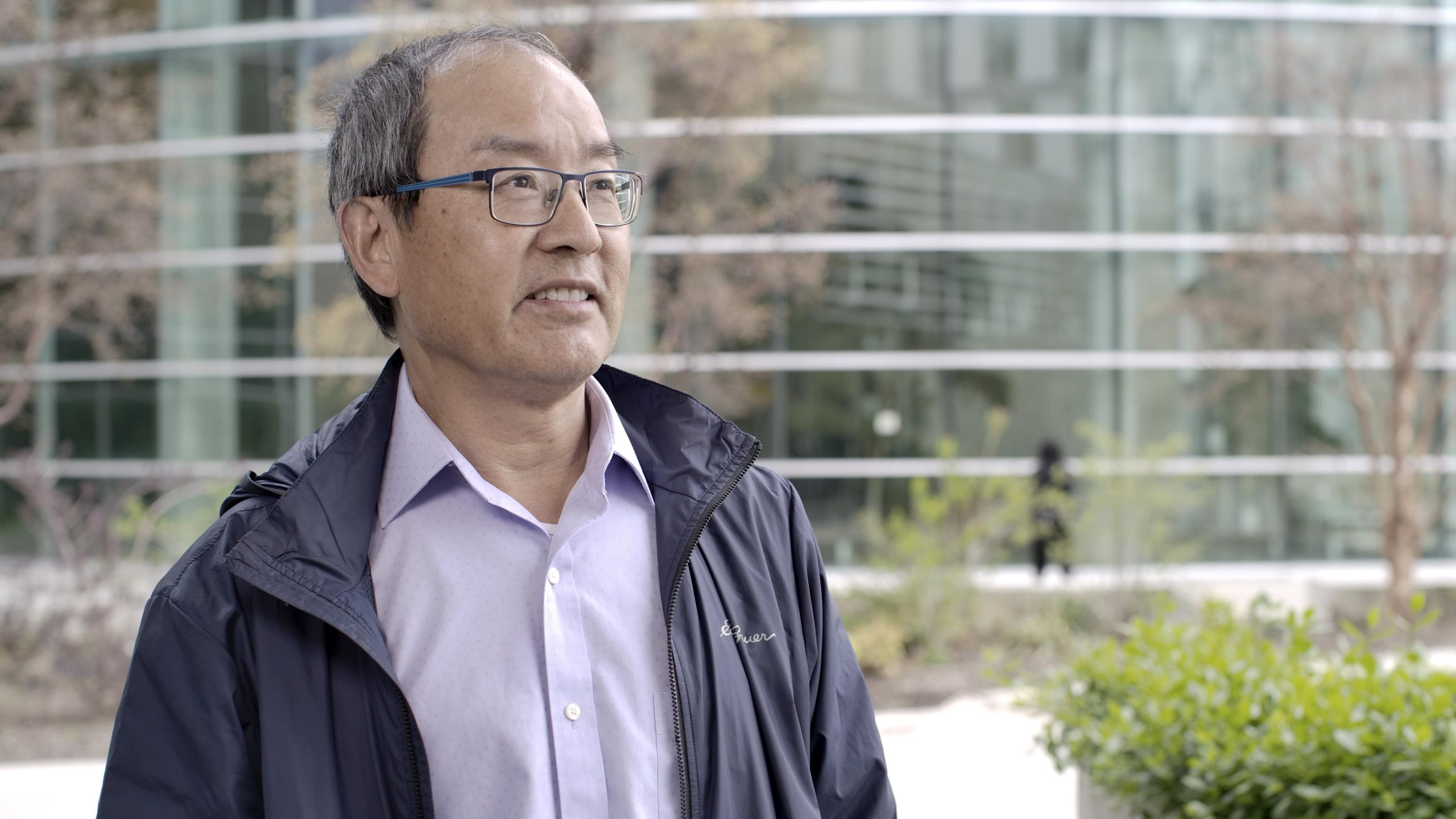
“This will give doctors the science to support what they already suspect based on their skills and experience,” says co-corresponding author Yingfu Li, a professor of biochemistry and biomedical sciences.
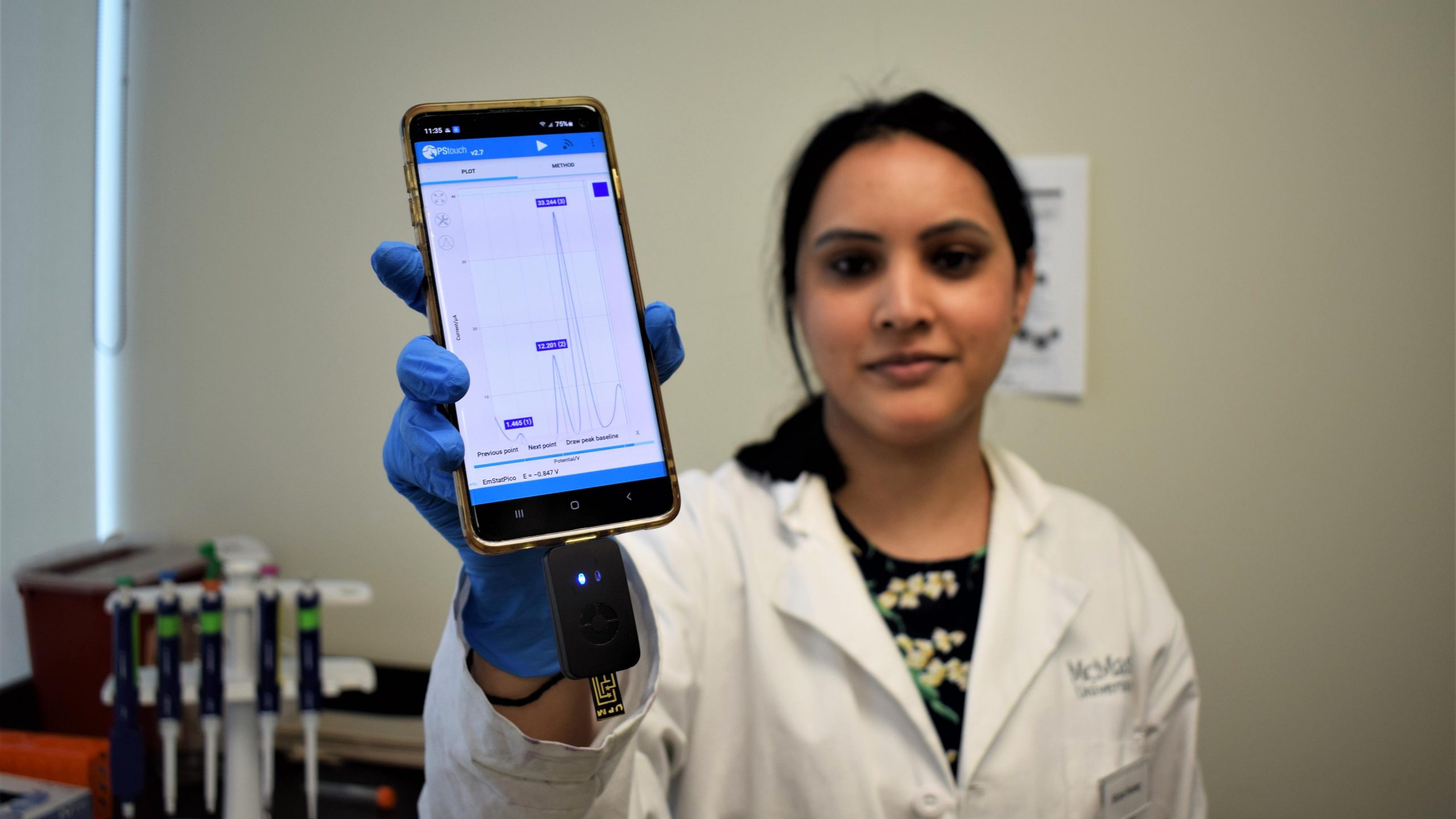
The new DNA-based technology uses a handheld device similar to a blood-glucose monitor. A microchip analyzes a droplet of bodily fluid such as blood, urine, or saliva, using molecules that can detect the specific protein signature of an infection. The device, about the size of a USB stick, plugs into a smartphone, which displays the result.
The invention combines electrochemical engineering technology developed by Soleymani and her team with biochemical technology developed by Li and his colleague Dingran Chang. They worked with infectious disease clinician Marek Smeija, a professor of medicine who provided samples from real patients, and with Todd Hoare, a professor of chemical engineering.
“As scientists, we want to enable things,” says Li, “We are knowledgeable in different scientific and engineering principles, and when you put them together to help people, that’s a special feeling. Having the chance to impact society is the reason we all do this work.”
Improving Patient Outcomes and Reducing Lab Burdens
Existing practice typically requires sending samples to laboratories to be cultured, a process that can take days. Providing immediate results to patients can reduce the spread of infection, improve patients’ quality of life, and simplify the work of busy clinicians.
The new technology can distinguish strains of the same bacteria that can be treated with antibiotics from others that are resistant to antibiotics, a critical distinction that can help battle the growing problem of antimicrobial resistance, or AMR.
“Clinicians identified testing delays as a problem that needed to be resolved,” says Soleymani, who holds the Canada Research Chair in Miniaturized Biomedical Devices. “We wanted to build a system that could give as much information as possible to the physician during the patient’s first visit.”
The researchers are in the midst of testing an adaptation of the same technology for the virus that causes COVID-19, using samples from a Hamilton clinic.
“This technology is very versatile and we’re getting very close to using the same technology for COVID-19 testing,” says Li, who is also a member of McMaster’s Michael Groote Institute for Infectious Disease Research.
The researchers are exploring regulatory approvals and industry partnerships to get the technology into wide use as quickly as possible, not only in Canada, but around the world, especially where access to lab testing is limited or non-existent.
“I think this technology is a step toward democratizing disease diagnosis and management,” says lead author Richa Pandey, a post-doctoral research fellow in Soleymani’s lab. “This is technology that can go anywhere in the world where testing is needed.”
Reference: “Integrating programmable DNAzymes with electrical readout for rapid and culture-free bacterial detection using a handheld platform” by Richa Pandey, Dingran Chang, Marek Smieja, Todd Hoare, Yingfu Li and Leyla Soleymani, 24 June 2021, Nature Chemistry.
DOI: 10.1038/s41557-021-00718-x
The research exemplifies the work of Canada’s Global Nexus for Pandemics and Biological Threats at McMaster University, which brings together an international network of researchers, government, industry, health care, and other partners with the goal of finding solutions to the current pandemic, while preparing for future global health threats such as antimicrobial resistance.
Never miss a breakthrough: Join the SciTechDaily newsletter.
Follow us on Google and Google News.
1 Comment
Has this tech been verified? A few years ago similar claims were made that turned out to be completely bogus.