
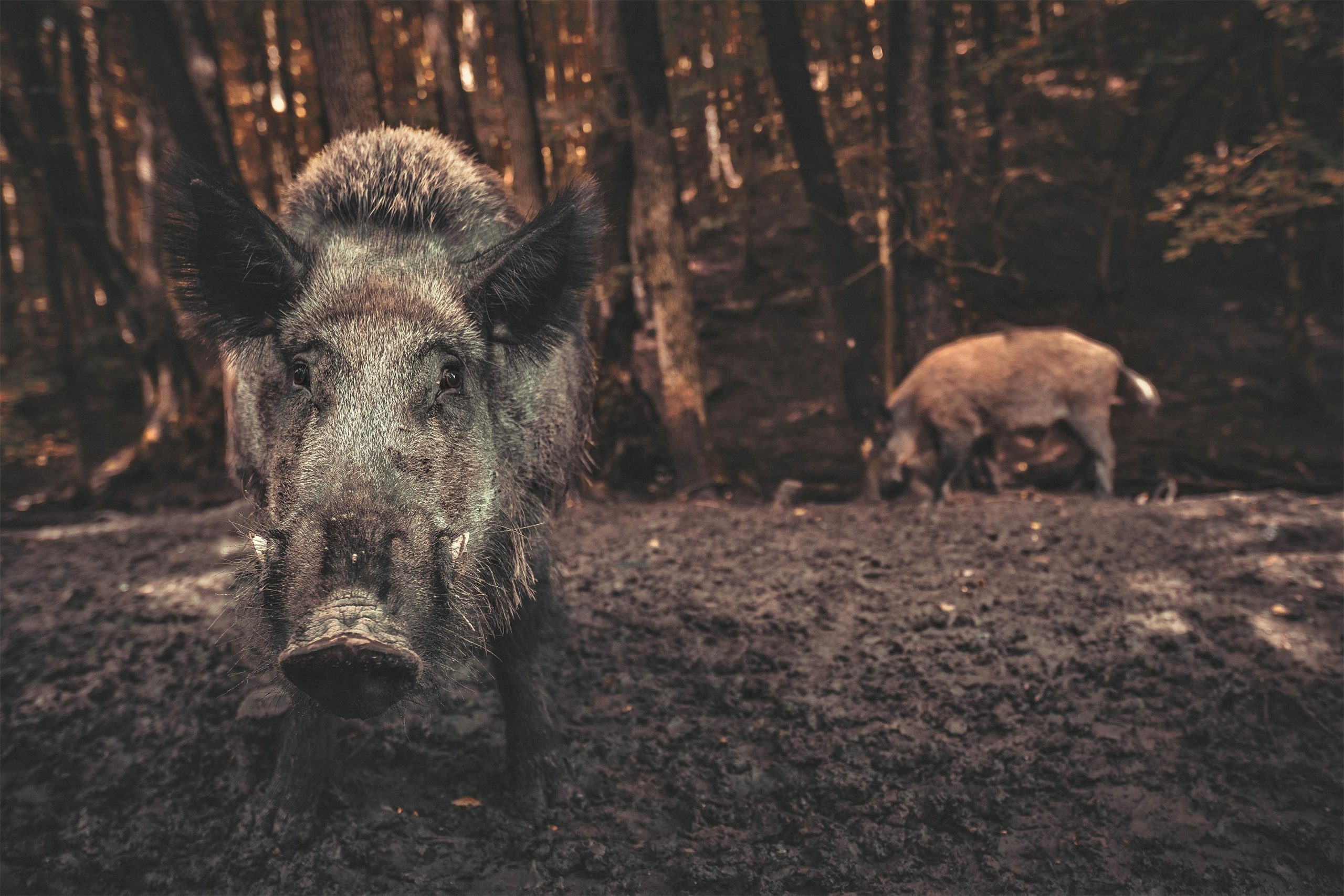
Invasive wild pigs are a surprising driver of global CO₂ emissions by uprooting carbon-rich soils on five continents.
By uprooting carbon trapped in soil, wild pigs are releasing around 4.9 million metric tonnes of carbon dioxide annually across the globe, the equivalent of 1.1 million cars.
An international team led by researchers from The University of Queensland and The University of Canterbury have used predictive population models, coupled with advanced mapping techniques to pinpoint the climate damage wild pigs are causing across five continents.
UQ’s Dr. Christopher O’Bryan said the globe’s ever-expanding population of feral pigs could be a significant threat to the climate.
A Hidden Source of CO₂ Emissions
“Wild pigs are just like tractors plowing through fields, turning over soil to find food,” Dr. O’Bryan said.
“When soils are disturbed from humans plowing a field or, in this case, from wild animals uprooting, carbon is released into the atmosphere.”
“Since soil contains nearly three times as much carbon as in the atmosphere, even a small fraction of carbon emitted from soil has the potential to accelerate climate change.”
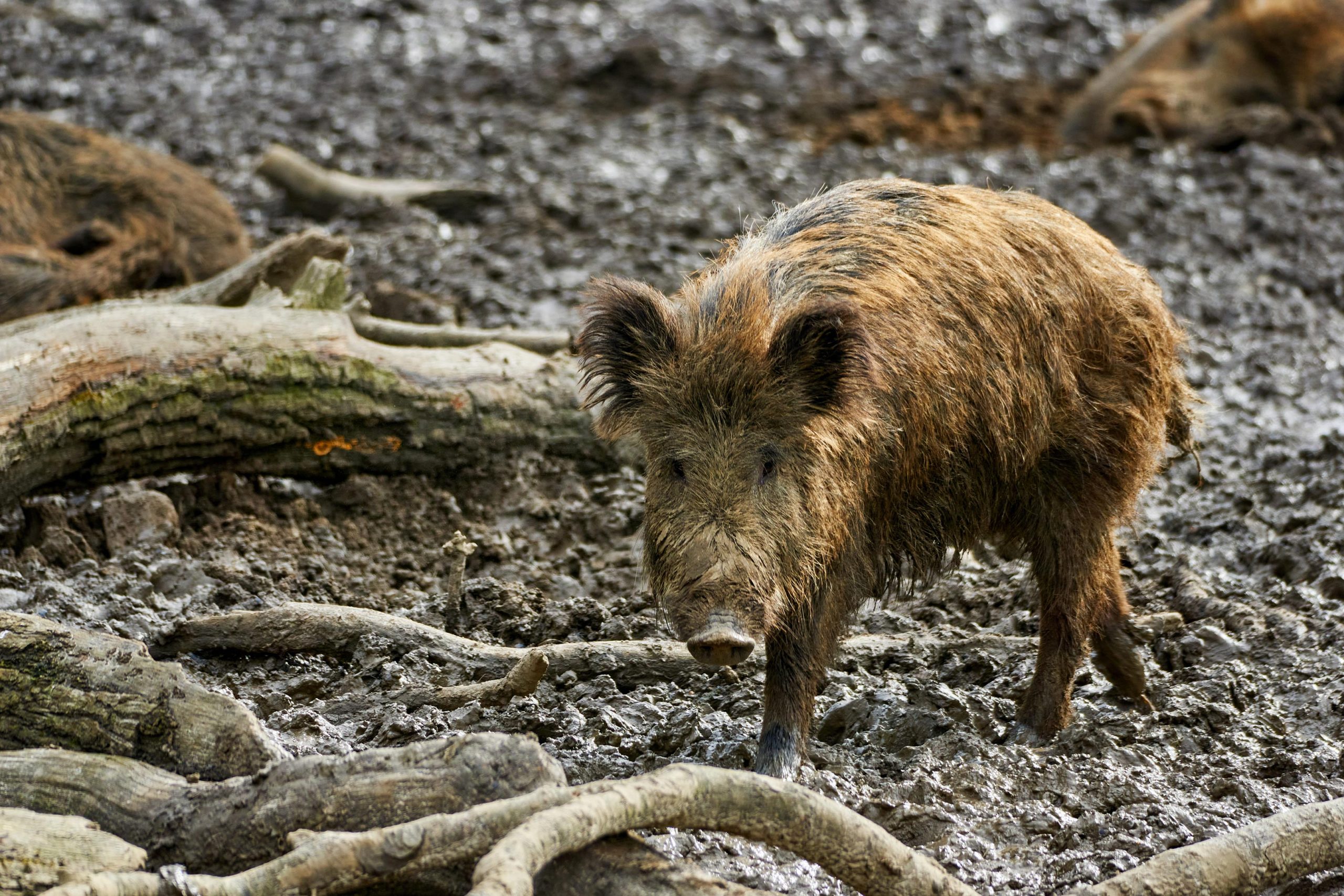
“Our models show a wide range of outcomes, but they indicate that wild pigs are most likely currently uprooting an area of around 36,000 to 124,000 square kilometers (14,000 to 48,000 square miles), in environments where they’re not native.
“This is an enormous amount of land, and this not only affects soil health and carbon emissions, but it also threatens biodiversity and food security that are crucial for sustainable development.”
Using existing models on wild pig numbers and locations, the team simulated 10,000 maps of potential global wild pig density.
They then modeled the amount of soil area disturbed from a long-term study of wild pig damage across a range of climatic conditions, vegetation types, and elevations spanning lowland grasslands to sub-alpine woodlands.
The researchers then simulated the global carbon emissions from wild pig soil damage based on previous research in the Americas, Europe, and China.
Broader Implications for Climate and Ecosystem Management
University of Canterbury PhD candidate Nicholas Patton said the research would have ramifications for curbing the effects of climate change into the future.
“Invasive species are a human-caused problem, so we need to acknowledge and take responsibility for their environmental and ecological implications,” Mr. Patton said.
“If invasive pigs are allowed to expand into areas with abundant soil carbon, there may be an even greater risk of greenhouse gas emissions in the future.
“Because wild pigs are prolific and cause widespread damage, they’re both costly and challenging to manage.
“Wild pig control will definitely require cooperation and collaboration across multiple jurisdictions, and our work is but one piece of the puzzle, helping managers better understand their impacts.
“It’s clear that more work still needs to be done, but in the interim, we should continue to protect and monitor ecosystems and their soil which are susceptible to invasive species via loss of carbon.”
Reference: “Unrecognized threat to global soil carbon by a widespread invasive species” by Christopher J. O’Bryan, Nicholas R. Patton, Jim Hone, Jesse S. Lewis, Violeta Berdejo-Espinola, Derek R. Risch, Matthew H. Holden and Eve McDonald-Madden, 19 July 2021, Global Change Biology.
DOI: 10.1111/gcb.15769
Never miss a breakthrough: Join the SciTechDaily newsletter.
Follow us on Google and Google News.
10 Comments
Thanks, Spain.
“Our models show a wide range of outcomes, …”
The wider the range, the less certain one is, which — if any — model is correct.
But, haven’t pigs and other rooting animals that preceded them been rooting up carbon in the soil for millions of years?
We’re their wild pigs in America before, Columbus or other travellers
What about all the soil disturbed by wars and clear-cutting trees with heavy machinery, not to mention (sub)urban expansion removing virgin habitats?
So, the idea then is keep the millions of cars on the road and get rid of the pigs??? Soil is continually being upturned and land is cleared for plantations, cattle and other factories. Not to mention the bitumen mine in Alberta which cleared exponential wetlands and landmass. At least the wild pigs regenerate the soil with their manure, which is more than what factory farms and mining does.
William Adana, no, these were stated to be invasive species, which by definition are not native to those areas. Native species are imported, sometimes purposefully, in ignorance or for commervisl readons, other times they may be accidentally released in areas where they normally would not be able to go. They often disrupt ecologogical balances, compete with and destroy native species and cause heck in general.
Monique, I don’t think that is the idea at all. The idea as I see it, assuming the article is accurate, is to recognize the extent of the damage being done by this invasive species, with the added burden of the contribution to climate change to boot.
This article is total bullsh*t. Couple PhDs sitting behind a computer running models with a wide range of outcomes. And this is the outcome they decided to print. Where’s the other outcomes? You know the ones that didn’t make a difference to anything 😂
So just the carbon that the wild pigs release disturbs the atmosphere? what about all the soil that humans dig through to release carbon into the atmosphere? I think humans would be a bigger problem than the pigs… But that’s my opinion.