
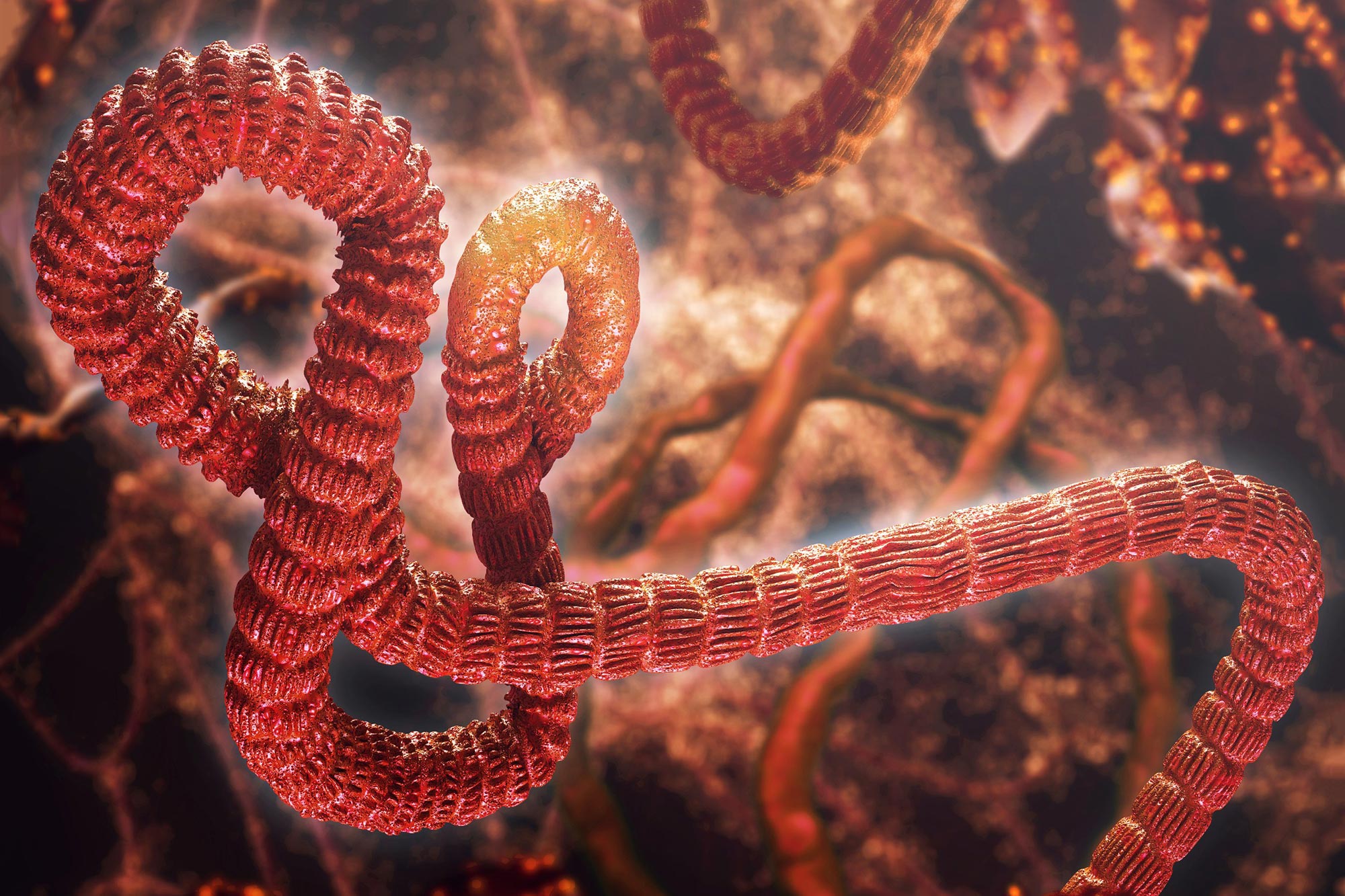
A cluster of unexplained illnesses in northern Burundi has prompted an urgent public health response.
Health officials in Burundi are racing to identify the cause of a still-unexplained illness that has killed five people and sickened 35 others in Mpanda district in the country’s north.
The outbreak, first flagged on March 31, 2026, appears to have spread mainly among members of the same household and their close contacts, raising concerns about either a shared exposure or limited person-to-person transmission.
Symptoms and Diagnostic Challenges
Early symptoms reported by patients include fever, vomiting, diarrhea, fatigue, abdominal pain, and blood in urine. In more serious cases, people have developed jaundice and anemia, signs that may point to liver involvement or damage to red blood cells. Such symptoms can overlap with a range of infectious diseases, which is why ruling out known threats has been a top priority.
So far, laboratory testing has excluded several high-profile and often deadly viruses, including Ebola and Marburg, as well as Rift Valley fever, yellow fever, and Crimean-Congo hemorrhagic fever. While that reduces the likelihood of a major hemorrhagic fever outbreak, it also deepens the mystery, as health teams must now look beyond the most common suspects.
Possible explanations could include less familiar viral or bacterial infections, environmental toxins, or diseases that jump from animals to humans.
Ongoing Investigations and Response Efforts
“While it’s reassuring that preliminary analysis is negative for these serious infections, further investigations are ongoing to determine the cause of the disease,” said Dr. Lydwine Badarahana, Burundi’s Minister of Health. “All the necessary measures are being taken to safeguard public health and prevent potential spread of infection.”
To speed up answers, Burundi has deployed a joint team from its public health emergency operations center and national reference laboratory to conduct field investigations, collect samples, and trace contacts. International support is also underway. The World Health Organization (WHO) is assisting with surveillance, patient care, laboratory testing, and infection control, while helping maintain critical logistics such as transport and supplies.
Samples have been sent to the National Institute of Biomedical Research in the neighboring Democratic Republic of the Congo, a regional hub with advanced diagnostic capacity.
For now, the outbreak remains under close watch. Identifying the cause quickly is key not only for treating patients effectively but also for preventing further spread, especially in rural areas where access to healthcare and diagnostics can be limited.
Never miss a breakthrough: Join the SciTechDaily newsletter.
Follow us on Google and Google News.
2 Comments
What? and RFK Jr. won’t help?
Vax status of the deceased?