
Close Menu
    Facebook X (Twitter) Instagram
    SciTechDaily
    • Biology
    • Chemistry
    • Earth
    • Health
    • Physics
    • Science
    • Space
    • Technology
    Facebook X (Twitter) Pinterest YouTube RSS
    SciTechDaily
    Home»Earth»Grazing With Iceland’s Reindeer – Herds of Wild Reindeer Prosper in East Iceland
    Earth

    Grazing With Iceland’s Reindeer – Herds of Wild Reindeer Prosper in East Iceland

    By Adam Voiland, NASA Earth ObservatoryDecember 24, 2021No Comments3 Mins Read
    Facebook Twitter Pinterest Telegram LinkedIn WhatsApp Email Reddit
    Share
    Facebook Twitter LinkedIn Pinterest Telegram Email Reddit
    Icelandic Reindeer
    Icelandic Reindeer

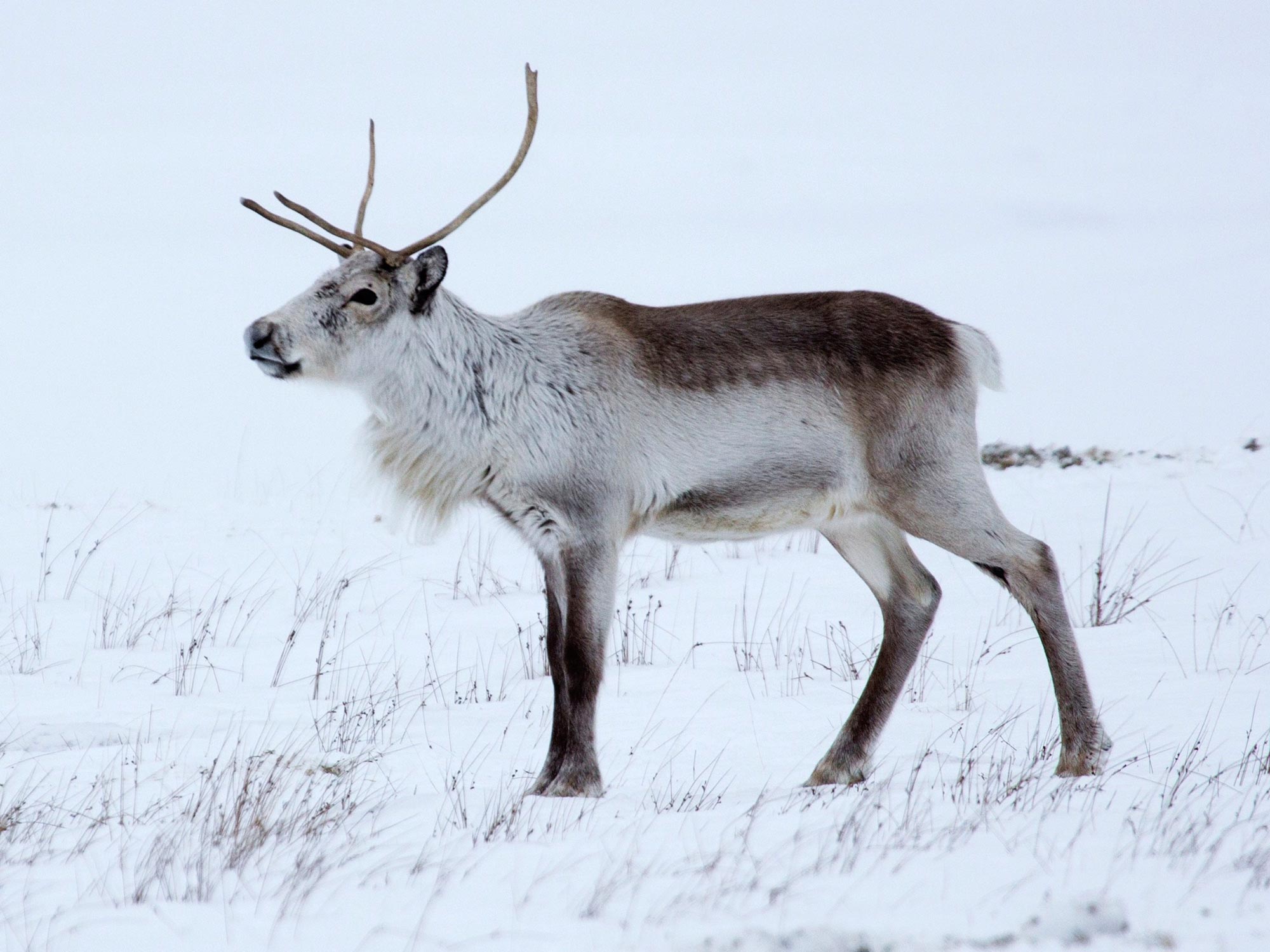
    While efforts to raise domesticated reindeer on the island failed, herds of wild reindeer prosper in East Iceland.

    While most of the world’s populations of reindeer and caribou have declined significantly in recent decades, Iceland’s herd is doing fine. Its population grew rapidly in recent decades and is now stable.

    Reindeer were first brought by royal decree from Norway to Iceland in the 1700s after diseases had killed about 60 percent of the island’s sheep population. Initially, there was hope they could be domesticated and be kept on farms. But early efforts at reindeer husbandry fizzled due to the harsh winters, competition with sheep farmers, and lack of interest among Icelanders in raising the animals.
    Mount Snæfell Annotated
    September 9, 2021

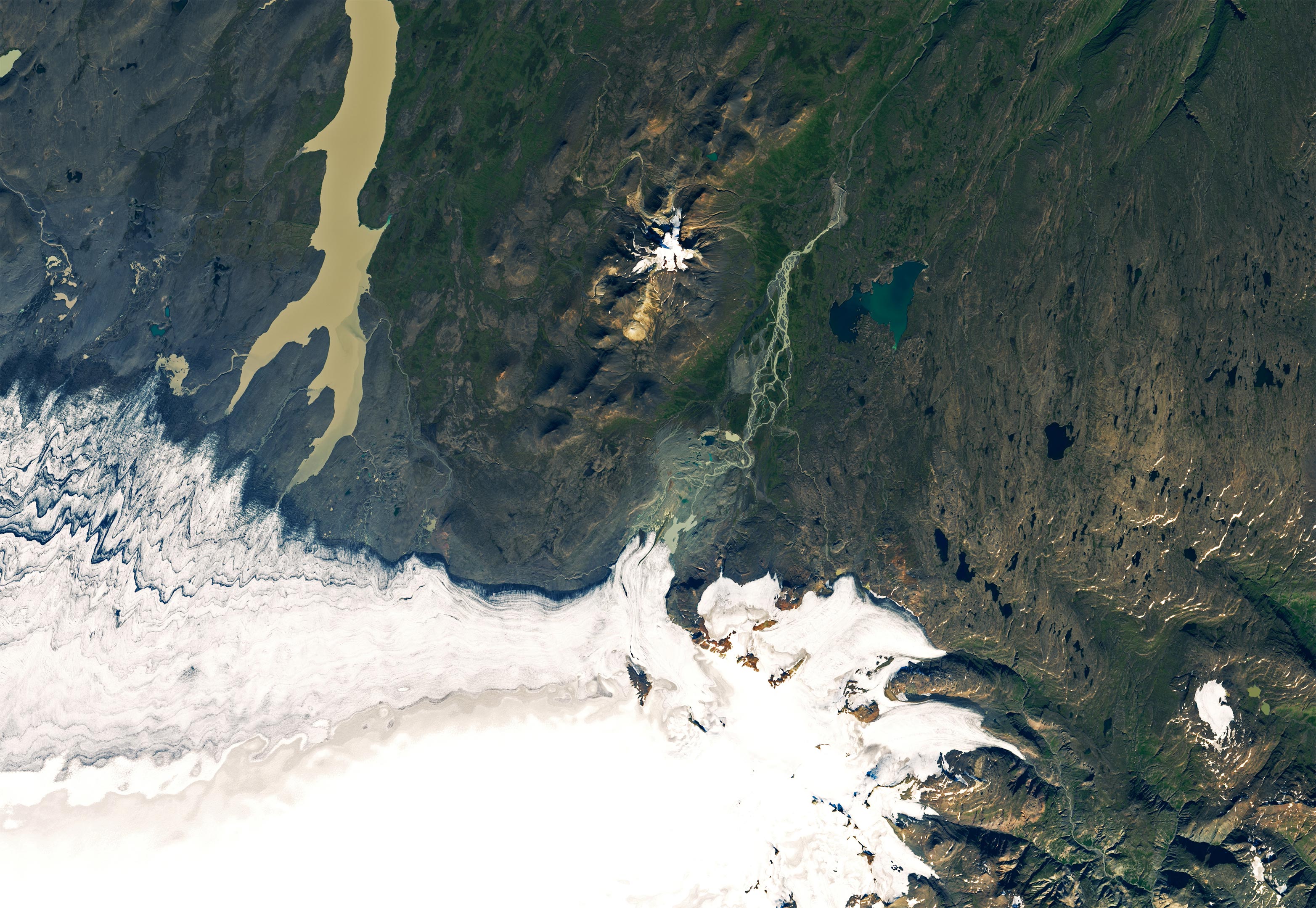
    Nonetheless, wild reindeer thrived in East Iceland, an area with plenty of a key type of lichen (Cetraria islandica) for herds to consume. The population swelled from a few dozen reindeer in the 1700s to more than 5,000 now. Many of Iceland’s reindeer now spend much of their time in the summer foraging in the highlands near Mount Snæfell. When winter weather arrives, they descend into warmer valleys closer to the ocean.
    Iceland 2020 Annotated
    August 14, 2020

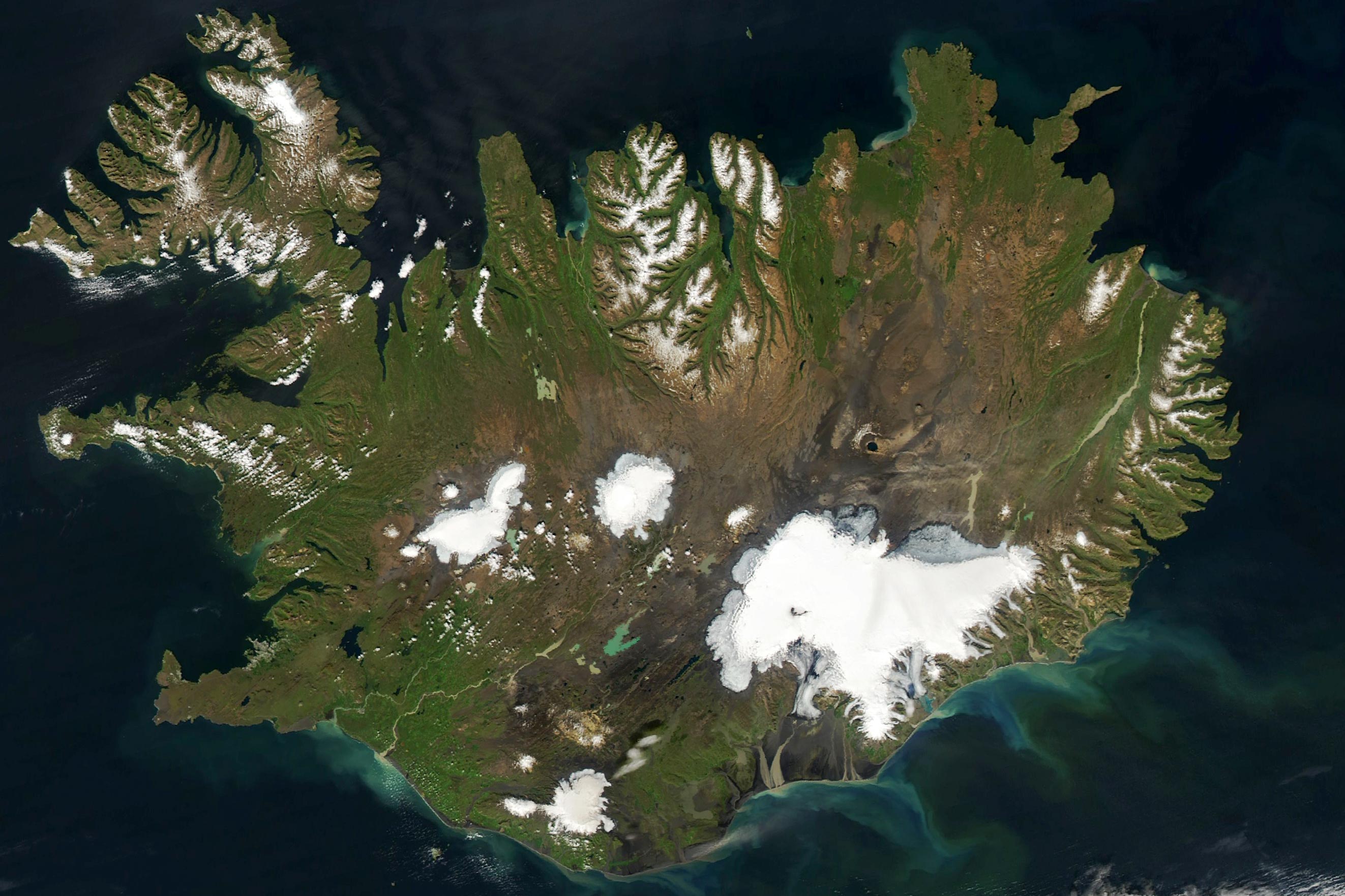
    The Operational Land Imager (OLI) on Landsat 8 captured this image of Mount Snæfell and the surrounding area on September 9, 2021. The Hálslón Reservoir lies to the west and the Vatnajökull ice field to the south. As seen in the second image, the highland plateau north and northeast of Vatnajökull glacier is the only place in Iceland with continuous vegetation from the seashore to Vatnajökull. That image was acquired by the Moderate Resolution Imaging Spectroradiometer (MODIS) on NASA’s Aqua satellite.

    Limited grazing land can be a problem in Iceland due to the island’s long, cold winters. Satellite observations of vegetation—particularly a measure called the Normalized Difference Vegetation Index (NDVI)—are among the tools that researchers and wildlife managers use to monitor the health of pastures and reindeer populations in East Iceland.
    Reindeer Iceland
    2014

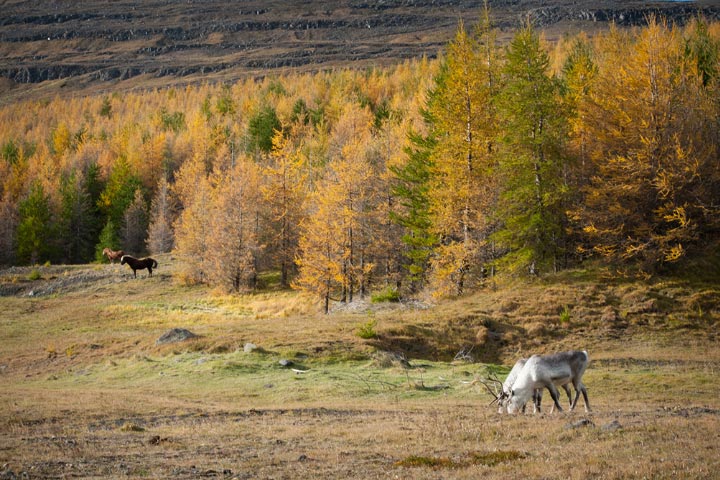
    Reindeer in East Iceland don’t have to contend with any natural predators, parasitic flies, or mosquitoes. To keep reindeer populations in check, human hunters are permitted to kill about 1000 – 1,300 of the animals each year.

    “To prevent overgrazing, we keep the density of winter populations under one animal per square kilometer,” explained Skarphéðinn Þórisson of the East Iceland Nature Centre. “Most of the overgrazing that happens in Iceland is related to sheep farming—not reindeer—and happens mainly in areas other than East Iceland.”

    NASA Earth Observatory image by Lauren Dauphin, using Landsat data from the U.S. Geological Survey and MODIS data from NASA EOSDIS LANCE and GIBS/Worldview. Photograph by Darcy Moore.

    Never miss a breakthrough: Join the SciTechDaily newsletter.
    Follow us on Google and Google News.

    NASA NASA Earth Observatory
    Share. Facebook Twitter Pinterest LinkedIn Email Reddit

    Related Articles

    NASA Satellite Watches as Bush Fire Scorches Land Near Phoenix

    “Wedge Failure” Landslide in Alaska

    Muddy Flooding After Catastrophic Dam Failures in Michigan Seen From Space

    Scientists Concerned As Denman Glacier Retreats Both Above and Below the Water Line

    NASA Scientists Collect Moon-Like Rocks From Site in Montana

    NASA Satellites Spot Several Wildfires Near Chernobyl Exclusion Zone

    Shocking Disappearance of Ecuador’s Tallest Waterfall

    Heading Off a Locust Invasion Using NASA Satellites

    Plankton-Fueled Agulhas Current Ocean Eddy Is 93 Miles Wide

    Leave A Reply Cancel Reply

    • Facebook
    • Twitter
    • Pinterest
    • YouTube

    Don't Miss a Discovery

    Subscribe for the Latest in Science & Tech!

    Trending News

    Mezcal “Worm” in a Bottle Mystery: DNA Testing Reveals a Surprise

    New Research Reveals That Your Morning Coffee Activates an Ancient Longevity Switch

    This Is What Makes You Irresistible to Mosquitoes

    Shockingly Powerful Giant Octopuses Ruled the Seas 100 Million Years Ago

    Scientists Stunned by New Organic Molecules Found on Mars

    Rewriting Dinosaur Evolution: Scientists Unearth Remarkable 150-Million-Year-Old Stegosaur Skull

    Omega-3 Supplements Linked to Cognitive Decline in Surprising New Study

    First-of-Its-Kind Discovery: Homer’s Iliad Found Embedded in a 1,600-Year-Old Egyptian Mummy

    Follow SciTechDaily
    • Facebook
    • Twitter
    • YouTube
    • Pinterest
    • Newsletter
    • RSS
    SciTech News
    • Biology News
    • Chemistry News
    • Earth News
    • Health News
    • Physics News
    • Science News
    • Space News
    • Technology News
    Recent Posts
    • This Gene Tweak Turns Strawberries Into Healthier, Tastier Superfruit
    • This New Chip Could Make GPUs Far More Efficient
    • This Tiny World in the Outer Solar System Should Be Airless, but It Has an Atmosphere
    • NASA’s Webb Space Telescope Reveals a Dark Airless Super-Earth That Looks Like Mercury
    • These Simple Daily Habits Can Quickly Improve Blood Pressure and Heart Risk Factors
    Copyright © 1998 - 2026 SciTechDaily. All Rights Reserved.
    • Science News
    • About
    • Contact
    • Editorial Board
    • Privacy Policy
    • Terms of Use

    Type above and press Enter to search. Press Esc to cancel.