
Close Menu
    Facebook X (Twitter) Instagram
    SciTechDaily
    • Biology
    • Chemistry
    • Earth
    • Health
    • Physics
    • Science
    • Space
    • Technology
    Facebook X (Twitter) Pinterest YouTube RSS
    SciTechDaily
    Home»Earth»As Much as One-Third of Greenhouses Gases Come From Agriculture
    Earth

    As Much as One-Third of Greenhouses Gases Come From Agriculture

    By SciTechDailyNovember 1, 2012No Comments2 Mins Read
    Facebook Twitter Pinterest Telegram LinkedIn WhatsApp Email Reddit
    Share
    Facebook Twitter LinkedIn Pinterest Telegram Email Reddit
    greenhouse-gas-agriculture
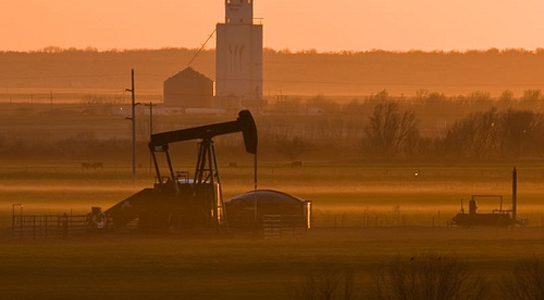
    One-third of human-caused greenhouse gas emissions originate from the global food system, which includes fertilizer production, food storage, and packaging.

    One-third of all human-caused greenhouse gas emissions stem from the global food system, which encompasses the manufacturing of fertilizer, to food storage and packaging. These figures are from the Consultative Group on International Agricultural Research (CGIAR), which is a partnership of 15 research centers from around the world.

    Two reports were published by the CGIAR, and they state that reducing agriculture’s footprint is central to limiting climate change. To ensure food security, farmers should switch to cultivating more climate-hardy crops.

    sustainable-food-system
    Asparagus in the sun. Credit: Afton Halloran

    Food-related emissions and the impacts of climate change on agriculture and the food system will affect the way that we cultivate and produce food, states Sonja Vermeulen, a plant scientist, from the University of Copenhagen, in Denmark.

    The scientists examined the carbon emission for all stages of the global food system. Previous work had only looked at the contribution of agricultural production to greenhouse gas emissions. The new study looked at estimates from 2005, 2007, and 2008 and found that agricultural production releases 12,000 megatonnes of carbon dioxide every year, up to 86% of all food-related anthropogenic greenhouse gas emissions. Fertilizer manufacturing produces 575 megatonnes and refrigeration emits 490 megatonnes. The whole food system released 9,800 to 16,900 megatonnes of carbon dioxide into the atmosphere in 2008.

    In higher-income countries, like the UK, post-production, which includes storage and transport, contributes a large proportion of the food system’s greenhouse gas emissions. In countries like China, fertilizer manufacturing has the biggest role.

    By 2050, climate change could cause irrigated wheat yields in developing countries to drop by 13%. Irrigated rice could fall by 15%. In Africa, maize yields could drop by 10% to 20%.

    As temperatures rise, potato-growing areas, like China and India, are likely to see decreased yields. Farmers might have to consider growing crops, like bananas, which do better in warmer climates.

    Never miss a breakthrough: Join the SciTechDaily newsletter.
    Follow us on Google and Google News.

    Agriculture Climate Change Environment Farming Greenhouse Gas
    Share. Facebook Twitter Pinterest LinkedIn Email Reddit

    Related Articles

    Inactive Oil Wells May Be a Big Source of Methane Emissions

    Humanity’s Geologic Footprint Transformed by Unprecedented Energy Use Since 1950

    Water, Energy and Land Insecurity Made Worse by Globalized Economy

    The Truth Behind the Paris Agreement Climate Pledges – “Insufficient to Address Climate Change”

    Sesame Crop Yields Stable in Drought Conditions

    Changing Gulf Stream Is Destabilizing Gases Trapped in Sediments

    Carbon Absorption by Plants Limited by the Abundance of Soil Nutrients

    Diseased Trees May Be a Significant Source of Methane That Causes Climate Change

    Particulate Pollution Created ‘Warming Hole’ that Delayed Climate Change

    Leave A Reply Cancel Reply

    • Facebook
    • Twitter
    • Pinterest
    • YouTube

    Don't Miss a Discovery

    Subscribe for the Latest in Science & Tech!

    Trending News

    Just Two Days on a Vegan Diet Triggered Unexpected Changes in the Liver

    Antarctica’s “Doomsday Glacier” Could Raise Sea Levels Twice As Much as Scientists Feared

    Snakebites Are Far Deadlier Than We Thought, New Study Reveals

    Scientists Studied 865 Humpback Whales and Found They Grow Faster Than Expected

    Archaeologists May Have Just Discovered the World’s Oldest Shipwreck

    Researchers Find That Arthritis May Leave a Hidden Memory in Your Joints

    These Giant-Headed Ants Are Breaking a Fundamental Rule of Biology

    Scientists Discover a Hidden Cholesterol Switch That Could Change How We Treat Heart Disease

    Follow SciTechDaily
    • Facebook
    • Twitter
    • YouTube
    • Pinterest
    • Newsletter
    • RSS
    SciTech News
    • Biology News
    • Chemistry News
    • Earth News
    • Health News
    • Physics News
    • Science News
    • Space News
    • Technology News
    Recent Posts
    • Scientists Trap a Rare-Earth Metal in a Molecular Cage, Unlocking a Strange New State
    • Why Do We Have Necks? Scientists Uncover a 380-Million-Year-Old Evolutionary Twist
    • Tiny Magnets Implanted in Muscles Are Giving Prosthetic Hands a Remarkable New Ability
    • “Strangest of Its Kind”: Scientists Uncover a Bizarre Bacterial Self-Destruct Switch
    • Scientists Discover a Strange Insect in the Himalayas Where No One Expected It
    Copyright © 1998 - 2026 SciTechDaily. All Rights Reserved.
    • Science News
    • About
    • Contact
    • Editorial Board
    • Privacy Policy
    • Terms of Use

    Type above and press Enter to search. Press Esc to cancel.