
Close Menu
    Facebook X (Twitter) Instagram
    SciTechDaily
    • Biology
    • Chemistry
    • Earth
    • Health
    • Physics
    • Science
    • Space
    • Technology
    Facebook X (Twitter) Pinterest YouTube RSS
    SciTechDaily
    Home»Space»Exploring Alien Worlds With NASA’s James Webb Space Telescope [Video]
    Space

    Exploring Alien Worlds With NASA’s James Webb Space Telescope [Video]

    By NASA AstrobiologyMarch 4, 20221 Comment2 Mins Read
    Facebook Twitter Pinterest Telegram LinkedIn WhatsApp Email Reddit
    Share
    Facebook Twitter LinkedIn Pinterest Telegram Email Reddit
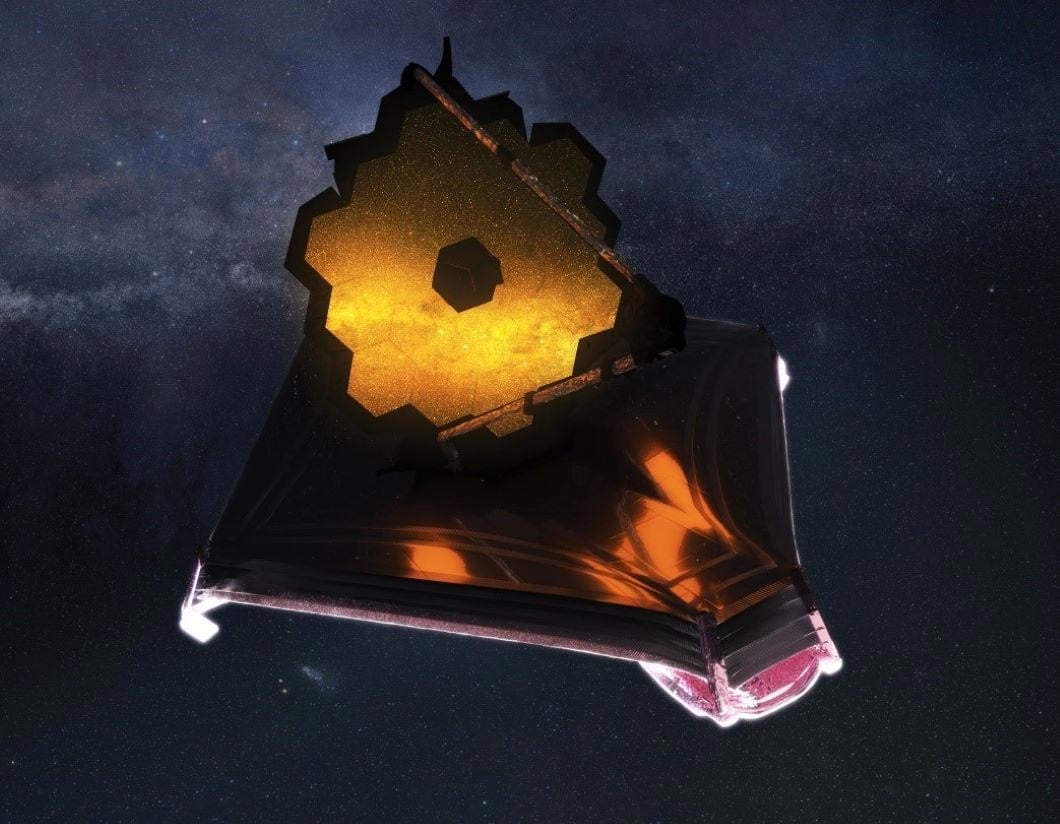
    James Webb Space Telescope in Space Artist's Conception
    This artist’s conception shows the fully unfolded James Webb Space Telescope in space. Credit: Adriana Manrique Gutierrez, NASA Animator

    The James Webb Space Telescope is taking exoplanet studies to the next level, helping us characterize the atmospheres of Earth-sized alien worlds for the first time. By utilizing transit techniques and spectroscopy, Webb will study planetary atmospheres to search for the building blocks of life elsewhere in the universe.

    In the “Exploring Alien Worlds with NASA’s James Webb Space Telescope” series, Research Space Scientist Dr. Giada Arney from the NASA Goddard Space Flight Center introduces Webb’s scientific capabilities as they relate to the field of astrobiology and our search for life in the universe.

    In this series, we’ll touch on Webb’s exploration of the TRAPPIST-1 system (a planetary system of seven rocky exoplanets), its search for atmospheric biosignatures (scientific evidence of past or present life), and the techniques Webb will use in its quest to #UnfoldTheUniverse.

    See Part 2 in this video series.

    Video Transcript:

    Dr. Giada Arney: NASA missions like Kepler, and also Tess, the Transiting Exoplanet Survey Satellite have really revolutionized our understanding of exoplanet demographics.

    They’ve told us some basic, but also really important planetary properties like: planets sizes, how far away these planets are from their stars, how common planets of different types are.

    But we want to take the next step now and know more about these planets, just as distant point sources, but as actual places, comparable to the worlds of our Solar System.

    So James Webb is going to help us to take that next step by actually characterizing the atmospheres of exoplanets.

    It’s going to be able to measure the composition of these atmospheres, and we’ve already been able to do this a little bit for the largest Jupiter-sized, “puffy” exoplanets with large atmospheres.

    But we haven’t been able to do this for small planets about the size of Earth and with thin atmospheres.

    So we really need a powerful and capable mission like James Webb to be able to make those really sensitive measurements to tell us what Earth-size exoplanets are truly like.

    Never miss a breakthrough: Join the SciTechDaily newsletter.
    Follow us on Google and Google News.

    Astrobiology Astronomy Exoplanet James Webb Space Telescope NASA Popular
    Share. Facebook Twitter Pinterest LinkedIn Email Reddit

    Related Articles

    Webb Space Telescope To Provide Details of Two Intriguing “Super-Earths” in the Milky Way

    Exploring Alien Worlds With NASA’s Webb Space Telescope: Searching for Biosignatures

    Exploring Alien Worlds With NASA’s Webb Space Telescope: TRAPPIST-1 System

    Webb Space Telescope Provides New Tools To Search for the Building Blocks of Life on Distant Planets

    Webb Space Telescope: Uncovering Hidden Parts of Our Solar System

    Is Earth an Oddball? One of the Strangest Things in the Cosmos Might Be – Us

    NASA’s Webb Space Telescope Primed To Reveal Secrets of Galaxy’s Most Mysterious Planets

    NASA’s Pandora Mission Would Help Probe Alien Worlds

    NASA Planet-Hunter Data Reveals That 50% of Sun-Like Stars Could Host Potentially Habitable Planets

    1 Comment

    1. Alexander Smith on April 30, 2025 8:36 pm

      I don’t see why we can’t just go to Exoplanet 421b and just see if there’s anything on it I would be the first to do this and I would take the test to do this if I could 100%.

      Reply
    Leave A Reply Cancel Reply

    • Facebook
    • Twitter
    • Pinterest
    • YouTube

    Don't Miss a Discovery

    Subscribe for the Latest in Science & Tech!

    Trending News

    Massive Study Warns Marijuana Use in Teens Is Linked to Serious Mental Illness

    Scientists Discover a Completely Unexpected Way T Cells Kill Cancer

    Scientists Just Found the Solar System’s Original “Planet Factory”

    Study Warns Widely Used Food Preservatives Linked to High Blood Pressure and Heart Disease

    New Treatment Could Reverse Osteoarthritis Within Weeks

    Physicists Have Measured “Negative Time” in Bizarre Quantum Experiment

    The Deadly Tapeworm Spreading Across America Has Reached the Pacific Northwest

    Could Low Vitamin D Be Making Your Pain Worse?

    Follow SciTechDaily
    • Facebook
    • Twitter
    • YouTube
    • Pinterest
    • Newsletter
    • RSS
    SciTech News
    • Biology News
    • Chemistry News
    • Earth News
    • Health News
    • Physics News
    • Science News
    • Space News
    • Technology News
    Recent Posts
    • Scientists Discover Mysterious Creature Living in the Great Salt Lake – and It Exists Nowhere Else on Earth
    • It’s Alive? Surprising Discovery Changes What We Know About Fog
    • Simple Family Routines May Be the Secret to a Smoother Start at School
    • Brain Study Overturns Long-Held Beliefs About How Humans Learn Speech
    • Ancient Goose Fossil Challenges Long-Held Theories About New Zealand Birds
    Copyright © 1998 - 2026 SciTechDaily. All Rights Reserved.
    • Science News
    • About
    • Contact
    • Editorial Board
    • Privacy Policy
    • Terms of Use

    Type above and press Enter to search. Press Esc to cancel.