

A compound produced in the body after eating pomegranates improved heart function by up to 80% in experimental models of a type of heart failure with limited treatment options.
For people with heart failure with preserved ejection fraction, the heart can still pump blood but struggles to relax and refill properly between beats. In experimental models of this difficult-to-treat condition, a naturally produced compound called urolithin A improved measures of heart function by as much as 80%.
Scientists at King’s College London found that urolithin A, which the body produces after people consume foods such as pomegranates, walnuts, and some berries, improved the heart’s ability to relax, reduced scarring, and limited harmful enlargement in experimental models.
The findings could ultimately be relevant to nearly half a million people in the UK who have heart failure with preserved ejection fraction. The condition accounts for about half of all heart failure cases and occurs when the heart retains its pumping ability but becomes too stiff to relax properly between beats, reducing how effectively it fills with blood. Symptoms can include breathlessness, fatigue, difficulty exercising, and poor quality of life.
Treatment options remain relatively limited because the condition can arise from several different factors, including aging, high blood pressure, and diabetes. Since the heart can continue pumping normally while struggling to relax and fill, conventional heart failure treatments are less effective. Clinicians instead concentrate on managing underlying conditions and recommending lifestyle changes such as weight loss and blood sugar control.
Dr. Joseph Burgoyne, senior author of the study, King’s College London, said: “This type of heart failure is becoming increasingly common as populations age and rates of obesity and diabetes rise. Despite its growing burden, treatment options remain limited because the disease is complex and varies considerably between patients.”
Urolithin A activates a relaxation pathway
Interest in urolithin A has grown because the compound has been linked to healthy aging and mitochondrial function, the process through which cells generate energy.

The researchers found for the first time that urolithin A activates a protein called PKGlα, which contributes to both blood vessel function and relaxation of heart muscle. The compound acts on a specific amino acid within the protein, triggering a pathway associated with cardiovascular benefits.
Heart function improved in experimental models
Animal models given urolithin A showed improvements of up to 80% in measures of heart function compared with untreated models. Laboratory testing also found that the compound helped heart tissue relax more effectively and reduced fibrosis, the harmful buildup of scar tissue. It also limited enlargement of heart muscle cells compared with controls, helping preserve normal cellular function.
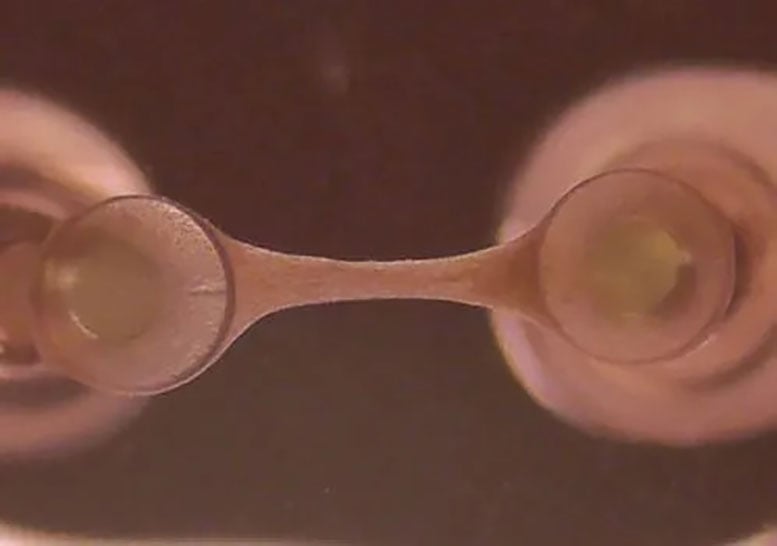
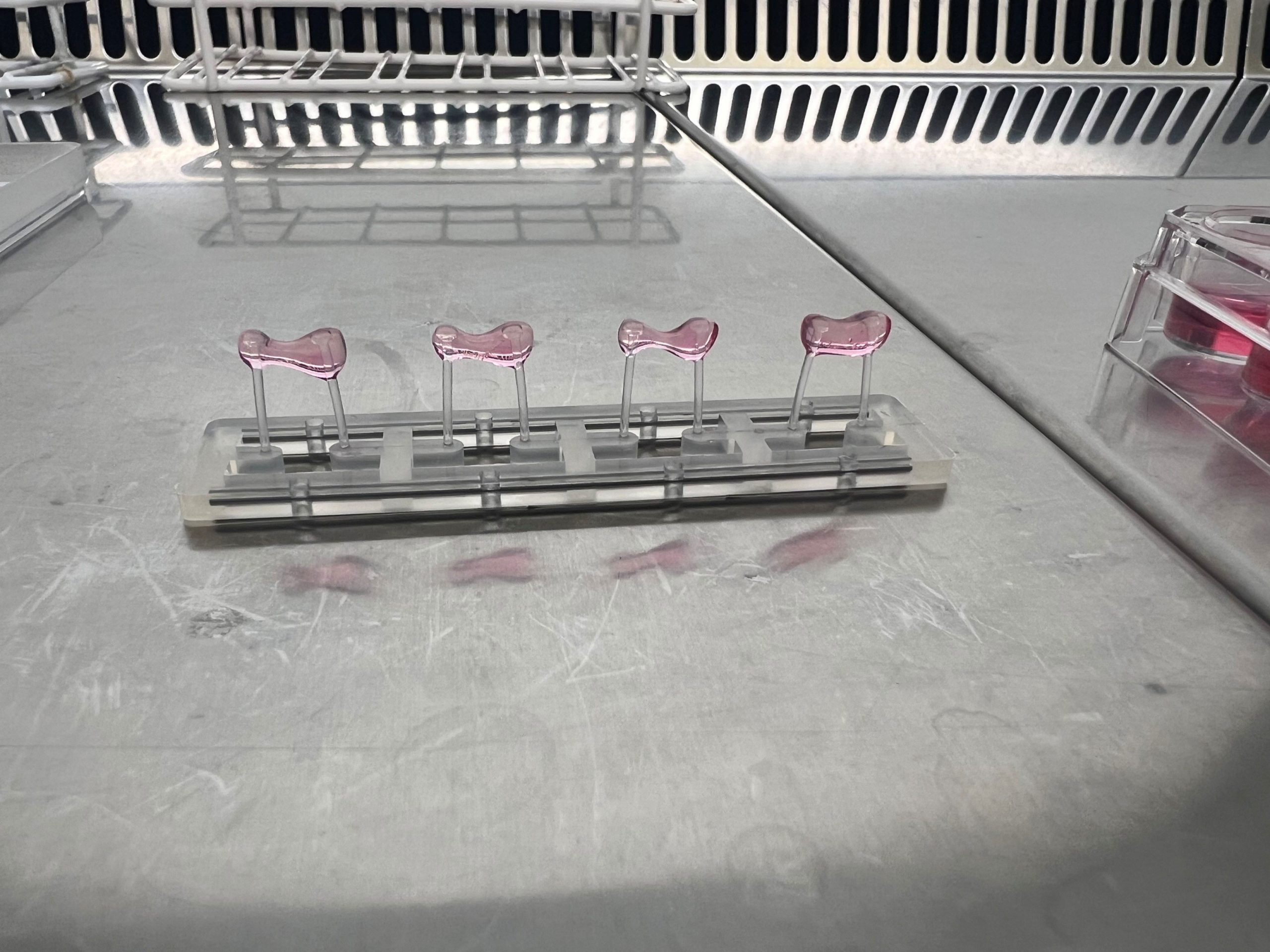
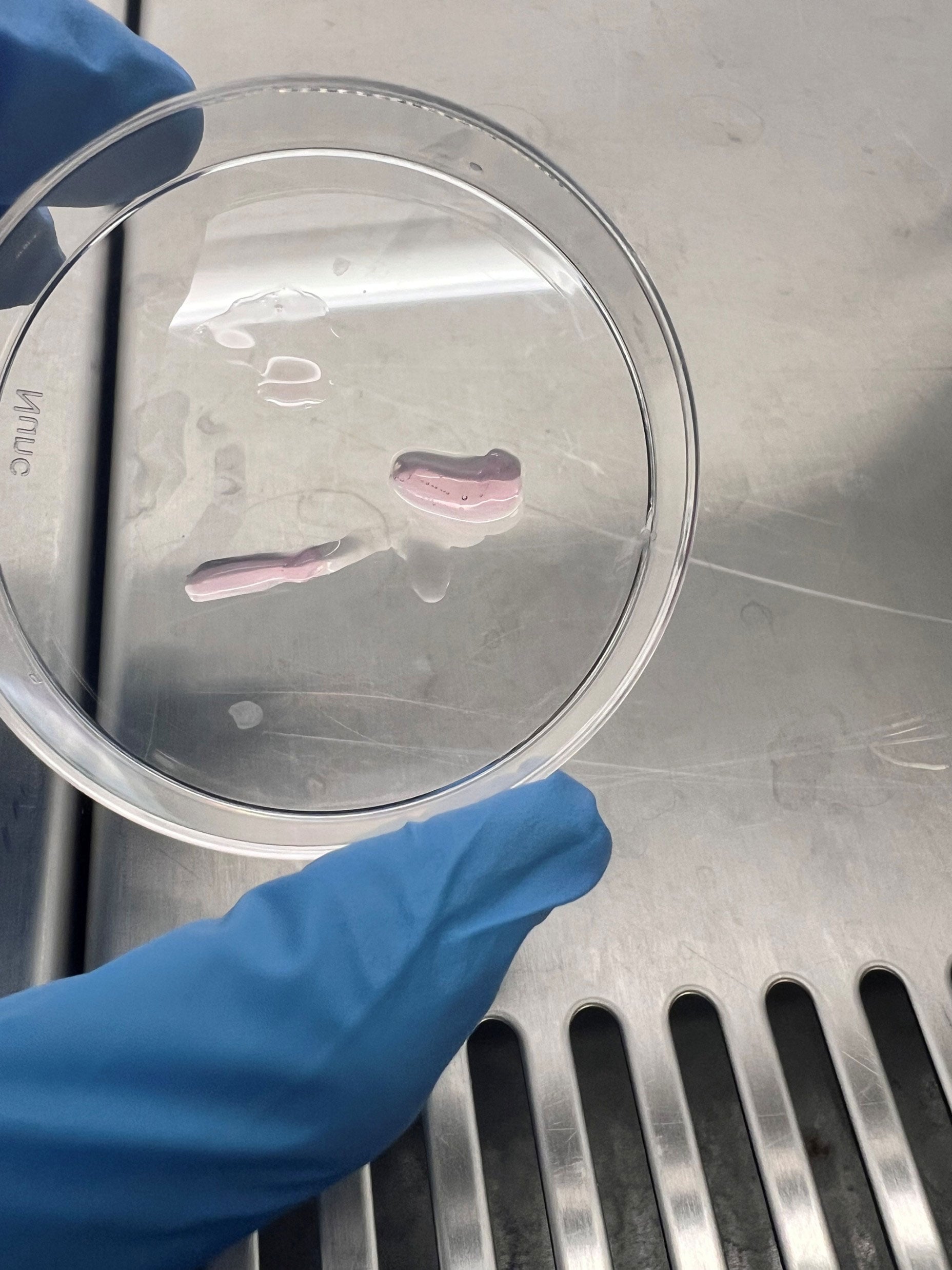
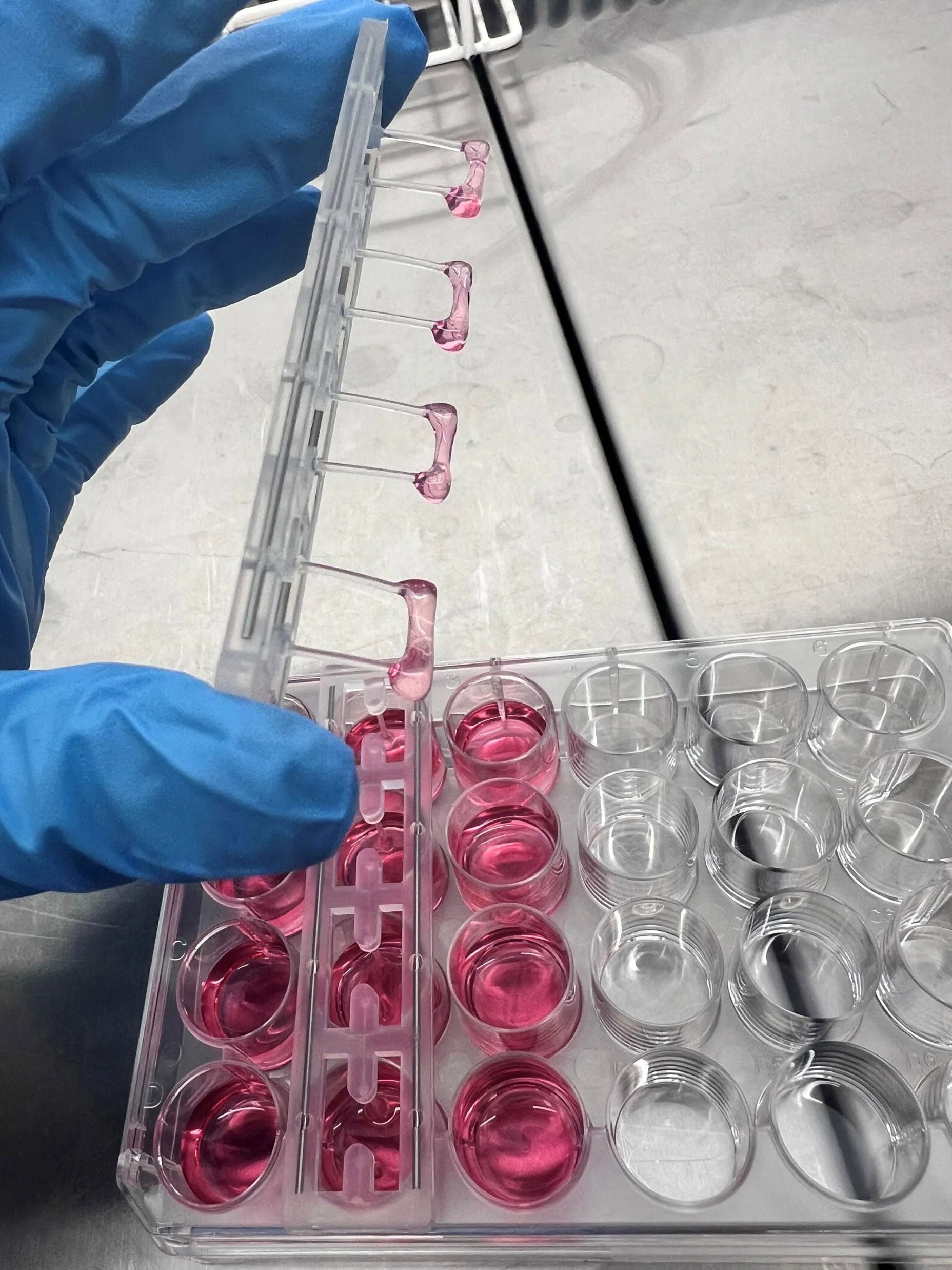
The researchers then tested urolithin A in engineered human heart tissue made from human stem cells, a laboratory model designed to closely reproduce the structure and function of human heart muscle. Treatment significantly improved relaxation in this tissue, providing additional evidence that the effects could be relevant to human heart function.
Human trials are still needed
Urolithin A has already been evaluated in human studies and has shown a favorable safety profile, unlike many compounds that remain at an earlier experimental stage.
However, more research is required before these findings can be translated into treatment for patients. The results identify both a potential therapeutic target and a naturally derived compound that researchers can investigate further for this challenging form of heart failure.
Dr. Joseph Burgoyne, senior author of the study, said: “This type of heart failure remains one of the most challenging forms of heart disease to treat. Our findings identify a completely new therapeutic target and show that urolithin A can activate this pathway to improve heart relaxation and reduce disease severity. This raises the exciting possibility of developing new treatments that improve clinical outcomes and quality of life for people living with the condition.
“While there isn’t enough evidence to suggest that people should eat pomegranates to treat heart failure, these findings raise the possibility that dietary approaches that enhance urolithin A production may help alleviate this condition.”
Dr. Joseph Burgoyne is a cardiovascular scientist at King’s College London who studies the molecular processes that regulate heart and blood vessel health. His research examines how cells respond to oxidative stress and how those responses affect blood pressure, heart function, and vascular health, with the aim of identifying new treatments for conditions including hypertension and heart failure.
Professor James Leiper, Director of Research at the British Heart Foundation, said: “Heart failure with preserved ejection fraction (HFpEF) makes up roughly half of all heart failure cases in the UK, and can be debilitating. This early-stage study in experimental models suggests that urolithin A may help to improve the heart tissue’s ability to relax and fill with blood between beats, reducing the harmful changes to the heart muscle seen in HFpEF.
“While these findings are promising, the benefits have so far been seen in animals and engineered human tissue, so clinical trials involving people are needed to test if this approach is effective for patients. In the meantime, a healthy, balanced diet remains one of the best ways to look after your heart. Eating plenty of fruit and vegetables is linked to better heart health, but it’s important to remember that no single food can prevent or treat heart disease on its own.”
Reference: “Targeting PKGIα Cys42 attenuates cardiac dysfunction in heart failure with preserved ejection fraction” by Jie Su, Yue Zhao, Pierre Coleman, Xiaoping Yang, Mark Holt, Janice Raabe, Friederike Cuello, Ajay Shah, Michael J. Shattock, Min Zhang and Joseph R. Burgoyne, 19 August 2026, Science Advances.
DOI: 10.1126/sciadv.aec8088
This study was funded by the British Heart Foundation.
Never miss a breakthrough: Join the SciTechDaily newsletter.
Follow us on Google and Google News.
1 Comment
I found eating prmergranet has improved my sinus Arithmya mainly eating with seeds.having pure promagranett juice.