
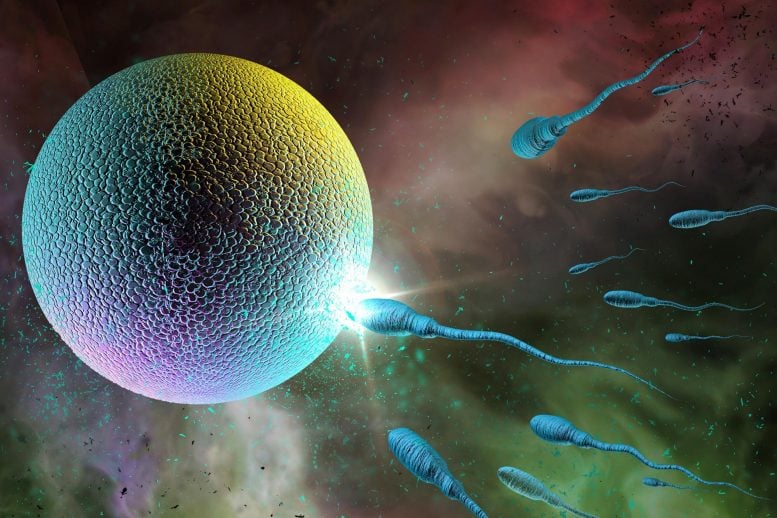
The mystery of how oocytes may become dormant without losing their ability to reproduce has been solved by researchers at the CRG.
According to research from the Center for Genomic Regulation (CRG) that was recently published in the journal Nature, immature human egg cells bypass a critical metabolic process believed to be necessary for producing energy.
The cells modify their metabolism to stop producing reactive oxygen species, dangerous molecules that can accumulate, damage DNA, and cause cell death. The research explains how human egg cells may lay dormant in ovaries for up to 50 years without losing their ability to reproduce.
Longevity Strategy: Oocytes in Dormancy
“Humans are born with all the supply of egg cells they have in life. As humans are also the longest-lived terrestrial mammal, egg cells have to maintain pristine conditions while avoiding decades of wear and tear. We show this problem is solved by skipping a fundamental metabolic reaction that is also the main source of damage to the cell. As a long-term maintenance strategy, it’s like putting batteries on standby mode. This represents a brand new paradigm never before seen in animal cells,” says Dr. Aida Rodriguez, a postdoctoral researcher at the CRG and the first author of the study.
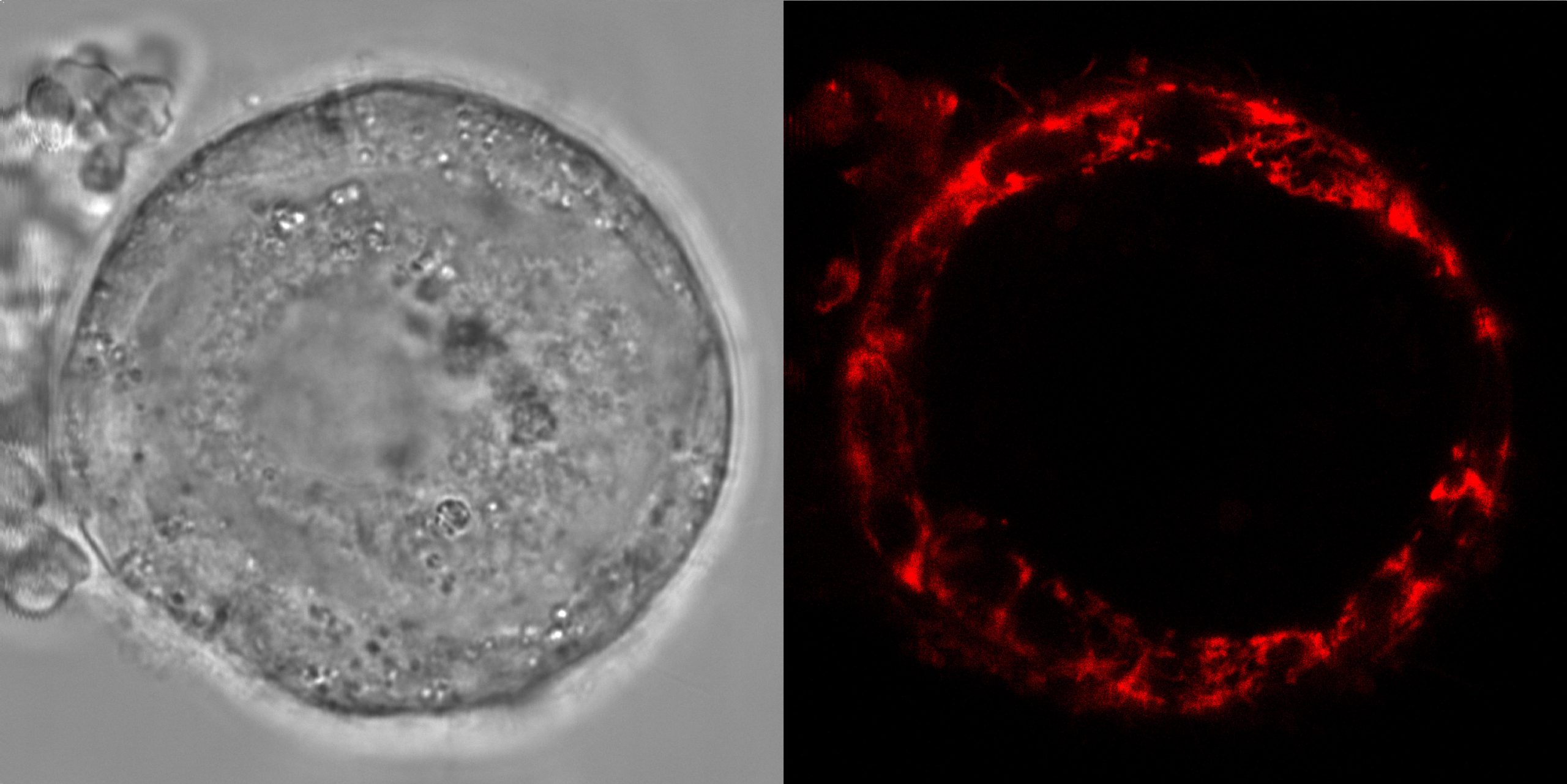
Human eggs are first formed in the ovaries during fetal development, undergoing different stages of maturation. During the early stages of this process, immature egg cells known as oocytes go into cellular arrest and stay dormant in the ovaries for up to 50 years. Oocytes, like all other eukaryotic cells, have mitochondria, or cell batteries, which they employ to produce energy for their needs during this period of dormancy.
Skipping Mitochondrial Complex I
Using a mixture of live imaging, proteomic, and biochemistry techniques, the researchers discovered that mitochondria in both human and Xenopus oocytes use alternative metabolic pathways to create energy not previously observed in other animal cell types.
A complex protein and enzyme known as complex I is the usual ‘gatekeeper’ that initiates the reactions required to generate energy in mitochondria. This protein is fundamental, working in the cells that constitute living organisms ranging from yeast to blue whales. However, the researchers found that complex I is virtually absent in oocytes. The only other type of cell known to survive with depleted complex I levels are all the cells that make up the parasitic plant mistletoe.
According to the authors of the study, the research explains why some women with mitochondrial conditions linked to complex I, such as Leber’s Hereditary Optic Neuropathy, do not experience reduced fertility compared to women with conditions affecting other mitochondrial respiratory complexes.
Potential for Cancer Treatments and Fertility Preservation
The findings could also lead to new strategies that help preserve the ovarian reserves of patients undergoing cancer treatment. “Complex I inhibitors have previously been proposed as a cancer treatment. If these inhibitors show promise in future studies, they could potentially target cancerous cells while sparing oocytes,” explains Dr. Elvan Böke, senior author of the study and Group Leader in the Cell & Developmental Biology program at the CRG.
Oocytes are vastly different from other types of cells because they have to balance longevity with function. The researchers plan to continue this line of research and uncover the energy source oocytes use during their long dormancy in the absence of complex I, with one of the aims being to understand the effect of nutrition on female fertility.
“One in four cases of female infertility is unexplained – pointing to a huge gap of knowledge in our understanding of female reproduction. Our ambition is to discover the strategies (such as the lack of complex I ) oocytes employ to stay healthy for many years in order to find out why these strategies eventually fail with advanced age” concludes Dr. Böke.
Reference: “Oocytes maintain ROS-free mitochondrial metabolism by suppressing complex I” by Aida Rodríguez-Nuevo, Ariadna Torres-Sanchez, Juan M. Duran, Cristian De Guirior, Maria Angeles Martínez-Zamora and Elvan Böke, 20 July 2022, Nature.
DOI: 10.1038/s41586-022-04979-5
The study was funded by the Ministerio de Asuntos Económicos y Transformación Digital, the H2020 European Research Council, the Centres de Recerca de Catalunya, and Generalitat de Catalunya.
Never miss a breakthrough: Join the SciTechDaily newsletter.
Follow us on Google and Google News.