
Close Menu
    Facebook X (Twitter) Instagram
    SciTechDaily
    • Biology
    • Chemistry
    • Earth
    • Health
    • Physics
    • Science
    • Space
    • Technology
    Facebook X (Twitter) Pinterest YouTube RSS
    SciTechDaily
    Home»Space»NASA Reviews Options for Next Artemis I Launch Attempt, Prepares To Replace Seal
    Space

    NASA Reviews Options for Next Artemis I Launch Attempt, Prepares To Replace Seal

    By NASASeptember 8, 2022No Comments2 Mins Read
    Facebook Twitter Pinterest Telegram LinkedIn WhatsApp Email Reddit
    Share
    Facebook Twitter LinkedIn Pinterest Telegram Email Reddit
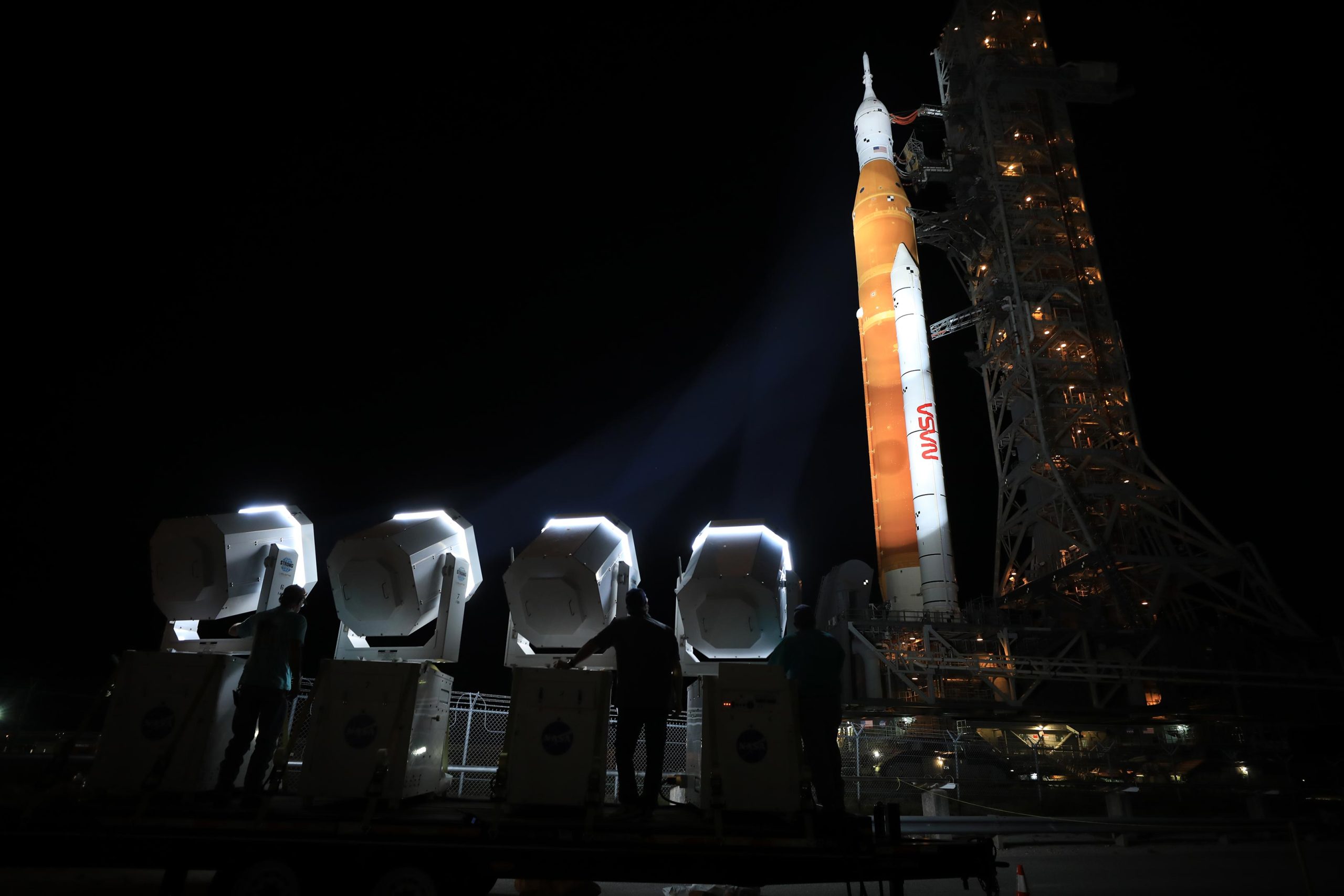
    NASA Artemis I Launch Rollout Spotlights
    NASA’s Space Launch System (SLS) rocket, with the Orion capsule atop, slowly makes its way along the crawlerway at the agency’s Kennedy Space Center in Florida on Tuesday, August 16, 2022/Wednesday, August 17, 2022. Carried atop the crawler-transporter 2, NASA’s Moon rocket is venturing the 4.2 miles from the Vehicle Assembly Building to Launch Complex 39B ahead of the first flight test of the fully stacked and integrated SLS rocket and Orion spacecraft. Credit: NASA/Ben Smegelsky

    After standing down on the NASA Artemis I launch attempt on Saturday, September 3 due to a hydrogen leak, engineering teams have decided to replace a seal while at the launch pad. The seal is on an interface, called the quick disconnect, between the liquid hydrogen fuel feed line on the mobile launcher and the Space Launch System (SLS) rocket.
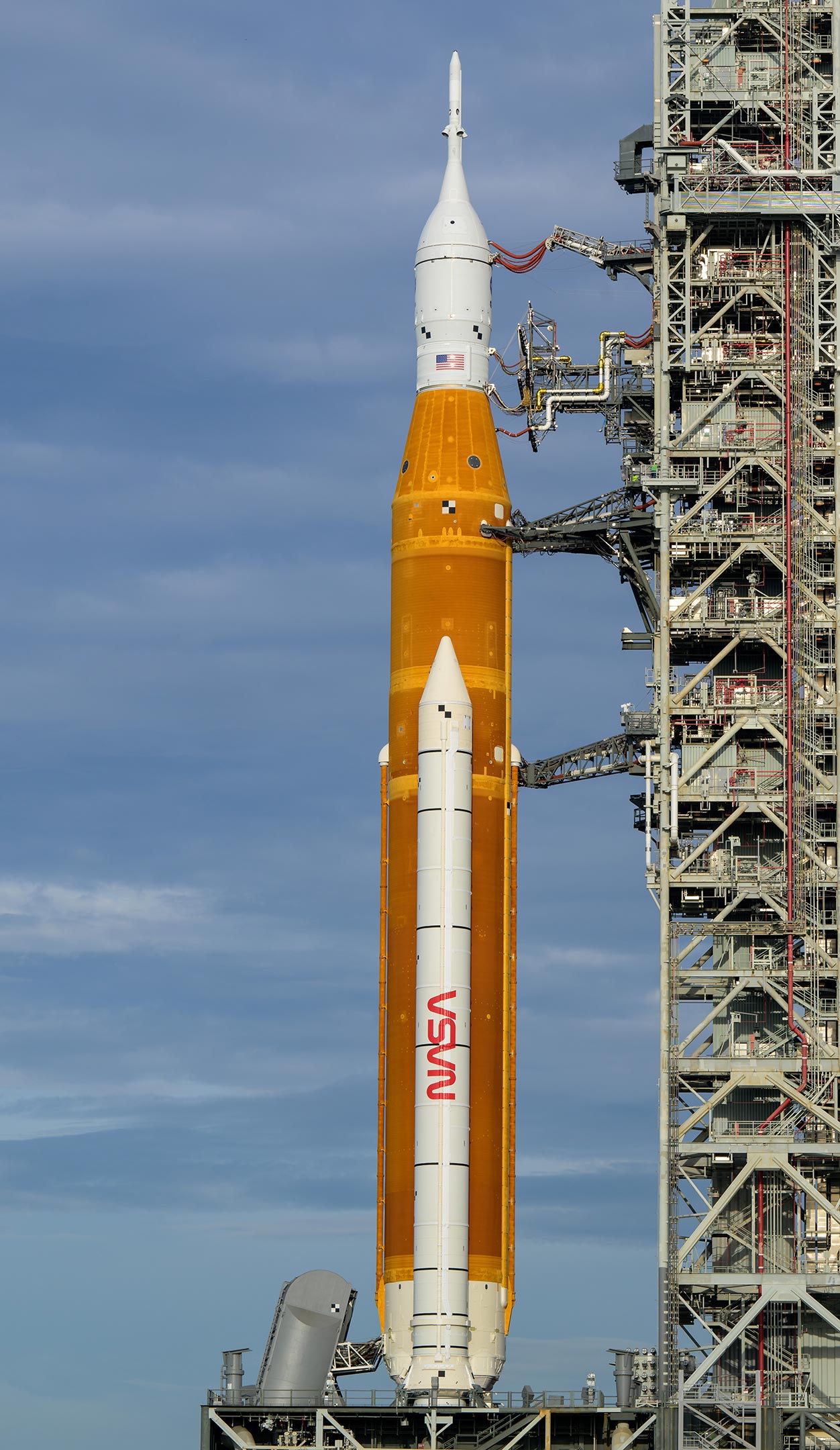
    NASA SLS Rocket Atop Mobile Launcher
    NASA’s Space Launch System (SLS) rocket with the Orion spacecraft aboard is seen atop a mobile launcher at Launch Pad 39B during preparations for launch, Friday, Sept. 2, 2022, at NASA’s Kennedy Space Center in Florida. Credit: NASA/Bill Ingalls

    Performing the work at the launch pad requires technicians to set up an enclosure around the work area to protect the hardware from the weather and other environmental conditions. However, it enables engineers to test the repair under cryogenic, or supercold, conditions. Another advantage to performing the work at the pad is that it allows teams to gather as much data as possible to understand the cause of the issue. Engineering teams may return the rocket to the Vehicle Assembly Building (VAB) to perform additional work that does not require the use of the cryogenic facilities that are available only at the pad.

    NASA would need to roll the rocket and spacecraft back to the VAB before the next launch attempt to reset the system’s batteries in order to meet the current requirement by the Eastern Range for the certification on the flight termination system.

    In addition, teams will also check plate coverings on other umbilical interfaces to ensure there are no leaks present at those locations. There are seven main umbilical lines, and each line may have multiple connection points.

    Never miss a breakthrough: Join the SciTechDaily newsletter.
    Follow us on Google and Google News.

    ARTEMIS Mission NASA Rocket Space Launch System
    Share. Facebook Twitter Pinterest LinkedIn Email Reddit

    Related Articles

    NASA’s Artemis II Is on the Launch Pad and the Moon Is Next

    NASA Fires Up RS-25 at 111% Power for Artemis Moon Launches

    NASA Artemis I Space Launch System (SLS) Rocket and Orion Spacecraft Integrated Testing Update

    NASA Awards Artemis Contract for Future SLS Mega Moon Rocket Boosters

    NASA to Roll Out Artemis Mega Moon Rocket for First Time

    NASA’s Powerful SLS Rocket Fully Stacked for Artemis I Moon Mission – Liftoff for Deep Space in February 2022

    One Step Closer: Orion Spacecraft Stacked on Top SLS Rocket for NASA’s Artemis I Mission

    Final Piece of Rocket Hardware Added to Artemis I Stack

    NASA Readies for Future Artemis Moon Missions With SLS Rocket Engine Test Series

    Leave A Reply Cancel Reply

    • Facebook
    • Twitter
    • Pinterest
    • YouTube

    Don't Miss a Discovery

    Subscribe for the Latest in Science & Tech!

    Trending News

    Don’t Miss: A Brilliant Venus and Glowing Harvest Moon Light Up the Sky

    New Twist on the Einstein Problem Reveals Unexpected Physics

    JWST Captures Stunning Evidence of How Supermassive Black Holes Feed

    Early Exercise May Permanently Change How Much Energy the Body Uses To Move

    New Molecule Wipes Out Aggressive Lymphoma Tumors in Mice in Just 11 Days

    The Human Family Tree May Need a Major Rewrite

    Scientists Find a Surprising Cancer-Fighting Effect in Dark Sweet Cherries

    New AI Detects Hidden Warning Signs of Solar Eruptions Hours Before They Emerge

    Follow SciTechDaily
    • Facebook
    • Twitter
    • YouTube
    • Pinterest
    • Newsletter
    • RSS
    SciTech News
    • Biology News
    • Chemistry News
    • Earth News
    • Health News
    • Physics News
    • Science News
    • Space News
    • Technology News
    Recent Posts
    • Scientists Develop a Fruit Wash That Removes Pesticide Residues and Keeps Produce Fresh Longer
    • Scientists May Have Finally Explained Why Astronauts Get Constipated in Space
    • Pomegranates Could Unlock a New Treatment for Heart Failure
    • Africa’s Giant Herbivores Were Disappearing Millions of Years Before Humans Could Hunt Them
    • This Utah Mountain Is Hiding Enough Ice To Fill 600 Olympic Pools
    Copyright © 1998 - 2026 SciTechDaily. All Rights Reserved.
    • Science News
    • About
    • Contact
    • Editorial Board
    • Privacy Policy
    • Terms of Use

    Type above and press Enter to search. Press Esc to cancel.