
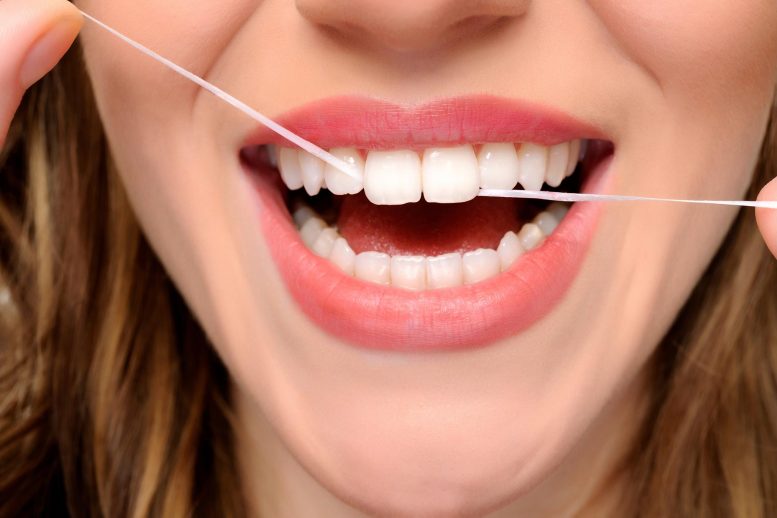
Flossing your teeth is one thing you can do to protect your oral health. It’s one of those tasks people are supposed to do but often don’t. But why is it important? Flossing removes food particles and plaque from between the teeth and below the gum line where a toothbrush can’t reach. Eradicating the stuff your toothbrush can’t reach can save you expensive dental bills later.
Flossing may help prevent cavities, periodontal disease, and even gingivitis — all of which can lead to other health issues down the road if you let them fester. Flossing is an important part of your oral health routine, but have you ever wondered how often you should floss and if you can floss too much?
How Many Times Should You Floss Daily?
Flossing once per day is the recommendation of most dentists and the American Dental Association. Dental health professionals say you should brush twice per day to remove plaque and food debris that can cause dental caries and gum disease. As stated, the added benefit of flossing is that it removes the plaque and trapped food particles between your teeth that your toothbrush can’t.
But what if you’re a bit compulsive and want to floss several times per day? Is there harm in doing so? If you’re using the correct flossing technique, there’s little risk of flossing more than once per day. However, there’s also little added benefit to flossing more often and potential downsides. If you don’t know how to floss correctly, more frequent flossing can irritate your gums and cause discomfort. So, if you floss every time you brush, do it correctly.
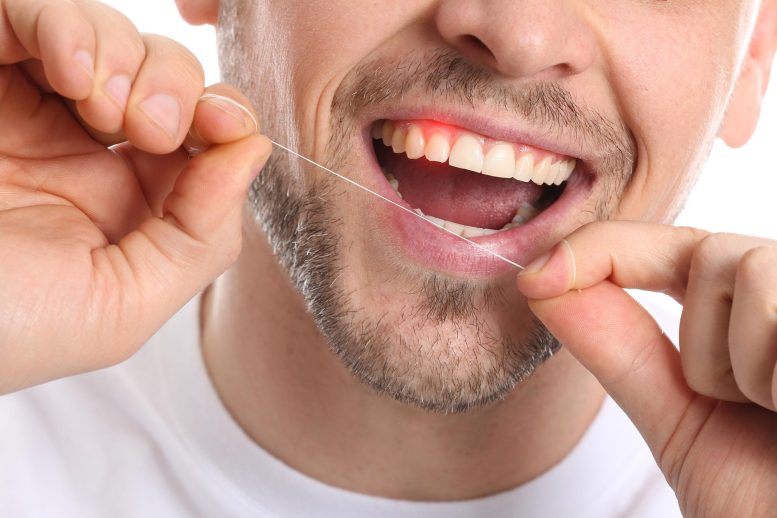
Here’s How to Floss Correctly:
- Use waxed or unwaxed floss — either will work fine. Choose the one that feels most comfortable for you. If you have braces, waxed floss is best since it’s less likely to get caught on the wires.
- Wrap a piece of floss around each middle finger or use a floss holder if you have trouble holding the floss.
- Grasp both ends of the floss between your thumbs and forefingers. Gently work the floss into a “C” shape with your fingers, making sure you have about 5 inches of floss on either side of the tooth you’re flossing.
- Move the floss up and down between each tooth, sliding it underneath the gum line as you move from tooth to tooth. Use a gentle back-and-forth motion for about 15 seconds per tooth, or longer if needed.
- Be careful not to snap or tug on your gums.
- If you feel pain or discomfort when flossing your teeth, stop immediately.
Should You Floss Before or After Brushing?
There’s no set rule on whether to floss before or after brushing. However, one study found that flossing before brushing has advantages. Flossing loosens plaques and food particles from between teeth, so the toothbrush can whisk them away. But if you prefer to floss after brushing, it’s not a bad thing and won’t hurt your teeth or gums.
Conclusion
Flossing is another step to protect your oral health. It’s easy to forget about it when you’re in a hurry, but it’s something you should do daily. Even if you floss regularly, see your dentist and dental hygienist at least every six months for a professional cleaning and check-up. It can save you time and money later. Although a minority of experts say there’s insufficient evidence to support the benefits of flossing, a lack of evidence doesn’t mean it’s not beneficial. So, don’t skip this important step!
References:
- “The effect of toothbrushing and flossing sequence on interdental plaque reduction and fluoride retention: A randomized controlled clinical trial” by Fatemeh Mazhari, Marzie Boskabady, Amir Moeintaghavi and Atieh Habibi, 9 May 2018, Journal of Periodontology.
DOI: 10.1002/JPER.17-0149 - “Waxed Or Unwaxed Dental Floss? | Colgate®.” 8 March 2022, colgate.com/en-us/oral-health/brushing-and-flossing/waxed-or-unwaxed-dental-floss.
- “Tossing flossing? – Harvard Health.” 17 August 2016, health.harvard.edu/blog/tossing-flossing-2016081710196.
Never miss a breakthrough: Join the SciTechDaily newsletter.
Follow us on Google and Google News.
2 Comments
pick someone with normal teeth for the next article’s photos.
Teeth floss is a very healthy habit to maintain clean teeth..