
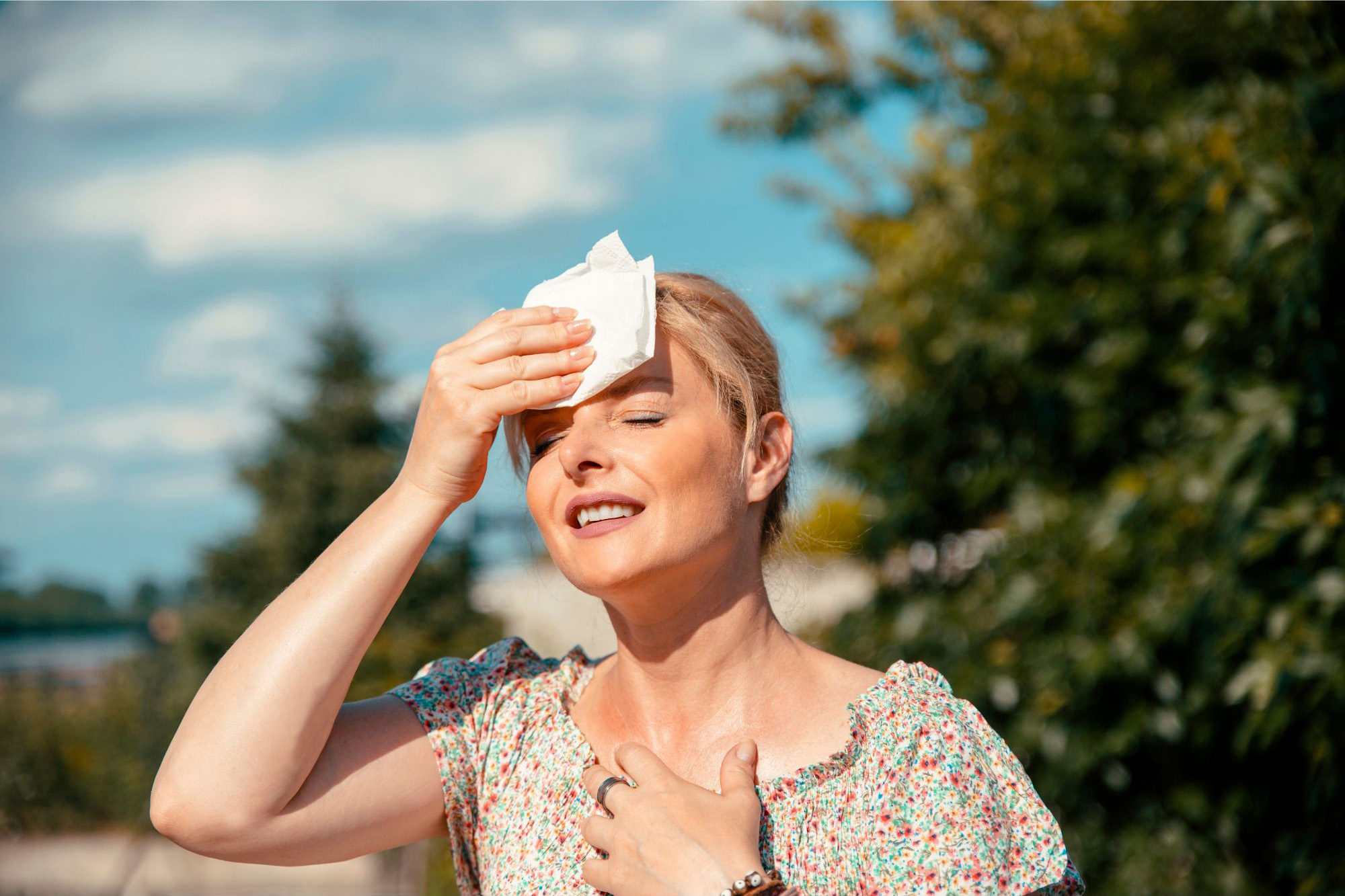
However, older adults should avoid using fans in extremely hot and dry conditions.
New collaborative research by the University of Sydney and the Montreal Heart Institute reveals that using a fan in hot, humid weather can reduce cardiac strain in older adults, challenging the current recommendations of the U.S. Centers for Disease Control and Prevention (CDC).
The study, funded by the National Health and Medical Research Council (NHMRC) and published in the New England Journal of Medicine, looked at the efficacy of different low-cost cooling strategies – such as electric fans with and without spraying water on the skin – for older adults, who are known to be at a heightened health risk during hot summer weather.
Professor Ollie Jay, Director of the Heat and Health Research Centre and Thermal Ergonomics Laboratory in the Faculty of Medicine and Health said: “Health hazards from extreme heat are becoming increasingly common because of climate change. Older adults, especially those with heart disease, are at greater risk due to the strain that hot temperatures put on the heart. Understanding the impacts of different cooling strategies on the heart is important to help vulnerable people stay well during hot summer weather.”
Testing Cooling Strategies in Hot and Humid vs. Hot and Dry Conditions
The study exposed older participants with and without heart disease to two environments – one hot and humid (38°C and 60 percent humidity) and the other very hot and dry (45°C and 15 percent humidity); conditions chosen to represent the two most common heatwave extremes globally.
The team found that in hot and humid conditions, fan use with and without skin wetting reduced heat-induced cardiac strain in older people.
However, in the very hot and dry conditions, fan use had an adverse effect by tripling the increase in cardiac strain which could be fatal for someone with heart disease. This is because, although fans help sweat evaporate, in very hot and dry conditions the effect is small and counteracted by convection forcing more heat into the body. Instead, in these conditions, skin wetting used on its own was effective at reducing the work of the heart.
Low-Cost Cooling Alternatives for At-Risk Populations
Co-author of the study Dr Daniel Gagnon from the Montreal Heart Institute said: “While air conditioning is an effective way of staying cool, it’s not available to everyone, especially those most vulnerable to the heat such as the elderly and people with heart disease – so it’s positive news that low-cost alternatives are effective.
“Importantly, the study has shown that the weather conditions affect the type of cooling strategy that should be used – a vital piece of information that will help older people to stay safe in heatwaves.”
Dr Georgia Chaseling, who led data collection in Montreal during her time as a post-doctoral researcher, and now co-leads the “Ageing and Chronic Diseases” priority research theme in the Heat and Health Research Centre at the University of Sydney adds: “The interventions that we tested seem simple, but they are necessarily so because we wanted to figure out which solutions people living in low-resource settings without access to air-conditioning should and should not be using.”
Reference: “Simple Strategies to Reduce Cardiac Strain in Older Adults in Extreme Heat” by Georgia K. Chaseling, Nicole T. Vargas, Lily Hospers, Hadiatou Barry, Amy Harwood, Connor Graham, Audrey-Ann Bartlett, Amélie Debray, Grant Lynch, Anthony Capon, Craig G. Crandall, Maria Fiatarone Singh, Yorgi Mavros, Peng Bi, Anil Nigam, Malorie Chabot-Blanchet, Daniel Gagnon and Ollie Jay, 6 November 2024, New England Journal of Medicine.
DOI: 10.1056/NEJMc2407812
Never miss a breakthrough: Join the SciTechDaily newsletter.
Follow us on Google and Google News.