
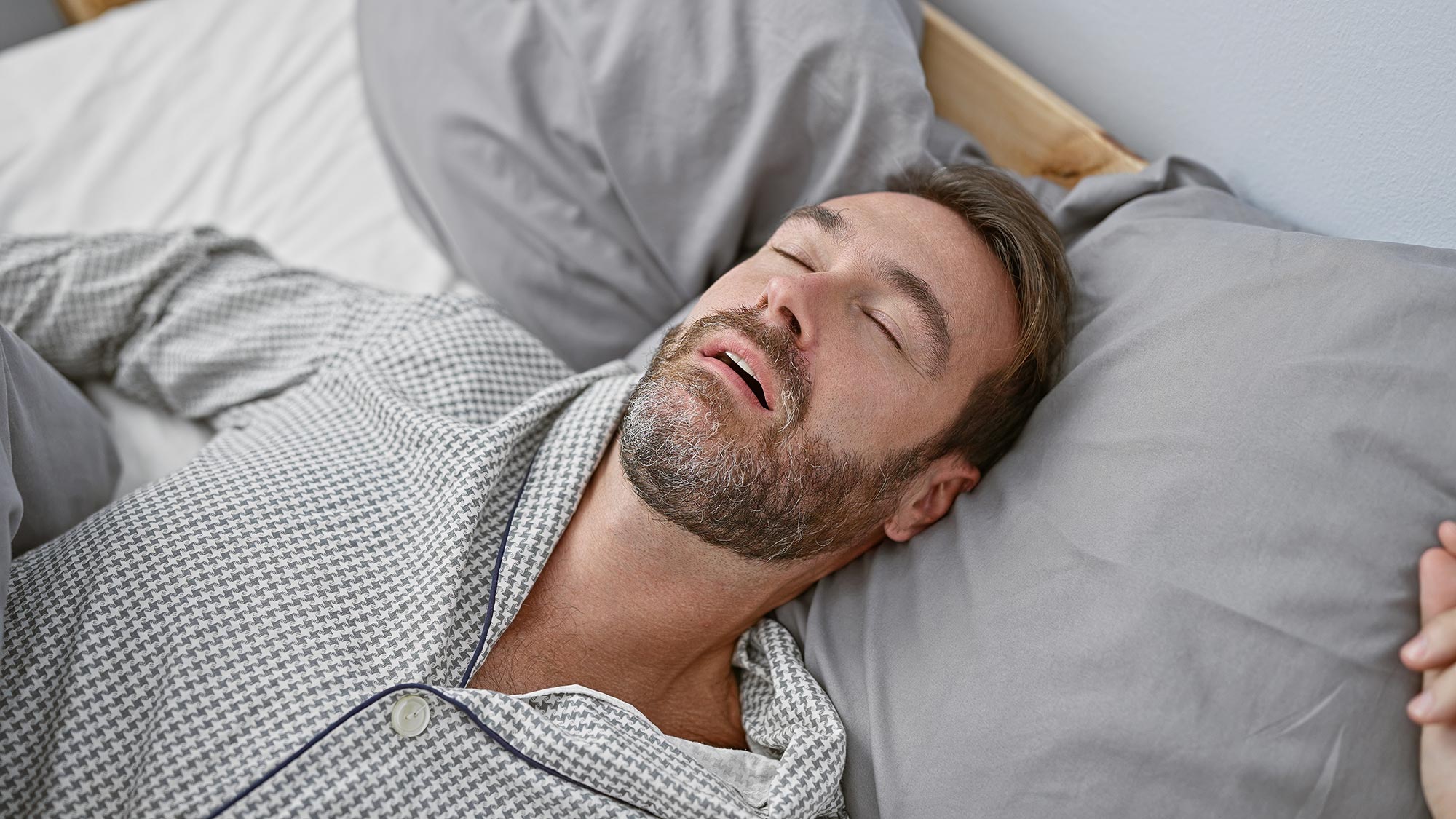
Conch shell blowing eased sleep apnea symptoms and improved sleep quality. The practice may provide a simple alternative to machines or medication.
A small randomized controlled trial published in ERJ Open Research found that individuals who practiced blowing through a conch shell for six months experienced improvements in their obstructive sleep apnea (OSA) symptoms.
OSA is a widespread sleep disorder in which breathing repeatedly stops during the night because of airway obstruction. It is linked to loud snoring, poor-quality sleep, and excessive tiredness during the day, and it raises the risk of high blood pressure, cardiovascular disease, and stroke.
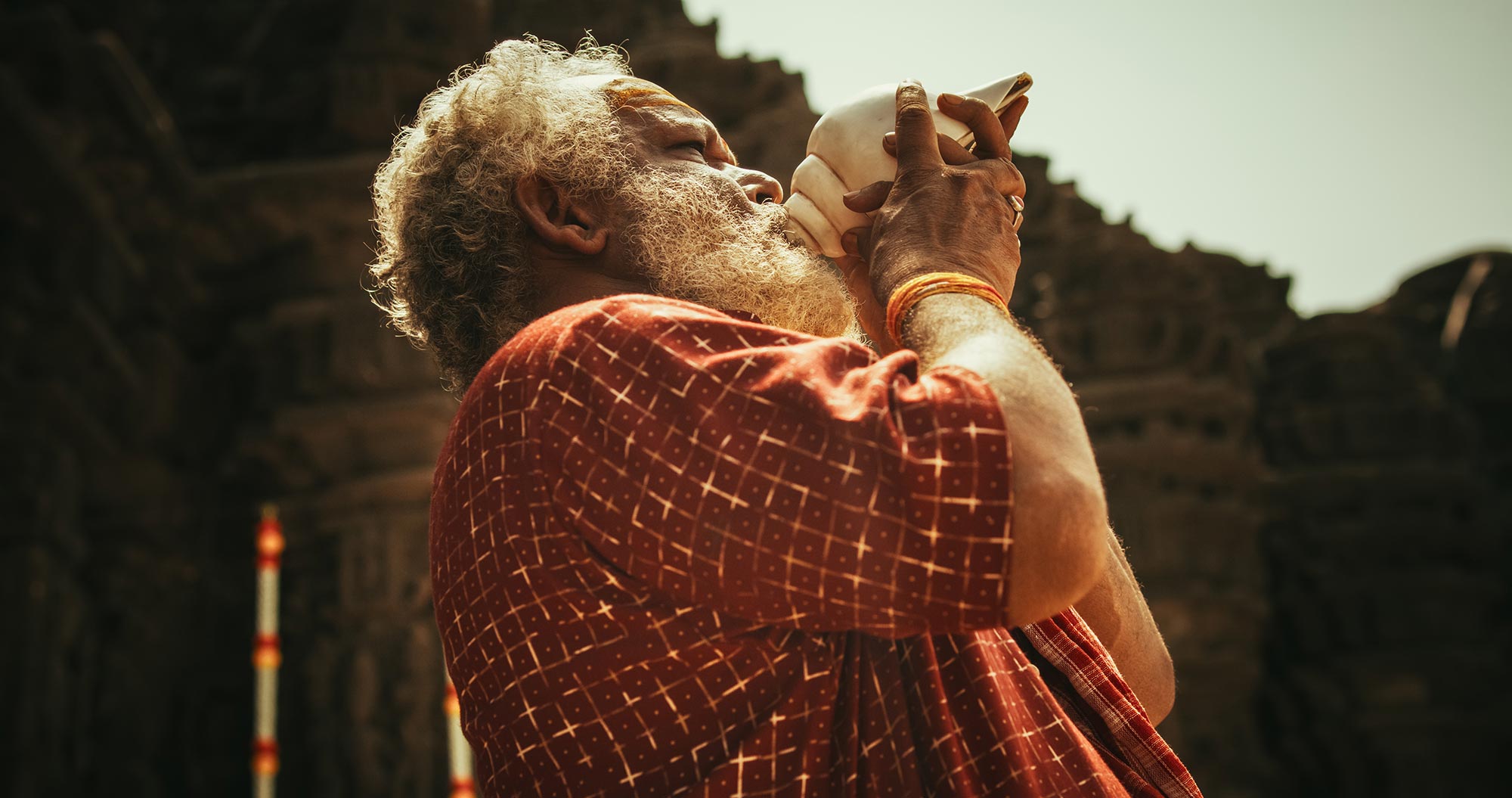
Conch shell blowing, also known as shankh blowing, has been a traditional practice in India for thousands of years. The study revealed that people with moderate OSA who engaged in shankh blowing reported better sleep, greater alertness during the day, and fewer nighttime breathing disruptions. According to the researchers, this practice may represent a simple, affordable approach to easing symptoms without relying on medication or medical devices.
Comparing with CPAP treatment
The research was led by Dr. Krishna K Sharma at the Eternal Heart Care Centre and Research Institute in Jaipur, India. He explained: “The standard treatment for OSA is a continuous positive airway pressure machine, or CPAP, which prevents airway collapse by delivering air through a facemask during sleep. Although highly effective, many patients find it uncomfortable and have difficulty using it consistently.
“In my clinical practice, several patients reported feeling more refreshed and noticing fewer symptoms after regularly engaging in shankh blowing – a traditional yogic breathing technique that involves exhaling into a conch shell. These reports prompted us to conduct a scientific study to carefully evaluate whether this ancient practice could provide a useful treatment option for people with OSA.”
The trial enrolled 30 individuals with moderate OSA, aged 19 to 65, who were evaluated at the Eternal Heart Care Centre and Research Institute between May 2022 and January 2024. Participants underwent polysomnography, a test that records sleep activity throughout the night, and completed assessments about their sleep quality and daytime sleepiness.
Treatment groups and training
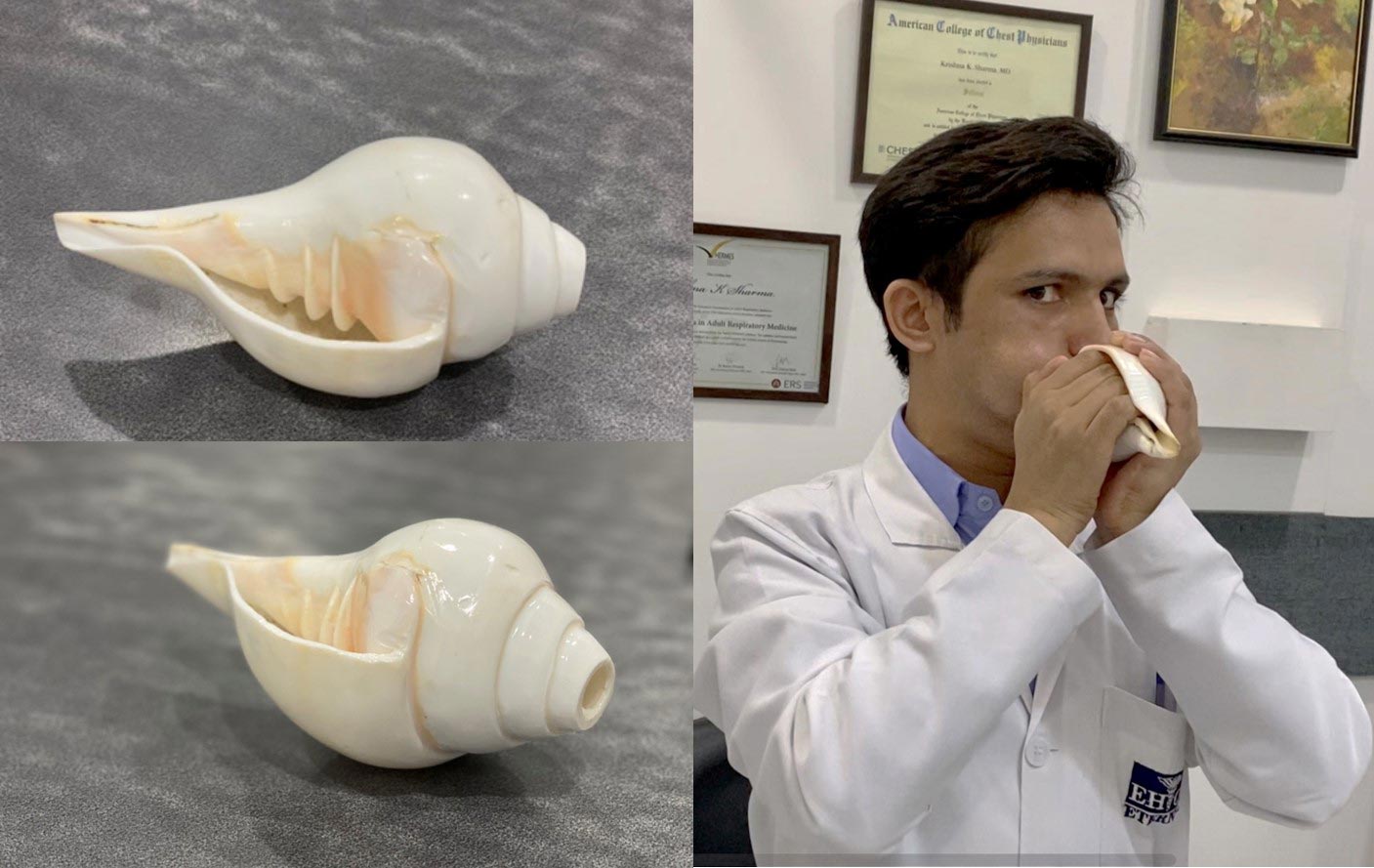
Participants were randomly assigned to one of two groups: 16 individuals were trained to practice blowing through a conch shell, while 14 were instructed in a deep breathing exercise. Eacpolysomnographyh person received a traditional shankh commonly used in yogic practices and was taught the technique in person at the clinic by a member of the study team before beginning at-home sessions. They were asked to practice for at least 15 minutes a day, five days a week. After six months of consistent practice, all participants were reassessed.
The results showed clear differences between the two groups. Those who practiced shankh blowing reported feeling 34% less sleepy during the day, experienced better overall sleep, and had four to five fewer nightly apnea episodes (pauses in breathing during sleep) on average compared with the deep breathing group. They also maintained higher nighttime blood oxygen levels.
How shankh blowing may work
Dr Sharma said: “The way the shankh is blown is quite distinctive. It involves a deep inhalation followed by a forceful, sustained exhalation through tightly pursed lips. This action creates strong vibrations and airflow resistance, which likely strengthens the muscles of the upper airway, including the throat and soft palate – areas that often collapse during sleep in people with OSA. The shankh’s unique spiraling structure may also contribute to specific acoustic and mechanical effects that further stimulate and tone these muscles.
“For people living with OSA, especially those who find CPAP uncomfortable, unaffordable, or inaccessible, our findings offer a promising alternative. Shankh blowing is a simple, low-cost breathing technique that could help improve sleep and reduce symptoms without the need for machines or medication.
“This is a small study, but we are now planning a larger trial involving several hospitals. This next phase will allow us to validate and expand on our findings in a broader, more diverse population and assess how shankh blowing performs over longer periods. We also want to study how this practice affects airway muscle tone, oxygen levels, and sleep in greater detail. We’re particularly interested in comparing shankh blowing with standard treatments like CPAP, and in examining its potential help in more severe forms of OSA.”
Professor Sophia Schiza, Head of the ERS group on sleep disordered breathing, based at the University of Crete, Greece, who was not involved in the research said: “Obstructive sleep apnea is a common disease around the world. We know that OSA patients have poor quality of sleep, and higher risks of high blood pressure, strokes, and heart disease. A proportion of patients experience sleepiness during the day. While CPAP and other treatments are available based on careful diagnosis of disease severity, there is still a need for new treatments.
“This is an intriguing study that shows the ancient practice of shankh blowing could potentially offer an OSA treatment for selected patients by targeting muscle training. A larger study will help provide more evidence for this intervention, which could be of benefit as a treatment option or in combination with other treatments in selected OSA patients.”
Reference: “Efficacy of blowing shankh on moderate sleep apnea: a randomised control trial” by Krishna K. Sharma, Rajeev Gupta, Titiksha Choyal, Krishna Kumar Sharma, Dinesh Sharma and Tapesh Sharma, 10 August 2025, ERJ Open Research.
DOI: 10.1183/23120541.00258-2025
Never miss a breakthrough: Join the SciTechDaily newsletter.
Follow us on Google and Google News.