
Close Menu
    Facebook X (Twitter) Instagram
    SciTechDaily
    • Biology
    • Chemistry
    • Earth
    • Health
    • Physics
    • Science
    • Space
    • Technology
    Facebook X (Twitter) Pinterest YouTube RSS
    SciTechDaily
    Home»Health»New Sleep Apnea Drug Shows Promising Results in Human Trials
    Health

    New Sleep Apnea Drug Shows Promising Results in Human Trials

    By Flinders UniversityJanuary 18, 20231 Comment3 Mins Read
    Facebook Twitter Pinterest Telegram LinkedIn WhatsApp Email Reddit
    Share
    Facebook Twitter LinkedIn Pinterest Telegram Email Reddit
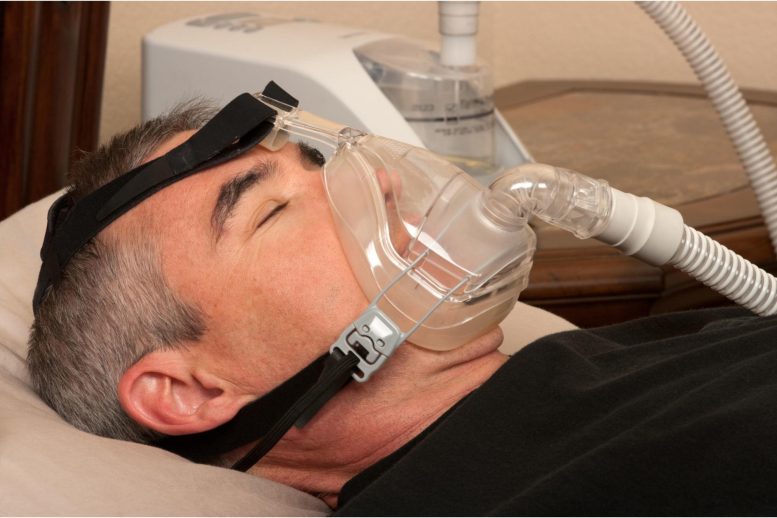
    Sleep Apnea CPAP Treatment
    Sleep apnea is a serious sleep disorder that occurs when a person’s breathing is repeatedly interrupted during sleep. The most common type of sleep apnea is called obstructive sleep apnea (OSA), which occurs when the muscles in the back of the throat fail to keep the airway open, despite the effort to breathe. Treatment options currently include lifestyle changes, continuous positive airway pressure (CPAP) therapy, and surgery.

    Promising Results in Obstructive Sleep Apnea  Drug Trial

    A new medication for obstructive sleep apnea (OSA) has shown promising results in its first human trial, conducted by researchers from Flinders University.

    The drug aims to prevent the upper airways from narrowing or collapsing during sleep, a major cause of OSA. It could serve as an alternative option for individuals with OSA who cannot tolerate continuous positive airway pressure (CPAP) therapy, as only about half of OSA sufferers are able to use it.

    “While further rigorous clinical evaluation and testing is required, this is a great first step and should offer some hope to the many people worldwide who suffer from sleep apnoea,” says study senior author Professor Danny Eckeart, Director of Flinders’ sleep lab FHMRI: Sleep Health.

    “OSA is one of the most common sleep-related breathing disorders, with an estimated one billion sufferers, and when untreated is associated with major health and safety consequences. While CPAP machines are effective, tolerance remains a major issue for many and other treatments such as dental splints and upper airway surgery don’t always work. This is why we need new treatment options for OSA.

    The Growing Potential for OSA Medications

    “At the moment, there are no approved drug treatments for OSA. However, with advances in our understanding of the different reasons people get OSA, the potential for effective new medications is growing stronger each year.”

    Published in the journal Chest, the study tested the drug on 12 people with OSA using either nasal drops, a nasal spray, or via a direct application using an endoscope, versus a placebo.

    Monitoring for sleep and airway activity across several sessions, the team found consistent and sustained improvements in the patient’s airways staying open throughout sleep, compared to the placebo treatment, regardless of the delivery method used.

    “Although a small study, our findings represent the first detailed investigation of this new treatment in people with OSA, with promising results,” says study lead author Dr. Amal Osman from FHMRI: Sleep Health.

    “The drug we tested is designed to target specific receptors that are expressed on the surface of the upper airways, triggering them more easily to activate the surrounding muscles to keep the airway open during sleep. While there’s still a long way to go in terms of clinical testing and development, our study shows targeting these receptors may be a promising avenue for future treatments.”

    Reference: “Topical Potassium Channel Blockage Improves Pharyngeal Collapsibility” by Amal M. Osman, Sutapa Mukherjee, Thomas J. Altree, Martina Delbeck, Doris Gehring, Michael Hahn, Tina Lang, Charles Xing, Thomas Muller, Gerrit Weimann and Danny J. Eckert, 24 November 2022, Chest.
    DOI: 10.1016/j.chest.2022.11.024

    The study was sponsored by Bayer, the manufacturer of the drug tested. Professor Eckert is funded by a National Health and Medical Research Council of Australia Leadership Fellowship.

    Potential conflict of interest: DJE reports grants from Bayer, Apnimed, Invicta Medical, Takeda, serves as an advisor for Bayer, Invicta Medical, Mosanna, and Apnimed. TJA serves on a scientific advisory board for Jazz Pharmaceuticals. MD, DG, MH, TL, CX, TM, and GW are employees (including stock options) of the study sponsor. AMO and SM do not have any potential conflicts to declare.

    Never miss a breakthrough: Join the SciTechDaily newsletter.
    Follow us on Google and Google News.

    Flinders University Sleep Apnea Sleep Science
    Share. Facebook Twitter Pinterest LinkedIn Email Reddit

    Related Articles

    Snore No More: Unlocking Sleep Apnea Relief With Innovative Nasal Spray

    Warning: Sleep Apnea, Lack of Deep Sleep May Be Wrecking Your Brain

    Breathing Uneasy: Sleep Apnea Linked With Increased Long COVID Risks

    Obstructive Sleep Apnea Tied to Weaker Bones and Teeth in Adults

    Johns Hopkins Researchers Have Identified a Potential New Treatment Target for Sleep Apnea

    Inconsistent Sleep Habits Can Increase Your Risk of Hypertension by 29%

    A Dream Come True: Relief for People With Obstructive Sleep Apnea Who Struggle With CPAP Masks

    Improve Sleep Apnea by Losing Fat in an Unexpected Body Part — The Tongue

    Warning for Children With Sleep Apnea: Treatment Solely Based on Sleep Studies Is Unreliable

    1 Comment

    1. Mary on July 9, 2023 7:34 pm

      to minimize leaks and pressure, a VCom device can help

      Reply
    Leave A Reply Cancel Reply

    • Facebook
    • Twitter
    • Pinterest
    • YouTube

    Don't Miss a Discovery

    Subscribe for the Latest in Science & Tech!

    Trending News

    These Toads Are Surviving a Deadly Fungus – Scientists May Finally Know Why

    These Brain Cells May Explain Why We Eventually Have To Sleep

    Tomatoes Contain an Invisible Ingredient With Surprising Effects on Liver Health

    World’s First Heat-Powered Cooling System Turns Waste Heat Into Cold

    Antarctica Gained a Record 695 Billion Tons of Ice in Just Two Years

    Don’t Miss: A Brilliant Venus and Glowing Harvest Moon Light Up the Sky

    New Twist on the Einstein Problem Reveals Unexpected Physics

    JWST Captures Stunning Evidence of How Supermassive Black Holes Feed

    Follow SciTechDaily
    • Facebook
    • Twitter
    • YouTube
    • Pinterest
    • Newsletter
    • RSS
    SciTech News
    • Biology News
    • Chemistry News
    • Earth News
    • Health News
    • Physics News
    • Science News
    • Space News
    • Technology News
    Recent Posts
    • Scientists Discover a Hidden Defect That Could Explain Why IBD Keeps Coming Back
    • Millions Take Blood Pressure Drugs, but Many May Be Missing Their Heart-Protective Benefits
    • Could Alien Life Be Conscious in Ways We Can’t Imagine?
    • Scientists Develop a Fruit Wash That Removes Pesticide Residues and Keeps Produce Fresh Longer
    • Scientists May Have Finally Explained Why Astronauts Get Constipated in Space
    Copyright © 1998 - 2026 SciTechDaily. All Rights Reserved.
    • Science News
    • About
    • Contact
    • Editorial Board
    • Privacy Policy
    • Terms of Use

    Type above and press Enter to search. Press Esc to cancel.