
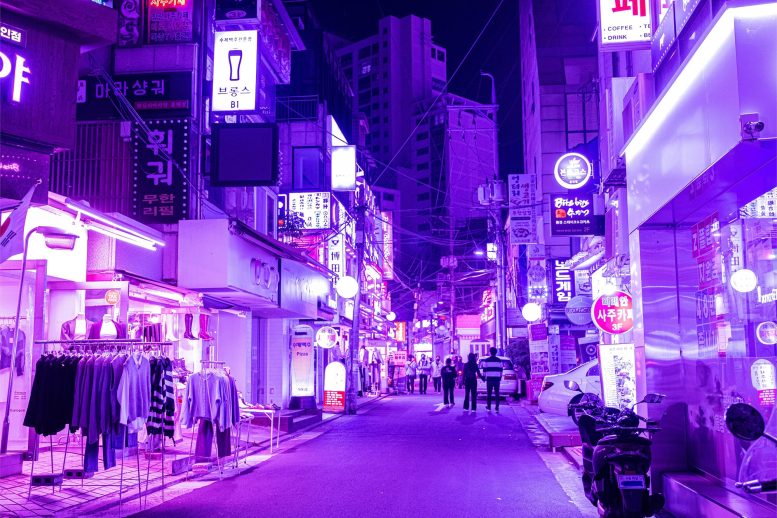
Outdoor LAN exposure is linked to a 28% higher diabetes prevalence, affecting glucose control and insulin resistance.
A recent study published in Diabetologia has found a link between exposure to outdoor artificial light at night (LAN) and an increased risk of diabetes, as well as impaired blood glucose control. The research, conducted by Dr. Yu Xu and colleagues at the Shanghai Institute of Endocrine and Metabolic Diseases, estimates that over 9 million cases of diabetes in Chinese adults can be attributed to LAN exposure.
The study highlights the widespread nature of LAN exposure as a risk factor, as the intensity of urban light pollution has increased to the point that it affects not only those living in large cities but also those in suburban and rural areas that may be far from the light source. The authors note: “Despite over 80% of the world’s population being exposed to light pollution at night, this problem has gained limited attention from scientists until recent years.”
Circadian Disruption and Metabolic Health
Earth’s 24-hour day-night cycle has resulted in most organisms, including mammals, having an inbuilt circadian (roughly 24-hour) timing system that is adapted to the natural sequence of light and dark periods. Light pollution has been found to alter the circadian rhythm of insects, birds, and other animals, resulting in premature death and loss of biodiversity.
Artificial LAN has also been implicated as a potential cause of metabolic dysregulation by altering the timing of food intake. Rats exposed to artificial LAN developed glucose intolerance, exhibiting elevated blood sugar and insulin. Another study found that mice exposed to nocturnal dim white light of minimal brightness for 4 weeks had increased body mass and reduced glucose tolerance compared to animals whose environment was completely dark at night, despite having roughly equivalent energy consumption and expenditure.
Associations have also been found between artificial LAN and health problems in humans. A study of night-shift workers found that those exposed to brighter LAN were more likely to have disrupted circadian rhythms, as well as a greater risk of coronary heart disease. Other research found that higher LAN exposure was associated with a 13% and 22% increase in the likelihood of being overweight and obese, respectively, while exposure to LAN in the bedroom was reported to be positively associated with the development of diabetes in elderly people.
The potential impact of outdoor artificial LAN was revealed by a study in South India which used satellite images to map light pollution and compared this with data on general health markers among adults across the region. With increasing LAN intensity, there were corresponding rises in average body mass index (BMI), systolic blood pressure, and ‘bad’ (LDL) cholesterol levels in the exposed population.
Diabetes is a critical public health problem in China, and the onset and progression of the disease are largely governed by behavioral and environmental risk factors. The nation’s rapid urbanization and economic growth have resulted in a dramatic increase in urban lighting, and the number of people exposed to it. Those living in cities are prone to be shifted away from a natural 24-hour day-night cycle, to one of round-the-clock working and leisure time, often staying out late and being exposed to artificial LAN.
Large-Scale Analysis of LAN in China
The study used data from the China Noncommunicable Disease Surveillance Study; a representative sample of the general population in China taken in 2010 across 162 sites across the country. A total of 98,658 adults participated, undergoing interviews to collect demographic, medical, household income, lifestyle, education, and family history information. The mean age of participants was 42.7 years and approximately half were women.
The body weight and height of participants were measured to calculate BMI, and blood samples were taken to obtain levels of both fasting and postprandial (after meal) serum glucose, as well as glycated hemoglobin (HbA1c). This is a form of glucose bound to hemoglobin in red blood cells which acts as a moving average of blood sugar over the previous 8 to 12 weeks.
Participants at each study site were assigned an average artificial outdoor LAN exposure level for that location using night-time low-light image data of the Earth’s surface from the US Defense Meteorological Satellite Program (DMSP). Exposure levels were ordered from lowest to highest and grouped into five quintiles (groups of 20% from highest to lowest), with the median light intensity in the highest quintile being 69 times greater than in the lowest.
The intensity of outdoor LAN varied substantially across China, with most areas being exposed to low-intensity light, while higher intensities converged on the Eastern coastal cities. Participants living in areas in the higher quintiles of outdoor LAN were more likely to be older, have a higher BMI and household income, and live in an urban area. In contrast, those in the lower quintile areas reported higher levels of physical activity but fewer years of education.
Impact of LAN on Diabetes Prevalence
The study found that the highest quintile of LAN exposure was associated with a relative increase of 28% in the prevalence of diabetes than in the lowest quintile areas. Chronic exposure to residential outdoor LAN was positively associated with blood glucose levels, insulin resistance, and diabetes prevalence, and inversely associated with beta cell function, even after adjusting for many important diabetes risk factors. On average, for every 42 people living in regions in the highest quintile of LAN exposure, there is one more case of diabetes that would not have occurred if those individuals had been living in areas in the lowest quintile. While the association between LAN exposure and diabetes might not be as strong as with better-known risk factors, the ubiquity of outdoor artificial light means that the scale of population exposure is vast.
The researchers estimated that more than 9 million cases of diabetes in Chinese adults aged ≥18 years could be attributed to outdoor LAN exposure; a figure expected to increase with accelerating urbanization and the growing number of people migrating from China’s countryside to its cities. The global nature and scale of this problem are illustrated by the fact that an estimated 83% of the world’s population and more than 99% of those in the US and Europe live under light-polluted skies.
These findings contribute to a growing body of evidence suggesting that LAN is detrimental to health and demonstrate that it may be a potential novel risk factor for diabetes. The authors conclude that “further studies involving the direct measurement of individual exposure to LAN are needed to confirm whether its relationship with diabetes is a causal one.”
Reference: “Outdoor light at night in relation to glucose homoeostasis and diabetes in Chinese adults: a national and cross-sectional study of 98,658 participants from 162 study sites” by Ruizhi Zheng, Zhuojun Xin, Mian Li, Tiange Wang, Min Xu, Jieli Lu, Meng Dai, Di Zhang, Yuhong Chen, Shuangyuan Wang, Hong Lin, Weiqing Wang, Guang Ning, Yufang Bi, Zhiyun Zhao and Yu Xu, 14 November 2022, Diabetologia.
DOI: 10.1007/s00125-022-05819-x
Never miss a breakthrough: Join the SciTechDaily newsletter.
Follow us on Google and Google News.