
Close Menu
    Facebook X (Twitter) Instagram
    SciTechDaily
    • Biology
    • Chemistry
    • Earth
    • Health
    • Physics
    • Science
    • Space
    • Technology
    Facebook X (Twitter) Pinterest YouTube RSS
    SciTechDaily
    Home»Biology»Scientists Supercharge Vinegar To Kill Deadly Superbugs
    Biology

    Scientists Supercharge Vinegar To Kill Deadly Superbugs

    By The University of BergenOctober 4, 20251 Comment3 Mins Read
    Facebook Twitter Pinterest Telegram LinkedIn WhatsApp Email Reddit
    Share
    Facebook Twitter LinkedIn Pinterest Telegram Email Reddit
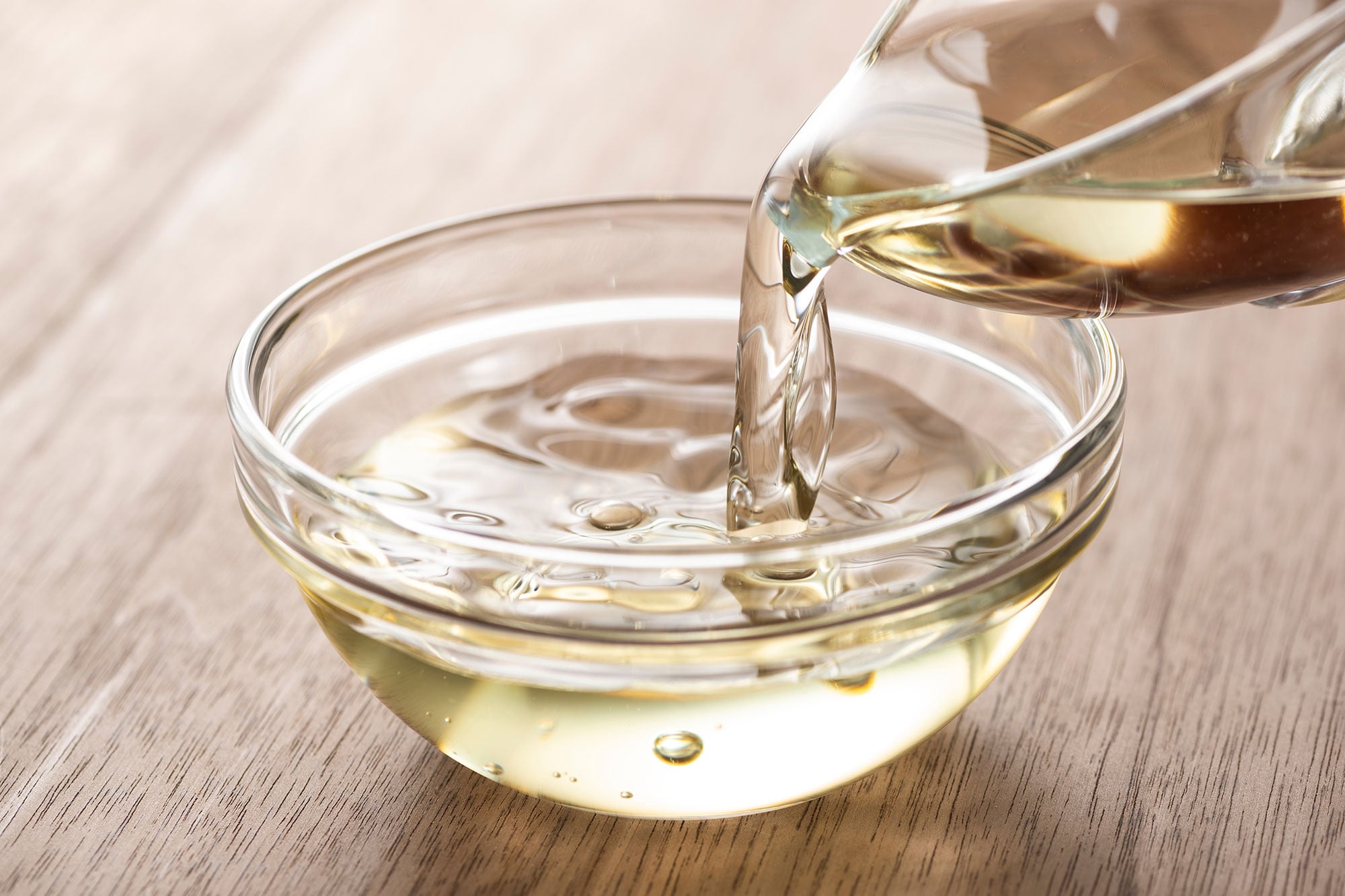
    Vinegar Bowl
    By combining vinegar with engineered nanoparticles, researchers have uncovered a powerful new method to kill stubborn bacteria. Credit: Shutterstock

    Vinegar combined with nanoparticles killed resistant bacteria. The method may aid in fighting antimicrobial resistance.

    Chronic wounds that fail to heal are often the result of bacterial infections, posing serious risks for older adults as well as individuals with diabetes, cancer, or other medical conditions.

    Vinegar, known scientifically as acetic acid, has been used as a disinfectant for centuries. However, its effectiveness is limited since it can only kill a narrow range of bacteria and is ineffective against some of the most dangerous strains.

    An international research team from the University of Bergen in Norway, QIMR Berghofer in Australia, and Flinders University in Australia has now demonstrated a way to strengthen vinegar’s antibacterial properties. By combining acetic acid with antimicrobial nanoparticles composed of carbon and cobalt, they created a treatment with significantly greater bacterial-killing power. Their findings appear in the journal ACS Nano.

    Nanoparticles and enhanced antibacterial action

    Molecular biologists Dr Adam Truskewycz and Professor Nils Halberg showed that these nanoparticles were capable of killing several harmful bacterial species, and their effectiveness increased when paired with a dilute vinegar solution.
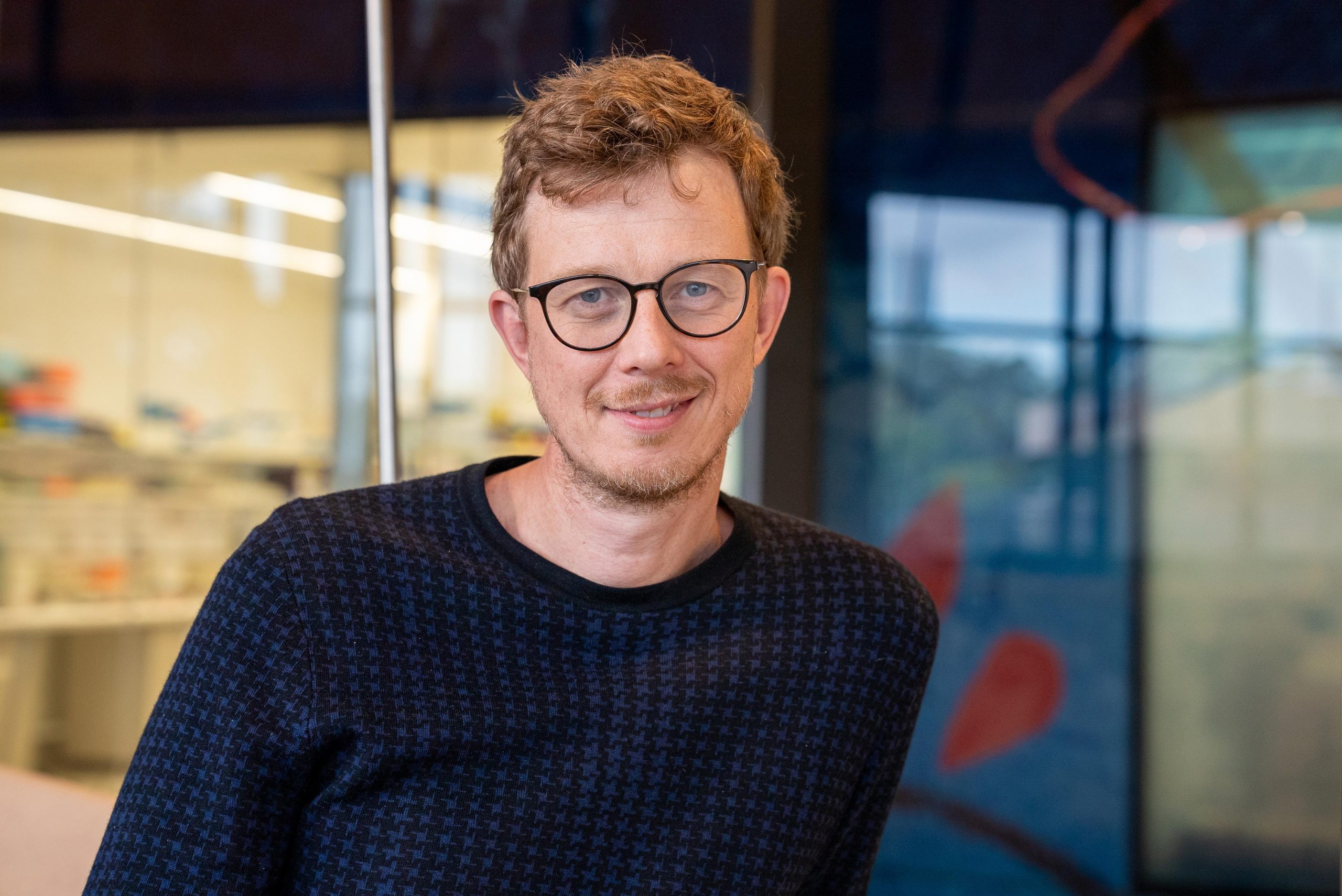
    Nils Halberg
    Professor Nils Halberg (QIMR Berghofer/University of Bergen). Credit: QIMR Berghofer

    In their experiments, the researchers mixed cobalt-based carbon quantum dot nanoparticles with weak acetic acid to produce a powerful antimicrobial agent. This formulation was tested against multiple pathogens, including the drug-resistant Staphylococcus aureus, Escherichia coli (E. coli), and Enterococcus faecalis.

    According to Dr Truskewycz, the acidic conditions created by vinegar caused bacterial cells to swell, which allowed the nanoparticles to penetrate more effectively and attack the bacteria.

    How the treatment works

    “Once exposed, the nanoparticles appear to attack dangerous bacteria from both inside the bacterial cell and also on its surface, causing them to burst. Importantly, this approach is non-toxic to human cells and was shown to remove bacterial infections from mice wounds without affecting healing,” he said.


    Vinegar and cobalt-containing nanoparticles – animation. Credit: QIMR Berghofer

    The anti-bacterial boost in vinegar found in the study could potentially be an important contribution towards the ongoing battle against the rising antimicrobial resistance levels worldwide, with an estimated 4.5 million deaths associated with a direct infectious disease.

    Implications for antimicrobial resistance

    Professor Halberg said this study showed how nanoparticles could be used to increase the effectiveness of traditional bacterial treatments.

    “Combination treatments such as the ones highlighted in this study may help to curb antimicrobial resistance. Given this issue can kill up to 5 million people each year, it’s vital we look to find new ways of killing pathogens like viruses, bacteria and fungi or parasites,” he said.

    Reference: “Cobalt-Doped Carbon Quantum Dots Work Synergistically with Weak Acetic Acid to Eliminate Antimicrobial-Resistant Bacterial Infections” by Adam Truskewycz, Benedict Choi, Line Pedersen, Jianhua Han, Melanie MacGregor and Nils Halberg, 8 September 2025, ACS Nano.
    DOI: 10.1021/acsnano.5c03108

    Never miss a breakthrough: Join the SciTechDaily newsletter.
    Follow us on Google and Google News.

    Bacteria E. Coli Microbiology Nanoparticles Pathogens Popular Wounds
    Share. Facebook Twitter Pinterest LinkedIn Email Reddit

    Related Articles

    Warning: Common Food Ingredients, Including Caffeine, Weaken Antibiotics

    Preventing $220 Billion in Damages – Scientists Discover Potential Way To Disarm a Mysterious Family of Microbial Proteins

    Permafrost Pandora’s Box: Unleashing “Time-Traveling” Pathogens From the Icy Past

    Surprising Discovery Proves That Deadly Gene Has Jumped From a Harmless Organism to a Deadly Pathogen

    Microbiologists Discover Bacteria That Feed on Metal, Ending a Century-Long Search

    E. coli’s Secret Weapon in Launching Infections Revealed

    Sugar Targets Microbe Linked to Lean and Healthy People

    New Research Shows Human Intestinal Bacteria Can Trigger Multiple Sclerosis

    Superoxide Reacts With Manganese to Aid in Environmental Cleanup

    1 Comment

    1. Connie on October 6, 2025 12:20 pm

      Can you use ACV for wound healing.

      Reply
    Leave A Reply Cancel Reply

    • Facebook
    • Twitter
    • Pinterest
    • YouTube

    Don't Miss a Discovery

    Subscribe for the Latest in Science & Tech!

    Trending News

    Giant Crocodylians Ruled South America’s Ancient Food Chain

    Breakthrough in a Bizarre Galaxy Could Help Unlock the Mystery of Dark Matter

    Just 4 Minutes of Daily Strength Training Can Quadruple Fitness in Older Adults

    Almost All Plant-Based Meat Alternatives Contain Mycotoxins, Study Finds

    Astronomers Detect a Record-Breaking “Cosmic Laser” From 8 Billion Light-Years Away

    A 47-Year-Old Scientist Tracked Himself for Months – His Biological Age Fell to 32

    Construction Crew Uncovers Giant 20-Meter Dinosaur in Brazil

    30 Years of Hurricane Data Reveal 4 Warning Signs Before Storms Strengthen

    Follow SciTechDaily
    • Facebook
    • Twitter
    • YouTube
    • Pinterest
    • Newsletter
    • RSS
    SciTech News
    • Biology News
    • Chemistry News
    • Earth News
    • Health News
    • Physics News
    • Science News
    • Space News
    • Technology News
    Recent Posts
    • A 20-Year Study Finds Preschool Can Influence Success for Years
    • 55-Million-Year-Old Penguin Fossils Preserve Clues to a Warmer Antarctica
    • A 35,000-Year-Old Neanderthal Pelvis May Explain Why Men and Women Walk Differently
    • Hidden Brain Wiring May Help Preserve Thinking As Gray Matter Shrinks
    • Dual Stem Cell Treatment Restores Vision in First Human Trial
    Copyright © 1998 - 2026 SciTechDaily. All Rights Reserved.
    • Science News
    • About
    • Contact
    • Editorial Board
    • Privacy Policy
    • Terms of Use

    Type above and press Enter to search. Press Esc to cancel.