
Close Menu
    Facebook X (Twitter) Instagram
    SciTechDaily
    • Biology
    • Chemistry
    • Earth
    • Health
    • Physics
    • Science
    • Space
    • Technology
    Facebook X (Twitter) Pinterest YouTube RSS
    SciTechDaily
    Home»Biology»Warning: Common Food Ingredients, Including Caffeine, Weaken Antibiotics
    Biology

    Warning: Common Food Ingredients, Including Caffeine, Weaken Antibiotics

    By University of TübingenSeptember 3, 2025No Comments4 Mins Read
    Facebook Twitter Pinterest Telegram LinkedIn WhatsApp Email Reddit
    Share
    Facebook Twitter LinkedIn Pinterest Telegram Email Reddit
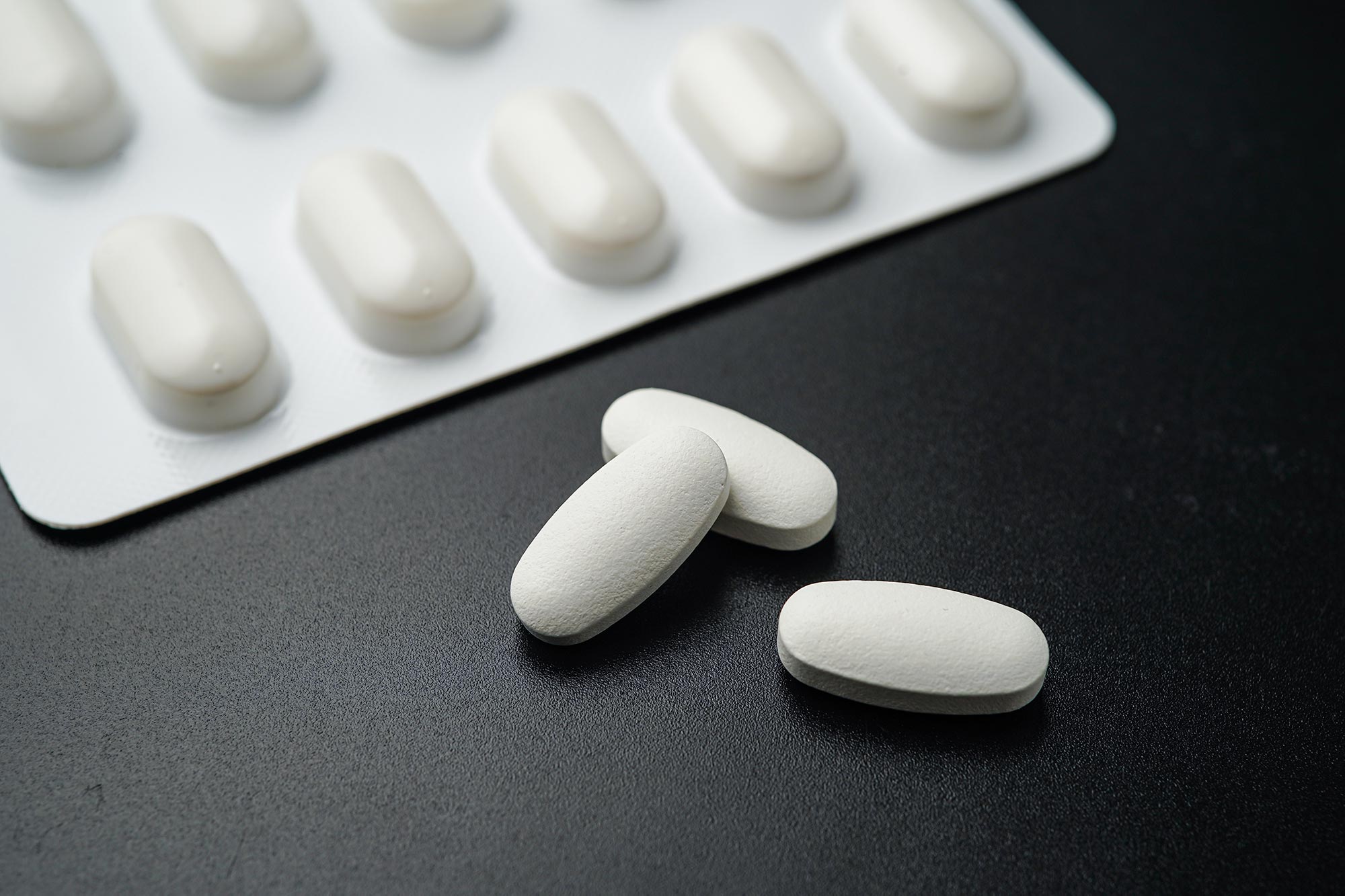
    Antibiotic Medicine Tablets Pills
    Everyday substances like caffeine may alter how bacteria respond to antibiotics, according to new research. Scientists found that common compounds can shift bacterial gene regulation and reduce drug uptake. Credit: Shutterstock

    Caffeine and other common substances can influence bacterial defenses, reducing the effectiveness of some antibiotics.

    Compounds found in our daily diets, including caffeine, can influence how bacteria respond to antibiotics. This conclusion comes from a new study led by Professor Ana Rita Brochado and her team at the Universities of Tübingen and Würzburg.

    The researchers showed that bacteria such as Escherichia coli (E. coli) use complex regulatory networks to detect chemical cues from their surroundings, and these responses can alter the effectiveness of antimicrobial drugs.

    To explore this effect, the team conducted a systematic screen of 94 substances, including antibiotics, prescription medicines, and dietary ingredients. They examined how these compounds influenced the activity of key genetic regulators and transport proteins in E. coli, a bacterium that can cause disease.
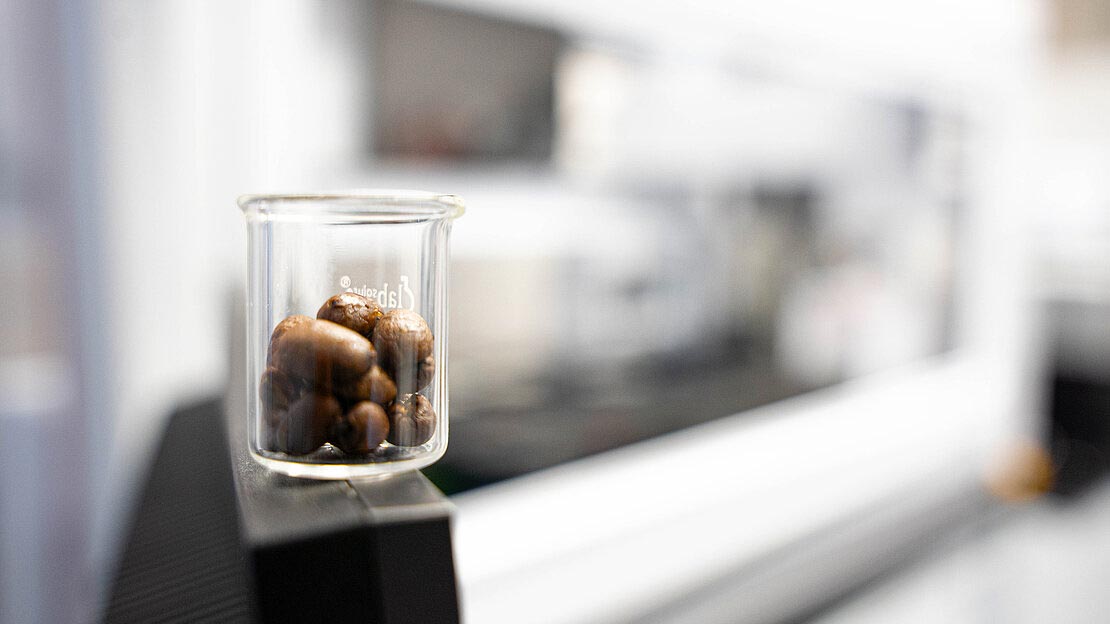
    Coffee Beans in Front of the Pipetting Robot
    Coffee beans in front of the pipetting robot, with which the team did a large screening of 94 different substances – including antibiotics, prescription drugs, and food ingredients – of the effects on the bacterium E. coli, a potential pathogen. Credit: Leon Kokkoliadis/CMFI, University of Tübingen

    Transport proteins act as channels and pumps in the bacterial membrane, controlling the flow of substances into and out of the cell. Because bacterial survival depends on maintaining a precise balance in these transport systems, changes in regulation can have major consequences.

    Antagonistic interaction with caffeine

    “Our data show that several substances can subtly but systematically influence gene regulation in bacteria,” says PhD student Christoph Binsfeld, first author of the study. The findings suggest even everyday substances without a direct antimicrobial effect – e.g. caffeinated drinks – can impact certain gene regulators that control transport proteins, thereby changing what enters and leaves the bacterium.
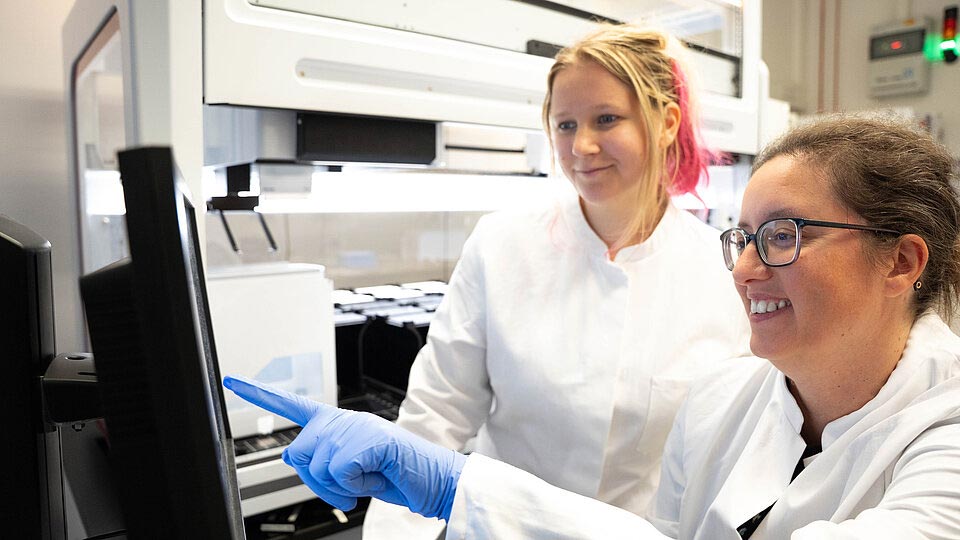
    Ana Rita Brochado and Laura Sniegula Look at Data
    Scientist Ana Rita Brochado and her lab team member Laura Sniegula look at data from the pipetting robot. With this laboratory tool the team investigated the effect of 94 different substances – including antibiotics, prescription drugs, and food ingredients – on the bacterium E. coli, a potential pathogen. Credit: Leon Kokkoliadis/CMFI, University of Tübingen

    “Caffeine triggers a cascade of events starting with the gene regulator Rob and culminating in the change of several transport proteins in E. coli – which in turn leads to a reduced uptake of antibiotics such as ciprofloxacin,” explains Ana Rita Brochado.

    This results in caffeine weakening the effect of this antibiotic. The researchers describe this phenomenon as an ‘antagonistic interaction.’

    Broader implications for antibiotic treatment

    Interestingly, this weakening effect was not observed in Salmonella enterica, a close relative of E. coli. This indicates that even related bacterial species may react differently to the same environmental cues, likely due to variations in transport pathways or their role in drug uptake. President Prof. Dr. Dr. h.c. (Dōshisha) Karla Pollmann remarks: “Such fundamental research into the effect of substances consumed on a daily basis underscores the vital role of science in understanding and resolving real-world problems.”

    The study, which has been published in the scientific journal PLOS Biology, makes an important contribution to the understanding of what is called ‘low-level’ antibiotic resistance, which is not due to classic resistance genes, but to regulation and environmental adaptation. This could have implications for future therapeutic approaches, including what is taken during treatment and in what amount, and whether another drug or food ingredient – should be given greater consideration.

    Reference: “Systematic screen uncovers regulator contributions to chemical cues in Escherichia coli” by Christoph Binsfeld, Roberto Olayo-Alarcon, Lucía Pérez Jiménez, Morgane Wartel, Mara Stadler, André Mateus, Christian Müller and Ana Rita Brochado, 22 July 2025, PLOS Biology.
    DOI: 10.1371/journal.pbio.3003260

    Never miss a breakthrough: Join the SciTechDaily newsletter.
    Follow us on Google and Google News.

    Antibiotics Bacteria E. Coli Microbiology Popular Public Health
    Share. Facebook Twitter Pinterest LinkedIn Email Reddit

    Related Articles

    Scientists Supercharge Vinegar To Kill Deadly Superbugs

    Scientists Sound the Alarm: Microplastics Are Quietly Creating Superbugs That Defy Antibiotics

    Hidden Epidemic: Drug-Resistant Bacteria Are Spreading Through Hospital Plumbing

    A Chance Discovery May Have Finally Cracked the Antibiotic Resistance Puzzle

    New Compound Discovered That Destroys the MRSA Superbug

    Surprising Discovery Proves That Deadly Gene Has Jumped From a Harmless Organism to a Deadly Pathogen

    New Research Shows Human Intestinal Bacteria Can Trigger Multiple Sclerosis

    Superoxide Reacts With Manganese to Aid in Environmental Cleanup

    Understanding Antibiotics and Their Role in Killing Bacteria

    Leave A Reply Cancel Reply

    • Facebook
    • Twitter
    • Pinterest
    • YouTube

    Don't Miss a Discovery

    Subscribe for the Latest in Science & Tech!

    Trending News

    What Causes Chronic Pain? Scientists Identify Key Culprit in the Brain

    Semaglutide Shows Surprising Mental Health Benefits in Massive 100,000-Person Study

    This Liquid Snapped Instead of Flowing and Scientists Were Shocked

    Breakthrough Alzheimer’s Drug Rewires the Brain Instead of Just Clearing Plaques

    Scientists Discover Hidden “Footprint of Death” That Could Transform How We Fight Disease

    A Simple Nose Swab Could Detect Alzheimer’s Years Before Symptoms Appear

    Scientists Just Rewrote the Timeline of Complex Life on Earth

    Teenager’s Fossil Find Leads to Discovery of Shark Teeth in 5 Million-Year-Old Whale Skull

    Follow SciTechDaily
    • Facebook
    • Twitter
    • YouTube
    • Pinterest
    • Newsletter
    • RSS
    SciTech News
    • Biology News
    • Chemistry News
    • Earth News
    • Health News
    • Physics News
    • Science News
    • Space News
    • Technology News
    Recent Posts
    • Even “Failed” Diets May Deliver Long-Term Health Gains, Study Finds
    • Childhood Junk Food May Rewire the Brain for Life
    • NIH Scientists Discover Powerful New Opioid That Relieves Pain Without Dangerous Side Effects
    • Breakthrough Study Reveals Why Damaged Nerves Struggle To Heal
    • 20-Year Study Reveals Cholera’s Surprising Weakness
    Copyright © 1998 - 2026 SciTechDaily. All Rights Reserved.
    • Science News
    • About
    • Contact
    • Editorial Board
    • Privacy Policy
    • Terms of Use

    Type above and press Enter to search. Press Esc to cancel.