
Close Menu
    Facebook X (Twitter) Instagram
    SciTechDaily
    • Biology
    • Chemistry
    • Earth
    • Health
    • Physics
    • Science
    • Space
    • Technology
    Facebook X (Twitter) Pinterest YouTube RSS
    SciTechDaily
    Home»Science»It Looks Like a Frog, but It’s a Bug: Scientist Discovers 7 Unusual New Insect Species
    Science

    It Looks Like a Frog, but It’s a Bug: Scientist Discovers 7 Unusual New Insect Species

    By Anglia Ruskin UniversityDecember 15, 2025No Comments4 Mins Read
    Facebook Twitter Pinterest Telegram LinkedIn WhatsApp Email Reddit
    Share
    Facebook Twitter LinkedIn Pinterest Telegram Email Reddit
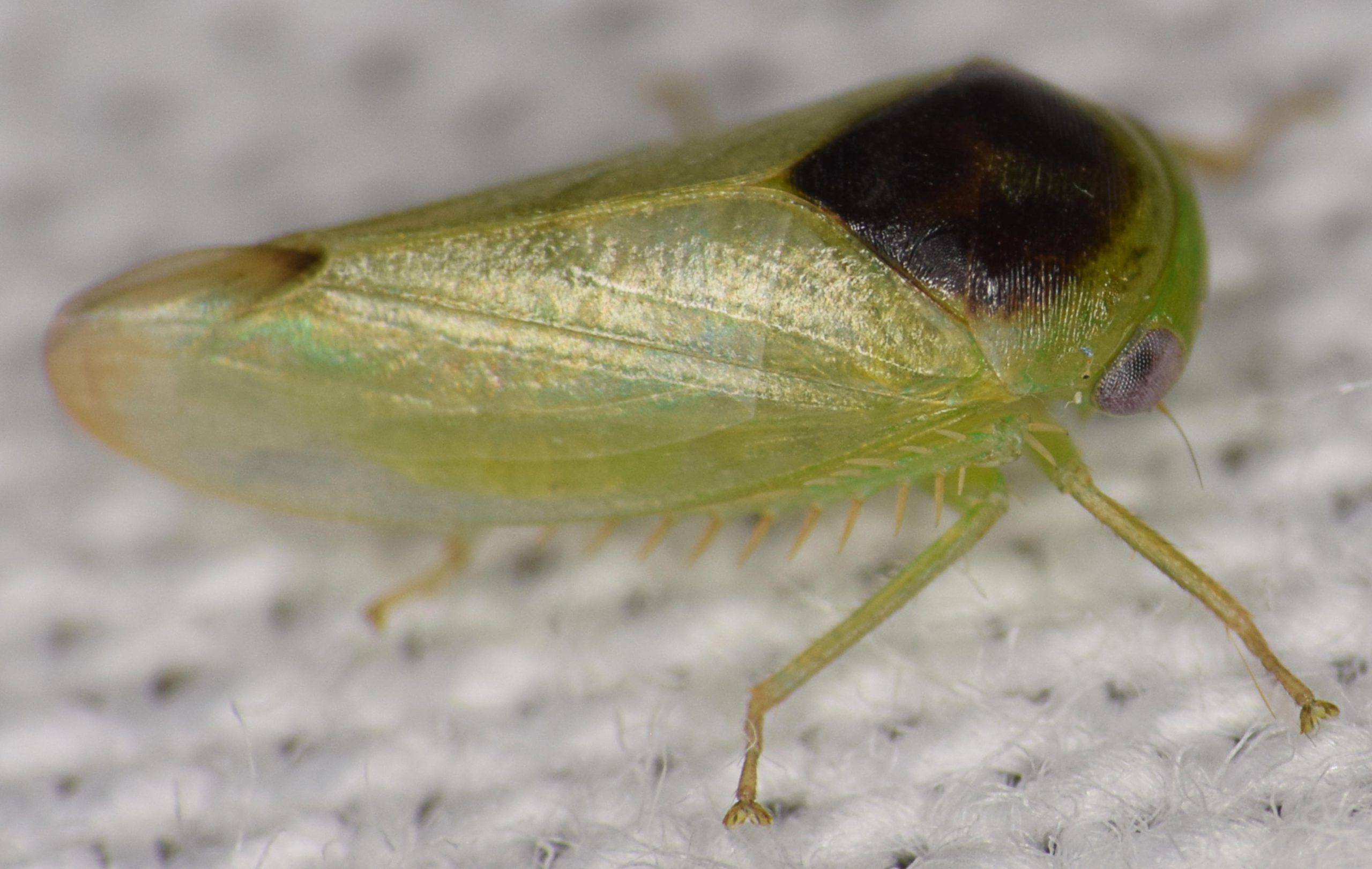
    Batracomorphus Eusemos
    Batracomorphus eusemos – one of the seven new species of leafhopper discovered by Dr. Alvin Helden. Credit: Dr. Alvin Helden, Anglia Ruskin University

    An entomologist at Anglia Ruskin University has discovered seven new species of leafhopper.

    A researcher at Anglia Ruskin University (ARU) in Cambridge, England has identified seven previously unknown species of a frog-like insect.

    The newly described insects are leafhoppers belonging to the genus Batracomorphus and were discovered by Dr. Alvin Helden during field research in Uganda’s tropical rainforest.

    The name Batracomorphus comes from Greek meaning “frog-shaped”, a reference to the insects’ appearance and movement. These leafhoppers are typically green, have large eyes, and propel themselves by jumping with long hind legs that rest along their bodies in a frog-like posture.

    Dr. Helden’s findings have been formally reported in the scientific journal Zootaxa and mark the first time new species of Batracomorphus have been documented in Africa since 1981.
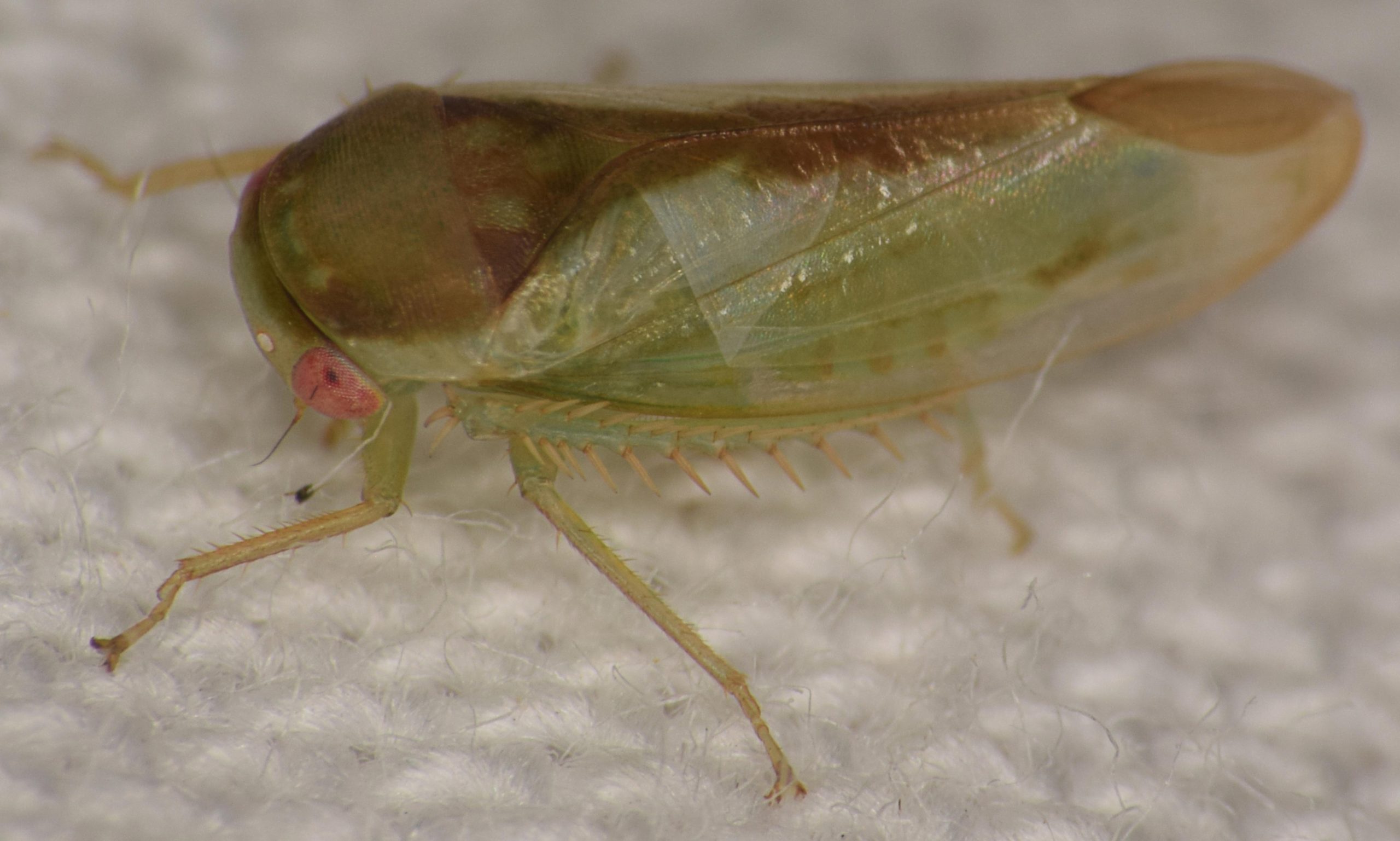
    Batracomorphus Ruthae
    Batracomorphus ruthae – one of the seven new species of leafhopper discovered by Dr. Alvin Helden of Anglia Ruskin University. Credit: Dr. Alvin Helden, Anglia Ruskin University

    Rarity, location, and methods of discovery

    Before this work, scientists recognized only 375 species of Batracomorphus worldwide, with just two recorded in the UK. All seven of the newly identified species were collected using light traps set in rainforest at elevations above 1,500m within Kibale National Park in Uganda.

    A major challenge of the research was verifying that the insects represented new species. Members of this genus are visually very similar, and reliable identification depends on detailed examination of their genital structures.
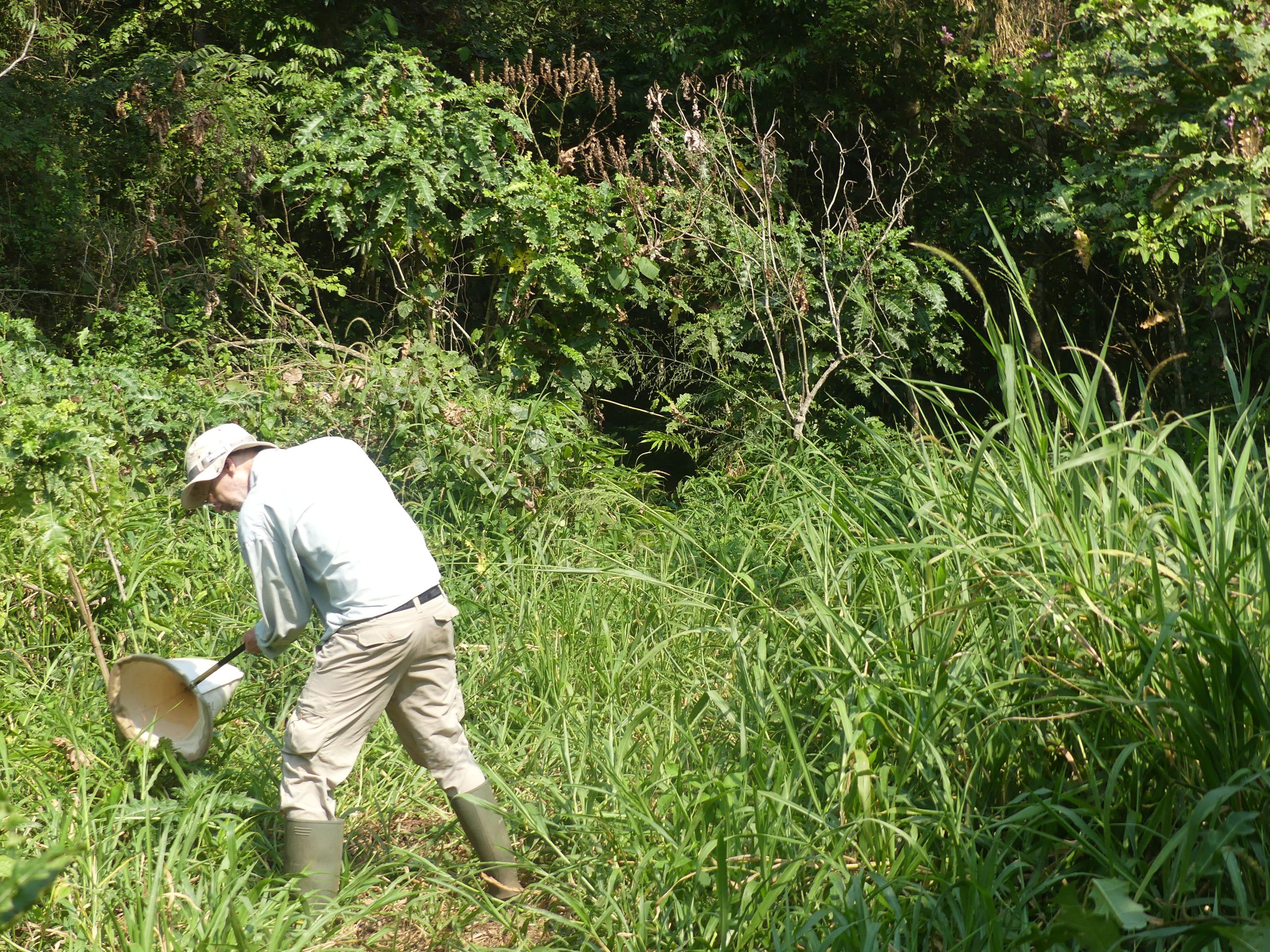
    Alvin Helden Carrying Out Fieldwork
    Dr. Alvin Helden of Anglia Ruskin University carrying out fieldwork at Kibale National Park in Uganda. Credit: Anglia Ruskin University

    Leafhoppers reproduce through a “lock and key” system, in which the male genitalia, the key, has a unique shape that fits only the female genitalia of the same species. This precise match ensures that successful reproduction occurs only within the same species.

    These complex structures, made out of the same tough material as their exoskeleton, mean that successful mating can only occur between leafhoppers of the same species, preventing hybridization.
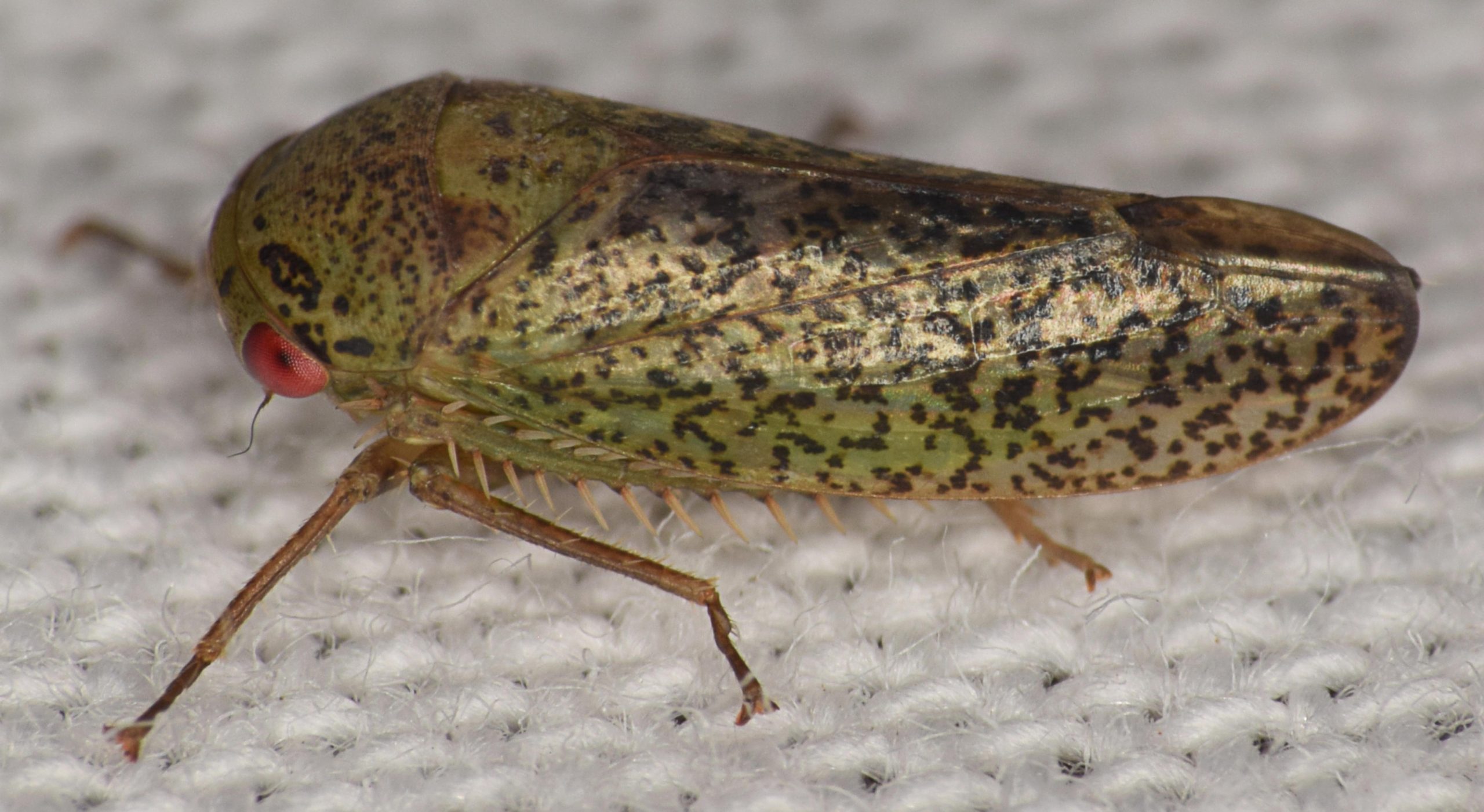
    Batracomorphus Pardos
    Batracomorphus pardos – one of the seven new species of leafhopper discovered by Dr. Alvin Helden. Credit: Dr. Alvin Helden, Anglia Ruskin University

    Ecological importance and personal significance

    Dr. Helden, an entomologist and a member of the Ecology, Evolution and Environment Research Centre at Anglia Ruskin University (ARU), said: “Leafhoppers are beautiful, endearing creatures. Although some can be pests, and are associated with crops such as maize and rice, overall leafhoppers are a really undervalued group of herbivores.

    “They are an important source of food for birds and other insects, and their presence is a sign of a healthy ecosystem.

    “Finding these new species has taken a lot of painstaking fieldwork in the rainforest, dealing with heat and humidity, but it is incredibly satisfying to find species previously unknown to science – it makes all the hard work worthwhile.

    “I’ve named six of the leafhoppers, in Greek, after their distinctive features or where they were found. One, Batracomorphus ruthae, carries a very personal meaning. It honors my mother, Ruth, whom I lost in 2022.

    “Ruth was a scientist, who worked in a hospital laboratory. She bought me my first microscope, which I still have, and encouraged my love of science from the very beginning, so naming a species after her feels like the most fitting tribute I could give.”

    Reference: “Leafhoppers of the genus Batracomorphus (Hemiptera: Cicadellidae: Iassinae) of Kibale National Park, Uganda, with descriptions of seven new species” by Alvin J. Helden, 14 November 2025, Zootaxa
    DOI: 10.11646/zootaxa.5719.4.1

    Never miss a breakthrough: Join the SciTechDaily newsletter.
    Follow us on Google and Google News.

    Anglia Ruskin University Biodiversity Entomology Insect New Species Taxonomy
    Share. Facebook Twitter Pinterest LinkedIn Email Reddit

    Related Articles

    Scientists Solve a Decades-Old Stick Insect Mystery

    Researchers Discover Unknown Beetle Species Just Steps From Their Lab

    “Unlike Anything We’ve Ever Seen” – Bizarre New Insect Discovered in South America Stuns Scientists

    Scientists Discover Strange New Parasitic Wasp Species in the U.S.

    Stunning New Moth Species Discovered After a Century of Confusion

    12 New Weevil Species Discovered Across Japan, Malaysia, Vietnam, and Taiwan

    Hidden Diversity: Undiscovered Species Are Hiding Right Under Our Noses

    Cicadas Might Have Given Rise to a Form of Batesian Mimicry in Citheronia Azteca

    Jurassic Period Super-Sized Fleas Had Armored Mouthparts to Attack the Thick Hide of Dinosaurs

    Leave A Reply Cancel Reply

    • Facebook
    • Twitter
    • Pinterest
    • YouTube

    Don't Miss a Discovery

    Subscribe for the Latest in Science & Tech!

    Trending News

    Study Finds Natural Dairy Trans Fats Behave Very Differently From Industrial Fats

    Your Voice May Reveal How Fast Your Brain Is Aging

    These Fingernail-Sized Animals Are Moving Astonishing Amounts of California Beach Sand

    NASA’s Perseverance Rover Finds Mars Had a Far More Complicated Water History Than Expected

    Why Do Muscles Weaken With Age? Scientists May Have Found an Important Missing Piece

    Cancer’s “Obesity Paradox” May Have a Surprising Explanation

    Engineers Have Created the World’s First Floating Titanium

    More Than 1 in 3 Adults Had High Blood Pressure – Most Didn’t Know It

    Follow SciTechDaily
    • Facebook
    • Twitter
    • YouTube
    • Pinterest
    • Newsletter
    • RSS
    SciTech News
    • Biology News
    • Chemistry News
    • Earth News
    • Health News
    • Physics News
    • Science News
    • Space News
    • Technology News
    Recent Posts
    • A Strange New Material Breaks the Usual Rules of Heat and Stiffness
    • Scientists Detect a Major Shift Beneath the Sun’s Surface
    • James Webb Telescope Detects the Fingerprints of Catastrophic Planetary Collisions
    • Aging Cells May Be Hiding From the Immune System – Scientists Think They Know How
    • Night Owls Were 70% More Likely To Leave Work on Disability, 12-Year Study Finds
    Copyright © 1998 - 2026 SciTechDaily. All Rights Reserved.
    • Science News
    • About
    • Contact
    • Editorial Board
    • Privacy Policy
    • Terms of Use

    Type above and press Enter to search. Press Esc to cancel.