
Close Menu
    Facebook X (Twitter) Instagram
    SciTechDaily
    • Biology
    • Chemistry
    • Earth
    • Health
    • Physics
    • Science
    • Space
    • Technology
    Facebook X (Twitter) Pinterest YouTube RSS
    SciTechDaily
    Home»Science»Stunning New Moth Species Discovered After a Century of Confusion
    Science

    Stunning New Moth Species Discovered After a Century of Confusion

    By Pensoft PublishersAugust 19, 2025No Comments2 Mins Read
    Facebook Twitter Pinterest Telegram LinkedIn WhatsApp Email Reddit
    Share
    Facebook Twitter LinkedIn Pinterest Telegram Email Reddit
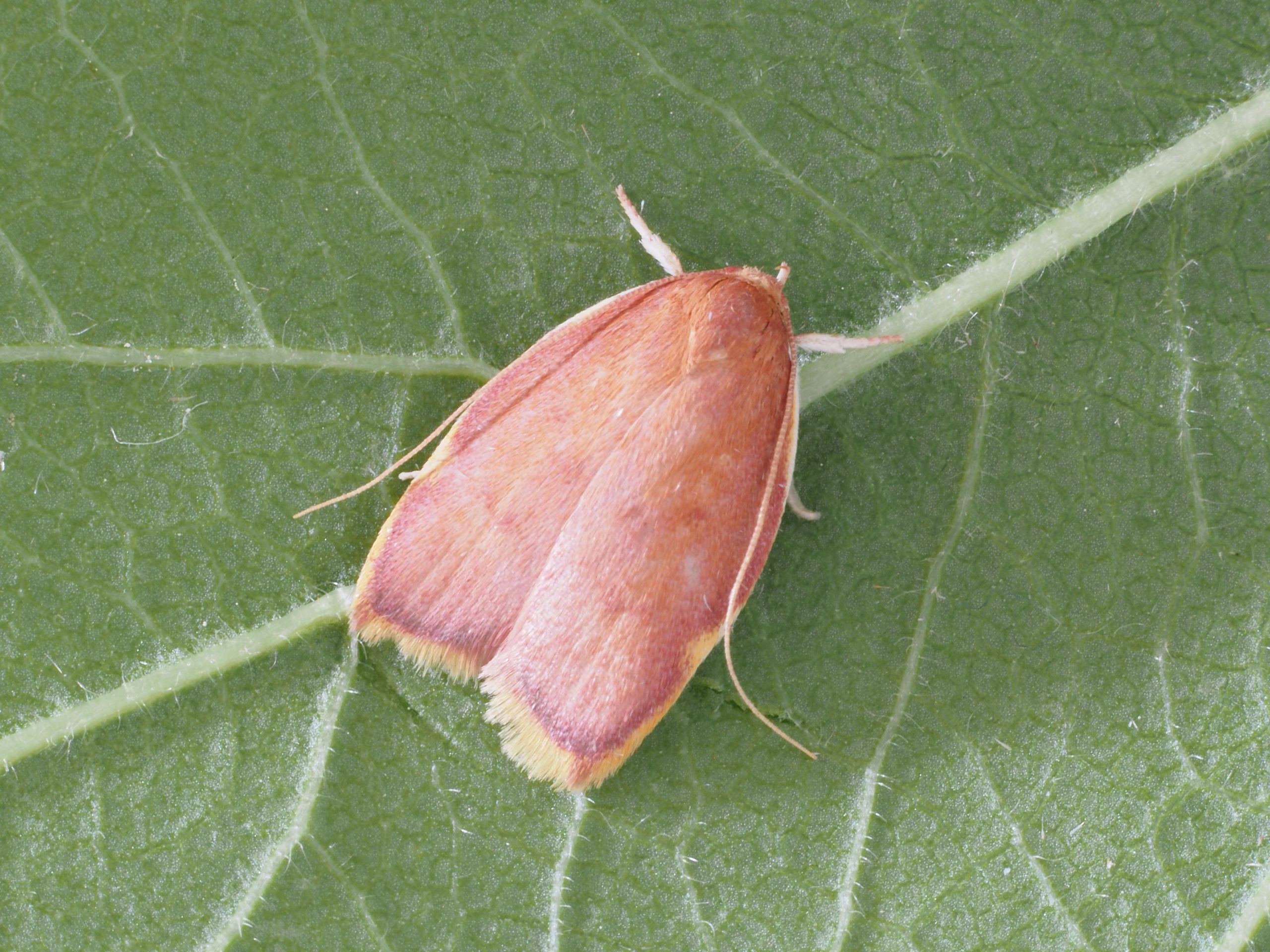
    Adult Female of Ingrid Maria’s Carcina
    Adult female of Ingrid-Maria’s carcina. Credit: P. Huemer/Ferdinandeum

    A Mediterranean moth was confirmed as a new species through DNA testing. It now bears the name Carcina ingridmariae.

    A striking moth with vivid colors, long assumed to belong to a known species, has now been identified as entirely new. The discovery was made by entomologist Dr. Peter Huemer of the Tyrolean State Museum Ferdinandeum in Innsbruck, Austria.

    The insect, formally described in the open-access journal Alpine Entomology, has been given the name Carcina ingridmariae. For more than a century it was overlooked, largely because it bears such a close resemblance to the widespread oak carcina (Carcina quercana), a species first recorded in 1775 and well known across Europe.

    Habitat of Ingrid Maria’s Carcina
    Habitat of Ingrid Maria´s carcina (Kantara Catsle, Pentadactylos Mts., North Cyprus). Credit: P. Huemer/Ferdinandeum

    DNA analysis confirms identity

    Although Carcina ingridmariae displays striking shades of pink and yellow, it went unrecognized for decades. Only with the development of DNA barcoding was it possible to uncover genetic differences of more than 6% from its close relative. Follow-up examination of the moths’ reproductive structures confirmed the genetic evidence, proving that two separate species had been mistaken for one.

    The newly identified moth spans about 2 cm and inhabits regions across the eastern Mediterranean, including Croatia, Greece, Cyprus, and Turkey. Its caterpillars are thought to feed on various oak species, much like its sister species, but targeted research on its life cycle and range is still in progress.
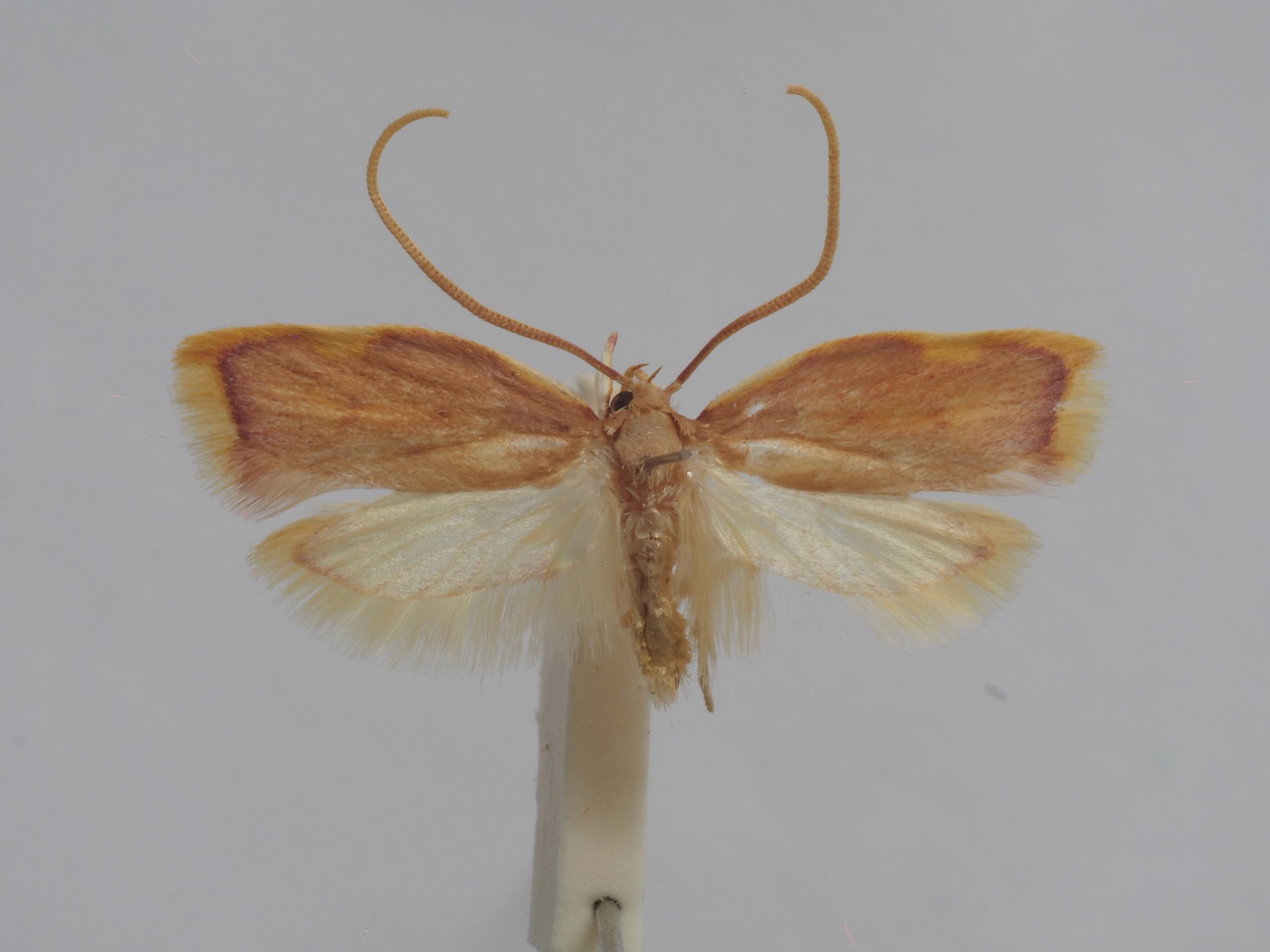
    Male of Ingrid Maria’s Carcina
    Male of Ingrid Maria’s carcina. Credit: P. Huemer/Ferdinandeum

    A personal dedication

    In recognition of enduring support throughout his career, Dr. Huemer dedicated the discovery to his wife, Ingrid Maria, naming the moth after her on their 42nd wedding anniversary.

    Huemer, who has described more than 200 species from Europe over 35 years, said: “It is without doubt the prettiest species I have encountered in my long scientific career, even though it is still unnamed.” It was therefore “obvious” to Huemer that the new species should be given his wife’s name.

    Reference: “The supposedly unmistakable mistaken: Carcina ingridmariae sp. nov., a surprising example of overlooked diversity from Europe and the Near East (Lepidoptera, Peleopodidae)” by Peter Huemer, 31 July 2025, Alpine Entomology.
    DOI: 10.3897/alpento.9.158239

    Never miss a breakthrough: Join the SciTechDaily newsletter.
    Follow us on Google and Google News.

    Biodiversity Entomology New Species Pensoft Publishers Taxonomy
    Share. Facebook Twitter Pinterest LinkedIn Email Reddit

    Related Articles

    It Looks Like a Frog, but It’s a Bug: Scientist Discovers 7 Unusual New Insect Species

    Scientists Discover New Golden-Tongued Species of Lizard

    Scientists Discover Strange New Parasitic Wasp Species in the U.S.

    Scientists Discover Unusual New Species of Sea Slug That Looks Like an Egg

    Scientists Discover Mysterious New Species of Crustacean in Underground Cave

    This Tiny New Species of Snail Looks Like It Was Designed by Picasso

    Named After an Anime Character: Researchers Discover New Deep-Sea Fish Species

    Fiery New Tarantula Species Discovered in Arizona’s Sky Islands – but It Could Soon Disappear Forever

    Hidden Diversity: Undiscovered Species Are Hiding Right Under Our Noses

    Leave A Reply Cancel Reply

    • Facebook
    • Twitter
    • Pinterest
    • YouTube

    Don't Miss a Discovery

    Subscribe for the Latest in Science & Tech!

    Trending News

    Largest-Ever Study Finds Medicinal Cannabis Ineffective for Anxiety, Depression, PTSD

    250-Million-Year-Old Egg Solves One of Evolution’s Biggest Mysteries

    Living With Roommates Might Be Changing Your Gut Microbiome Without You Knowing

    Century-Old Cleaning Chemical Linked to 500% Increased Risk of Parkinson’s Disease

    What if Your Memories Never Happened? Physicists Take a New Look at the Boltzmann Brain Paradox

    One of the Universe’s Largest Stars May Be Getting Ready To Explode

    Scientists Discover Enzyme That Could Supercharge Ozempic-Like Weight Loss Drugs

    Popular Sweetener Linked to DNA Damage – “It’s Something You Should Not Be Eating”

    Follow SciTechDaily
    • Facebook
    • Twitter
    • YouTube
    • Pinterest
    • Newsletter
    • RSS
    SciTech News
    • Biology News
    • Chemistry News
    • Earth News
    • Health News
    • Physics News
    • Science News
    • Space News
    • Technology News
    Recent Posts
    • Challenging the Narrative: New Study Shows U.S. Life Expectancy Is Rising Across All States
    • Mystery Illness Kills 5 in Burundi As Doctors Scramble for Answers
    • Bone-Strengthening Discovery Could Reverse Osteoporosis
    • The Most Elusive Number in Physics Just Got Even More Mysterious
    • Scientists Uncover Hidden Trigger Behind Stem Cell Aging
    Copyright © 1998 - 2026 SciTechDaily. All Rights Reserved.
    • Science News
    • About
    • Contact
    • Editorial Board
    • Privacy Policy
    • Terms of Use

    Type above and press Enter to search. Press Esc to cancel.