
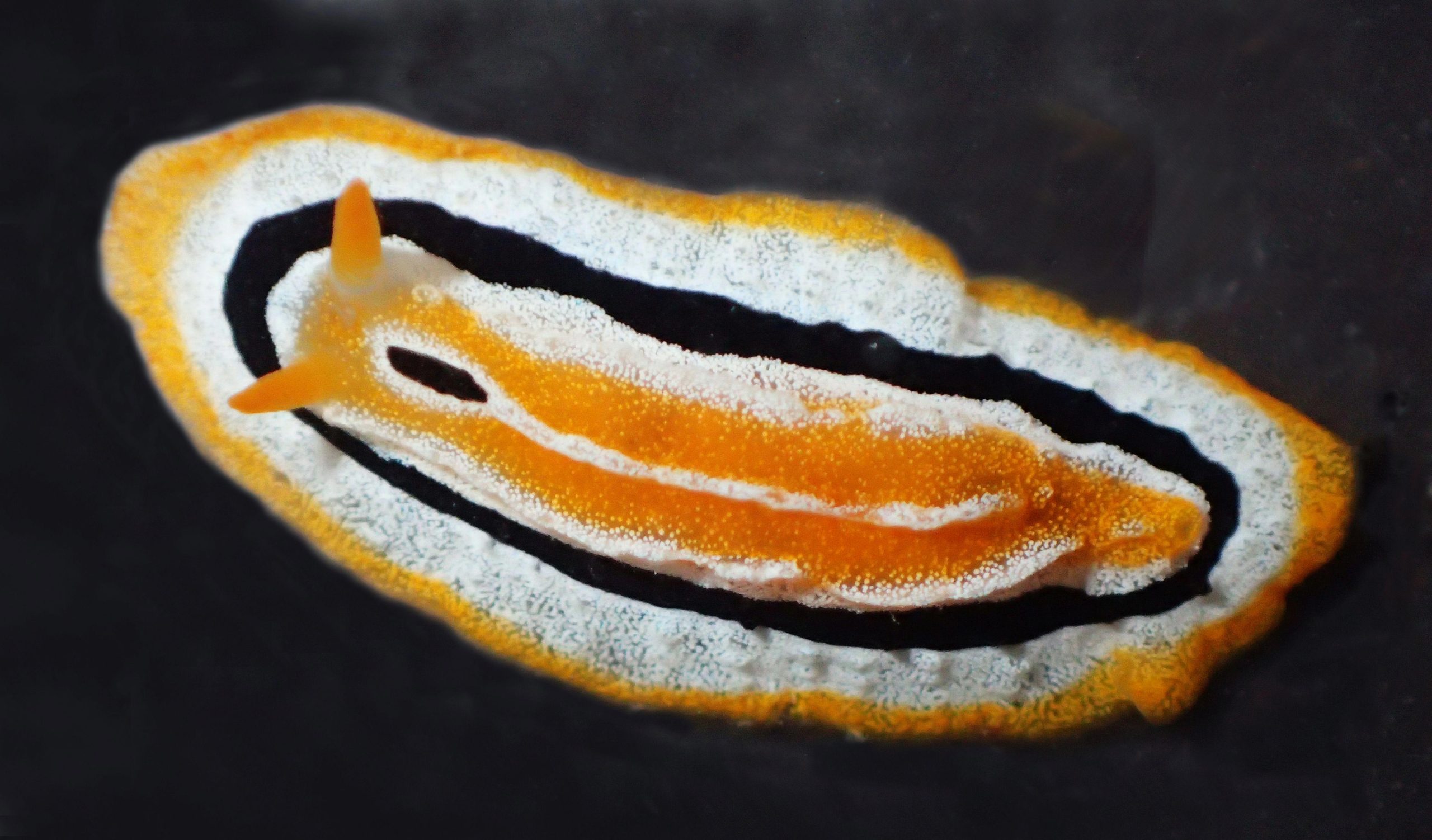
Two colorful new sea slug species have been discovered in Indonesia.
Five women scientists representing Germany, Indonesia, and Wales have identified and formally described two previously unknown species of wart sea slugs found in the waters off North Sulawesi, Indonesia. These new additions to marine biodiversity have been named Phyllidia ovata and Phyllidia fontjei.
Wart sea slugs, which belong to the Phyllidiidae family, are widespread throughout the Indo-Pacific region. They feed on sponges and incorporate toxins from their prey into their own chemical defenses. Their vibrant colors and ability to deter predators through chemical means have made them well-known among both researchers and marine life enthusiasts.
In North Sulawesi alone, scientists have recorded around 350 species of sea slugs. Among these, nearly 100 are believed to be newly discovered but have not yet been officially named. With the formal recognition of Phyllidia ovata and Phyllidia fontjei, two particularly rare and strikingly colored species have now been added to the scientific record.
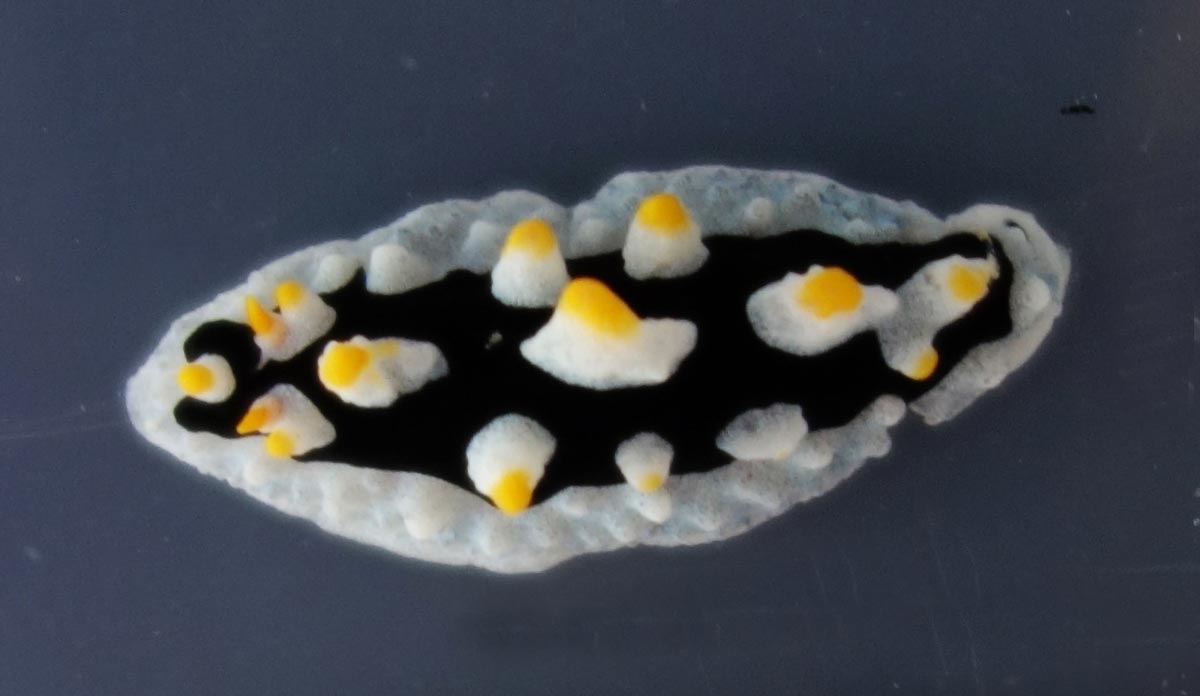
Phyllidia ovata was named in reference to its unique appearance that resembles an egg, both in its shape and its pattern. It has been photographed several times by enthusiastic underwater photographers in Indonesia, Japan, Taiwan, the Philippines, and Australia during the past 23 years, but was only recognized as a new-to-science species now. This medium-sized, up to 5 cm long, wart sea slug has finally been given a name based on an animal collected by a scuba diver in North Sulawesi.
Honoring a Legacy of Biodiversity Research
Phyllidia fontjei was named in honor of the late Dr. Fontje Kaligis, an Indonesian researcher who was instrumental in opening new avenues of international cooperation for the advancement of our knowledge of the sometimes hidden biodiversity in North Sulawesi. With a maximum documented size of 16 mm, this small species of wart sea slug is difficult to find.
Nevertheless, Phyllidia fontjei has been photographed during the past 15 years in Indonesia and Malaysia, but it is more common in the Andaman Sea in the Indian Ocean. This species has been described based on a single reference animal, which scientists refer to as a holotype. The holotype has been histologically examined, allowing for a very detailed analysis of its anatomy.
To a large extent, these discoveries were made possible thanks to people who do not have formal scientific education but are passionate about documenting and protecting Earth’s diversity. Photographs and data posted on citizen science platforms like iNaturalist, social media sites like Facebook, and dedicated sea slug communities such as NudiPixel and the now defunct Sea Slug Forum, provided the researchers with vital information for identifying these nudibranchs as new to science and establishing a more realistic geographical distribution when only few specimens are available for study.
“We all use these platforms in many different fields of taxonomy as they provide useful records when the species are distinctive, and have done so for more than two decades,” says Dr Nathalie Yonow of Swansea University, one of the authors of the study.
Reference: “On two new Phyllidia species (Gastropoda, Nudibranchia, Doridina) and some histology from the Coral Triangle” by Heike Wägele, Lina Marie Raubold, Adelfia Papu, Nani Undap and Nathalie Yonow, 14 July 2025, ZooKeys.
DOI: 10.3897/zookeys.1245.153046
Never miss a breakthrough: Join the SciTechDaily newsletter.
Follow us on Google and Google News.
1 Comment
haha slegg haha