
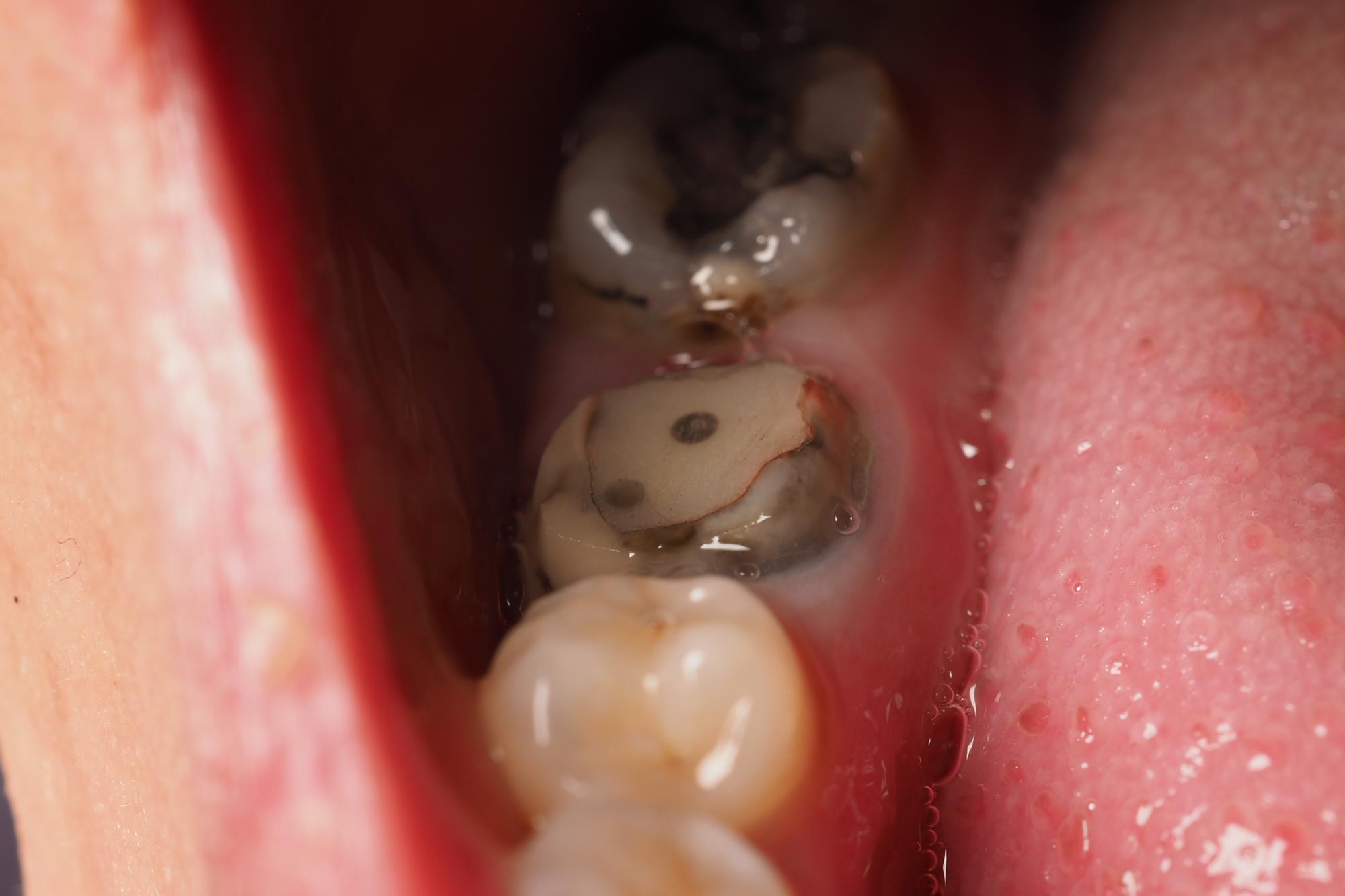
A newly developed biomaterial derived from natural and pharmaceutical components is showing promise as a potential treatment for periodontitis.
What if a fruit best known for its massive size could help repair the damage caused by one of the world’s most common causes of tooth loss?
Researchers in Brazil have developed an experimental biomaterial that combines jackfruit latex, pomegranate peel extract, and simvastatin (a statin-based medication) into a single treatment designed to target periodontitis, a chronic gum disease that gradually destroys the tissues and bone supporting the teeth. Early laboratory results suggest the material may do more than control infection and inflammation. It could also help stimulate the regeneration of damaged tissue.
Periodontitis affects hundreds of millions of people worldwide and remains a leading cause of tooth loss in adults. The disease begins when bacteria accumulate around the gums, triggering a persistent immune response. Over time, that inflammation can erode the periodontal ligament and jawbone, creating damage that the body often struggles to repair on its own.
While existing treatments can slow disease progression by reducing bacterial buildup and inflammation, rebuilding lost tissue remains a major challenge. Even advanced procedures such as bone grafts and guided tissue regeneration can produce variable results, highlighting the need for new approaches that actively support healing.
Combining Natural and Therapeutic Compounds
Researchers at the Faculty of Medical and Health Sciences (FCMS) of the Pontifical Catholic University of São Paulo (PUC-SP) focused on a relatively overlooked natural material: jackfruit latex.
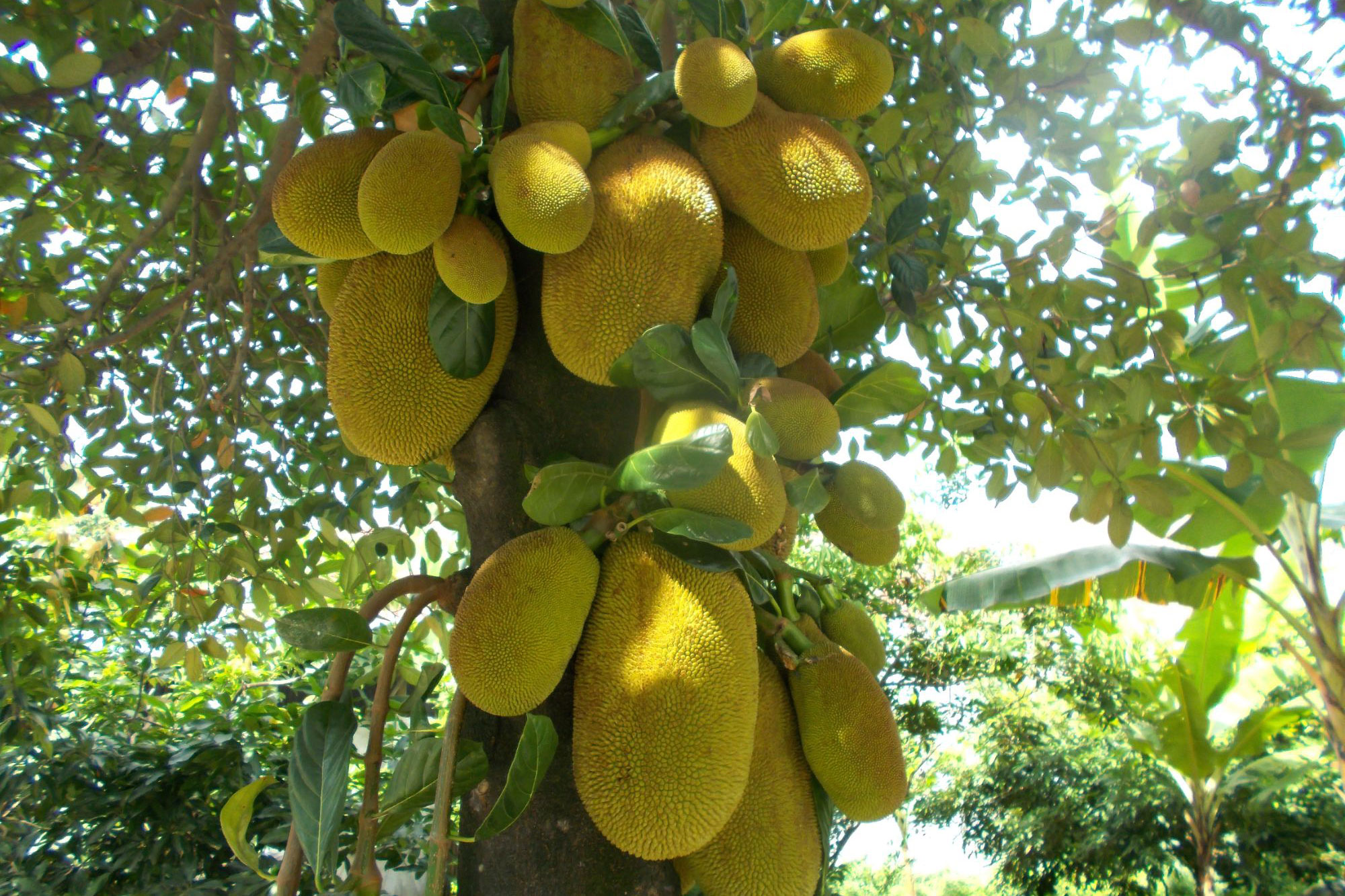
Unlike many drug delivery systems, jackfruit latex naturally adheres to surfaces. That property caught the attention of the research team, which saw the potential for a treatment capable of remaining in contact with diseased gum tissue for extended periods rather than being quickly washed away by saliva.
“We began to view latex extracted from jackfruit as an interesting alternative, as it has adhesive properties. This led us to believe that it could remain longer at the site affected by periodontitis, promoting a more targeted release of therapeutic compounds and potentially reducing the need for systemic antibiotic use,” explains Professor Eliana Aparecida de Rezende Duek, from the Department of Surgery at the FCMS.
Duek coordinated the study, which was supported by FAPESP (projects 23/17083-8 and 23/12039-0) and published in the journal Polymer Bulletin.
The researchers paired the latex with pomegranate peel extract, a natural substance that has attracted scientific interest for its antimicrobial activity. They also added simvastatin, a drug widely prescribed to lower cholesterol but increasingly studied for a very different reason: its ability to reduce inflammation and encourage new bone formation.
Together, the three ingredients form a mucoadhesive matrix that can be applied directly to damaged tissue, creating a localized treatment designed to deliver therapeutic compounds where they are needed most.
Why Local Treatment Matters
One challenge with simvastatin is that when it is taken orally, most of the drug is processed by the liver before reaching the rest of the body. Only a small amount enters circulation, often requiring higher doses to achieve effects elsewhere. Those higher doses can increase the risk of side effects, including serious muscle damage.
Applying the drug directly to diseased gum tissue could potentially bypass many of those limitations while concentrating its effects at the site of injury.
To create the material, the team extracted latex from freshly harvested jackfruit and purified it before incorporating pomegranate peel extract. They then conducted a series of physicochemical and biological analyses to evaluate how the material behaved and whether it could serve as a suitable platform for drug delivery.
Encouraging Results in Stem Cell Tests
The researchers tested formulations containing simvastatin concentrations of 0.3%, 0.6%, and 1.2% using human adipose-derived stem cells. None of the formulations altered the gel’s structure, and all were considered technically safe.
More importantly, every concentration promoted osteoinduction, the process that encourages stem cells to develop into bone-forming cells. The effect was evident after 14 days and became even stronger after 21 days.
Because bone loss is one of the most destructive consequences of periodontitis, the ability to encourage bone regeneration could represent a significant advantage over treatments that primarily focus on controlling infection.
“Overall, the results were very encouraging for us. We observed that the developed biomaterial has great potential for future applications in treating periodontitis and in other areas as well, especially since it involves a material that has received little attention in the scientific literature for biomedical use,” says Duek.
The researchers emphasize that the work is still at an early stage and further studies will be needed before the material can be considered for clinical use.
“Despite these promising results, we’re continuing to move forward with new studies to more thoroughly evaluate the efficacy and safety of the system,” she adds.
Reference: “Jackfruit latex-pomegranate extract biomaterial incorporated with simvastatin as a potential osteoinductive system for periodontal applications” by Bruna V. Quevedo, Barbara B. T. de Lima, Kaique G. Hergesel, Jessica Asami, Daniel Komatsu and Eliana Aparecida de Rezende Duek, 9 March 2026, Polymer Bulletin.
DOI: 10.1007/s00289-026-06358-w
Never miss a breakthrough: Join the SciTechDaily newsletter.
Follow us on Google and Google News.
3 Comments
thanks for this
Love your research! Can’t get enough. Thank you very much!
Thanks,